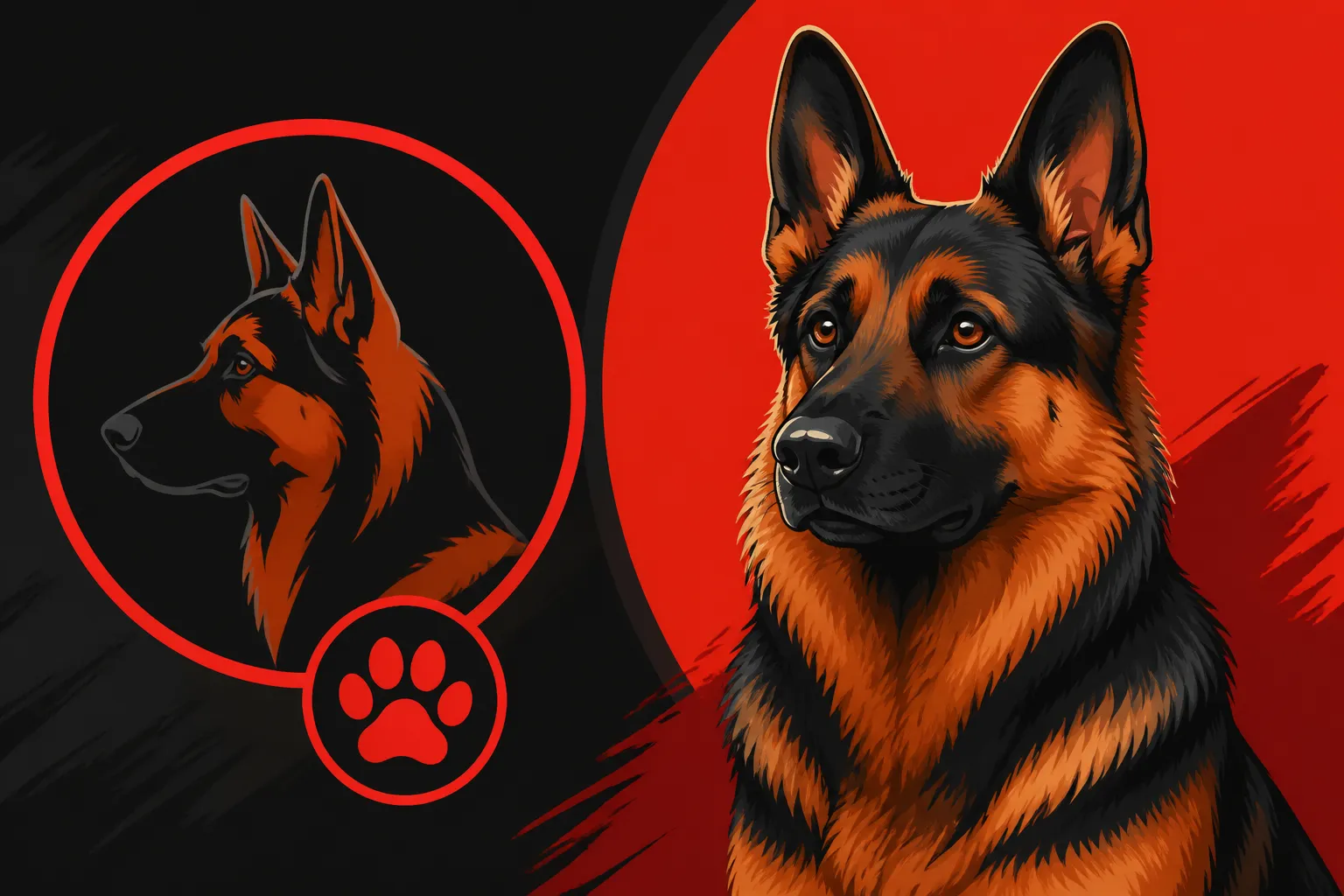
Black and Red German Shepherd: What to Know
It's incredibly exciting when you encounter a German Shepherd with that striking black and red coat, isn't it? Many people are drawn to this particular coloration, sometimes even wondering if it means something special about the dog's temperament or health. If you've ever found yourself admiring these magnificent dogs and wanting to understand more about what makes their coats so vibrant, you're in the right place. This guide is dedicated to exploring everything you need to know about the black and red German Shepherd, from their genetics to their personality and care.
Understanding the Black and Red German Shepherd Coat
The black and red German Shepherd is truly a showstopper, boasting a deeply pigmented, rich red that contrasts beautifully with a solid black saddle, mask, and points. It's a classic look that many envision when they think of the breed. But what actually creates this stunning combination, and how is it different from other common coat patterns?
The Genetics Behind the Color
When we talk about German Shepherd coat colors, we're diving into a fascinating world of genetics. The black and red pattern isn't just a random occurrence; it's the result of specific genes at play. The primary gene responsible for the base color and pattern in German Shepherds is the agouti (A) locus, which dictates where and how pigment is distributed. In the case of black and red, you typically have an allele combination that allows for black pigment in certain areas (like the saddle and mask) and red pigment in others (like the legs, belly, and chest).
This beautiful red isn't just a faded tan; it's a true, rich red pigment. This intensity is influenced by other genes, often referred to as "modifiers," which can deepen or lighten the red tones. Some German Shepherds carry genes that produce very light tan, while others possess those that create this stunning, almost fiery red. It's a genetic lottery, but when it hits, the result is truly breathtaking. Understanding these genetics can even help breeders predict the colors of their litters, though nature always holds a few surprises!
Distinguishing True Black and Red from Other Variants
One of the most common questions I hear from aspiring German Shepherd owners is how to tell a true black and red from a black and tan or even a sable. While they might seem similar at first glance, there are distinct differences.
The hallmark of a black and red German Shepherd is the intensity and depth of the red pigment. Imagine a vibrant sunset, or the rich color of mahogany wood – that's the kind of red you're looking for. This red coloring will typically be very strong on the dog's legs, underneath, and often around their ears and muzzle (though they will also have a black mask). In contrast, a black and tan German Shepherd will have lighter, more fawn or beige markings where the red would be. The difference is quite noticeable once you know what to look for.
Sable German Shepherds, another popular variant, are different entirely. While they often have red or tan undercoats, their individual hairs are banded with multiple colors, creating a grizzled, "salt-and-pepper" appearance. So, while a black and red has distinct blocks of color, a sable has a more blended, wild-type look. If you want to learn more about the diverse looks of our furry friends, you can check out our guide on German Shepherd Coat Colors Explained.
Here's a quick comparison to help you visualize the differences:
| Feature | Black and Red German Shepherd | Black and Tan German Shepherd | Sable German Shepherd |
|---|---|---|---|
| Red/Tan Pigment | Deep, rich, vibrant red | Lighter tan, fawn, or beige | Varied shades, often red/tan undercoat, but not solid |
| Black Markings | Solid black saddle, mask, points | Solid black saddle, mask, points | Black tipping on individual hairs, grizzled appearance |
| Overall Look | Striking contrast, vibrant | Classic, softer contrast | Blended, "wild" look, less defined color blocks |
Key Characteristics and Appearance
Beyond their dazzling color, black and red German Shepherds embody all the magnificent physical traits that make the breed so admired. Their appearance is a testament to the breed standard, highlighting both their strength and elegance.
The Rich Hues of Red and Sable Markings
When a black and red German Shepherd truly showcases its colors, it's an undeniable spectacle. The black saddle should be deep and well-defined, stretching across the back and down the sides, sometimes almost like a blanket. The black mask on their face should also be pronounced, giving them that classic, intelligent German Shepherd expression. But it's the red that truly sets them apart – it should be a rich, fiery hue, not just a pale fawn. This deep red often covers their legs, paws, chest, and sometimes even spills up their neck and behind their ears.
You might notice variations in the amount of red. Some will have extensive red markings, almost appearing to be primarily red with a black overlay, while others might have a more minimal splash of red, with black dominating a larger portion of their body. These variations are perfectly normal within the black and red spectrum and contribute to the unique beauty of each individual dog. The clarity and richness of this red pigment are often considered highly desirable in show lines, but regardless of their show potential, they are all stunning companions.
Physical Traits Beyond Color
While the black and red coat is certainly eye-catching, these German Shepherds share all the other physical characteristics of the breed. They are medium to large-sized dogs, known for their powerful, muscular build and noble, intelligent expression. Their heads are proportionate to their bodies, with strong jaws and dark, almond-shaped eyes that convey alertness and loyalty.
Their ears, typically erect and forward-facing in adulthood, add to their keen appearance. Their gait is famously fluid and graceful, a hallmark of the breed designed for efficiency and endurance. When you see a black and red German Shepherd move, it's often described as a "flying trot," a testament to their athletic prowess. For those curious about the physical development of these dogs, you might find our article on When Do German Shepherds Stop Growing to be a useful read.
The overall impression is one of strength, confidence, and an almost regal presence, making them not just beautiful companions but also imposing guardians.
Temperament and What to Expect
It's a common misconception that a dog's coat color dictates its personality. While certain breed lines might emphasize different traits, the black and red coloration itself has no bearing on a German Shepherd's temperament. What you get with a black and red GSD is the classic, intelligent, and loyal German Shepherd personality that makes them one of the most beloved breeds worldwide.
Is Their Color Linked to Personality?
Let's debunk this myth right away: no, the beautiful black and red coat of your German Shepherd does not inherently mean they will be more aggressive, more playful, or more anything specific compared to a black and tan or a sable German Shepherd. Temperament is primarily determined by genetics (the specific line they come from), early socialization, and consistent training.
A reputable breeder will prioritize temperament and health over color when breeding. They will select parent dogs with stable, confident, and balanced personalities, regardless of whether they produce black and red puppies, black and tan, or even solid black ones. So, if you're looking for a dog with a specific temperament, focus on finding a responsible breeder who health tests their dogs and can tell you about the parents' dispositions, rather than solely on coat color. Our guide on German Shepherd Temperament and Personality dives deeper into what makes these dogs tick.
Training and Socialization Needs
Just like all German Shepherds, a black and red GSD will thrive with early and consistent training and socialization. These are highly intelligent dogs with a strong desire to please, but they also have a working dog heritage that means they need a job to do, whether it's obedience, agility, or just being an active family companion.
Puppy classes are invaluable, not just for learning basic commands, but also for exposing your pup to new people, places, and other friendly dogs in a controlled environment. This helps them develop into well-adjusted, confident adults. Without proper socialization, any German Shepherd, regardless of color, can become reserved or reactive. Positive reinforcement methods work wonders with this breed; they respond incredibly well to praise, treats, and play. If you're bringing home a puppy, our German Shepherd Puppy Training Guide is an excellent resource to get started.
Consistency is key. Establishing clear boundaries and routines from day one will help your German Shepherd understand what's expected of them. Their high intelligence means they can pick up commands quickly, but it also means they can learn undesirable behaviors just as fast if left unchecked.
Care Considerations for a Black and Red German Shepherd
Caring for a black and red German Shepherd involves the same dedication and attention to detail as any other German Shepherd. Their magnificent coat and robust nature require specific care to ensure they live a long, healthy, and happy life.
Grooming for a Healthy Coat
The black and red German Shepherd typically has a dense double coat, consisting of a coarser outer coat and a softer, insulating undercoat. This coat, while beautiful, is also known for shedding, especially during "blow coat" seasons in spring and fall. Regular grooming is essential to manage shedding, prevent matting, and keep their skin healthy.
Aim to brush your German Shepherd several times a week, ideally daily during heavy shedding periods. A good quality slicker brush or an undercoat rake will be your best friend. These tools help remove loose hair from the undercoat, which is crucial in preventing uncomfortable mats and reducing the amount of hair floating around your home. Occasional baths are fine, but too frequent bathing can strip their natural oils, leading to dry skin. Always use a dog-specific shampoo and conditioner. Companies like Chewy offer a fantastic selection of grooming tools and shampoos specifically designed for double-coated breeds. For a deeper dive into managing that impressive coat, check out our article on How to Groom a German Shepherd.
Common Health Considerations
German Shepherds, regardless of their specific coloration, are prone to certain genetic health issues. Being aware of these and taking preventative measures is a crucial part of responsible ownership.
- Hip and Elbow Dysplasia: These are orthopedic conditions where the hip or elbow joints don't form correctly. Responsible breeders will screen their breeding dogs for these conditions using evaluations like OFA or PennHIP. While not entirely preventable, careful breeding and maintaining a healthy weight for your dog can reduce the risk. Our comprehensive guide on German Shepherd Hip Dysplasia Explained provides a lot more information.
- Degenerative Myelopathy (DM): This is a progressive neurological disease affecting the spinal cord, similar to ALS in humans. It typically appears in older dogs. There's a DNA test available to identify carriers, so a reputable breeder should be able to provide results for their breeding stock. You can learn more in our article about Degenerative Myelopathy in German Shepherds.
- Bloat (GDV): Gastric Dilatation-Volvulus is a life-threatening condition where the stomach twists. Large, deep-chested breeds like German Shepherds are at higher risk. Knowing the signs and taking preventative measures, like feeding smaller, more frequent meals and avoiding strenuous exercise immediately after eating, is vital. Our German Shepherd Bloat: Signs and Prevention article is a must-read for any GSD owner.
- Allergies: German Shepherds can be prone to various allergies, manifesting as skin irritation, itching, or digestive upset. Identifying the allergen (food or environmental) and working with your vet on a management plan is key. You might find useful information in our guide on German Shepherd Allergies: Symptoms and Treatment.
Nutrition and Exercise
A high-quality diet is fundamental to the health of any German Shepherd, including those with stunning black and red coats. Look for dog foods that list real meat as the first ingredient and are formulated for large, active breeds. The right diet supports their energy levels, promotes a healthy coat, and helps maintain a healthy weight, which is particularly important for joint health. If you're exploring options, many owners find success with brands like Royal Canin German Shepherd or Purina Pro Plan, which you can often find readily available on platforms like Chewy. Our German Shepherd Feeding Guide offers detailed advice on what and how much to feed.
Exercise is equally critical. German Shepherds are high-energy dogs that need daily physical and mental stimulation. This isn't just about walks; it includes playtime, training sessions, and opportunities to run and explore. Without adequate exercise, a German Shepherd can become bored, destructive, or develop behavioral issues. A minimum of 60-90 minutes of vigorous exercise daily is often recommended for an adult GSD. This strong breed needs consistent physical activity to stay happy and healthy.
Bringing Home a Black and Red German Shepherd
Deciding to bring a German Shepherd into your life, especially one with such a striking black and red coat, is a wonderful decision. They are intelligent, loyal, and incredibly rewarding companions, but they also require a significant commitment of time, effort, and resources.
Finding a Reputable Breeder
When seeking a black and red German Shepherd puppy, the most important step is to find a reputable breeder. A good breeder will:
- Prioritize health and temperament over aesthetics.
- Perform all recommended health screenings (hips, elbows, DM, etc.) on their breeding stock.
- Be transparent about the health history of their lines.
- Provide a clean and stimulating environment for their puppies.
- Be knowledgeable about the breed and willing to answer all your questions.
- Offer a health guarantee and support throughout your dog's life.
- Not breed solely for color, but for the overall quality of the dog.
Avoid breeders who cannot provide health clearances, rush you into a decision, or don't seem concerned with where their puppies are going. A responsible breeder is an invaluable resource, guiding you through the puppy stage and offering advice as your dog grows. Our guide on How to Find a Reputable German Shepherd Breeder is a must-read for anyone starting this journey.
Preparing for Your New Family Member
Before your black and red beauty arrives, make sure your home is ready. This includes:
- Supplies: A sturdy crate, food and water bowls (consider raised bowls to help prevent bloat), a comfortable bed, appropriate toys (German Shepherds are often heavy chewers!), and grooming tools. You can find many essentials on Chewy.
- Safety: "Puppy-proof" your home by removing potential hazards, securing cleaning supplies, and blocking off areas that are off-limits.
- Veterinary Care: Schedule an initial vet visit soon after your puppy arrives to establish a relationship and ensure they're healthy. Regular check-ups and vaccinations are crucial for their well-being. Knowing the German Shepherd Vaccination Schedule will help you plan ahead.
- Training Plan: Start thinking about your training approach. Will you enroll in puppy classes? Work with a professional trainer? Having a plan in place will make the transition smoother for both you and your new dog.
Bringing a German Shepherd into your family is a long-term commitment, but for those willing to invest the time and effort, the rewards of having such a devoted and magnificent companion are truly immeasurable. The black and red German Shepherd is a testament to the breed's beauty and enduring appeal, and with proper care, they will bring years of joy to your home.
Disclaimer
This article is for general informational purposes only and does not constitute professional advice. Laws, prices and regulations vary by location and change over time. Consult a qualified professional for guidance on your specific situation.