How to Prevent Cauda Equina in German Shepherds
One of the most heartbreaking realities of loving a German Shepherd is confronting the unique health challenges they face, especially those that impact their mobility and quality of life. The thought of your vibrant, active companion suddenly struggling with pain or hindquarter weakness due to something like Cauda Equina Syndrome (CES) can keep any dedicated owner up at night. This isn't just a common ache; it's a serious neurological condition that can drastically alter their comfort and capabilities. This comprehensive guide will walk you through understanding Cauda Equina Syndrome and, more importantly, equip you with actionable strategies to help prevent its onset and manage its progression in your beloved German Shepherd.
Understanding Cauda Equina Syndrome in German Shepherds
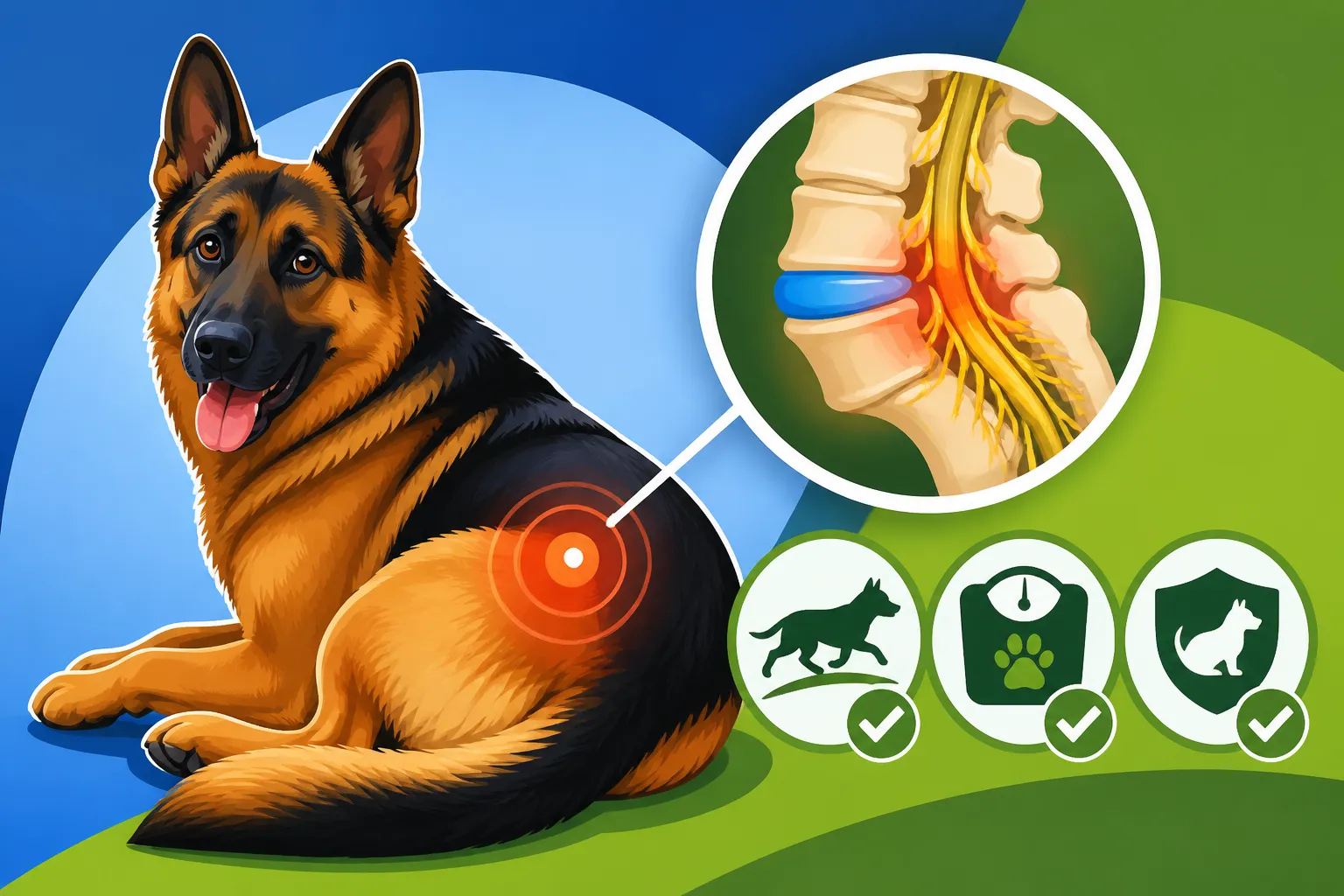
Cauda Equina Syndrome isn't a single disease but rather a collection of symptoms arising from the compression of the nerve roots in the lumbosacral region – that's the lower back, where the spine meets the pelvis. The term "cauda equina" literally means "horse's tail" because that's what the bundle of nerves emerging from the end of the spinal cord resembles. When these delicate nerves get squeezed, it leads to a cascade of problems, from excruciating pain to nerve damage affecting their hind legs and even bladder and bowel control.
German Shepherds are, unfortunately, disproportionately affected by CES, primarily due to a condition known as lumbosacral stenosis. This is a narrowing of the spinal canal in the lumbosacral area, which can be congenital (present from birth) or acquired (developing over time). The anatomy of the German Shepherd, particularly in some lines, can predispose them to this issue, making proactive prevention all the more critical for owners. It's a tough pill to swallow, knowing that our powerful, athletic companions can be vulnerable to such a debilitating condition.
Why German Shepherds are Prone to Cauda Equina
The predisposition of German Shepherds to Cauda Equina Syndrome largely stems from a combination of genetic factors, their characteristic body conformation, and the high-impact activities they often engage in. Their powerful, often angulated hindquarters, while magnificent for their gait, can place significant stress on the lumbosacral junction over time. This continuous stress, combined with potential genetic vulnerabilities, can lead to degenerative changes in the intervertebral discs and surrounding soft tissues.
These degenerative changes, such as disc herniation or bone spurs, can gradually narrow the vertebral canal and foramina (openings where nerves exit), ultimately compressing the cauda equina nerves. Additionally, some German Shepherds are born with structural abnormalities in their lumbosacral spine, making them more susceptible. It's not uncommon to see this condition develop as they age, but even younger, highly active dogs can sometimes be affected due to acute injury or accelerated degeneration. Understanding this underlying vulnerability helps us appreciate why specific preventative measures are so important in this breed.
Recognizing the Symptoms and Impact
Spotting the signs of Cauda Equina Syndrome early can make a world of difference, but it's not always straightforward because the symptoms can mimic other common German Shepherd health problems. Initially, your dog might just seem a little "off" – perhaps less enthusiastic about their favorite walk or reluctant to jump into the car. As the condition progresses, you might observe more distinct signs like significant pain in their lower back, often expressed as yelping when touched or lifted. They may hold their tail in an unusual, lowered position or show weakness in their hind legs, leading to an unsteady gait or even dragging their paws.
In more advanced cases, neurological deficits become evident. This can manifest as ataxia (incoordination), muscle atrophy in the hind limbs, or, most concerningly, fecal or urinary incontinence due to nerve damage affecting sphincter control. Imagine your once proud, agile dog struggling with basic movements or losing control of their bodily functions – it's devastating for both the dog and the owner. The impact isn't just physical; it's a profound blow to their quality of life and your bond. This is why early recognition and consultation with your vet are absolutely crucial, potentially allowing for interventions before severe, irreversible damage occurs.
Key Preventative Strategies for Cauda Equina
While some factors are genetic and beyond our direct control, there are numerous proactive steps German Shepherd owners can take to significantly reduce the risk and severity of Cauda Equina Syndrome. These strategies focus on supporting spinal health, managing physical stress, and maintaining overall well-being throughout your dog's life. Think of it as building a robust foundation for their long-term health, rather than waiting for problems to arise.
Responsible Breeding and Genetic Testing
One of the most impactful preventative measures starts long before you even bring a German Shepherd puppy home: choosing a responsible breeder. Reputable breeders are committed to improving the health of the breed and actively screen their breeding stock for genetic predispositions to conditions like hip and elbow dysplasia, which can be indicative of broader musculoskeletal health concerns. While there isn't a direct genetic test for Cauda Equina Syndrome itself, screening for these related conditions, as well as maintaining a sound breeding program, helps reduce the incidence of poor lumbosacral conformation.
Breeders should be transparent about the health history of their dogs, including OFA or PennHIP certifications for hips and elbows, and ideally, provide extensive pedigrees showing generations of healthy dogs. They should also be careful about breeding dogs with overly angulated hindquarters, as extreme conformation can place undue stress on the lower spine. By supporting breeders who prioritize health and perform comprehensive German Shepherd Genetic Health Testing, you are taking the most significant first step in preventing inherited structural problems that contribute to CES. Don't be shy about asking tough questions and verifying certifications; it's an investment in your future dog's health.
Appropriate Exercise and Weight Management
For a breed as active and powerful as the German Shepherd, managing exercise appropriately is paramount. Over-exercising puppies before their growth plates have closed can put immense strain on developing joints and the spine, potentially setting the stage for problems later in life. Always remember that How Much Exercise Is Too Much for a Puppy is a crucial question to answer, as their bodies aren't ready for intense, high-impact activities like repetitive jumping or long runs on hard surfaces. Focus on controlled, moderate exercise, like short walks, gentle play, and swimming, which is excellent for building muscle without joint impact.
As your German Shepherd matures, continue to prioritize low-impact activities that build core and hindquarter strength. While they love to run and play, try to balance these activities with structured walks and swimming. Equally vital is maintaining a healthy weight. Excess weight puts additional strain on every joint and vertebra, accelerating degenerative processes in the spine and increasing the risk of CES. Regularly assess your dog's body condition score; you should be able to easily feel their ribs but not see them. If you're concerned about your dog's weight, consult your vet or explore resources like German Shepherd Weight and Obesity Risks for guidance on proper feeding and exercise.
Nutritional Support and Supplements
A well-balanced diet forms the cornerstone of overall health, and this holds especially true for supporting robust musculoskeletal and spinal health in German Shepherds. Feeding a high-quality large-breed dog food, particularly during puppyhood, ensures they receive appropriate nutrients for slow, steady growth, preventing rapid growth spurts that can stress developing bones and joints. As adults, their diet should support their energy needs without leading to obesity, focusing on quality protein, healthy fats, and complex carbohydrates.
Beyond a foundational diet, certain supplements can play a crucial role in preventative care, particularly for a breed prone to joint and spinal issues. Joint supplements containing ingredients like glucosamine, chondroitin, MSM, and hyaluronic acid can support cartilage health and reduce inflammation. Omega-3 fatty acids, often found in fish oil, are also powerful anti-inflammatory agents that benefit joint health, skin, and coat. Many owners start these supplements early, especially if their dog is very active or has a family history of joint problems. You can learn more about specific options in our guide to Best Joint Supplements for German Shepherds. Always discuss any new supplements with your veterinarian to ensure they are appropriate for your dog's specific needs and health status.
Environmental Modifications and Safe Practices
Creating a safe and supportive environment for your German Shepherd can significantly reduce the everyday stresses on their spine, helping to prevent the exacerbation of underlying issues that contribute to Cauda Equina Syndrome. Simple changes around the house can make a world of difference, especially as your dog ages or if they already show subtle signs of spinal discomfort. These modifications aren't just about comfort; they're about reducing wear and tear on their most vulnerable areas.
Home Environment Adjustments
Making your home GSD-friendly means thinking about how your dog moves through their daily life. Slippery floors, like hardwood or tile, can cause them to splay out, twisting their spine or putting sudden stress on their lumbosacral region. Consider placing non-slip rugs or runners in high-traffic areas, especially where they jump off furniture or navigate turns. This simple change can prevent debilitating slips and falls.
Ramps are another excellent investment, particularly for getting into cars or onto elevated surfaces like beds or couches, if you allow them on furniture. Repeatedly jumping up and down puts immense concussive force on their spine and joints. Training them to use a ramp eliminates this stress entirely. Orthopedic dog beds are also incredibly beneficial, providing superior support for their joints and spine compared to thin, standard beds. A good orthopedic bed, ideally made with memory foam, can help alleviate pressure points and encourage proper spinal alignment during rest, giving their body the best chance to recover and rebuild overnight.
Safe Exercise and Play Habits
Even with appropriate exercise levels, how your German Shepherd exercises matters immensely when it comes to spinal health. High-impact, repetitive motions, especially those involving twisting or sudden stops, should be minimized. While fetching is a classic GSD activity, consider modifying it to reduce risk. Instead of throwing the ball for long, fast sprints with abrupt stops, try shorter throws or roll the ball to encourage a less jarring retrieve.
Controlled leash walks on varied but not overly challenging terrain are fantastic for building muscle and proprioception without excessive impact. Swimming is truly the gold standard for GSD exercise; it provides excellent cardiovascular and muscle-building benefits without any impact on joints or the spine. If you have access to a safe swimming spot, encourage your dog to enjoy this low-stress activity. Avoid long sessions of intense agility or Schutzhund training until your dog is fully mature and has been cleared by a vet for such activities, and always ensure proper warm-up and cool-down periods. The goal is consistent, moderate activity that builds strength and stamina, not explosive, high-risk movements.
Early Detection and Proactive Management
Even with the best preventative measures, some German Shepherds may still develop Cauda Equina Syndrome. In such cases, early detection and proactive management become the most powerful tools in preserving their quality of life. The sooner you recognize the signs and consult your veterinarian, the more options you'll have for treatment and managing the condition. Don't fall into the trap of thinking a minor limp or reluctance is "just old age" – it could be something more serious.
The Role of Regular Veterinary Check-ups
Consistent, routine veterinary visits are invaluable for early detection of many conditions, including CES. Your vet can monitor your German Shepherd's gait, spinal flexibility, and overall neurological function during annual or bi-annual check-ups. They can pick up on subtle changes that you might miss in the day-to-day. As your dog approaches their senior years, these check-ups become even more critical, as many degenerative conditions, including Cauda Equina, tend to manifest or worsen with age. Our article on German Shepherd Senior Care Guide further emphasizes the importance of diligent veterinary oversight for aging dogs.
During these visits, be sure to communicate any subtle changes you've observed, no matter how small they seem. A slightly slower pace on walks, difficulty climbing stairs, or a momentary yelp when getting up could be early indicators. The veterinarian might perform specific palpations of the lumbosacral area or conduct a neurological exam to assess nerve function. These regular professional assessments create a baseline and allow for prompt investigation if any red flags appear, potentially leading to earlier diagnosis and intervention.
Recognizing Subtle Signs and Diagnostic Pathways
As a dedicated German Shepherd owner, you are your dog's first line of defense. Pay close attention to changes in their behavior or movement. Is your dog suddenly reluctant to jump onto the bed, a spot they once leaped onto effortlessly? Are they showing pain when you touch their lower back or near the base of their tail? Is their tail carriage different, perhaps held lower or less animated? Even minor changes in gait, a slight lameness in one hind leg, or a tendency to stumble can be significant. Consult our guide on How to Tell If a German Shepherd Is in Pain for more detailed insights into subtle pain indicators.
If your vet suspects CES, they will likely recommend diagnostic imaging. Standard X-rays can show bone changes and disc space narrowing, but more advanced imaging like an MRI (Magnetic Resonance Imaging) or CT (Computed Tomography) scan provides the clearest picture of soft tissue compression and nerve damage. These specialized diagnostics are often essential for confirming the diagnosis and determining the severity and precise location of the compression. When facing potential diagnostic tests like an MRI or CT scan for spinal issues, the costs can be overwhelming. Having comprehensive pet insurance, like a plan from Healthy Paws, can provide immense peace of mind, allowing you to pursue the best diagnostic care without immediate financial stress.
Treatment Options: Surgical and Non-Surgical
Once diagnosed, the treatment approach for Cauda Equina Syndrome depends on the severity of the symptoms and the specific cause of compression. For mild cases, or when surgery isn't an option, conservative or non-surgical management is often attempted. This typically involves a combination of strict rest, anti-inflammatory medications (NSAIDs), pain relievers, and sometimes muscle relaxants. Physical therapy, including controlled exercises, hydrotherapy, and therapeutic massage, can also be incredibly beneficial in strengthening core muscles and improving mobility without putting undue strain on the spine. Acupuncture and laser therapy are also increasingly popular complementary therapies for pain management.
For more severe cases, especially those with significant neurological deficits, intractable pain, or progressive weakness, surgical intervention may be recommended. The goal of surgery is to decompress the trapped nerves, usually by removing bone or disc material that is pressing on the cauda equina. This can offer significant relief and improve neurological function. However, surgery is a major undertaking with associated risks and a substantial recovery period. Even with the best preventative measures, unforeseen conditions can arise. For serious conditions like Cauda Equina Syndrome, early and aggressive treatment, potentially including surgery, is often needed. These procedures can easily run into thousands of dollars. This is where pet insurance, such as Healthy Paws, really shines, helping to cushion the financial blow and ensure your German Shepherd receives the care they need.
Lifestyle Adjustments for Long-Term Spinal Health
Beyond specific preventative strategies and medical interventions, integrating certain lifestyle adjustments into your German Shepherd's daily routine can provide ongoing support for their spinal health and potentially slow the progression of degenerative changes. This holistic approach considers their activity levels, continued nutritional needs, and even emotional well-being, all of which contribute to their overall resilience.
Maintaining Optimal Body Condition and Muscle Tone
It's been mentioned before, but it bears repeating: keeping your German Shepherd at an ideal weight is one of the most powerful things you can do for their spinal health. Even a few extra pounds can significantly increase the load on their lumbosacral region, exacerbating any existing degenerative changes. Regularly weigh your dog and monitor their body condition; if you can't easily feel their ribs, or if their waist isn't visible when viewed from above, it's time to adjust their diet and exercise.
Beyond weight, maintaining good muscle tone, particularly in their core and hindquarters, acts as a natural support system for the spine. Incorporate low-impact exercises that build strength, such as controlled leash walks up gentle inclines, swimming, or specific therapeutic exercises recommended by a vet or canine physical therapist. Strong muscles help stabilize the spine and absorb shock, reducing the direct stress on the vertebrae and discs. This is a continuous effort throughout their life, not just when problems arise.
Ongoing Nutritional Support and Joint Health
Proper nutrition isn't a one-time thing; it's a lifelong commitment. For German Shepherds, a diet rich in high-quality protein supports muscle mass, and balanced nutrients provide the building blocks for healthy tissues. Consider incorporating fresh, whole foods when appropriate, as part of a balanced diet, as they can contribute to overall vitality.
Supplements also remain a key component of long-term spinal and joint health, especially as your German Shepherd ages. Continuing with joint-supporting nutrients like glucosamine, chondroitin, and omega-3 fatty acids can help maintain cartilage integrity and reduce inflammation. Some advanced formulations might also include ingredients like green-lipped mussel, turmeric, or collagen, which offer additional anti-inflammatory and tissue-repair benefits. Always choose reputable brands and discuss the most appropriate supplementation regimen with your vet. Many of these supplements can also be beneficial in managing German Shepherd Arthritis Management at Home for dogs already showing signs of joint wear and tear.
| Preventative Action | Impact on CES Risk | Key Considerations |
|---|---|---|
| Responsible Breeding | Significantly reduces genetic predisposition | Verify OFA/PennHIP, avoid extreme angulation, transparent health history |
| Appropriate Exercise (Puppy) | Protects developing growth plates and spine | Low-impact, short durations, avoid jumping/slipping |
| Appropriate Exercise (Adult) | Builds core strength, minimizes spinal stress | Balance activities, focus on low-impact (swimming), controlled movements |
| Weight Management | Reduces load on joints and spine | Regular weight checks, controlled portions, balanced diet |
| Nutritional Support | Provides building blocks for healthy tissues | High-quality large breed food, specific nutrients for joint health |
| Joint Supplements | Supports cartilage, reduces inflammation | Glucosamine, chondroitin, MSM, Omega-3s, vet consultation critical |
| Home Modifications | Prevents slips, reduces impact | Non-slip rugs, ramps for cars/furniture, orthopedic beds |
| Regular Vet Check-ups | Facilitates early detection and intervention | Annual/bi-annual exams, open communication about subtle changes |
| Pet Insurance | Alleviates financial burden of diagnostics/treatment | Healthy Paws for comprehensive coverage of unexpected conditions and surgeries |
Creating a Supportive Environment
The emotional and psychological well-being of your German Shepherd also plays a role in their physical health. Stress can exacerbate pain perception and even contribute to muscle tension. Provide a calm, consistent home environment where they feel secure. This includes having a comfortable, safe space of their own, whether it's an orthopedic bed in a quiet corner or a well-appointed crate.
Ensure they have easy access to their food, water, and potty areas without having to navigate challenging obstacles. As they age, or if they have mobility challenges, consider raising food and water bowls to a comfortable height to prevent strain on their neck and spine. This small adjustment can make meal times much more comfortable. Regular veterinary visits are crucial for early detection, and knowing that a significant portion of unexpected vet bills can be covered by a provider like Healthy Paws allows owners to make decisions based on their dog's health, not just their wallet. Ultimately, a truly preventative approach to Cauda Equina Syndrome involves a combination of smart choices from puppyhood through their senior years, focusing on a holistic view of their health and happiness.
Disclaimer
This article is intended for informational purposes only and does not constitute veterinary advice. Always consult with a qualified veterinarian for any health concerns or before making any decisions about your German Shepherd's medical care or diet. Individual situations may vary, and only a professional can provide an accurate diagnosis and treatment plan.