Czech vs DDR German Shepherd Differences
It's incredibly common for German Shepherd enthusiasts to hear terms like "Czech" or "DDR" and feel a bit lost in the jargon. When you're looking into adding a new canine family member, especially a German Shepherd, understanding these distinctions isn't just about trivia; it's about finding the right fit for your life, home, and experience level. This comprehensive guide will break down the unique histories, physical characteristics, and temperaments of Czech and DDR German Shepherds, helping you navigate these specific working lines and determine which might be the ideal companion for you.
Understanding the DDR German Shepherd: A Glimpse into East Germany's Legacy
The term "DDR German Shepherd" refers to German Shepherds bred in the German Democratic Republic (East Germany) from 1949 to 1990. After World War II, Germany was divided, and so was the German Shepherd breeding program. While West Germany focused on conformation and the show ring (leading to the "West German Show Line"), East Germany had a very different agenda driven by its political landscape and border patrol needs. This split forged distinct characteristics in their dogs, making the DDR line truly unique.
Historical Context and Breeding Philosophy
The breeding program in East Germany was under strict government control, specifically the Staatliche Tierzucht (State Animal Breeding) program. The primary goal was to produce robust, intelligent, and highly trainable dogs for border patrol, military, and police work. They weren't interested in aesthetics as much as raw functionality and resilience. This meant a strong emphasis on health, nerve stability, and working ability. Dogs were tested rigorously for their courage, tracking ability, and endurance. Only the strongest, healthiest, and most driven individuals were allowed to breed. This unwavering focus on utility over appearance created a very specific type of German Shepherd.
Breeders in the DDR aimed for dogs that could withstand harsh weather, rugged terrain, and demanding duties along the Iron Curtain. They needed to be fearless, yet controlled, with an incredible capacity for work. This stringent selection process essentially weeded out dogs with weak nerves, physical frailties, or any lack of drive, producing a consistently high-quality working dog. It's a testament to their breeding philosophy that these dogs gained a reputation for their incredible resilience and tenacity.
Distinct Physical Characteristics of the DDR Line
When you look at a DDR German Shepherd, you'll often notice a marked difference from the more common show-line German Shepherds. They tend to be larger, with a powerful, robust build that reflects their working heritage.
- Structure: DDR GSDs typically have a straighter back, often described as "old-fashioned" or "traditional," rather than the sloped back seen in many modern show lines. This contributes to their incredible endurance and agility, as their gait is less exaggerated, making them more efficient movers over long distances and varied terrain. Their bones are generally heavier, and they possess strong, well-muscled bodies. This substantial build isn't for show; it's for durability in demanding physical tasks.
- Head and Expression: They usually have strong, masculine heads with a confident, alert expression. Their ears are typically strong and stand erect, conveying their constant state of readiness and attentiveness.
- Coat: While they can come in various German Shepherd colors, the most common are sable, black, and bi-color. Their coats are dense and thick, offering excellent protection against the elements, a necessity for dogs working outdoors in all weather conditions.
Their physical characteristics are a direct result of being bred for practical, demanding roles, showcasing a dog built for function rather than conformation rings. If you're comparing physical traits across the breed, our guide on German Shepherd Physical Characteristics might offer more context.
Temperament and Working Aptitude
The temperament of a DDR German Shepherd is perhaps their most defining characteristic. These are not dogs for the faint of heart or inexperienced owners. They embody the German Shepherd's original purpose as a highly capable working dog.
- High Drive and Work Ethic: DDR GSDs possess an incredibly high prey drive, strong defense drive, and an intense desire to work. They thrive on having a job to do and excel in activities like Schutzhund, IGP, search and rescue, and advanced obedience. Boredom is their enemy and can quickly lead to destructive behaviors if their mental and physical needs aren't met. They are truly "always on" and require consistent engagement.
- Nerve and Confidence: One of the hallmarks of the DDR line is their exceptional nerve strength and unwavering confidence. They are typically fearless and unflappable, capable of handling high-stress situations without hesitation. This makes them superb protection dogs, but also means they need an owner who can match their confidence and provide clear, consistent leadership.
- Loyalty and Protectiveness: While possessing intense working drives, they are also incredibly loyal to their families. They form strong bonds and are inherently protective, often without needing specific training for guarding. Early and thorough German Shepherd Socialization Checklist is paramount to ensure their protective instincts are well-managed and directed appropriately. Without proper socialization and training, this protectiveness can sometimes manifest as unwarranted suspicion or aggression towards strangers.
Owning a DDR German Shepherd means committing to a lifestyle that includes extensive training, mental stimulation, and physical exercise. They are magnificent animals but require an owner who understands and can harness their immense capabilities.
Exploring the Czech German Shepherd: Resilience from the Border Patrol
Similar to the DDR line, the Czech German Shepherd line also emerged from a specific historical and functional need. These dogs were primarily bred in Czechoslovakia for the Pohraniční stráž (Border Guard) program during the Cold War era. Their development paralleled that of the DDR lines in many ways, focusing on utility and resilience, but with their own distinct genetic pool and breeding priorities.
Historical Roots and Breeding Philosophy
The Czech German Shepherd line dates back to the establishment of the Z Pohraniční stráže (Z PS) kennel in 1955, run by the Czechoslovakian Army's Border Guard. Their breeding program was incredibly strict, mirroring the military precision of their purpose. The goal was to produce top-tier patrol dogs that were hardy, intelligent, and fiercely protective of their assigned territory—the border between Czechoslovakia and West Germany.
The dogs were kept in military kennels, bred for specific traits necessary for border protection: exceptional tracking ability, strength, courage, and resilience against harsh conditions. Health was paramount, and only dogs proven to be sound, both physically and mentally, were allowed to contribute to the gene pool. Unlike the DDR lines, which had some German Shepherd bloodlines within East Germany, the Czech lines were more insular, relying on their own distinct foundational dogs. This focused breeding created a highly consistent and recognizable type of working German Shepherd known for its ironclad nerves and formidable working ability.
Characteristic Physical Traits of the Czech Line
Czech German Shepherds share many physical similarities with DDR lines, given their parallel development for demanding working roles. They are also built for endurance and strength, rather than the more refined appearance often seen in show lines.
- Build: Expect a substantial dog with a strong, athletic build. Like DDRs, Czech GSDs typically exhibit a straighter back and a less angulated rear than American or West German show lines. This structure is efficient for sustained physical activity, making them excellent for tasks requiring stamina. Their bodies are lean, yet muscular, without excess bulk.
- Bone Structure: They possess dense bone structure, contributing to their overall hardiness and durability. This heavy bone helps them withstand the rigors of intense physical work.
- Coat and Color: Sable is a very dominant color in Czech lines, though black, bi-color, and black and tan are also present. Their coats are generally short to medium in length, dense, and weather-resistant, practical for dogs spending significant time outdoors regardless of the climate.
- Overall Appearance: They project an aura of alertness, intelligence, and readiness. Their appearance is rugged and functional, reflecting their origins as serious working dogs.
These dogs are bred to be powerful and capable, and their physical form is a direct reflection of this purpose. For more general information on German Shepherd development, check out When Do German Shepherds Stop Growing.
Temperament and Drive
The temperament of a Czech German Shepherd is defined by their intense drive and unwavering focus, making them exceptional candidates for specialized training and demanding working roles.
- Exceptional Drive: Czech GSDs are known for their extremely high working drives—prey, food, and retrieve drive are typically off the charts. This translates into a dog that is highly motivated to engage in training and tasks. They possess a tireless energy and an insatiable desire to learn and perform. For owners looking to delve into advanced dog sports or professional work, this drive is invaluable.
- Intelligent and Trainable: Coupled with their high drive is a keen intelligence and a strong desire to please their handler. This makes them highly trainable, though they require a handler who understands how to channel their intensity effectively. They excel in advanced obedience, protection sports like Schutzhund or IGP, tracking, and scent work. German Shepherd Obedience Training Basics is a great starting point for any GSD, but these dogs will push you further.
- Strong Nerves and Confidence: Similar to the DDR line, Czech GSDs are celebrated for their solid nerves. They are confident, courageous, and possess an inherent skepticism towards strangers, which is a desirable trait for guard dogs. While this makes them naturally protective, it underscores the critical need for early and extensive socialization to ensure they are well-adjusted and differentiate between threat and non-threat.
- Bonding and Loyalty: These dogs typically form a very strong, almost singular bond with their primary handler or family. This loyalty means they are devoted companions, but their protective nature means they are always aware of their surroundings and prepared to act if they perceive a threat to their loved ones.
Bringing a Czech German Shepherd into your life means committing to providing consistent mental and physical challenges. They thrive when they have a purpose, and an engaged owner is key to their well-being.
Czech vs DDR German Shepherd: Key Differences and Similarities
While both the Czech and DDR German Shepherd lines were developed for similar purposes under strict governmental control, there are subtle yet significant distinctions. Understanding these can help you decide which line might be a better fit for your lifestyle and experience.
Comparing Their Origins and Breeding Emphasis
The foundational difference lies in their geographical separation and the specific state programs that shaped them.
- DDR (East German): Bred primarily for the East German border patrol and military. Their breeding program focused on dogs with immense physical and mental toughness, capable of working in harsh conditions and performing intensive guarding duties along the Iron Curtain. The emphasis was on overall hardiness, powerful bone structure, and exceptional scenting abilities for tracking.
- Czech (Czechoslovakian): Bred for the Czechoslovakian Border Guard, the Z Pohraniční stráže kennel developed a line known for its incredibly high drive, intelligence, and intense prey drive. While also tough and resilient, the Czech lines often leaned more into extreme trainability and an almost insatiable desire for work, making them particularly favored for high-level protection and sport work.
Think of it this way: both were built like tanks, but the DDR was perhaps designed for heavy-duty, long-haul patrolling, while the Czech was engineered for explosive, precision-driven engagements and highly specialized tasks.
Physical and Temperamental Nuances
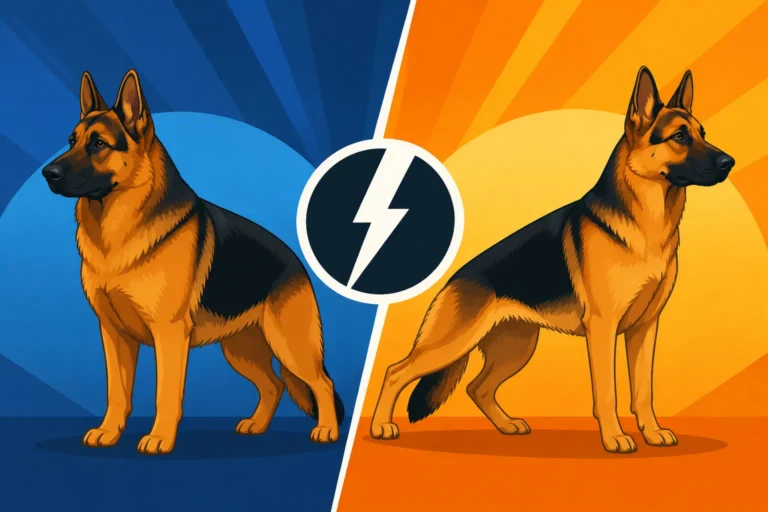
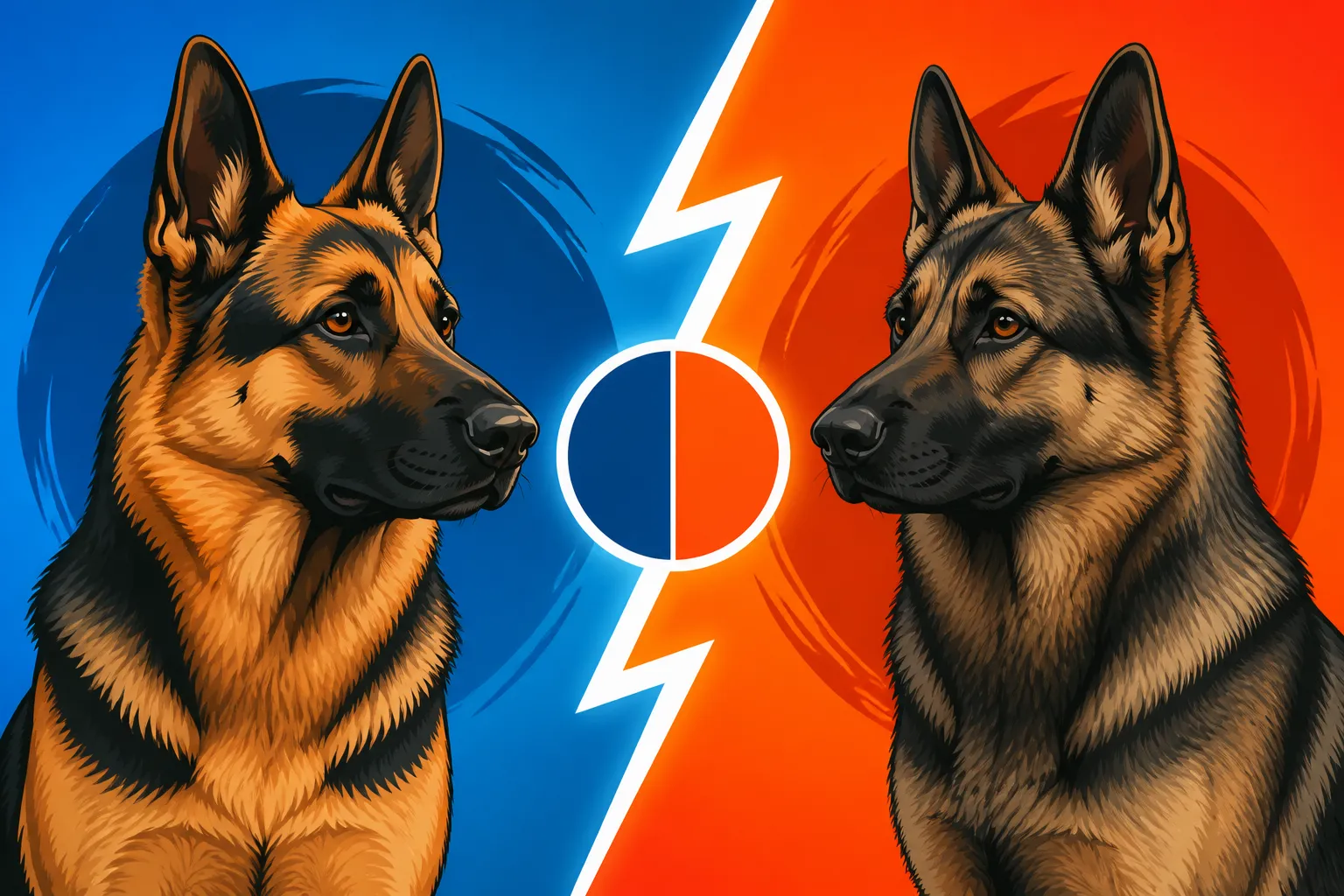
While their appearances are often quite similar – robust, strong, with straighter backs – dedicated enthusiasts might spot slight differences.
| Feature | DDR German Shepherd | Czech German Shepherd |
|---|---|---|
| Origin | East Germany (German Democratic Republic) | Czechoslovakia (Z Pohraniční stráže kennel) |
| Primary Purpose | Border patrol, military, police, general utility | Border patrol, military, police, advanced sport |
| Build | Heavier bone, robust, powerful, often stockier | Leaner, athletic, strong, often more agile |
| Back Structure | Straight back, less angulation | Straight back, less angulation |
| Coat Colors | Sable, black, bi-color most common | Sable (very prevalent), black, bi-color |
| Prey Drive | High, intense | Extremely high, often higher intensity |
| Defense Drive | Strong, natural protection | Very strong, highly responsive |
| Trainability | Excellent, requires consistent, firm handling | Exceptional, thrives on complex tasks, highly motivated |
| Nerve Strength | Extremely solid, fearless | Extremely solid, confident, unwavering |
| Resilience | Exceptional physical and mental hardiness | Exceptional physical and mental hardiness |
| Ideal Owner | Experienced, active, committed to consistent training and mental stimulation | Highly experienced, dedicated to advanced training, working dog environment |
While both share a profound working ethic, some claim Czech lines might have a slightly higher intensity and a more "on-edge" readiness compared to the often calmer, though equally formidable, presence of a DDR. This is a subtle difference, however, and individual dogs will always vary within these lines. Working Line German Shepherd Explained delves deeper into the general traits of working lines.
Suitability for Different Owners and Lifestyles
This is where the distinction truly matters for potential owners. Neither a Czech nor a DDR German Shepherd is an appropriate choice for a first-time dog owner or someone seeking a low-maintenance companion.
- For the Experienced Working Dog Enthusiast: If you're an experienced handler looking to engage in high-level dog sports like IGP (formerly Schutzhund), competitive obedience, search and rescue, or professional K9 work, both lines offer incredible potential. However, the Czech line might often be the preferred choice for those seeking maximum intensity and drive for competitive protection sports.
- For Active, Outdoorsy Individuals: If you have an active lifestyle, love hiking, running, or outdoor adventures, both lines can be fantastic partners. They have immense stamina and thrive on physical challenges. Just remember, physical exercise alone isn't enough; mental stimulation is equally vital.
- For Family Life (with caveats): While both are fiercely loyal to their families, their strong protective instincts and high drives mean they are not "easy" family pets. They require extensive socialization from a young age, consistent training, and firm boundaries. They need to understand their place in the family hierarchy. Families must be prepared to commit significant time and effort to integrate these dogs safely and happily. If considering a German Shepherd for family life, our article on Are German Shepherds Good Family Dogs might be helpful, but remember these working lines are an elevated commitment.
Ultimately, choosing between a Czech and a DDR German Shepherd boils down to your personal experience with high-drive dogs, your lifestyle, and the specific activities you envision sharing with your canine partner. Both are truly magnificent and capable dogs, but they demand a dedicated and knowledgeable owner.
Choosing the Right German Shepherd for Your Home
Deciding between a Czech and a DDR German Shepherd, or even a different German Shepherd line entirely, is a huge decision that shouldn't be taken lightly. It's about finding a lifelong partner whose needs align with what you can genuinely provide.
Assess Your Experience and Lifestyle
Before you even start looking at puppies, take a brutally honest inventory of your own experience and lifestyle.
- Dog Training Experience: Have you successfully trained high-drive breeds before? Do you understand the principles of positive reinforcement, clear communication, and leadership without force? Both Czech and DDR GSDs need an owner who is confident and consistent. They will test boundaries, and if you're not prepared, you could quickly be overwhelmed.
- Time Commitment: How much time can you realistically dedicate every single day to exercise, training, and mental enrichment? These aren't dogs you can leave in the backyard with a toy and expect them to be content. They crave interaction and purpose. Think about your daily schedule, not just weekends.
- Living Situation: Do you have ample space, preferably with a securely fenced yard? While they can adapt to apartment living with exceptionally diligent owners, a house with outdoor access is generally more suitable. Also consider your neighborhood; busy urban environments might be too overwhelming without significant early socialization for these naturally cautious dogs.
- Financial Resources: These are large, active dogs with potential health concerns common to the breed, such as German Shepherd Hip Dysplasia Explained and German Shepherd Elbow Dysplasia: Symptoms and Treatment. They require high-quality food, regular vet visits, and potentially expensive training or equipment. Cost of Owning a German Shepherd Per Year can give you a clearer picture. You can find excellent food and durable toys suitable for strong chewers on platforms like Chewy, which can help manage recurring costs.
Be realistic about what you can offer. If you're not an experienced working dog owner, or cannot commit to a substantial amount of time, a German Shepherd from a less intense line, or even a different breed, might be a more responsible choice.
Research Reputable Breeders
Once you've determined that a Czech or DDR German Shepherd aligns with your capabilities, the next crucial step is finding a reputable breeder. This is not just about getting papers; it's about ensuring you're getting a healthy, well-socialized puppy with stable genetics.
- Focus on Working Lines: Look for breeders who are actively involved in working dog sports (Schutzhund, IGP, KNPV) and breed specifically for working ability, health, and stable temperament. They should be able to clearly articulate their breeding goals and the lineage of their dogs.
- Health Clearances: A reputable breeder will always provide proof of health clearances for both parent dogs. This includes certifications for hips, elbows, and genetic tests for conditions like Degenerative Myelopathy in German Shepherds and Von Willebrand Disease. Don't settle for less; this is a non-negotiable part of responsible breeding.
- Transparency and Support: A good breeder will be transparent about their breeding practices, allow you to visit their facility (if possible, or at least show videos/photos), and be eager to answer all your questions. They should also ask you many questions to ensure their puppies are going to suitable homes. They should also offer lifelong support for their puppies and be a resource for you throughout your dog's life.
- Observe the Parents: If possible, observe the temperament of the parent dogs. Are they confident, calm, and responsive to their owner? This provides valuable insight into what you can expect from their offspring.
- Avoid Red Flags: Be wary of breeders who prioritize color over temperament or health, can't provide health clearances, have multiple litters simultaneously, or refuse to let you meet the puppy's parents. Our guide on German Shepherd Breeder Red Flags can help you spot potential issues.
A reputable breeder will not only provide a healthy puppy but also be a valuable mentor as you embark on your journey with a Czech or DDR German Shepherd. For instance, Chewy offers a range of high-quality foods that many working line breeders recommend for optimal nutrition and joint support in active dogs.
Prepare for Training and Socialization
Regardless of the specific line, bringing home a German Shepherd, especially a working line like a Czech or DDR, means immediately dedicating yourself to comprehensive training and socialization.
- Early Socialization is Key: From the moment your puppy comes home (after their initial vet check and vaccinations), expose them to a wide variety of sights, sounds, people, and safe environments. Enroll them in puppy classes and continue with advanced obedience. This helps them develop into confident, well-adjusted adults rather than fearful or overly reactive ones. Our article on How to Socialize a German Shepherd offers detailed steps.
- Consistent, Clear Training: These dogs thrive on structure and consistency. Establish rules and boundaries from day one and stick to them. Use positive reinforcement methods to build a strong bond and motivation. Be prepared to continue training throughout their lives; a well-trained working line GSD is a joy, an untrained one can be a handful. Consider investing in durable training equipment and treats, which are readily available on sites like Chewy.
- Mental Stimulation: Don't forget their incredible intelligence. Puzzle toys, scent games, advanced obedience drills, and teaching new tricks are all vital for keeping their minds engaged. A tired dog is often a well-behaved dog, and that includes mental fatigue. Best Mental Stimulation for German Shepherds has many ideas to keep them sharp.
- Professional Guidance: Don't hesitate to seek professional help from a qualified dog trainer or behaviorist experienced with working breeds. They can provide invaluable guidance and help you navigate any challenges that arise, ensuring both you and your German Shepherd succeed.
Embracing a Czech or DDR German Shepherd is a commitment to a lifestyle centered around partnership, purpose, and continuous engagement. With the right foundation and dedication, these dogs offer unparalleled loyalty, intelligence, and companionship.
Disclaimer
This article is for general informational purposes only and does not constitute professional advice. Laws, prices and regulations vary by location and change over time. Consult a qualified professional for guidance on your specific situation.