German Shepherd DM: Wheelchair and Care Options
Watching your beloved German Shepherd start to struggle with their hind legs due to Degenerative Myelopathy (DM) is heartbreaking, feeling like your active, loyal companion is slowly losing their independence. The good news is, there are many effective care options and mobility aids, like wheelchairs, available today that can dramatically improve their quality of life and keep them active longer. This comprehensive guide will walk you through understanding DM, making crucial decisions about mobility, and exploring practical care strategies.
Understanding Degenerative Myelopathy in German Shepherds
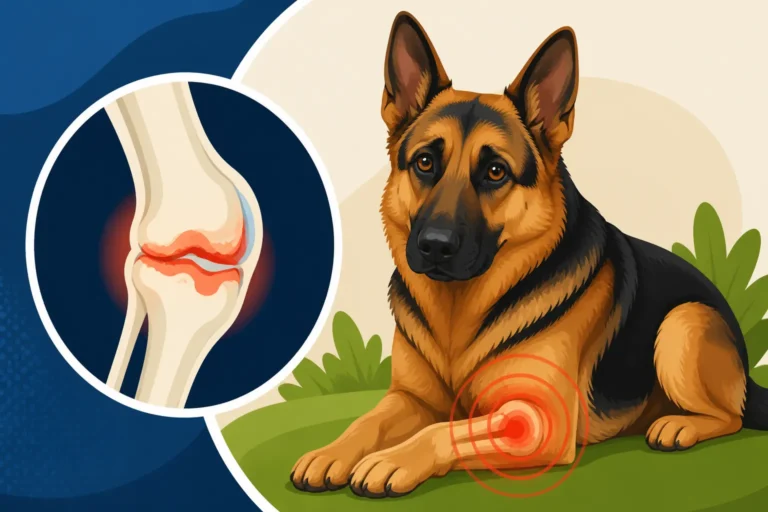
Degenerative Myelopathy, often abbreviated to DM, is a progressive neurological disease that affects the spinal cord in German Shepherds and other large breeds. It’s a cruel condition because it typically starts in the hindquarters, slowly robbing your dog of their ability to walk, while their mind remains completely sharp and engaged. Owners frequently express frustration, feeling helpless as their once vibrant dog begins to stumble, drag their paws, and eventually lose control of their legs. It’s not just a physical struggle; it’s an emotional one for the whole family, watching a dog who wants to run and play unable to do so.
What is Degenerative Myelopathy
At its core, DM is a neurodegenerative disease similar in some ways to amyotrophic lateral sclerosis (ALS) in humans. It involves the degeneration of the white matter in the spinal cord, which essentially means the “cables” that transmit signals between the brain and the limbs start to break down. This breakdown leads to a loss of coordination, weakness, and eventually paralysis, typically starting in the back legs. The disease is hereditary, and while a DNA test can identify if a German Shepherd is a carrier or at risk, not every dog with the genetic marker will develop the disease. However, the German Shepherd breed has a higher predisposition to DM, making it a critical concern for many owners. For a deeper dive into how this cruel disease impacts our furry friends, you might find our article on Degenerative Myelopathy in German Shepherds particularly helpful.
Progression and Symptoms to Watch For
The insidious nature of DM lies in its slow, often subtle onset. Initially, you might notice your German Shepherd dragging one or both of their back paws, leading to scuffed nails. They might have difficulty standing up after lying down, or wobble slightly when walking. Some owners report an altered gait, often described as “drunk walking,” where their dog sways or crosses their hind legs. As the disease progresses, the weakness becomes more pronounced, leading to difficulty climbing stairs, jumping into the car, or even maintaining balance. In its later stages, dogs will lose the ability to walk entirely and may experience incontinence. It’s truly heartbreaking to witness, and early detection, while not leading to a cure, can help you prepare for management strategies. Recognizing the First Signs of Degenerative Myelopathy can be crucial for beginning supportive care sooner rather than later.
Deciding on Wheelchair and Mobility Aids
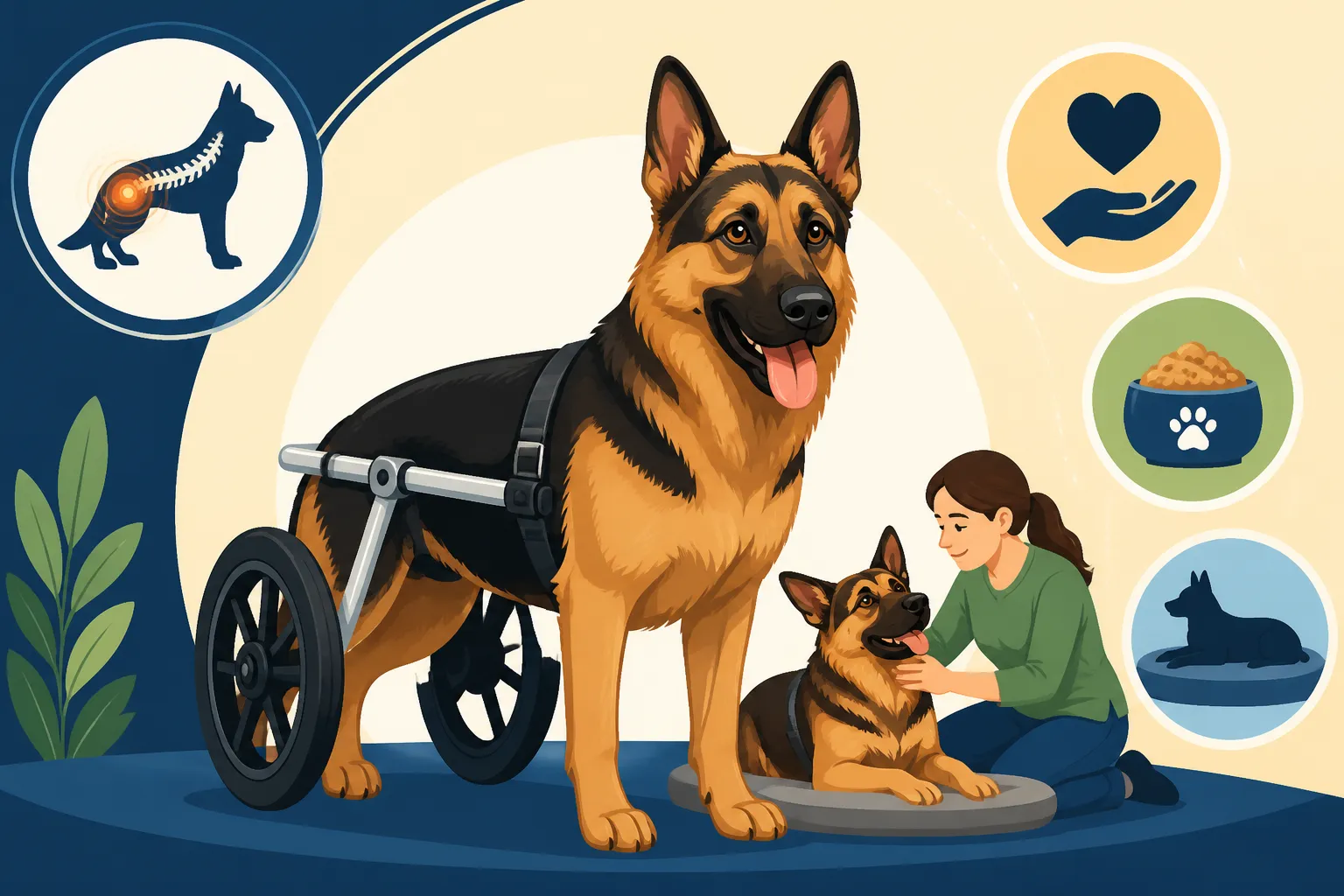
When your German Shepherd’s hind leg weakness progresses to a point where they struggle to walk on their own, the thought of a wheelchair can feel overwhelming. Many owners initially fear that a wheelchair signifies giving up or limiting their dog’s joy. However, in reality, it’s often the exact opposite. A well-fitted wheelchair can be a lifeline, restoring independence and allowing your dog to continue enjoying walks, playtime, and outdoor adventures that would otherwise be impossible. It’s about enhancing their life, not diminishing it.
Types of Mobility Aids for German Shepherds with DM
The market for canine mobility aids has exploded, offering a range of options beyond just traditional wheelchairs. The choice depends on the stage of DM, your dog’s size and temperament, and your specific needs.
- Rear-Support Wheelchairs: These are the most common and often the first choice for German Shepherds with DM. They support the hindquarters, allowing the dog to use their front legs for propulsion. They come with different frame styles and wheel sizes, and can be customized for optimal fit and comfort. Brands like Walkin' Wheels or K9 Carts are popular choices, offering sturdy designs built for larger breeds.
- Full-Support Wheelchairs: For more advanced cases where front limb weakness may also be present, or if your German Shepherd struggles significantly with balance, a full-support or "quad" wheelchair might be necessary. These provide support for all four legs, offering maximum stability.
- Support Harnesses and Slings: Before a wheelchair becomes essential, or for temporary support during walks, harnesses that lift the hindquarters can be incredibly useful. Brands like Help 'Em Up Harness or GingerLead offer designs specifically made for dogs with hind leg weakness. These allow you to assist your dog without straining your back and can be invaluable for short trips outside or navigating stairs.
- Booties and Paw Protectors: Since DM often causes dogs to drag their paws, protective booties are vital to prevent scrapes, sores, and infections on the top of their feet. They come in various materials and designs, and finding a durable, comfortable pair that stays on can be a bit of a trial and error process.
The Wheelchair Fitting Process and Considerations
Getting a wheelchair for your German Shepherd isn’t a “one-size-fits-all” purchase from a shelf. It’s a process that requires careful measurement and consideration to ensure comfort, functionality, and safety. You’ll need to measure your dog’s height, length, and width precisely. Most reputable manufacturers provide detailed measuring guides, often including videos to walk you through it. Some even offer virtual consultations.
Consider these key factors:
- Weight Capacity and Durability: German Shepherds are large, powerful dogs. You need a wheelchair built to handle their size and strength, especially if they are still trying to push with their hind legs or are prone to sudden movements. A lightweight, yet sturdy, aluminum frame is often ideal.
- Adjustability: As DM progresses, your dog's posture and needs might change. A highly adjustable wheelchair will allow you to fine-tune the fit as needed, ensuring continued comfort and support. Look for options that allow adjustment of height, length, and angle.
- Terrain: Where will your dog primarily use the wheelchair? Larger, all-terrain wheels are excellent for outdoor adventures on grass or uneven paths, while smaller, indoor wheels are better for maneuvering around the house. Some models offer interchangeable wheels.
- Comfort and Safety: Padding, chest harnesses, and leg rings should be comfortable and prevent chafing. The wheelchair should allow your dog to relieve themselves without obstruction and should be easy to get in and out of.
- Cost: Wheelchairs can be a significant investment, ranging from a few hundred to over a thousand dollars, depending on customization and features. This is where pet insurance, like a policy from Healthy Paws, could potentially offer some relief, depending on your coverage for mobility aids and chronic conditions. It's always wise to check your specific policy details. For a deeper understanding of potential expenses, our guide on German Shepherd Vet Costs Per Year might be insightful.
Here’s a simplified comparison of common mobility aid types:
| Mobility Aid Type | Best For | Pros | Cons |
|---|---|---|---|
| Rear Wheelchair | Moderate to severe hind leg weakness/paralysis | Restores independence, maintains muscle in front legs, good for walks | Requires adaptation period, can be bulky indoors, initial cost |
| Full Support Wheelchair | Severe weakness in all four limbs | Maximum stability, allows for full mobility, highly supportive | Heaviest and bulkiest, more complex to put on/take off, highest cost |
| Rear Support Harness | Mild to moderate weakness, temporary support | Easy to use for short periods, good for stairs/car, affordable | Requires owner assistance, not for long-term independent mobility |
| Paw Protectors/Booties | Paw dragging, scuffing | Prevents injuries, inexpensive, easy to replace | Can fall off, some dogs dislike them, limited mobility benefit |
Comprehensive Care and Management Strategies
Living with a German Shepherd diagnosed with Degenerative Myelopathy requires a proactive and compassionate approach. It’s not just about managing the physical symptoms; it’s about maintaining their mental well-being and ensuring their quality of life remains high. This means adapting your home environment, exploring various therapies, and embracing a new routine focused on comfort and continued engagement.
At-Home Modifications for Easier Living
As DM progresses, simple tasks that your German Shepherd once took for granted become challenging, if not impossible. Making your home DM-friendly can drastically reduce frustration for both you and your dog.
- Non-Slip Surfaces: One of the biggest dangers for dogs with hind leg weakness is slippery floors. Hardwood, tile, or linoleum can be treacherous. Lay down runners, yoga mats, or carpet squares in high-traffic areas. Consider non-slip socks or paw grips if your dog tolerates them.
- Ramps and Steps: Eliminate stairs or make them accessible. Portable ramps for getting into and out of the car or for a few steps outside can be a game-changer. Indoor ramps for furniture access (if your dog still enjoys being on the couch or bed) can prevent accidents and maintain cherished routines.
- Elevated Food and Water Bowls: Bending down can become difficult. Elevated bowls can make meal times more comfortable and reduce strain on their neck and back.
- Easy Access to Outdoors: Consider creating a small, enclosed outdoor potty area with easy access, especially if your dog has trouble holding their bladder or bowel movements. Potty pads indoors may also become a necessity.
- Comfortable Bedding: Orthopedic beds are a must for German Shepherds with DM. They provide superior support for joints and can prevent pressure sores, especially for dogs who spend more time lying down. Raised dog beds can also make it easier for them to stand up.
Rehabilitation and Supportive Therapies
While there is no cure for DM, various therapies can help slow its progression, maintain muscle mass, and improve comfort. Consult with your veterinarian and a certified canine rehabilitation specialist to create a tailored plan.
- Physical Therapy: This is paramount. A rehabilitation vet can guide you through exercises designed to strengthen core muscles, maintain range of motion, and improve balance. These might include passive range of motion exercises, therapeutic exercises with balance balls, controlled leash walks, and underwater treadmill sessions. The underwater treadmill is particularly beneficial as it reduces weight-bearing stress on joints while allowing for active movement.
- Acupuncture: Many owners report positive results with acupuncture, which can help with pain management, inflammation, and nerve function. It’s a non-invasive therapy that can complement conventional treatments.
- Supplements: Certain supplements are often recommended to support neurological health and reduce inflammation. Omega-3 fatty acids, B vitamins, antioxidants (like Vitamin E and C), and N-acetylcysteine (NAC) are commonly suggested. Always discuss supplements with your vet before introducing them, as some can interact with other medications. Learning about German Shepherd Joint Health Supplements can be a great starting point, even though DM primarily affects nerves, joint support is often beneficial for overall comfort.
- Laser Therapy (Photobiomodulation): This therapy uses specific wavelengths of light to stimulate cellular repair, reduce inflammation, and alleviate pain. It’s often used to manage symptoms and promote healing in DM patients.
- Massage: Gentle massage can improve circulation, reduce muscle stiffness, and provide comfort. Learning basic techniques from a professional can empower you to provide daily relief at home.
Managing Incontinence and Hygiene
As DM progresses, dogs can lose control of their bladder and bowels. This is a common and challenging aspect of care, but manageable with the right tools and routine.
- Doggy Diapers and Wraps: Reusable or disposable dog diapers can be essential for managing urinary and fecal incontinence indoors. Make sure they fit well to prevent leaks and chafing. Male wraps are available for urinary incontinence in male dogs.
- Frequent Potty Breaks: Even with diapers, regular opportunities to relieve themselves outdoors are crucial to prevent skin irritation and infections.
- Hygiene and Cleaning: Keep your German Shepherd clean and dry, especially around their hindquarters. Daily cleaning with pet-safe wipes or gentle bathing of affected areas can prevent urine scald and skin infections. Keep their fur trimmed short in these areas to make cleaning easier.
- Bedding Changes: Ensure their bedding is kept clean and dry. Waterproof mattress covers for their dog bed and washable blankets can make this easier. It’s a lot of laundry, but vital for comfort and health.
Maintaining Quality of Life and Emotional Well-being
Beyond the physical challenges, the emotional toll of DM on both the German Shepherd and their family is immense. Your dog’s mental state is just as important as their physical comfort. German Shepherds are intelligent, sensitive, and deeply bonded to their families. Ensuring their continued happiness and mental stimulation is a cornerstone of DM care. It’s a journey, not a sprint, and maintaining a good quality of life is the ultimate goal. For more general advice on navigating the later years, our German Shepherd Senior Care Guide provides many valuable insights applicable here.
Enrichment and Mental Stimulation
Even if your German Shepherd can no longer chase a ball across the park, their minds are still sharp and active. Providing mental enrichment is crucial to prevent boredom, depression, and anxiety.
- Puzzle Toys and Treat Dispensers: These toys require your dog to use their problem-solving skills to get a reward. Kongs stuffed with frozen treats, snuffle mats, or interactive puzzle feeders can keep them engaged for extended periods.
- Scent Games: German Shepherds have an incredible sense of smell. Hide treats or their favorite toys around the house (in easily accessible spots) and encourage them to find them. This is a fantastic low-impact activity that taps into their natural instincts.
- Short Training Sessions: Revisit basic commands like "sit," "stay," or "down," adapting them as needed. Even just a few minutes of positive reinforcement training each day can boost their confidence and strengthen your bond. If they enjoy it, teach them new, simple tricks that don't require extensive movement.
- Social Interaction: Continue to involve them in family activities. They still love being near you, getting cuddles, and watching the world go by. Position their bed in the living room or wherever the family gathers.
Support Systems for Owners
Caring for a German Shepherd with DM is demanding, both physically and emotionally. It’s perfectly normal to feel overwhelmed, sad, or exhausted. Remember, you’re not alone, and seeking support is a sign of strength, not weakness.
- Veterinary Team: Maintain open communication with your vet. They are your primary resource for medical advice, pain management, and referrals to specialists. Don't hesitate to ask questions or express your concerns.
- Online Communities and Support Groups: Many online forums and social media groups are dedicated to owners of dogs with DM. Connecting with others who understand your struggles and triumphs can provide invaluable emotional support, practical tips, and a sense of community. Sharing experiences, from the challenges of How Fast Does Degenerative Myelopathy Progress to the small daily victories, can be incredibly validating.
- Friends and Family: Lean on your support network. Allow friends and family to help with small tasks, whether it's walking your dog, running errands, or simply listening when you need to talk.
- Pet Sitters/Walkers: If you need a break or have to be away, consider hiring a pet sitter or dog walker experienced with special needs dogs. They can ensure your German Shepherd maintains their routine and receives the necessary care.
- Pet Insurance: The financial strain of ongoing care for a chronic condition like DM can be substantial. Having pet insurance, especially a comprehensive plan from a provider like Healthy Paws, can help alleviate some of the burden by covering a significant portion of vet bills, therapies, and potentially even mobility aids. It’s definitely worth investigating if you haven't already. Learning more about Is Pet Insurance Worth It for a German Shepherd could help you plan ahead.
When to Consider End-of-Life Care
This is, perhaps, the hardest conversation any pet owner faces. As DM progresses, there may come a point where, despite all your efforts, your German Shepherd’s quality of life diminishes significantly. This decision is deeply personal and should be made with careful consideration of your dog’s comfort, happiness, and dignity.
- Assess Quality of Life: Work with your vet to assess your dog's daily quality of life. Consider their pain levels, appetite, hydration, ability to relieve themselves comfortably, and their engagement with you and their environment. Are there more bad days than good? Is their enjoyment of life consistently present, even in small ways?
- Open Communication with Your Vet: Your vet can help you understand what your dog is experiencing and what to expect in the coming stages. They can provide guidance and support without making the decision for you.
- Focus on Their Needs: It’s natural to want to keep our beloved companions with us for as long as possible, but true love sometimes means making the selfless choice to prevent prolonged suffering. This painful decision, guided by compassion, is often the final act of love we can give them.
Disclaimer
Please remember that the information provided in this article is for educational and informational purposes only and does not constitute medical advice. Always consult with a qualified veterinarian or animal health professional for any health concerns or before making any decisions related to your German Shepherd’s care, diet, or treatment. Each dog is unique, and what works for one may not work for another.