German Shepherd Separation Anxiety Solutions
Many German Shepherd owners face the heartbreaking reality of coming home to a destroyed house, incessant barking complaints, or a dog showing clear signs of distress after being left alone. This isn't naughtiness; it's often separation anxiety, a genuine panic disorder that can be incredibly distressing for both your loyal companion and your household. This comprehensive guide aims to shed light on this challenging condition, helping you understand its roots, recognize its signs, and implement practical, empathetic solutions to bring peace back to your home.
Understanding German Shepherd Separation Anxiety
Separation anxiety in German Shepherds, or any dog for that matter, isn't simply about missing you a little. It's a profound psychological distress that can manifest as full-blown panic when they are left alone. Imagine having an intense fear of heights, but then being forced to stand on the edge of a skyscraper with no safety net—that's a bit like what a dog with severe separation anxiety experiences every time you walk out the door. It’s not a behavioral issue born of spite or disobedience; it's an emotional one rooted in a genuine inability to cope with isolation.
What Exactly Causes This Distress?
The causes of separation anxiety are complex and often multifaceted, making it a frustrating challenge for owners. For German Shepherds, with their inherent protective nature and strong desire to be near their people, this bond can sometimes tip into unhealthy dependency. One primary factor is a dog's genetic predisposition; while not fully understood, some lines or individual dogs may be more prone to anxiety disorders. Environmental factors also play a huge role. Dogs adopted from shelters, especially those with a history of abandonment or frequent rehoming, might develop a deep-seated fear of being left again. A dog that has experienced trauma, such as being left alone for too long in a scary situation (a loud thunderstorm or fireworks), can also develop separation anxiety.
It’s crucial to understand that this condition is almost never the owner's "fault." You haven't coddled your dog too much or created a monster. It's an anxiety disorder that requires immense patience, understanding, and a structured approach to overcome. A German Shepherd's temperament and personality often include a deep loyalty and a strong desire to work alongside their human, which can sometimes make being left alone particularly jarring for them. The goal is to gently guide them towards self-assurance and independence, rather than inadvertently reinforcing their dependence.
Common Triggers and Contributing Factors
Beyond underlying predispositions, specific events or ongoing situations can act as direct triggers for separation anxiety. A major change in household routine is a very common culprit. Perhaps you've started a new job with longer hours, your children have gone back to school, or you've moved to a new home. Any significant shift in the daily schedule can disrupt your German Shepherd's sense of security and predictability, leading to anxiety. Even seemingly positive changes, like getting a new pet or a new baby, can inadvertently shift attention away from the dog, causing them to feel insecure.
Another significant contributing factor, especially for active breeds like German Shepherds, is a lack of sufficient physical and mental stimulation. These intelligent, high-energy dogs need an outlet for their instincts and brainpower. A German Shepherd left alone with pent-up energy and a bored mind is a prime candidate for destructive behaviors that might be misinterpreted as separation anxiety. While true separation anxiety is a panic response, inadequate exercise and mental enrichment certainly exacerbate it. For more insights on this, you might find our guide on German Shepherd Exercise Requirements and Best Mental Stimulation for German Shepherds incredibly helpful. These elements are foundational to a well-adjusted German Shepherd, regardless of anxiety levels.
Identifying the Symptoms: Is It Really Separation Anxiety?
Recognizing true separation anxiety can be tricky because some of its manifestations, like chewing or barking, can also be signs of other, less serious issues. The key lies in when these behaviors occur and their intensity. It's not just about what your dog does, but why they do it.
The Behavioral Signs to Watch For
When a German Shepherd suffers from separation anxiety, their distress signals are typically intense and begin before or immediately after you leave. One of the most common signs is destructive chewing, often focused on exit points like doors, windows, or gates, as they desperately try to escape and find you. You might come home to a shredded door frame or a deeply gnawed windowsill. Other common targets include furniture, shoes, or personal items that smell like you.
Inappropriate urination and defecation are also classic symptoms, even in a perfectly house-trained dog. This isn't spite; it's an involuntary physical manifestation of extreme stress, akin to a human having a panic attack. Excessive barking, howling, or whining, often sustained for long periods, is another tell-tale sign, much to the chagrin of your neighbors. You might also observe pacing, repetitive circling, profuse salivation (drooling), or even self-harm, such as excessive licking or chewing of paws, leading to hot spots or raw skin. A good indicator is the frantic, overly enthusiastic greeting upon your return, as if they haven't seen you in years, even if you were only gone for an hour.
Differentiating from Other Issues
It's vital to distinguish true separation anxiety from other behavioral challenges because the solutions are entirely different.
Boredom or Lack of Training: A young, energetic German Shepherd, especially a puppy, with ample energy and a lack of proper training, might chew furniture or bark simply out of boredom or a need for an outlet. They might also get into mischief if they haven't learned boundaries. If your dog exhibits these behaviors inconsistently, or only after several hours of being alone (implying the initial panic has subsided and boredom has set in), it might be more about managing their energy and providing mental stimulation. Many of these common issues are covered in our broader guide on German Shepherd Behavior Problems and Solutions.
Incomplete House Training: If your German Shepherd puppy is still having accidents inside, it could simply be that their house training isn't fully solidified, or they can't hold it for extended periods. This is different from a previously house-trained adult dog suddenly having accidents only when left alone. Consulting our German Shepherd Puppy Training Guide can offer valuable insights into proper house training techniques.
Noise Phobias: Some dogs react to external stimuli like thunder, fireworks, or construction noise with fear or anxiety. If your dog's destructive behavior or vocalizations only occur during these events, it's likely a noise phobia rather than separation anxiety.
How to Distinguish: The best way to truly differentiate is to record your dog's behavior when you're gone. You don't need expensive equipment; a simple, affordable pet camera purchased from Amazon that connects to your phone can give you invaluable insights. If the distress behaviors—pacing, panting, barking, destruction—start within minutes of your departure and are continuous, it points strongly to separation anxiety. If the behaviors are sporadic, or they settle down quickly only to get into trouble later, it might be boredom or curiosity.
Addressing Mild Separation Anxiety: Initial Strategies
For German Shepherds exhibiting milder forms of separation anxiety, or for puppies just starting to show signs of distress when left alone, several foundational strategies can make a significant difference. The goal is to build their confidence and teach them that being alone is a neutral, or even positive, experience.
The Power of Crate Training Done Right
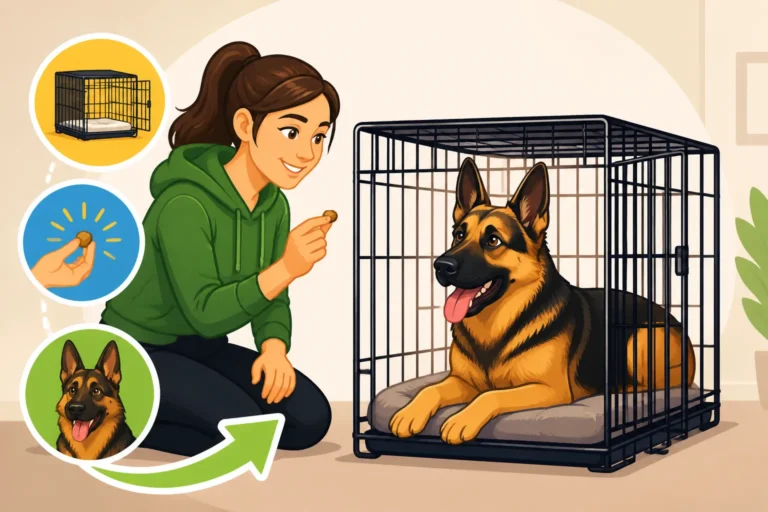
A common misconception is that crating a dog with separation anxiety is cruel, essentially locking them in their panic. However, when introduced and utilized correctly, a crate can be a powerful tool to manage and even alleviate mild separation anxiety in your German Shepherd. For many dogs, a crate isn't a jail; it's a den – a safe, secure, and comfortable retreat where they can feel protected. It gives them a defined personal space, which can be incredibly reassuring when they feel vulnerable.
The key is positive association. Never use the crate as punishment. Instead, make it an inviting haven. Introduce it gradually, feeding meals inside, tossing treats in, and providing highly desirable chew toys that they only get when in the crate. Start with very short periods, with you still in the room, slowly building up the time they spend comfortably inside. The crate should be just large enough for them to stand up, turn around, and lie down comfortably. For a detailed, step-by-step approach, refer to our guide on How to Crate Train a German Shepherd. A comfortable bed, a familiar blanket, and a safe, durable chew toy (perhaps from a brand like KONG, easily found on Amazon) can enhance their feeling of security within the crate.
Gradual Departures and Desensitization
One of the most effective strategies involves systematically desensitizing your German Shepherd to your departure cues and the act of being left alone. Dogs are highly perceptive and pick up on pre-departure routines: grabbing your keys, putting on your coat, picking up your bag. For an anxious dog, these become triggers, signaling impending doom. The goal is to break these associations.
Start by performing your departure rituals without actually leaving. Pick up your keys, walk to the door, then sit back down. Put on your coat, then go make a cup of coffee. Repeat these actions many times throughout the day, randomly, until they no longer elicit an anxious response from your dog. Once your dog is indifferent to your departure cues, begin actual departures, but for incredibly short durations. Step outside, close the door, and immediately come back in. If your dog remained calm, praise softly and return to normal activity (no excited greetings). If they showed signs of distress, you've gone too far too fast, and need to backtrack to an easier step. Gradually increase the time you're gone by mere seconds or a minute at a time, only progressing when your dog remains calm at the previous duration. This painstaking process requires immense patience but slowly teaches your German Shepherd that your departure is not a cause for panic and that you always return.
Enrichment and Adequate Exercise
As mentioned earlier, a German Shepherd with unmet physical and mental needs is a recipe for trouble, often exacerbating or mimicking anxiety. Addressing these needs is a critical component of any separation anxiety solution. Before you leave for an extended period, ensure your German Shepherd has had ample physical exercise. A brisk, long walk, a vigorous game of fetch, or a run in a secure area can help burn off excess energy, leaving them more likely to rest when you're gone.
Beyond physical activity, mental stimulation is paramount for this intelligent breed. Puzzle toys, like those you can find on Amazon, that dispense treats, or KONGs stuffed with frozen peanut butter or wet food, can keep your dog engrossed and mentally engaged for a significant time. Snuffle mats, where they have to "hunt" for their kibble, are also excellent. The mental effort involved in solving these puzzles is surprisingly tiring and helps them associate your absence with a rewarding activity. Consider rotating these enrichment toys so they stay novel and exciting. If your absences are long, consider hiring a trusted dog walker or asking a friend or neighbor to stop by for a potty break and some interaction. This breaks up the isolation and provides crucial social contact, especially for a breed like the German Shepherd that thrives on companionship and purpose.
Managing Moderate to Severe Separation Anxiety: Advanced Techniques
When mild strategies aren't enough, or when your German Shepherd's anxiety is severe and debilitating, more advanced techniques become necessary. These often require a deeper commitment, consistent application, and sometimes, veterinary intervention.
Desensitization and Counter-Conditioning in Practice
For moderate to severe separation anxiety, the core behavioral modification techniques are desensitization and counter-conditioning. These are complex processes that aim to fundamentally change your dog's emotional response from panic to calm or even positive anticipation.
Desensitization means gradually exposing your dog to the situation that causes anxiety (being alone) at such a low intensity that they don't experience a fear response. This often means starting with you simply stepping behind a door for a second, then returning. You build up incredibly slowly, minute by minute, day by day, never pushing your dog past the point where they show signs of stress. If they start to pant, pace, or vocalize, you've gone too far, and you need to retreat to a shorter duration where they were comfortable. This process might involve leaving for only five seconds, then ten, then twenty, and so on, over weeks or even months. Consistency is key, and every successful calm departure, no matter how brief, is a step forward.
Counter-Conditioning works hand-in-hand with desensitization. It involves pairing the "scary" situation (your absence) with something highly positive and rewarding. This often means providing a high-value, long-lasting treat or a favorite puzzle toy only when you leave. For instance, a stuffed KONG that takes 20-30 minutes to empty can be given right as you depart. The idea is to change your German Shepherd's emotional association: instead of "owner leaving equals panic," it becomes "owner leaving equals delicious treat time." This can help shift their internal state from fear to mild enjoyment or at least tolerable distraction. Remember, these treats should be exclusive to your departure times to maximize their positive association.
The Role of Calming Aids and Medication
For dogs struggling with intense anxiety, behavioral modification alone can be extremely difficult because their anxiety levels prevent them from learning. In these cases, calming aids and, if necessary, prescription medication can be invaluable tools to lower their overall stress levels, making them more receptive to training.
Calming Aids: Several non-prescription calming aids are available. Pheromone diffusers, like Adaptil, release synthetic versions of the dog appeasing pheromone (DAP), which is naturally produced by mother dogs to calm their puppies. These can create a more serene environment. Calming chews containing ingredients like L-tryptophan, melatonin, or hemp extracts can help reduce anxiety in some dogs. Additionally, compression garments like Thundershirts apply gentle, constant pressure, similar to swaddling a baby, which can have a calming effect on many dogs. These products are widely available at pet stores and online retailers like Amazon.
Prescription Medication: For severe separation anxiety, where the dog is in constant distress and behavioral modification isn't progressing, your veterinarian might recommend anti-anxiety medication. It's crucial to understand that medication is not a "magic bullet" or a substitute for training. Instead, it acts as a crutch, lowering the dog's anxiety threshold enough to enable them to learn new coping mechanisms through desensitization and counter-conditioning. Medication can break the cycle of panic, allowing the dog's brain to form new, positive associations. Your vet will assess your German Shepherd's health, discuss potential side effects, and prescribe the most appropriate medication. They can also explain the potential costs involved, as discussed in our article German Shepherd Vet Costs Per Year. It's always a discussion between you and your vet to ensure the best outcome for your dog's well-being.
Long-Term Prevention and Lifestyle Adjustments
Successfully managing separation anxiety isn't just about quick fixes; it's about integrating supportive strategies into your German Shepherd's daily life. A holistic approach that addresses their physical, mental, and emotional needs is key for long-term well-being and preventing relapse.
Establishing a Predictable Routine
German Shepherds are creatures of habit and thrive on predictability. A consistent daily routine provides a strong sense of security and reduces uncertainty, which can be a major anxiety trigger. This means having set times for feeding, walks, potty breaks, playtime, and training sessions. When your dog knows what to expect and when, it helps them feel more in control of their environment, even when you're not physically present. For example, knowing that a long walk always happens first thing in the morning, followed by breakfast, creates a comforting rhythm to their day.
While routine is good, it's also important to build in a little flexibility to prevent your dog from becoming too reliant on exact timings. Occasionally leaving five minutes earlier or later, or varying the order of your morning routine slightly, can help prevent your German Shepherd from becoming overly anxious if a deviation occurs. Additionally, encourage independent play, even when you're home. Give them a special chew toy or puzzle and let them enjoy it alone in their crate or bed for a while. This teaches them to be comfortable and content with their own company, building resilience for when you are truly absent.
Continued Training and Mental Stimulation
A well-trained German Shepherd is often a more confident and resilient dog, and this confidence can directly counter anxiety. Ongoing obedience training, even simple commands, strengthens your bond and provides your dog with a sense of purpose and structure. Regularly practicing commands like 'sit,' 'stay,' and 'down,' or engaging in more advanced activities like scent work or agility, stimulates their intelligent minds. This mental workout can be just as tiring, if not more so, than physical exercise, leaving them calmer and more inclined to rest when you're gone. Our How to Train a German Shepherd guide offers a wealth of techniques to keep your companion engaged.
Consider enrolling in online training courses or working with resources like BAXTER & Bella. Their comprehensive programs often include modules on building confidence and independent coping skills, which are invaluable for dogs prone to anxiety. Puzzle toys should remain a staple in your German Shepherd's routine. Rotate them regularly to maintain novelty, and try hiding treats around the house for them to "hunt" using their incredible noses. These activities not only burn mental energy but also associate positive experiences with being alone or finding things when you're not actively engaging with them.
The Importance of Physical Health and Nutrition
A dog's physical health and diet profoundly impact their mental well-being. An underlying medical issue, even a subtle one, can significantly contribute to anxiety or mimic its symptoms. Pain, discomfort, or certain chronic conditions can make a dog more irritable, fearful, or unable to settle. Regular veterinary check-ups are essential to rule out any medical causes for behavioral changes. This is part of a comprehensive German Shepherd Health Problems Guide that every owner should be aware of.
Ensure your German Shepherd is on a high-quality, balanced diet appropriate for their age, size, and activity level. Nutritional deficiencies or sensitivities to certain food ingredients can sometimes manifest as behavioral issues, including nervousness or hyperactivity. Some studies suggest that diets rich in certain amino acids, like tryptophan, can positively influence mood. Discuss your German Shepherd's diet with your vet, referencing guides like German Shepherd Diet by Age and Weight, to ensure they are receiving optimal nutrition. A healthy body provides a strong foundation for a healthy mind, making them better equipped to handle stressful situations like being left alone.
When to Seek Professional Help
While many mild cases of separation anxiety can be managed at home with consistent effort, there are times when professional intervention becomes not just helpful, but necessary. Recognizing when to call in the experts is a crucial part of responsible German Shepherd ownership.
Consulting Your Veterinarian First
Your very first step when you suspect separation anxiety should always be a visit to your veterinarian. They are your primary resource for ruling out any underlying medical conditions that could be causing or exacerbating your German Shepherd's symptoms. For instance, inappropriate urination might be a sign of a urinary tract infection, kidney disease, or even diabetes, rather than anxiety. Destructive chewing could be caused by dental pain or a gastrointestinal issue making them uncomfortable. Your vet can perform a thorough physical exam, blood work, and other diagnostic tests to ensure your dog's symptoms aren't physically rooted. This proactive approach helps avoid misdiagnosing a treatable medical condition as purely behavioral.
Beyond ruling out medical issues, your vet can also discuss the full spectrum of calming supplements and, if appropriate for severe cases, prescribe anti-anxiety medications. They can provide guidance on these options, explaining how they work, potential side effects, and how they integrate with behavioral modification techniques. They can also give you a realistic idea of the German Shepherd Vet Costs Per Year to help you plan for any necessary diagnostics or ongoing treatments. Your vet is a crucial partner in developing a comprehensive treatment plan that considers both your dog's physical and mental health.
Working with a Certified Professional Dog Trainer or Behaviorist
If medical causes have been ruled out or addressed, and your German Shepherd's separation anxiety remains severe despite your best efforts, it's time to seek the expertise of a certified professional dog trainer specializing in separation anxiety or a board-certified veterinary behaviorist. These professionals have the knowledge and experience to accurately diagnose the severity of the anxiety and develop a tailored, step-by-step modification plan.
A qualified professional will conduct a detailed assessment, often involving observing your German Shepherd's behavior (sometimes through video recordings you provide) and asking extensive questions about their history and your routine. They can identify subtle triggers you might be missing and guide you through the intricate processes of desensitization and counter-conditioning, ensuring you progress at a pace that keeps your dog below their anxiety threshold. They can offer crucial support, troubleshoot challenges, and adjust the plan as needed. Look for certifications from reputable organizations like the Certification Council for Professional Dog Trainers (CCPDT), the Karen Pryor Academy (KPA), or the American College of Veterinary Behaviorists (ACVB) for veterinary behaviorists. Many now offer remote consultations, making specialized help more accessible regardless of your location. Investing in professional guidance can dramatically improve your German Shepherd's quality of life and bring peace back to your home.
Comparative Table of Calming Solutions for German Shepherds
When tackling separation anxiety, various tools can complement behavioral training. Here's a quick comparison of some common calming solutions and their applications:
| Solution Type | Description & How It Works | Pros | Cons | Ideal for |
|---|---|---|---|---|
| Pheromone Diffusers | Releases synthetic dog appeasing pheromones (DAP), mimicking the calming pheromones a mother dog releases. Plugs into a wall outlet. | Easy to use, subtle, non-medicated, continuous release. Can impact overall household calm. | May not be effective for all dogs, takes several weeks to see full effect. | Mild anxiety, general calming, helping with environmental stressors. |
| Calming Chews/Supplements | Oral supplements with ingredients like L-tryptophan, melatonin, valerian root, or hemp extracts that promote relaxation. | Easy to administer, often palatable, can be given on an "as needed" basis. | Effectiveness varies widely between dogs, potential for drowsiness, quality/potency varies by brand. | Mild to moderate anxiety, situational stress (e.g., vet visits, thunderstorms). |
| Thundershirts/Compression Wraps | Applies gentle, constant pressure around the dog's torso, similar to swaddling an infant, aiming to create a sense of security. | Drug-free, relatively immediate effect for responsive dogs, easy to put on. | Not effective for all dogs, can be warm in summer, some dogs may try to chew it off. | Storm/noise phobias, travel anxiety, very mild separation anxiety. |
| Prescription Medication | Anti-anxiety medications (e.g., SSRIs, tricyclic antidepressants) prescribed by a veterinarian to alter brain chemistry. | Highly effective for severe anxiety, lowers overall stress, enables behavioral modification. | Requires vet consultation and monitoring, potential side effects, often takes weeks to reach full efficacy. | Severe, debilitating separation anxiety, when behavioral therapy alone is insufficient. |
| Environmental Enrichment | Providing puzzle toys, interactive feeders, chews, and appropriate exercise (mental & physical). | Addresses underlying boredom/energy, promotes independent problem-solving, can be highly engaging. | Requires owner preparation and commitment, not a direct anxiety treatment but a preventative/supportive measure. | All levels of anxiety, crucial for preventing boredom-related issues, complements other treatments. |
Disclaimer
The information provided in this article is for general informational purposes only and is not intended as a substitute for professional veterinary advice, diagnosis, or treatment. Always seek the advice of your veterinarian or other qualified animal health provider with any questions you may have regarding a medical condition or behavioral issue. Never disregard professional veterinary advice or delay in seeking it because of something you have read in this article.