How to Stop German Shepherd Fearfulness
It’s truly heartbreaking to watch your magnificent German Shepherd shrink away, tremble, or even snap out of fear. You see their potential for loyalty and bravery, but fear can transform them, leaving you feeling helpless and frustrated. This guide is here to tell you that you're not alone, and there are tangible, empathetic ways to help your fearful German Shepherd reclaim their confidence and live a more joyful, secure life.
Understanding German Shepherd Fearfulness: The Root Causes and Manifestations
When your German Shepherd displays fear, it’s not an act of defiance or a lack of courage; it’s a deep-seated emotional response that needs compassionate understanding. Unpacking why they might be fearful is the first critical step in addressing the behavior effectively.
Unraveling the Whys Behind Their Worries
Fear in German Shepherds, much like in people, can stem from a variety of sources. Sometimes, it’s genetic. You might have a pup from a line that is predisposed to anxiety or shyness, something entirely out of your control. Other times, it’s a direct result of inadequate or negative early experiences. A lack of proper socialization during their critical puppyhood can leave them feeling overwhelmed and uncertain by the world around them. Imagine a young German Shepherd puppy, denied exposure to different sounds, sights, people, or other friendly dogs. When they finally encounter these things as adults, they lack the mental framework to process them safely, leading to fear. Trauma, even seemingly minor incidents like a startling noise or an unpleasant vet visit, can also leave lasting imprints. It’s also crucial to remember that sometimes, what appears to be fear can actually be rooted in an underlying medical condition causing discomfort or pain, making the dog more irritable and prone to reactive behaviors.
Recognizing the Many Faces of Fear
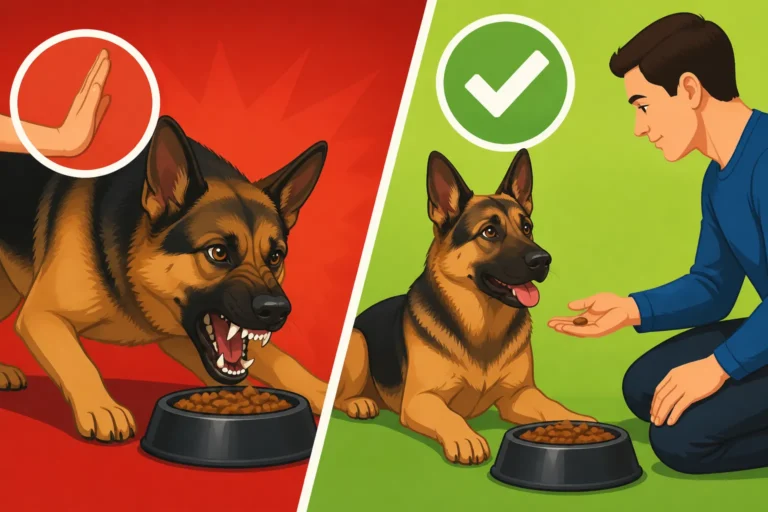
A fearful German Shepherd won't always present with obvious signs like cowering or shaking, though those are certainly common. Fear can manifest in a spectrum of ways, some quite subtle, and others surprisingly overt, even mistaken for aggression. You might notice your dog tucking their tail tightly, pinning their ears back, or avoiding eye contact. They might yawn excessively, lick their lips constantly, or pant even when not hot. Subtle signs also include a stiff body posture, dilated pupils, or a sudden change in their gait, perhaps moving more slowly or trying to squeeze into small spaces. On the more overt end, fear can lead to excessive barking, growling, lunging, or even biting. It’s a common misconception that an aggressive dog is a confident one; often, these aggressive displays are a desperate attempt by a fearful dog to create distance from something they perceive as a threat. They are trying to make the scary thing go away. Understanding these nuances is crucial for early intervention.
The German Shepherd Disposition and Fear
German Shepherds are renowned for their intelligence, loyalty, and often, a reserved nature with strangers. This inherent wariness can sometimes be misread as fear, but it's important to distinguish between healthy caution and true anxiety. However, this natural protectiveness and serious demeanor can also amplify fear when it does take root. A German Shepherd who isn't confident in handling new situations might lean into their protective instincts out of insecurity, leading to fear-based reactivity. Their large size and imposing presence can also work against them; people might react nervously to their barking or lunging, reinforcing the dog’s belief that the world is indeed a scary place. It’s a complex interplay of genetics, early life experiences, and the dog’s unique personality. To dive deeper into their core traits, you might find our guide on German Shepherd Temperament and Personality really helpful in understanding your specific dog.
Creating a Sanctuary: Building a Safe and Predictable Environment
One of the most profound things you can do for a fearful German Shepherd is to create an environment where they feel inherently safe, secure, and understood. This means more than just a roof over their head; it means a deliberate effort to build a haven of predictability and comfort.
The Home as a Haven: Safe Spaces and Routine
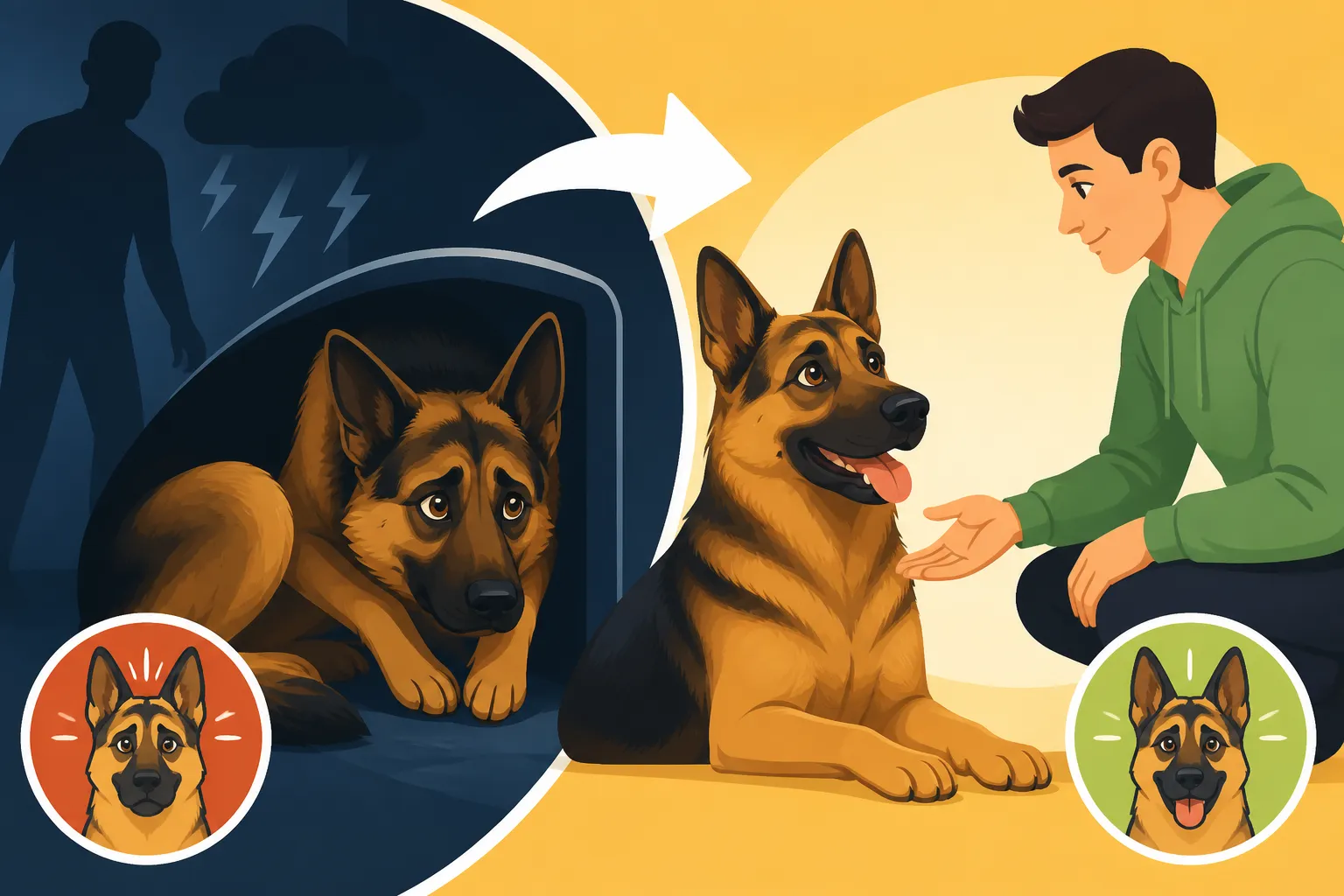
Your home should be your German Shepherd’s ultimate refuge. This starts with creating designated safe spaces where they can retreat when feeling overwhelmed. A crate, properly introduced and made comfortable with soft bedding and perhaps a chew toy, can become their den. Alternatively, a quiet room with a closed door, away from household hustle and bustle, can serve the same purpose. The key is that this space is always available and associated only with positive experiences and peace. Consistency in daily routine is equally vital. Dogs thrive on predictability, and for a fearful dog, a predictable schedule acts like a soothing balm. Knowing when to expect meals, walks, playtime, and quiet time reduces anxiety because they don't have to constantly anticipate the unknown. A consistent German Shepherd Feeding Guide can also contribute to this sense of order and security.
The Power of Predictability and Minimizing Triggers
Beyond daily schedules, striving for predictability in interactions and managing the sensory environment can significantly reduce a fearful dog's stress. If your dog is startled by sudden loud noises, consider investing in soundproofing solutions, or play calming music to mask external sounds. If visitors are a major trigger, develop a clear, consistent protocol for their arrival, perhaps initially having your dog in their safe space before gradual, controlled introductions. Identifying your dog's specific triggers is paramount. Is it men with hats? Children on bikes? The vacuum cleaner? Once you know, you can consciously minimize their exposure to these intense triggers while you work on desensitization. Remember, the goal isn't to shield them forever but to reduce overwhelming experiences while building their coping skills.
Equipping Your Home for Comfort and Calm
There are several tools and products that can aid in creating a more calming environment. Calming pheromone diffusers, like those from Adaptil, can release synthetic pheromones that mimic a mother dog's calming scent, helping to reduce anxiety in some dogs. Compression garments, such as ThunderShirts, can provide gentle, constant pressure that has a calming effect similar to swaddling a baby. You can find many of these items easily on platforms like Amazon, making it convenient to experiment and find what works best for your specific dog. Additionally, providing high-quality, durable chew toys or puzzle feeders can redirect nervous energy and offer a constructive outlet for stress. For puppies, establishing a solid foundation with tools and techniques mentioned in a German Shepherd Puppy Training Guide can prevent fear from taking deep root later on.
Empowering Your German Shepherd: Practical Training Strategies
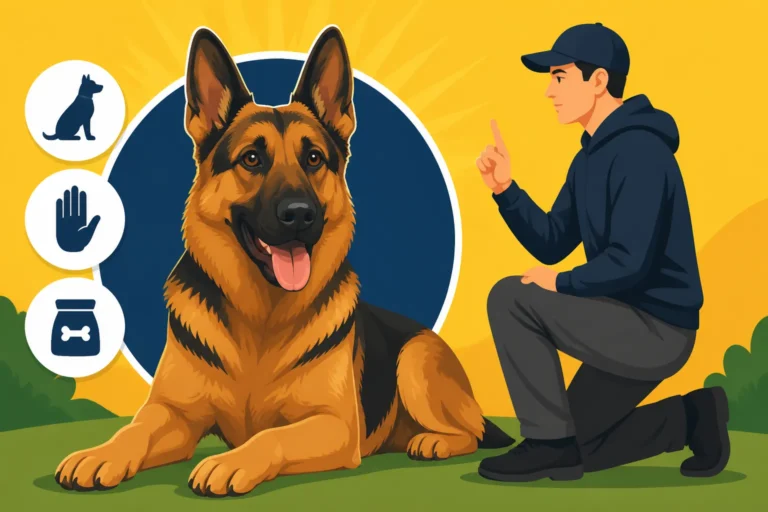
Training a fearful German Shepherd isn't about forcing them to "get over it." It's about empowering them with skills, building their confidence, and fundamentally changing their emotional association with things that scare them. This requires patience, consistency, and a deep commitment to positive reinforcement.
The Foundation of Trust: Positive Reinforcement Only
When dealing with fear, positive reinforcement isn't just a preferred method; it's the only effective and ethical approach. Fear is an emotion, and you cannot punish an emotion away. Using harsh corrections, yelling, or physical punishment will only confirm your German Shepherd’s belief that the world, and even you, are unpredictable and scary. This can severely damage your bond and exacerbate their fear, potentially leading to increased reactivity or even learned helplessness. Instead, every interaction should build trust. Reward desired behaviors generously with high-value treats, praise, and gentle affection. Celebrate small victories, like looking at a trigger without reacting, or choosing to approach something they once avoided. This approach is fundamental to all aspects of German Shepherd Obedience Training Basics, especially when fear is involved.
Desensitization and Counter-Conditioning: Reshaping Responses
These two techniques are the cornerstone of helping a fearful dog. Desensitization means gradually exposing your German Shepherd to a trigger at such a low intensity that they don't react fearfully. Counter-conditioning means changing their emotional response from negative to positive. You pair the low-intensity trigger with something incredibly rewarding, like their absolute favorite treat or game.
Let's say your German Shepherd is afraid of the vacuum cleaner.
- Desensitization: Start by having the vacuum in a different room, out of sight, then turn it on for just a second. If your dog doesn't react negatively, great! If they do, you've gone too fast.
- Counter-Conditioning: As soon as the vacuum turns on (even for that split second, far away), immediately give your dog a super tasty treat. Turn it off, no treat. Repeat. The dog starts to associate the sound with deliciousness.
Gradually, over days or weeks, you slowly increase the intensity – move the vacuum closer, turn it on for longer, eventually even move it slightly. The key is to always keep your dog under their fear threshold, meaning they never show signs of fear during the exercise. If they do, you've moved too fast and need to backtrack.
Controlled Socialization and Confidence-Building Exercises
For German Shepherds with fear towards specific stimuli like other dogs or people, controlled and positive socialization is crucial. This is vastly different from throwing them into a dog park or a crowded situation, which would be detrimental. Instead, arrange highly controlled, brief, and positive interactions. For example, have a calm, dog-savvy friend stand a good distance away, ignoring your German Shepherd. As your dog calmly observes them, reward them. Slowly, over many sessions, reduce the distance, always ensuring your dog remains comfortable. This measured approach is vital, especially given their natural wariness. More on this can be found in our guide on How to Socialize a German Shepherd.
Beyond direct exposure, building your German Shepherd's general confidence through training can have a ripple effect on their fear. Engage them in activities they enjoy and can succeed at. Simple obedience commands, puzzle toys from Amazon that make them think, or even scent work can provide mental stimulation and boost their self-esteem. A strong foundation in How to Leash Train a German Shepherd Puppy can instill confidence during walks, which often expose them to various triggers. Online training platforms, like BAXTER & Bella, offer structured programs that can guide you through confidence-building exercises and positive reinforcement techniques from the comfort of your home.
Understanding Canine Body Language: Your Dog's Silent Cues
Perhaps one of the most powerful tools you have is learning to read your German Shepherd’s body language. Dogs communicate constantly, and by understanding their subtle signals, you can intervene before their fear escalates into a full-blown reaction. Pay attention to their ears (pinned back, swiveling nervously), eyes (whale eye, direct stare, dilated pupils), mouth (lip licking, yawning, tense), tail (tucked, stiff, frantic wag), and overall body posture (crouched, stiff, leaning away). Recognizing these early signs allows you to remove them from a stressful situation, create distance from a trigger, or offer reassurance and redirection before they become overwhelmed.
Here’s a simplified breakdown of desensitization and counter-conditioning steps:
| Step | Description | Example (Dog Afraid of Strangers) |
|---|---|---|
| 1. Identify the Trigger | Pinpoint exactly what causes your dog's fear (e.g., loud noises, certain people, specific objects). | Strangers, especially those who approach quickly or make direct eye contact. |
| 2. Establish a Baseline | Observe your dog's typical fearful reaction. Determine their "fear threshold" – the point at which they start to show signs of discomfort or fear. | Your dog barks and retreats when a stranger is 20 feet away. The threshold is beyond 20 feet. |
| 3. Create Sub-Threshold Exposure | Expose your dog to the trigger at an intensity below their fear threshold, where they notice it but remain calm. This might mean great distance, low volume, or brief visibility. | Have a calm stranger stand 50 feet away, not looking at your dog. |
| 4. Pair with High-Value Rewards | As soon as your dog notices the trigger (without reacting fearfully), immediately give them their absolute favorite treat or engage in a brief, fun play session. | As the stranger appears 50 feet away, give your dog a piece of cheese or chicken. |
| 5. Remove/End Exposure | Once the reward is given, remove the trigger or end the exposure. The dog learns: "Scary thing = yummy treat!" | The stranger walks away, or you turn a corner. |
| 6. Gradual Progression | Slowly, over many sessions and days/weeks, decrease the distance, increase the volume, or prolong the exposure, always staying below the fear threshold. | Next session: stranger at 45 feet. Then 40 feet. Repeat many times, only moving closer if your dog remains calm. |
| 7. Maintain Consistency | Practice regularly and in various environments if applicable. Ensure everyone interacting with your dog follows the same protocol. | Consistent practice with different calm strangers, in different neutral locations. |
Remember, patience is key. This process is about slowly changing deep-seated emotional responses, which takes time and empathy. You might also find that Best Mental Stimulation for German Shepherds can indirectly help reduce overall anxiety and build confidence, making these training methods more effective.
When Professional Help is Essential: Recognizing the Limits of DIY
While many aspects of fearfulness can be managed with dedicated home training and environmental adjustments, there are absolutely times when a German Shepherd's fear goes beyond what a dedicated owner can safely and effectively address alone. Recognizing when to call in the cavalry is not a sign of failure, but a sign of responsible, loving pet ownership.
Identifying When Fear Requires Expert Intervention
You’ve put in the work: the consistent routine, the safe spaces, the endless positive reinforcement. But if your German Shepherd's fearfulness continues to escalate, poses a risk to themselves or others, or severely impacts their quality of life, it's time to seek professional help. Signs that indicate a need for professional intervention include:
- Aggression stemming from fear: If your dog is consistently growling, snapping, or biting people or other animals out of fear, this is a serious safety concern that requires expert guidance. Addressing German Shepherd Behavior Problems and Solutions of this magnitude is crucial.
- Extreme phobias: Uncontrollable panic during thunderstorms, fireworks, or when encountering specific objects that you simply cannot avoid.
- Self-harm: Excessive licking, chewing, or scratching to the point of injury due to anxiety.
- Refusal to engage: Your dog is shutting down, refusing to eat, play, or leave their safe space, even for necessary activities.
- No progress or worsening: Despite consistent efforts over several weeks or months, your dog's fear isn't improving, or it's actually getting worse.
These situations demand the nuanced understanding and tailored strategies that only a qualified professional can provide.
Navigating the World of Dog Professionals
Not all dog trainers are equipped to handle severe fear or anxiety cases. It's vital to choose the right kind of professional.
- Your Veterinarian: Always start here. Fearful behavior can sometimes have an underlying medical cause, such as pain, thyroid issues, or neurological conditions. Your vet can rule out these health concerns and may even suggest initial behavioral medications or refer you to a specialist. They are your first port of call for any German Shepherd Health Problems Guide.
- Certified Professional Dog Trainer (CPDT-KA): A trainer with this certification (or similar credentials) has proven knowledge in positive reinforcement and behavior modification. Look for trainers who specialize in fear, anxiety, or reactivity. They can provide hands-on guidance for desensitization and counter-conditioning.
- Veterinary Behaviorist (DACVB): These are veterinarians who have gone through extensive additional training and certification specifically in animal behavior. They are experts in diagnosing and treating complex behavioral problems, including severe fear and anxiety. They can prescribe medications, develop comprehensive behavior modification plans, and work in conjunction with your regular vet and a trainer. This is often the best route for complex or severe cases.
When choosing a professional, ask about their methods, experience with fearful dogs, and their certifications. A good professional will emphasize positive reinforcement and collaboration, working with you as a team to support your German Shepherd. Our guide on How to Choose a Vet for a German Shepherd can offer further insights into finding the right expert for your dog's overall well-being.
What to Expect from Professional Intervention
Working with a professional is a journey, not a quick fix. They will typically start with a thorough assessment of your German Shepherd's history, triggers, and current living situation. They'll help you develop a detailed, step-by-step behavior modification plan that is tailored to your dog's specific needs. This might involve:
- Structured training exercises: More precise guidance on desensitization and counter-conditioning.
- Environmental management strategies: Advanced tips for reducing stressors in your home and during outings.
- Medication management: If recommended by a veterinary behaviorist, medication (such as anti-anxiety drugs) can be a crucial tool to help your dog learn more effectively by lowering their baseline anxiety. It's rarely a standalone solution but can be incredibly helpful when combined with behavior modification.
- Ongoing support: Regular check-ins, adjustments to the plan, and coaching to ensure you feel confident in implementing the strategies.
Remember, helping a fearful German Shepherd is a marathon, not a sprint. With patience, consistency, and the right support, you can help your brave companion overcome their anxieties and live a much happier, more confident life.
Disclaimer
This article is intended for informational purposes only and does not constitute veterinary advice. Always consult with a qualified veterinarian or certified professional dog trainer for any health concerns or before making any changes to your German Shepherd's diet, exercise, or training regimen.