German Shepherd Protection Training: Step-by-Step
Many German Shepherd owners are naturally drawn to the idea of protection training for their beloved companions. It's an understandable desire – we want to feel safe, and we want our loyal dogs to be capable of defending us if the unthinkable happens. However, the world of protection training is often misunderstood, shrouded in myths, and can be incredibly complex. This comprehensive guide aims to demystify the process, offering a step-by-step look at what genuine, responsible German Shepherd protection training entails, emphasizing safety, professionalism, and the immense commitment required from both owner and dog.
Understanding the Foundation of Protection Training
Before you even consider protection training, it's crucial to understand what it actually is and, perhaps more importantly, what it isn't. This isn't about creating an aggressive animal; it's about channeling a dog's natural instincts into a highly controlled, disciplined, and scenario-specific defense mechanism. This sophisticated level of training requires a solid foundation and a deep understanding of canine behavior.
What Protection Training Truly Means
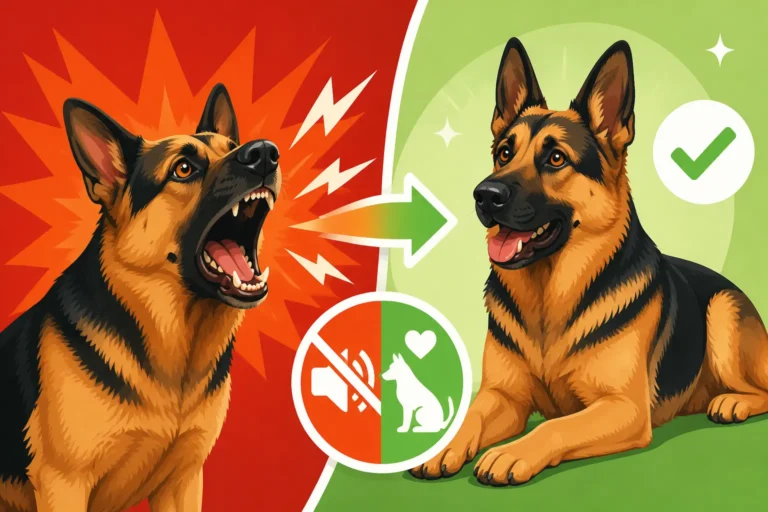
True protection training, often seen in sports like Schutzhund (now IGP) or personal protection work, is a specialized discipline that teaches a dog to defend its handler or territory under very specific circumstances, on command, and to cease when instructed. It's not about making a dog generally "mean" or "aggressive." Instead, it hones their natural protective instincts and prey drive, teaching them to respond to a threat in a highly controlled manner. A well-trained protection dog is an asset, not a liability, exhibiting excellent obedience in all situations, and only engaging a threat when signaled or when a direct, immediate threat to their handler is perceived. It’s about control, confidence, and courage, not mindless aggression.
The Critical Role of Temperament and Genetics
Not every German Shepherd is cut out for protection training, no matter how much you might wish they were. The breed is renowned for its protective instincts, but even within German Shepherds, there's a wide spectrum of temperaments. A successful protection dog needs a very specific set of innate traits: stable nerves, confidence, courage, a strong prey drive, and a high level of intelligence and trainability. Dogs that are fearful, overly aggressive without control, or lack confidence are not suitable candidates and attempting to force them into this role can be dangerous. This is why a reputable breeder who focuses on strong working lines and health clearances is paramount. You need to ensure your dog possesses the inherent qualities for this demanding work. Understanding your dog's natural German Shepherd Temperament and Personality is the first, most vital step.
Why Professional Guidance is Non-Negotiable
This is not a do-it-yourself project. Seriously. Attempting to undertake protection training without the guidance of a highly experienced, certified, and reputable professional trainer or club can lead to disastrous consequences. You're dealing with powerful instincts and physical capabilities that, if mismanaged, can create a dangerous animal. A professional decoy and trainer understand canine behavior, reading subtle cues, and how to safely develop and channel these drives. They also possess the necessary specialized equipment – bite suits, sleeves, and vests, which are critical for the safety of the decoy and the proper development of the dog's bite work. Investing in a professional is not just recommended; it's an absolute necessity for responsible and ethical protection training.
Essential Prerequisites Before Starting
Before any protection-specific training can even begin, your German Shepherd needs to have an impeccable foundation in several key areas. Think of it like building a skyscraper: you wouldn't start putting up walls before pouring a solid foundation, right? The same goes for protection work. Skipping these crucial steps will lead to an unstable, potentially dangerous, and ultimately unsuccessful protection dog.
Mastering Basic Obedience Commands
This might sound obvious, but it bears repeating: your dog must have rock-solid, unquestioning obedience in all environments and under all distractions. This means they respond instantly to commands like "sit," "stay," "down," "come," and "heel," even when highly stimulated. Without this level of control, engaging in protection work is incredibly irresponsible. The dog must understand that you are in charge, and they must respond to your commands immediately, especially the "out" or "leave it" command, which is critical for disengaging from a bite. Many owners start with online programs like those offered by BAXTER & Bella, or local obedience classes, to build this crucial foundation. This foundational German Shepherd Obedience Training Basics is non-negotiable.
Building a Strong Bond and Trust
Protection training relies heavily on the bond and trust between you and your German Shepherd. Your dog must see you as their leader, their protector, and the source of all good things. A dog that doesn't trust its handler or doesn't respect their authority will not perform reliably or safely in high-pressure situations. This bond is built through consistent training, positive reinforcement, shared activities, and daily care. It’s about mutual respect, clear communication, and ensuring your dog feels secure in their relationship with you. This isn't just about treats; it's about being present, fair, and consistent in your interactions.
Advanced Socialization Skills
Counterintuitive as it might seem, a good protection dog must be incredibly well-socialized. This means they are comfortable, calm, and neutral in a wide variety of environments, around different people, other dogs, and various sounds and sights. A poorly socialized dog, especially a German Shepherd, can be fear-aggressive or reactive, which is a dangerous trait to amplify with protection training. We want a dog that can differentiate between a real threat and an everyday situation. This means exposure to everything from busy city streets to quiet parks, from children playing to loud machinery. The goal is a dog that is confident and unfazed by novel stimuli, not one that is constantly on edge. You can learn more about how to responsibly How to Socialize a German Shepherd to build this critical skill.
Step-by-Step Approach to Protection Training
Once your German Shepherd has met all the prerequisites and you've found a qualified professional, the actual protection training can begin. It's a gradual, carefully structured process that builds upon the dog's natural drives and slowly introduces the complexities of defense work. Remember, patience and consistency are key throughout these phases.
Phase 1: Developing Prey Drive and Confidence
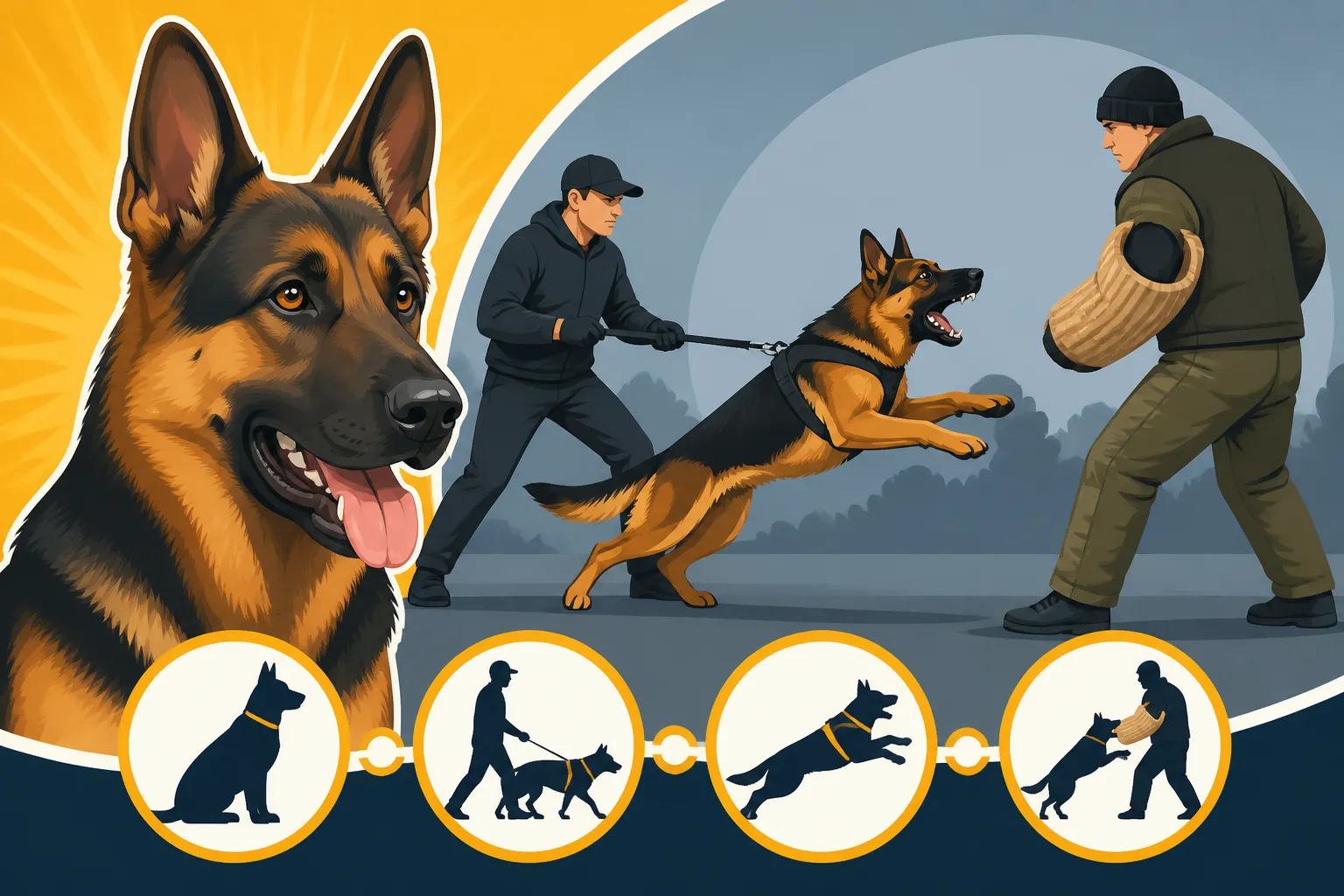
The initial phase of protection training focuses on developing and channeling the dog's natural prey drive. This isn't about aggression; it's about engaging their instinct to chase and bite a moving object. The decoy, often using a bite rag or soft bite sleeve, will work to excite the dog and encourage them to grip and tug. The focus here is on building confidence in the bite, making it a rewarding game for the dog. The decoy will move, entice, and then allow the dog to "win" by taking the rag or sleeve. This builds the dog's belief that they are powerful and successful. High-quality, durable training equipment from online retailers like Amazon can be useful for certified trainers and decoys who use it for this specialized work.
Dogs learn to hold the grip firmly and release it on command, which reinforces the handler's control. This stage also builds the dog's confidence in facing a "threat" and understanding that engaging the decoy leads to a positive outcome (the "win"). It's crucial that the dog views the decoy as a stimulating playmate, not a true adversary at this stage.
Phase 2: Introducing the Decoy and Controlled Aggression
As the dog's prey drive and confidence grow, the training gradually transitions to introducing more elements of defense. The decoy, now in a full bite suit or specialized protective equipment, begins to act less like a playmate and more like a credible threat. This phase introduces "controlled aggression" where the dog learns to respond to threatening gestures or movements from the decoy, rather than just chasing a rag. The dog is taught to engage the decoy not just for the "game" but as a defensive response to a perceived threat against the handler.
The "fight" becomes more realistic, with the decoy applying pressure and the dog learning to stand its ground, bark, and bite fiercely. The "out" command, where the dog releases the bite, is continuously reinforced to ensure the handler maintains absolute control. This is a delicate balance, and an experienced decoy is essential to ensure the dog understands the rules and doesn't become genuinely aggressive in uncontrolled situations. This stage often involves more formal obedience exercises within the protection work, ensuring the dog can transition seamlessly between intense defense and calm obedience.
Phase 3: Scenario Training and Real-World Application
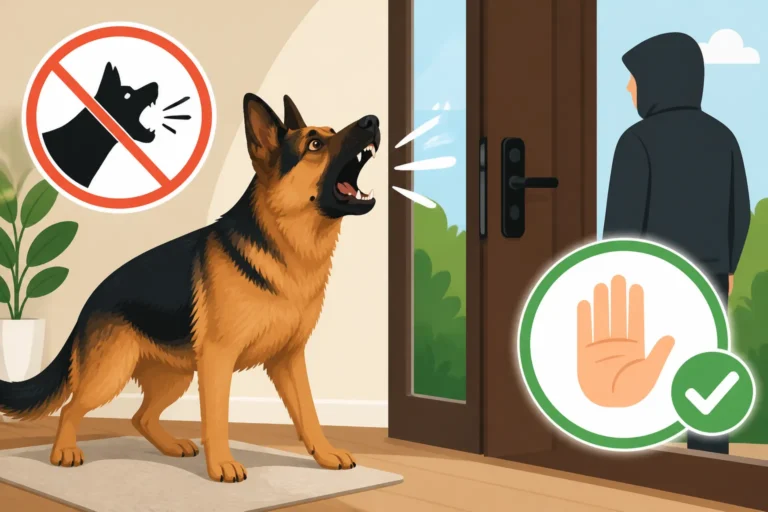
Once the dog demonstrates consistent and controlled protection work on the field, the training moves to scenario-based exercises. This is where the skills are applied to more realistic situations, mimicking potential threats. This could involve an "aggressor" appearing from around a corner, entering a car, or approaching the handler in various public settings (always in controlled, safe, and private environments for training). The dog learns to assess situations, differentiate between different levels of threat, and respond appropriately.
The focus here is on refining decision-making, ensuring the dog only engages when truly necessary and always on command, or when the handler is directly threatened and unable to give a command. This includes practicing the "call-off" – where the dog disengages from a pursuit or engagement on the handler's command, even if the decoy is still in motion. This level of precision is the hallmark of a truly well-trained protection German Shepherd. The more varied the scenarios, the more adaptable and reliable the dog becomes, always under strict professional supervision.
Maintaining and Continuing Protection Skills
Protection training is not a one-and-done deal. It's an ongoing commitment that requires regular practice, mental stimulation, and a deep understanding of your dog's capabilities and limitations. Just like any high-level skill, if you don't use it, you lose it.
Regular Practice and Skill Refinement
To keep a protection-trained German Shepherd sharp and reliable, regular practice sessions with a professional decoy are absolutely essential. These sessions reinforce the commands, maintain the dog's drive, and refine their skills. Without consistent work, the dog's response time, bite quality, and overall control can deteriorate. Think of it like a professional athlete – they don't just train once and then expect to perform at peak level forever.
These ongoing sessions also allow the trainer to identify any developing issues, reinforce good habits, and introduce new scenarios to keep the dog mentally engaged. It's not just about physical repetition; it's about challenging the dog mentally and ensuring they remain confident and controlled in their work. Regular German Shepherd Exercise Requirements and Best Mental Stimulation for German Shepherds are also crucial to keep these high-drive dogs balanced.
Avoiding Common Pitfalls and Misconceptions
One of the biggest pitfalls for owners is believing their dog is "trained" after a few sessions or attempting to apply the training themselves. This can lead to a dog that is inconsistently aggressive, unpredictable, or even dangerous. Another common misconception is that a protection-trained dog is inherently mean or vicious. On the contrary, a properly trained German Shepherd should be stable, confident, and approachable in everyday life, only activating their protection skills when explicitly commanded or when their handler is in true danger.
It's also crucial to understand that protection training is not a substitute for proper containment or supervision. A protection-trained dog still needs to be managed responsibly, especially in public spaces. Failure to do so can result in serious legal and ethical repercussions. Remember, your goal is a highly controlled partner, not a weapon.
Here’s a quick overview of common myths vs. realities:
| Aspect | Common Misconception | Reality |
|---|---|---|
| Purpose | To make the dog mean and aggressive. | To teach controlled, on-command defense in specific scenarios. |
| DIY Training | Owners can train their own dog for protection. | Requires highly skilled, professional decoys and trainers for safety and effectiveness. |
| Temperament | Any German Shepherd can be protection trained. | Only dogs with specific genetic traits (stable nerves, confidence, drive) are suitable. |
| Obedience | Protection training replaces basic obedience. | Impeccable obedience is a prerequisite and continuous foundation. |
| Public Behavior | Protection dogs are always "on guard." | Well-trained protection dogs are calm and neutral in public unless a real threat is present and commanded to engage. |
| Ongoing Need | Once trained, skills are permanent. | Requires continuous, regular practice with professionals to maintain skills. |
Ethical Considerations and Responsible Ownership
Owning a protection-trained German Shepherd comes with immense responsibility. You are the handler of a powerful animal capable of serious harm. This means you must be fully committed to their ongoing training, socialization, and responsible management. It's a lifelong commitment to ensure your dog remains a balanced, safe, and effective companion. If you're going to put your dog through German Shepherd Protection Training: Step-by-Step, you must also be prepared for the lifelong dedication it demands.
This also means understanding the legal implications in your area regarding trained protection dogs. Always prioritize the safety of others and ensure your dog is never put in a position where their training could be misused or misinterpreted. A truly responsible owner of a protection German Shepherd understands that the dog is a partner, not merely a tool, and their welfare and ethical deployment are paramount.
Disclaimer
The information provided in this guide is for informational purposes only and is not a substitute for professional advice. Protection training should only be undertaken with the guidance of a certified, experienced, and reputable professional dog trainer specializing in protection work. Attempting to train a dog for protection without expert supervision can be dangerous and lead to severe behavioral issues and safety risks for both the dog and others. Always prioritize safety and consult with a qualified professional.