How to Do Clicker Training with a German Shepherd
It can be incredibly frustrating when you're trying to communicate with your German Shepherd, a breed known for its intelligence, but feel like you're speaking two different languages. Many owners struggle with inconsistent responses or find traditional methods too harsh for their sensitive, yet powerful, companions. This comprehensive guide is here to unravel the magic of clicker training, offering you a clear, positive, and highly effective way to build a stronger bond and achieve remarkable training success with your beloved German Shepherd.
Why Clicker Training is a Game-Changer for German Shepherds
German Shepherds are incredibly smart and eager to please, but they also have a strong drive and can be easily bored or frustrated by repetitive, unengaging training methods. Clicker training cuts through that by making learning a clear, fun, and highly motivating game, which is exactly what a high-energy, intelligent breed like a German Shepherd needs to thrive. It's not just about teaching commands; it's about opening a dialogue where your dog truly understands what you're asking.
The Science Behind the Click
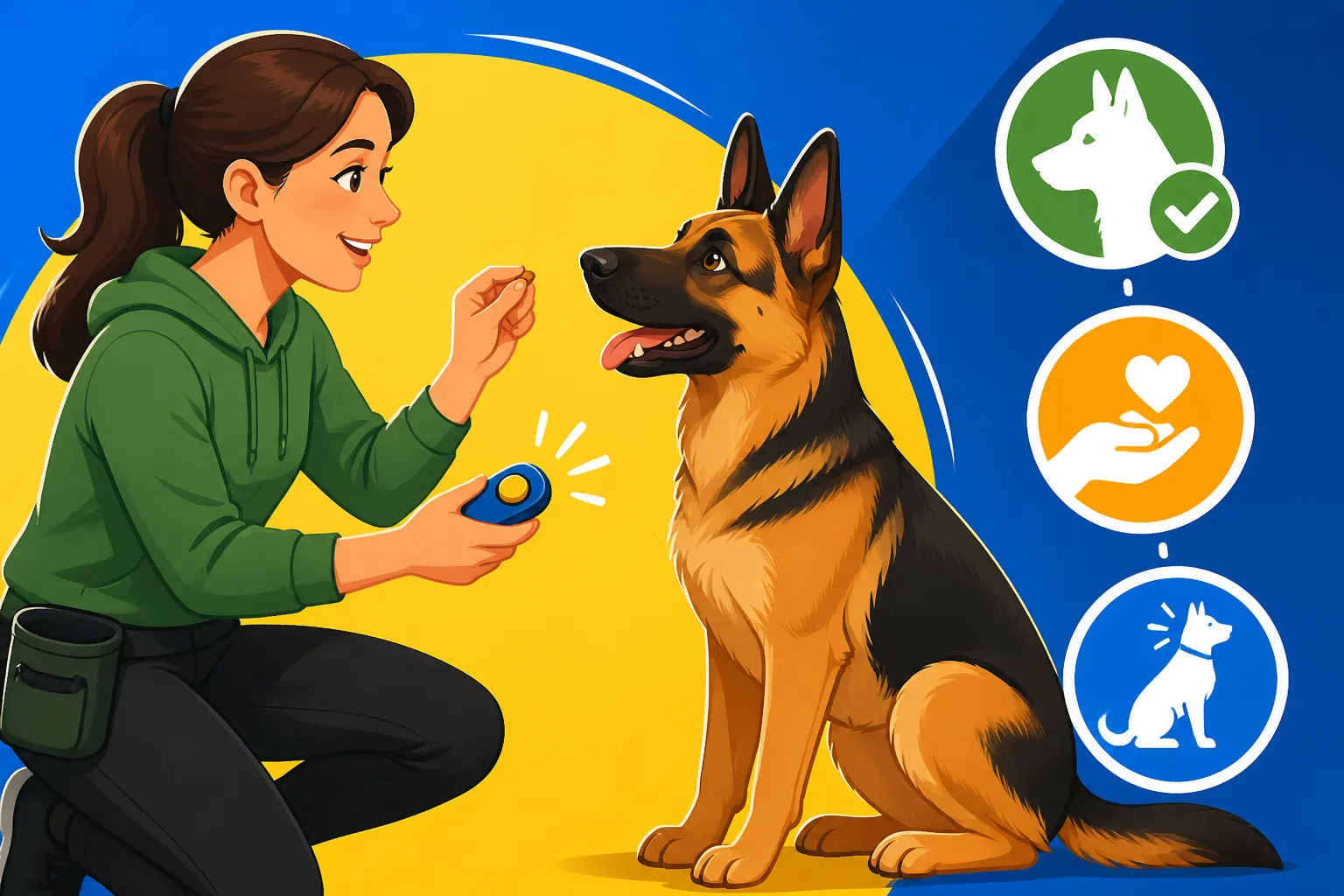
At its heart, clicker training is based on operant conditioning, a fancy term for learning through consequences. The clicker acts as a "marker signal," precisely pinpointing the exact moment your German Shepherd performs the desired behavior. Think of it like a camera shutter sound taking a snapshot of good behavior. Because the click is always followed by a reward, your dog quickly learns that the click means "Yes! That's it! A treat is coming!" This immediate and consistent feedback is far more effective than verbal praise or a delayed treat, as it leaves no room for confusion.
For a German Shepherd, whose mind is constantly working and trying to figure things out, this clarity is invaluable. They aren't guessing what you want; the click tells them unequivocally. This precision helps them learn new behaviors faster and remember them longer. It turns abstract concepts into concrete, understandable actions for your dog, reducing frustration on both ends of the leash and making the entire training process much more enjoyable and efficient.
Unique Advantages for German Shepherds
German Shepherds are robust, intelligent dogs, but they can also be prone to anxiety or sensitivity, especially if training is inconsistent or overly corrective. Clicker training offers a positive reinforcement approach that builds confidence rather than breaking it down. This method encourages your German Shepherd to offer behaviors freely, knowing that experimentation leads to rewards, fostering a proactive and engaged learner.
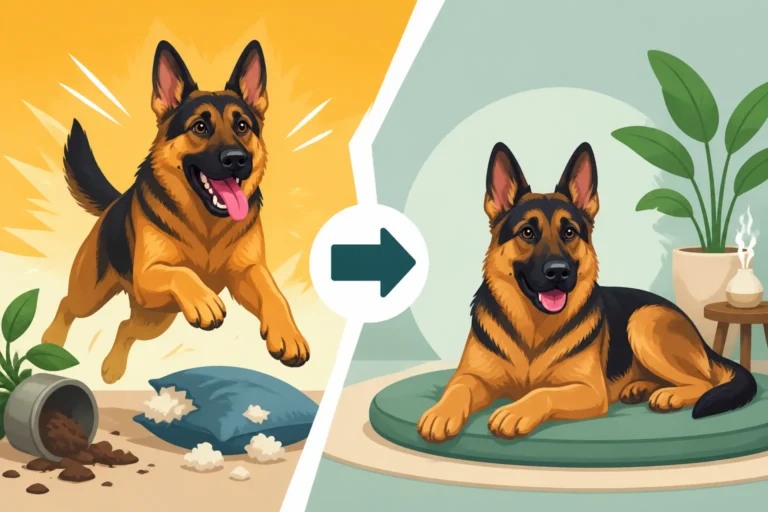
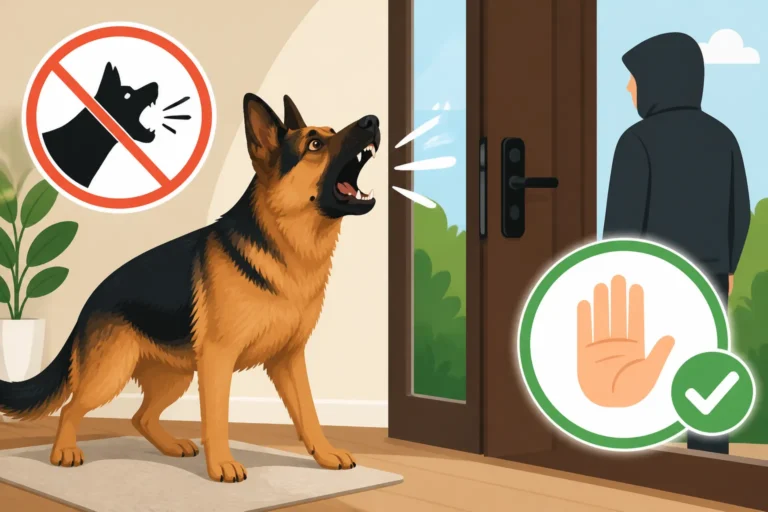
Furthermore, clicker training is fantastic for strengthening your bond. When your German Shepherd sees you as the giver of clear signals and amazing rewards, trust and respect blossom. This method harnesses their natural problem-solving abilities, making training feel like a partnership rather than a command-and-obey dynamic. It’s particularly effective for preventing or addressing certain behavioral issues, as it focuses on reinforcing desired actions instead of punishing unwanted ones, creating a happier, more well-adjusted companion. It can be a truly powerful tool in conjunction with a comprehensive program like the one offered by BAXTER & Bella, which emphasizes positive, reward-based training.
Gathering Your Clicker Training Arsenal
Before you dive headfirst into teaching your German Shepherd complex tricks or perfect obedience, you need to ensure you have the right tools. While clicker training is relatively simple in its concept, having the right gear can make a world of difference in your success and your dog's enjoyment of the process. Remember, consistency and quality are key, especially when dealing with such intelligent and perceptive dogs.
Choosing the Right Clicker and Treats
When it comes to the clicker itself, simplicity is often best. You'll find a variety of clickers available, from box clickers with a distinct, sharp sound to silent or soft-sound clickers, or even those combined with a wrist strap for convenience. The most important thing is that it makes a consistent, distinct sound that your German Shepherd can easily identify. Many pet supply stores and online retailers like Amazon offer a wide range, so you can pick one that feels comfortable in your hand and produces a sound you can easily control. Avoid novelty clickers with overly loud or jarring sounds, as these can be startling for some dogs.
Next up: treats! These are your primary reinforcers. For a German Shepherd, you'll want high-value treats that are small, soft, and easily digestible, so they can be consumed quickly without distracting from the training flow. Think tiny pieces of cooked chicken, cheese, hot dogs, or commercially available training treats like Zuke's Mini Naturals or Wellness Soft Puppy Bites. The goal is to deliver the treat immediately after the click, so your dog clearly associates the sound with something wonderful. If your German Shepherd is a picky eater, experiment to find what truly motivates them.
Setting Up Your Training Environment
The environment where you train your German Shepherd can significantly impact their ability to focus and learn. When you're first starting, choose a quiet, low-distraction area. This could be a specific room in your home, a fenced backyard when no one else is around, or even a quiet corner of a park during off-peak hours. The fewer competing stimuli there are, the easier it will be for your German Shepherd to pay attention to you and the task at hand.
As your German Shepherd progresses and becomes more proficient with clicker training, you can gradually introduce more distractions. This process, known as "proofing," helps generalize the behaviors so your dog performs them reliably in various situations. Always start simple and slowly increase the complexity of the environment. Ensure you have your clicker and treats readily accessible, perhaps in a treat pouch that you can wear, so you can deliver them swiftly and seamlessly, maintaining the critical link between the click, the desired behavior, and the reward.
The Foundational Step: Charging the Clicker
Before you can use the clicker to teach any commands, your German Shepherd needs to understand what the click means. This crucial first step is called "charging the clicker," and it essentially creates a positive association between the click sound and something good, usually a high-value treat. Without this foundation, the clicker is just a noise, and your German Shepherd won't understand its significance in the training process.
What "Charging" Really Means
Charging the clicker is like teaching your German Shepherd a new language's most basic word: "Yes!" You are imbuing the neutral sound of the click with positive meaning. Every time your dog hears the click, a delicious treat appears, completely independent of any behavior they perform at first. This isn't about teaching them to do anything, but rather to understand that the click predicts a reward. This makes the click a powerful secondary reinforcer.
For a German Shepherd, this clarity is extremely important. They are highly intelligent, and they need to understand the rules of the game. If the click means "you just did something I like, and here's your reward," they can start to actively try to figure out what those "somethings" are. This sets the stage for rapid learning and fosters an enthusiastic participant in the training process. Think of it as building a strong bridge between the sound and the satisfaction of a treat.
Your First Clicker Training Session
Ready to charge the clicker? It's incredibly simple, but requires a few repetitions to solidify the association. Here’s how you do it:
- Get Ready: Find a quiet space, have your clicker in one hand and a handful of small, high-value treats in the other (or in a treat pouch).
- Click and Treat: Click the clicker, then immediately (within 1-2 seconds) give your German Shepherd a treat. Don't ask them to do anything, just click and treat.
- Repeat: Wait a few seconds until your dog has eaten the treat and is looking at you or just calmly waiting. Then, click again, and immediately follow with another treat.
- Keep Sessions Short: Do this about 10-15 times per session. You're aiming for understanding, not exhaustion. Do 2-3 short sessions a day.
You'll know your German Shepherd understands when, after a click, they immediately look at you expectantly for the treat. Their ears might perk up, or their tail might give a little wag. This "Aha!" moment is a clear sign that the clicker is now "charged" and ready for teaching specific behaviors. Remember, the speed of treat delivery after the click is paramount. This rapid pairing ensures your German Shepherd makes the correct association without confusion.
Teaching Core Commands with Precision
Once your German Shepherd has a rock-solid understanding that the click means "reward is coming!", you can start applying this powerful tool to teach fundamental obedience commands. The beauty of clicker training is that it breaks down complex actions into small, achievable steps, allowing your German Shepherd to learn without pressure and with crystal-clear feedback. This precision is especially beneficial for German Shepherds, as it caters to their desire for structure and understanding.
"Sit," "Down," and "Stand" Made Easy
These basic positions are the building blocks of many more advanced behaviors and are perfect for starting your clicker training journey.
- Teaching "Sit": Hold a treat near your German Shepherd's nose and slowly move it back over their head. As their nose follows the treat, their rear end will naturally lower into a sit. The instant their rear touches the ground, click! Immediately follow with the treat. Repeat this several times. Once they are reliably sitting, start adding the verbal cue "Sit" just before you lure them. Gradually, you'll fade the lure, and your German Shepherd will sit on the verbal cue alone.
- Teaching "Down": From a sit position, hold a treat directly in front of their nose and slowly lower it straight down to the floor, then gently slide it away from them along the floor. As they stretch out into a down position, the moment their elbows touch the floor, click! and reward. Just like with "sit," introduce the verbal cue "Down" once they start offering the behavior reliably with the lure.
- Teaching "Stand": This one often gets overlooked, but it's very useful! From a sit or down, hold a treat and move it straight forward, slightly away from your dog's nose, drawing them forward onto all four paws. The second they stand, click! and treat. Again, add the verbal cue "Stand" as they learn the physical motion. Remember to always keep sessions short and positive, especially at the beginning of their training journey when working on foundational skills. For more general guidance on starting off right, check out this guide on German Shepherd Puppy Training Guide.
Mastering "Stay" and "Come" (Recall)
These commands are vital for safety and control, and clicker training can build a strong, reliable response.
- "Stay": Start with your German Shepherd in a "sit" or "down." Give the verbal cue "Stay." Take one small step back, pause for just a second, then step back to your dog and click! and treat. Increase your distance and duration gradually. If your dog breaks the stay, simply bring them back to the original spot and start over, without scolding. The goal is for them to understand that staying put earns the click and treat. It’s a slow build, but consistency pays off immensely for a reliable "stay."
- "Come" (Recall): This is perhaps one of the most important commands. Start in a quiet, confined space. Get your German Shepherd's attention, say "Come!" in an excited tone, and as they move towards you, click! the instant they reach you. Reward enthusiastically. Then, gradually increase the distance and introduce mild distractions. Never use "Come" to do something unpleasant (like end playtime or go to the vet if they hate it), or they'll associate the command with negative experiences. Always make "Come" the most rewarding thing they can do. Building a strong recall can literally be life-saving for your German Shepherd. For an even deeper dive into this specific command, refer to our article on How to Teach a German Shepherd to Come.
Leash Manners and Loose-Leash Walking
A well-behaved German Shepherd on a leash is a joy, but it often takes a lot of practice. Clicker training is superb for teaching loose-leash walking without pulling.
Start by just getting your German Shepherd used to walking beside you. Every time they walk nicely with a loose leash (even for a single step), click! and treat. Don't worry about distance yet. If they pull, simply stop moving. Wait for the leash to loosen (even if it's just a momentary slackening), then click! and treat, and resume walking. Your German Shepherd will quickly learn that a loose leash keeps the walk going and earns rewards, while a tight leash means they stop. This positive reinforcement makes walking a pleasant experience for both of you, without resorting to constant yanking or scolding. It helps prevent many common German Shepherd Behavior Problems and Solutions related to leash reactivity and pulling, laying the groundwork for a calm, enjoyable stroll through your neighborhood.
| Command | Initial Action (Lure/Prompt) | Click Moment | Reinforcement Focus |
|---|---|---|---|
| Sit | Move treat over head, nose follows, rear lowers | Instant rear touches the ground | Emphasizing body position, clarity of action |
| Down | Move treat from nose to floor, slide forward | Instant elbows touch the floor | Clarity of the full "down" posture |
| Stand | Move treat forward from nose, drawing dog onto all fours | Instant all four paws are on the ground | Precise shift from sit/down to a neutral standing position |
| Stay | Give "Stay" cue, step back slightly | Dog remains in position for a brief moment before returning | Holding position, building duration and distance gradually |
| Come | Enthusiastic "Come!", turn and run away slightly | Instant dog reaches you (or is a step away) | Speedy and enthusiastic return to handler, making recall highly rewarding |
| Loose Leash | Begin walking, dog beside you | Instant leash is slack (no tension) | Walking calmly without pulling, rewarding continuous good behavior; stopping when leash tightens teaches consequence, resuming rewards loose leash. |
Taking It Further: Advanced Clicker Techniques
Once your German Shepherd has mastered the basic commands using the clicker, you'll quickly realize the immense potential of this training method. It’s not just for "sit" and "stay" – clicker training excels at teaching complex behaviors, intricate tricks, and even preparing your German Shepherd for advanced sports or tasks. This is where your creativity and your German Shepherd's incredible intelligence really shine.
Shaping Complex Behaviors
Shaping is arguably the most powerful technique in a clicker trainer's toolkit, especially for a breed like the German Shepherd that thrives on mental engagement. It involves rewarding successive approximations of a desired behavior. Instead of waiting for your dog to perform the entire trick perfectly, you click and treat for any small movement or action that leads towards the final goal.
Let's say you want to teach your German Shepherd to close a door. You wouldn't wait for them to close it completely on their first try. Instead:
- Click and treat for looking at the door.
- Click and treat for moving towards the door.
- Click and treat for sniffing the door.
- Click and treat for touching the door with their nose.
- Click and treat for pushing the door slightly.
And so on, gradually increasing your criteria until they are pushing the door shut. This method allows your German Shepherd to learn by problem-solving, trying different things, and discovering which actions earn a reward. It builds immense confidence and makes them an active participant in their learning. This method is fantastic for complex tasks and is a prime example of providing great German Shepherd Mental Stimulation for German Shepherds.
Targeting and Chain Training
Targeting is another incredibly useful clicker training technique that helps you guide your German Shepherd's movements precisely. A "target" can be anything: your hand, a stick, a specific spot on the floor. You simply click and treat when your dog touches the target with their nose or paw.
For example, to teach your German Shepherd to go to a specific mat:
- Place the mat on the floor.
- Lure your dog near the mat.
- As soon as they put one paw on it, click! and treat.
- Gradually wait for two paws, then all four paws, then lying down on the mat.
Targeting is fantastic for teaching "place," moving your dog from one spot to another, or even teaching them to walk on a specific side of you.
Chain training involves linking several individual behaviors together into a sequence. Once your German Shepherd knows "sit," "down," and "stand" as separate commands, you can chain them. For instance, you ask for "Sit," then "Down," then "Stand." You would click and treat only at the very end of the entire sequence (e.g., after the "Stand"), reinforcing the completion of the chain. This method builds focus and stamina, and it's how German Shepherds learn complex routines for obedience trials or service work. Always make sure each individual behavior is solid before you start linking them together. This methodical approach is key to successfully training an adult German Shepherd in new, more intricate behaviors.
Troubleshooting Common Clicker Training Hurdles
Even with the most intelligent and eager-to-please German Shepherds, you're bound to hit a few bumps in the road with clicker training. It's completely normal for dogs to get distracted, lose interest, or simply not understand what you're asking. The key is to recognize these hurdles, understand why they might be happening, and have a positive, proactive plan to overcome them without losing your cool or your dog's motivation.
Dealing with Distractions and Frustration
Distractions are perhaps the biggest enemy of effective training, especially for a German Shepherd with their keen senses and high environmental awareness. If your dog is constantly looking around, sniffing the ground, or reacting to every sound, they're not learning.
- Start in a "Sterile" Environment: As mentioned earlier, always begin training in a quiet, familiar place with minimal distractions. Gradually introduce distractions as your German Shepherd masters the behavior.
- Increase Motivation: If your German Shepherd is easily distracted, your treats might not be high-value enough. Experiment with different options – sometimes a piece of cooked chicken will trump kibble any day.
- Shorten Sessions: If your dog is getting frustrated or losing interest, your sessions might be too long. Keep them brief and end on a positive note, even if it's just one successful repetition. Five minutes of focused, fun training is far more effective than 20 minutes of frustration.
- Break Down Behaviors: Is the behavior too complex? Go back to basics and break it down into tiny, achievable steps (shaping!). A series of easy clicks will build confidence faster than struggling with a single difficult one.
- Patience is Key: German Shepherds are smart, but they're not robots. There will be days when they seem to "forget" everything. Don't get angry; just go back to an easier step, rebuild confidence, and try again later. Your relationship is more important than perfect obedience in one session.
Knowing When and How to Fade the Clicker
Many new clicker trainers worry that they'll be stuck clicking forever. Rest assured, the clicker is a training tool, not a permanent prosthesis. The goal is always to fade it out, transferring the power of the click to your verbal cues and real-world rewards.
- When to Fade: You can start fading the clicker once your German Shepherd performs a behavior reliably (around 80-90% of the time) on your verbal cue before you even click. At this point, the verbal cue itself is starting to gain meaning.
- How to Fade:
- Randomize Clicks: Instead of clicking every single time, start clicking every other time, then every third time, then randomly. Your dog will continue to perform the behavior in hopes of getting a click and a treat.
- Vary Rewards: Don't always follow the click with a treat. Sometimes follow it with verbal praise, a quick game of fetch, or a belly rub. This teaches your German Shepherd that the reward isn't always food, but could be other things they value.
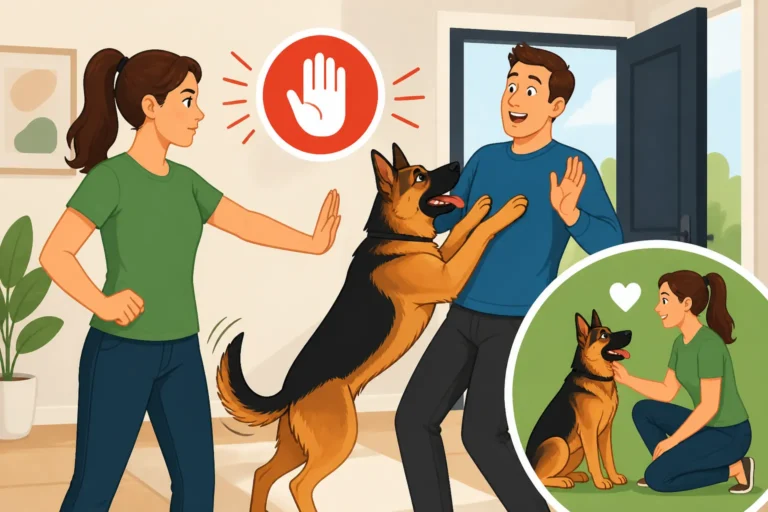
- Use Life Rewards: Once a behavior is solid, start using real-life rewards. If your German Shepherd sits politely before you open the door, the reward is getting to go outside! If they come when called, the reward is continued playtime. This is often the most powerful form of reinforcement and helps to cement the behavior into their daily routine, making it truly functional. The principles here are similar to those explored in How to Establish Leadership with a German Shepherd, focusing on consistent, clear communication.
Remember, the clicker helps teach a behavior; fading it helps maintain a behavior with a more natural reinforcement schedule. It's a natural progression in your German Shepherd's training journey.
Integrating Clicker Training into Daily Life
The true measure of successful clicker training isn't just how well your German Shepherd performs in a structured training session, but how well they apply those learned behaviors in the real world. Integrating clicker training into daily life is about transitioning from formal training exercises to using the principles of positive reinforcement and clear communication throughout your dog's day. This is how you build a consistently well-behaved German Shepherd who understands your expectations and is a joy to live with.
Incorporating into Routine and Proofing
Your German Shepherd's world is full of different sights, sounds, and smells, and they need to learn that "sit" means "sit" whether they are in the living room, at the park, or even when a squirrel runs by. This is where "proofing" comes in – practicing known behaviors in increasingly distracting environments.
Start by gradually introducing mild distractions during your regular training sessions. For example, have a family member walk by, or train closer to an open window. As your German Shepherd performs reliably, move to new locations: the backyard, a quiet street, a pet-friendly store. Each successful performance in a new context, especially if you initially reinforce heavily with a click and high-value treat, builds their understanding and reliability. The idea is to make the desired behavior so deeply ingrained that it becomes their default response, regardless of the environment. Think of it as adding layers of robustness to their understanding. You can even use clicker training to reinforce good manners when you are working on something like German Shepherd Crate Training: Step-by-Step, rewarding calm entry and quiet waiting.
Maintaining Skills and Continuous Learning
Training is not a one-and-done event; it's an ongoing conversation with your German Shepherd. To maintain their skills and enthusiasm, regular, short "refresher" sessions are crucial. These don't have to be formal; a few minutes of practicing "sit" and "stay" before dinner, or "come" during a walk, is often enough.
Furthermore, clicker training is an excellent tool for continuous learning and introducing new challenges. German Shepherds thrive on mental stimulation, and learning new tricks or advanced obedience commands can prevent boredom and destructive behaviors. Use the clicker to teach them to fetch specific items, put away their toys, or even perform complex sequences. The more you use the clicker for positive communication and learning, the stronger your bond will become, and the more engaged and happy your German Shepherd will be. Always look for new opportunities to reinforce good behavior. Did your German Shepherd choose to lie calmly at your feet instead of begging at the table? A subtle "good boy" and a mental click can go a long way in shaping future polite behavior. This ongoing engagement is a significant factor in How to Keep a German Shepherd Healthy and mentally sharp throughout their life.
Disclaimer
This article is for general informational purposes only and does not constitute professional advice. Laws, prices and regulations vary by location and change over time. Consult a qualified professional for guidance on your specific situation.