How to Train a German Shepherd Puppy Week by Week
Bringing home a German Shepherd puppy is an exhilarating experience, but let's be honest, it can also feel like navigating a minefield of nipping, potty accidents, and boundless energy. Many new owners feel overwhelmed, wondering if they're doing enough, or if they're even doing it right. This comprehensive guide is here to walk you through the journey of training your German Shepherd puppy week by week, providing clear, empathetic, and realistic advice to help you build a strong foundation and a lifelong bond.
The Foundation: Preparing for Your German Shepherd Puppy (Pre-Arrival to Week 8)
The journey to a well-adjusted German Shepherd doesn't start the moment they arrive at your door; it begins long before. Understanding this critical pre-arrival phase and those first crucial weeks sets the stage for everything that follows. Without a solid foundation, you’re often playing catch-up, which can lead to frustration for both you and your furry friend.
Pre-Puppy Preparation and Socialization Foundations
Before your German Shepherd puppy even sets a paw in your home, there's important groundwork to lay. This isn't just about buying a bed and bowls; it's about mentally and physically preparing your home and your family for this energetic, intelligent breed. Researching responsible breeders is paramount, as good breeders start early socialization and health screening long before puppies go to new homes. They introduce puppies to various sounds, textures, and even different people, giving them a head start on confidence. When you select a puppy, observe its interactions with littermates and the mother – a confident, curious puppy is often a good sign.
Consider setting up a designated "puppy zone" in your home. This might be a comfortable crate, a playpen, or a gated-off area in a quiet part of the house. Equip it with safe chew toys, a cozy bed, and water. This dedicated space will become your puppy's safe haven, crucial for successful How to Crate Train a German Shepherd. Think about the routine you want to establish for feeding, potty breaks, and playtime, even before they arrive. Having a plan, even if it needs adjusting, will make those first few days much smoother. Many owners find a robust online training program like BAXTER & Bella helpful during this stage, offering guidance and resources even before puppy pick-up.
The First Week Home: Settling In and Basic Routines
The first week or so is all about transition and adjustment. Your puppy has just been removed from its littermates and mother, entering a completely new environment with new smells, sounds, and people. It's a lot to take in! Your primary goal during this time is to make your puppy feel safe and secure, building trust and establishing a predictable routine. Expect crying, especially at night, as they adjust to being alone. Resist the urge to coddle them too much; consistent reassurance and sticking to their designated sleeping area will help them adapt faster.
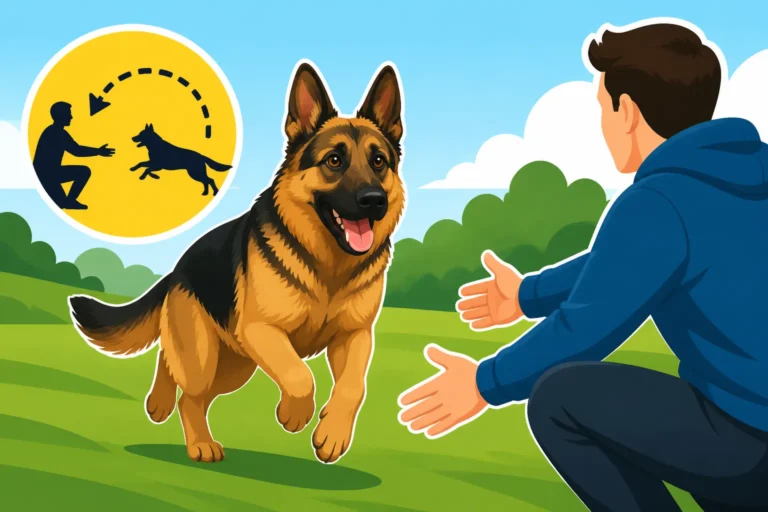
Focus heavily on potty training from day one. Take your puppy out frequently – every 30-60 minutes, after waking up, after eating, and before bed. Reward immediately and enthusiastically with praise and a small, high-value treat when they go outside. This immediate positive reinforcement is key to developing good habits. Keep initial training sessions short, positive, and frequent – five minutes, several times a day. Introduce their name, practice coming when called (with rewards!), and get them used to wearing a lightweight collar and leash indoors. This early exposure makes How to Leash Train a German Shepherd Puppy much easier down the line. Remember, consistency is your best friend during these foundational weeks.
Early Learning and Development (Weeks 9-16)
As your German Shepherd puppy moves beyond eight weeks, their brain is a sponge, eagerly soaking up information. This is a crucial window for intensive learning, socialization, and solidifying good habits. It’s also when those adorable puppy behaviors might start to test your patience!
Potty Training and Crate Training Mastery
By 9-12 weeks, your German Shepherd puppy should be starting to get the hang of potty training. However, it's far from perfect. Continue your rigorous schedule of frequent trips outside, especially after naps, meals, and play. Watch for signs like sniffing around, circling, or heading towards the door. Accidents will happen, and when they do, clean them up thoroughly without scolding your puppy. Scolding can lead to them hiding their accidents or becoming afraid to potty in front of you. Consistency and positive reinforcement remain the pillars of success for How to Potty Train a German Shepherd Puppy.
Crate training should also be well underway. Your puppy should view their crate as a den – a safe, comfortable space, not a punishment. Feed meals inside the crate, offer high-value chew toys there, and make it a cozy spot for naps. Gradually increase the time they spend in the crate. For many German Shepherds, especially those from working lines, a robust crate from a brand like MidWest Homes for Pets (available on Amazon) is a fantastic investment. The goal is for them to happily enter and relax, aiding in house training and providing a secure place when you can't supervise them directly.
Essential Commands and Leash Introductions
Between 10 and 16 weeks, you’ll want to introduce a repertoire of basic commands. "Sit," "Stay," "Come," and "Down" are invaluable for control and safety. Keep training sessions short, around 5-10 minutes, and make them fun and engaging. Use positive reinforcement exclusively – treats, praise, and enthusiastic play. German Shepherds are incredibly intelligent and thrive on mental stimulation, so this period of learning is vital for their cognitive development. You'll be amazed at how quickly they pick things up!
Leash introductions should also progress. After getting used to a collar, introduce a lightweight leash indoors, letting them drag it around under supervision. Then, take short, positive walks around your yard or a quiet street. The goal isn't perfect heel work yet, but rather to get them comfortable with the leash and collar, associating walks with positive experiences. Remember that How Much Exercise Is Too Much for a Puppy is a crucial consideration; protect those growing joints by keeping walks short and avoiding strenuous activities. Focus on short bursts of exploration rather than long, forced marches.
Expanding Socialization and Exposure
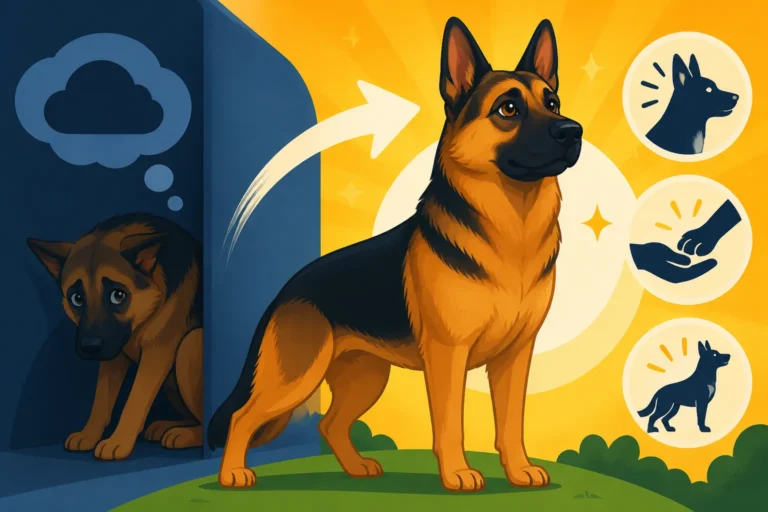
This period is perhaps the most critical for proper German Shepherd development: socialization. From 8 to 16 weeks, puppies are most open to new experiences, and positive exposure during this time helps prevent fear and aggression later in life. Introduce your puppy to a wide variety of sights, sounds, smells, people, and vaccinated dogs. Think about walks in different environments – quiet neighborhoods, bustling parks (from a distance at first), different types of flooring, car rides, and even umbrellas opening and closing. The key is controlled, positive exposure.
A well-run puppy class is highly recommended during this phase. It provides a safe, structured environment for your puppy to interact with other puppies and learn basic manners under the guidance of a professional. If you can't attend in-person classes, consider online resources like BAXTER & Bella that offer comprehensive socialization guides and virtual support. Remember to prioritize quality over quantity; a few positive experiences are far better than one overwhelming, negative one. Early, proper socialization is key to preventing German Shepherd Aggression later on.
Navigating the Adolescent Phase (Months 5-12)
Just like human teenagers, German Shepherd puppies hit an adolescent phase, typically starting around 5-6 months and lasting until they are 18-24 months old. This stage can be challenging, as your once-eager-to-please puppy might suddenly seem to forget everything they learned.
Dealing with "Teenage" Rebellion and Consistency
Around 5 to 8 months, many German Shepherd owners begin to wonder if their puppy suddenly lost their brain. This is often when "selective hearing" kicks in, previously learned commands become optional, and they might push boundaries you thought were firmly established. This "teenage rebellion" is a normal developmental stage as your dog tests their independence. It’s not personal, but it is crucial how you respond.
The most important thing during this phase is unwavering consistency. Revisit basic commands, increase the value of your rewards, and reinforce the rules you've set. If your puppy starts German Shepherd Puppy Biting: What to Do again, go back to bite inhibition exercises. Don't assume they "know better" and punish them for mistakes; instead, assume they need a refresher and more practice in varying environments. This is a time when the leadership and trust you’ve built during the earlier weeks will be truly tested.
Advanced Obedience and Mental Stimulation
While your adolescent German Shepherd might be a bit of a knucklehead at times, their intelligence is still incredibly high, and their physical capabilities are growing rapidly. This is an excellent time to introduce more advanced obedience training and expand their repertoire of tricks. Think about commands like "heel," "stay" for longer durations and distances, and complex tasks like retrieving specific items. These activities not only build on their foundation but also provide much-needed mental stimulation.
Mental exercise is just as important as physical exercise for a German Shepherd, especially during adolescence. Puzzle toys, scent work games (like hiding treats around the house), and learning new tricks can tire them out mentally, which is often more effective than just physical exertion. Incorporating training into daily walks and playtime keeps them engaged and reinforces your bond. Many owners find robust training tools and supplies on Amazon, from treat pouches to long lines for recall practice.
Managing Energy and Continued Social Development
German Shepherds are high-energy dogs, and adolescence often means an explosion of that energy. By 6-12 months, their growth plates are generally closing, meaning you can gradually increase the intensity and duration of their exercise, though still with caution. A typical adult German Shepherd needs at least 60-90 minutes of vigorous exercise daily, often broken into two sessions. This could include fast-paced walks, controlled fetch in a secure area, or short runs if your vet approves. Lack of adequate exercise is a common cause of destructive behaviors and hyperactivity. For more details on safe exercise, refer to our guide on German Shepherd Exercise Requirements.
Continued socialization is also vital, especially during this period when dogs can become more wary of strangers or other dogs. Maintain positive interactions with diverse people, environments, and well-behaved dogs. This doesn't mean every dog needs to be best friends; it means they need to learn to be neutral and calm in the presence of others. A good German Shepherd Socialization Checklist can help ensure you’re hitting all the important points. Remember, a calm, confident German Shepherd is the result of consistent, positive exposure.
Beyond the First Year: Reinforcement and Lifelong Learning
Congratulations, your German Shepherd is officially an adult! While the intense puppy and adolescent phases may be behind you, training and enrichment are lifelong endeavors for this intelligent breed. This stage is about maintaining what you've built, addressing new challenges, and continuing to strengthen your partnership.
Solidifying Training and Addressing New Challenges
Even as your German Shepherd matures, regular training refreshers are essential. What worked perfectly at 6 months might need slight adjustments at 2 years. Continue to practice all basic and advanced commands in different environments, adding distractions to ensure reliability. If you ever find your dog regressing on a command, don't hesitate to go back to basics, just as you would for How to Train an Adult German Shepherd. This ongoing reinforcement keeps their skills sharp and their minds engaged.
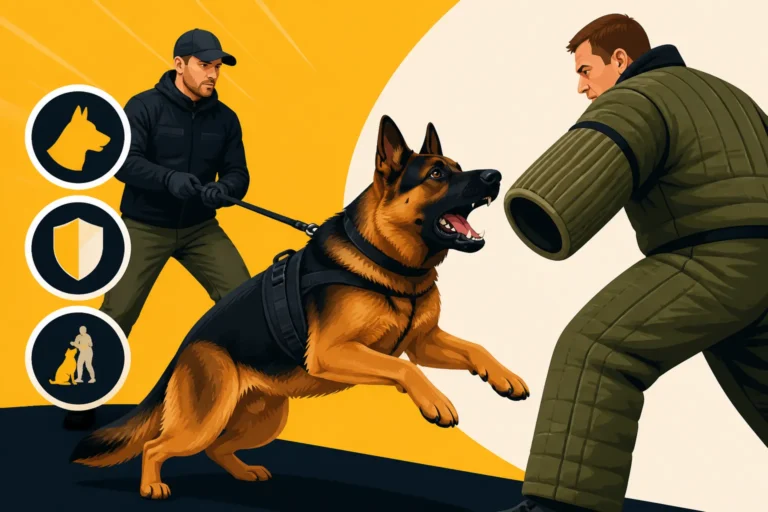
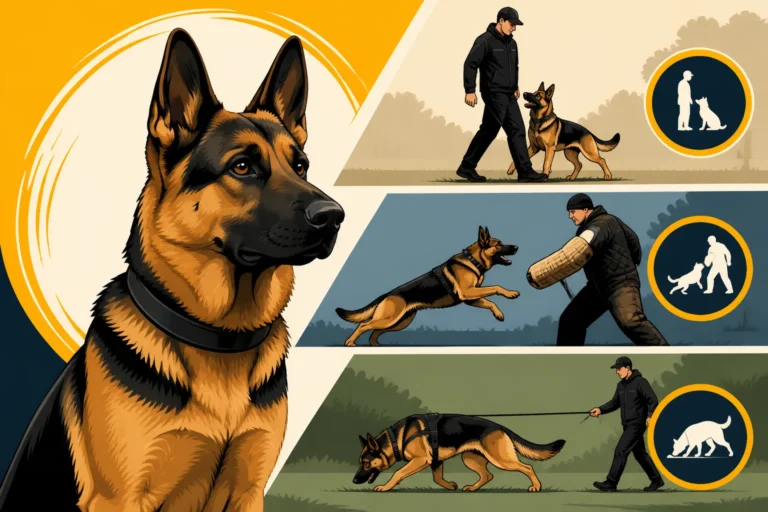
As they age, new behavioral quirks or challenges might emerge. Perhaps they develop a new fear of thunderstorms, or their prey drive becomes more pronounced. These are opportunities for further training and management. Seek professional guidance from a certified dog trainer or veterinary behaviorist if you encounter significant issues. German Shepherds thrive on having a "job" to do, whether it's participating in dog sports like agility or IGP, or simply being a reliable, well-mannered companion.
Maintaining Health and Well-being
Training and behavior are intrinsically linked to a dog's overall health. A healthy German Shepherd is generally a happier and more trainable one. Regular veterinary check-ups are paramount, focusing on preventative care. German Shepherds are prone to certain health conditions, such as hip and elbow dysplasia. Understanding German Shepherd Health Problems Guide and discussing preventative measures with your vet can significantly impact their quality of life.
Proper nutrition, tailored to their age, activity level, and any specific health needs, is also critical. Consider high-quality dog food brands and consult with your vet about appropriate Best Joint Supplements for German Shepherds if needed. Regular grooming, including brushing their dense double coat, nail trims, and dental care, contribute to their comfort and well-being. A German Shepherd that feels good physically is better equipped to focus on training and be a wonderful companion.
| Age / Stage | Key Training Focus | Socialization Goals | Exercise Guidelines | Common Challenges |
|---|---|---|---|---|
| 8-12 Weeks | Potty & Crate Training, Name Recognition, Come, Sit, Bite Inhibition | Exposure to gentle sounds, textures, people, vaccinated dogs (safe environments) | Short, frequent play sessions (5-10 min), avoid strenuous activity | Nipping, potty accidents, crying at night, separation anxiety |
| 3-4 Months | Expand basic commands (Down, Stay, Leash manners), Proofing commands with distractions | Puppy classes, varied positive experiences (car rides, public places, new surfaces) | Gradually longer walks (15-20 min), controlled play, mental games | Increased energy, chewing, testing boundaries, fear periods |
| 5-8 Months | Advanced obedience (Heel, longer Stays), Recall proofing, Problem-solving | Structured play with well-behaved dogs, continued exposure to diverse environments | Moderate exercise (30-45 min daily), fetch, mental enrichment games | "Teenage rebellion," selective hearing, increased prey drive, resource guarding |
| 9-12 Months | Refine all commands, introduce complex tasks, prepare for dog sports | Continued positive social interactions, neutral responses to triggers | Higher intensity exercise (45-60 min daily), agility, long walks | Energy surges, remaining consistent despite maturity |
| 12+ Months | Reinforce all training, address specific behavioral issues, specialized training | Maintain social skills, ensure calm interactions in all settings | Sustained vigorous exercise (60-90 min daily), hiking, running (vet approved) | Potential for reactivity if not managed, boredom if under-stimulated |
Disclaimer
The information provided in this article is for general informational purposes only and is not a substitute for professional veterinary or behavioral advice. Always consult with a qualified veterinarian or certified professional dog trainer for any concerns regarding your German Shepherd's health or behavior. Individual results may vary.