Best Training Method for a Stubborn German Shepherd
It can be incredibly frustrating when your brilliant German Shepherd, known for its intelligence and loyalty, suddenly seems to develop a selective hearing problem or outright refuses to cooperate during training. You might find yourself scratching your head, wondering if your dog is truly "stubborn" or if you're missing something crucial in your approach. This guide is here to unravel the mysteries behind German Shepherd stubbornness and equip you with the most effective, empathetic training methods to build a stronger bond and achieve lasting results.
Understanding the "Stubborn" German Shepherd Mindset
Before we label our beloved German Shepherds as simply "stubborn," it's helpful to understand what might be truly going on inside their intelligent minds. What often appears as willful disobedience can actually be a combination of breed traits, past experiences, or even just miscommunication. German Shepherds are not inherently defiant, but they are incredibly intelligent, sensitive, and have a strong sense of purpose.
The Role of Breed Characteristics
German Shepherds were bred for specific tasks: herding, guarding, and working alongside humans in demanding roles. This means they are problem-solvers, independent thinkers, and have a high drive. While these traits make them exceptional working dogs, they can also manifest as perceived stubbornness in a domestic setting if not properly channeled. A German Shepherd isn't going to blindly follow commands just because you said so; they often want to understand the "why" or "what's in it for me?" They are not pushovers. If the reward isn't worth the effort or the task seems pointless to them, they might just check out. This isn't defiance; it's often a calculated decision based on their internal priorities.
Think about it: a dog bred to independently assess and manage a flock of sheep or protect a property needs to be able to think for itself. This independent thought process, when applied to a "sit-stay" in the living room, can sometimes look like a refusal to comply. They're weighing their options, assessing the environment, and sometimes, their own instincts tell them to do something different. For a deeper dive into their inherent traits, explore our guide on understanding the German Shepherd Temperament and Personality.
Why Your German Shepherd Might Be Resisting
Sometimes, what we perceive as stubbornness isn't a character flaw but a symptom of underlying issues. It could be a lack of clear communication, insufficient motivation, or even physical discomfort. Imagine trying to learn a new skill when the instructions are unclear, you're not getting any positive feedback, or your back aches. You'd probably "resist" too!
For instance, if your German Shepherd suddenly refuses to perform a command they once knew, consider if there's pain involved. Joint issues like German Shepherd Hip Dysplasia: Symptoms and Treatment or German Shepherd Elbow Dysplasia: Symptoms and Treatment can make certain movements uncomfortable, leading to reluctance. Environmental factors play a huge role too. If you're training in a high-distraction environment, your dog might be too overwhelmed to focus, making them seem "stubborn." It's crucial to rule out physical discomfort or environmental overstimulation before labeling behavior as pure stubbornness.
Foundational Training Principles for a Stubborn German Shepherd
Training a stubborn German Shepherd isn't about breaking their will; it's about channeling their intelligence and drive into desired behaviors through consistent, positive, and engaging methods. The goal is to make them want to work with you, not just comply.
Building a Strong Relationship and Trust
The cornerstone of successful training with a German Shepherd, especially a perceived stubborn one, is a rock-solid relationship built on trust and mutual respect. These dogs are intensely loyal and form deep bonds with their humans. If they trust you to be a fair, consistent, and confident leader, they are far more likely to engage with you, even when their independent nature kicks in. This isn't about dominance; it's about clear communication and consistency. Your German Shepherd needs to know what to expect from you and that you will always have their best interests at heart.
Spending quality time together outside of formal training is vital. This includes daily walks, playtime, and just relaxing near each other. Learning how to Establish Leadership with a German Shepherd goes beyond just giving commands; it involves being a reliable source of guidance and comfort. When your dog sees you as a trusted partner, the "stubborn" moments become less about defiance and more about seeking clarification or understanding.
The Power of Positive Reinforcement
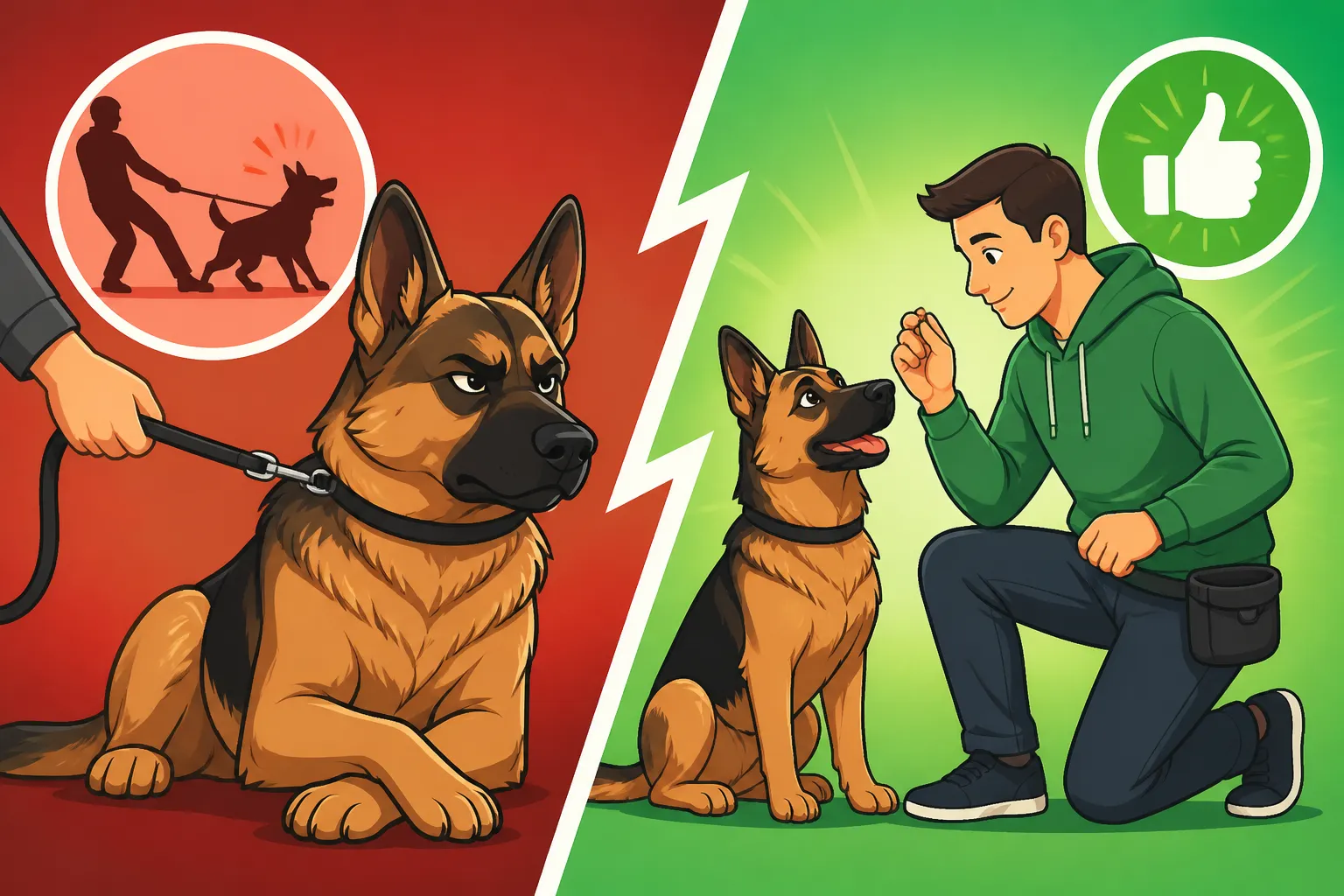
For a highly intelligent and sensitive breed like the German Shepherd, positive reinforcement isn't just a suggestion; it's the most effective and humane training approach. This means rewarding desired behaviors, rather than punishing unwanted ones. Punishing a German Shepherd for perceived stubbornness can easily damage your relationship, create fear, and make them more resistant to training. They might shut down, or worse, develop anxiety or aggression.
Instead, focus on making training a fun, rewarding experience. Use high-value treats (think cooked chicken or cheese, not just dry kibble), enthusiastic praise, and favorite toys as rewards. The key is to find what truly motivates your German Shepherd. Some might be food-motivated, others toy-motivated, and some thrive on praise and connection. If your dog isn't responding, it's not that they're stubborn; it's often that your reward isn't motivating enough for the task at hand. Consistency with rewards is also crucial; they need to know that good things happen when they do what you ask.
Consistency, Patience, and Clear Communication
These three elements are non-negotiable when training any dog, but especially a German Shepherd who might test boundaries. Consistency means everyone in the household uses the same commands, the same hand signals, and the same rules. If "sit" means one thing to you and another to your spouse, your dog will quickly become confused and appear "stubborn." Regular, short training sessions (5-10 minutes) throughout the day are far more effective than one long, tedious session once a week.
Patience is paramount. There will be days when your German Shepherd seems to regress or simply isn't "getting it." Frustration on your part will only escalate the situation. Take a break, revisit an easier command, or end the session on a positive note. Remember that learning is not linear. And finally, clear communication involves not just what you say, but how you say it, and your body language. German Shepherds are masters at reading human cues. Be consistent with your verbal cues, hand signals, and your overall demeanor. If you're stressed, they'll pick up on it.
Specific Training Methods and Techniques
Now that we've covered the foundational principles, let's dive into some practical methods and techniques that prove highly effective for a German Shepherd who might be showing a stubborn streak.
Making Training Fun and Engaging
German Shepherds thrive on having a job and being mentally stimulated. If training feels like a chore, they will quickly lose interest. The best way to combat stubbornness is to make training feel like a game or a rewarding puzzle. Incorporate play into your training sessions. Use their favorite fetch toy as a reward for a perfect recall, or make a sniff-and-find game out of a "stay" command.
Vary your rewards! Don't just stick to treats. For a German Shepherd, a quick game of tug, a chase with a ball, or even just some enthusiastic belly rubs can be powerful motivators. Change up your training locations too. Starting in a low-distraction environment, then gradually moving to more stimulating places like a local park (once they've mastered the skill) can prevent them from getting bored or overwhelmed. If you're struggling to find engaging methods, resources like online courses can be a game-changer. For example, BAXTER & Bella offers comprehensive online training programs that break down complex behaviors into manageable, fun steps, which can be invaluable for owners of stubborn dogs.
High-Value Rewards and Variable Schedules
When your German Shepherd is being particularly "stubborn," it's often a sign that the reward isn't meeting the perceived effort. This is where high-value rewards come in. These are treats your dog absolutely adores and rarely gets. Think small pieces of cooked chicken, lean beef, cheese, or even high-quality freeze-dried treats. Save these special rewards for behaviors that are challenging or when you're working on proofing a command in a new environment.
Once a behavior is well-established, you can transition to a variable reinforcement schedule. This means your dog doesn't get a treat every single time they perform the command, but they get it often enough to keep them motivated. This creates a kind of "gambling effect" – they never know when the big reward is coming, so they keep trying. This is incredibly powerful for maintaining motivation and making behaviors reliable, even when your dog might be feeling a bit "off."
Short, Frequent Training Sessions
The German Shepherd's incredible intelligence also means they can get bored easily with repetitive, long training sessions. Their attention span, especially for puppies, is not endless. Instead of one long, drawn-out session, aim for multiple short bursts of training throughout the day. Five to ten minutes, two to three times a day, is often far more effective than one 30-minute session.
These short sessions keep your dog engaged, prevent mental fatigue, and allow them to process information more effectively. It also gives you more opportunities to reinforce good behavior naturally throughout their day. For example, practice a "sit" and "stay" before putting down their food bowl, or a "wait" before opening the door for a walk. These everyday interactions become mini-training opportunities that reinforce your expectations without making it feel like formal training.
Practical Application: "Say Please" Protocol
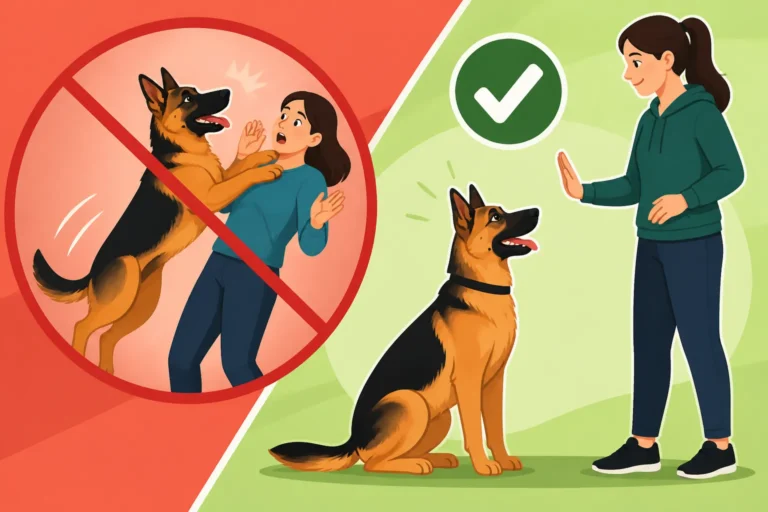
One highly effective technique for "stubborn" German Shepherds is the "Say Please" protocol. This simple concept means your dog must perform a basic command (like "sit" or "down") before they get anything they want. Want to go outside? Sit first. Want dinner? Sit first. Want a pat? Sit first.
This teaches your German Shepherd that polite behavior is the key to getting what they desire, and it gives them a clear, actionable way to communicate with you. It builds impulse control and reinforces the idea that you are the benevolent leader who controls resources. Over time, it dramatically reduces the perceived stubbornness because your dog learns that cooperating with you leads to good things. It becomes second nature for them to offer a "sit" when they want something.
Managing Common Challenges and Troubleshooting
Even with the best intentions and methods, you'll inevitably hit roadblocks. That's perfectly normal, especially with a strong-willed German Shepherd. Here's how to navigate some common challenges.
When Your Dog Ignores Commands
It's one of the most disheartening things: you give a command, and your German Shepherd just looks at you, or worse, completely ignores you and does their own thing. First, take a deep breath. This isn't personal. It's usually a sign that one of a few things is happening:
- Distraction Overload: Is the environment too stimulating? If you're working on a "stay" in a busy park, but your dog can only manage it in your quiet living room, you've jumped ahead too far. Go back to a less distracting environment and gradually increase the challenge.
- Lack of Motivation: Is your reward truly high-value? If your dog isn't performing, try a different, more enticing treat or toy. Are you delivering the reward immediately? Timing is everything.
- Command Confusion: Is your command clear and consistent? Are you accidentally giving multiple cues or changing your tone? Ensure everyone in the family uses the exact same command.
- Fatigue or Discomfort: Is your dog tired? Or are they experiencing any pain? As mentioned before, sudden resistance to a known command could indicate a health issue. A vet check-up is always a good idea if this is a new behavior.
When your dog ignores a command, avoid repeating it endlessly. Instead, make it easier for them to succeed (e.g., move closer, use a stronger lure, reduce distractions), reward them heavily when they do, and then gradually build back up. This is a marathon, not a sprint. If you're seeing persistent issues with ignoring commands, you might find useful tips in our guide on German Shepherd Obedience Training Basics.
Dealing with Leash Pulling and Reactivity
Stubbornness on walks often manifests as incessant leash pulling or reactivity towards other dogs or people. These behaviors can be incredibly frustrating and even dangerous. For leash pulling, the goal is to teach your German Shepherd that a loose leash means forward movement, and a tight leash means stopping. Start in a quiet area. When your dog pulls, immediately stop walking. Only resume when the leash slackens. This requires immense patience and consistency. Over time, your dog learns that pulling gets them nowhere.
For reactivity, it's a more complex issue. Often, what looks like stubbornness (e.g., refusing to move past another dog) is actually fear, anxiety, or over-excitement. Management is key: avoid triggers if possible, use a longer leash for more freedom of movement (a 6-foot leash is often better than a 4-foot one), and engage in counter-conditioning. This means associating the trigger (e.g., another dog) with something positive (a high-value treat) before your German Shepherd reacts. Keep sessions short and positive, ending before they reach their threshold. Products like a front-clip harness or a head halter, easily found on Amazon, can also provide better control during this training phase. For more detailed advice, read our article on German Shepherd Reactivity on Walks.
When to Seek Professional Help
There's absolutely no shame in admitting you need a little extra help, especially with a powerful and intelligent breed like the German Shepherd. If you've tried everything, remain consistent, and your dog's "stubbornness" or other behavioral issues are still overwhelming or getting worse, it's time to call in a professional. A certified professional dog trainer (CPDT-KA) or a certified dog behaviorist (CDBC) can assess your specific situation, observe your dog's behavior firsthand, and develop a customized training plan.
They can identify subtle cues you might be missing, help you understand the root cause of the behavior, and teach you advanced techniques. This is particularly important if you're dealing with any form of aggression or fear-based behaviors, which can sometimes be mistaken for stubbornness. Investing in professional guidance is an investment in your dog's well-being and your peace of mind. For serious behavioral issues, it's the wisest step you can take.
Utilizing Tools and Resources Effectively
Training aids and external resources can be incredibly helpful supplements to your consistent efforts, especially when dealing with a German Shepherd who has a mind of their own.
Essential Training Gear for Stubborn Dogs
Having the right tools can make a significant difference in your training journey.
- Long Line: For working on recall with a "stubborn" German Shepherd who might pretend not to hear you, a long line (15-30 feet) is invaluable. It allows your dog more freedom to explore while still giving you control and the ability to prevent them from running off. You can find sturdy options on Amazon. This tool is perfect for safely practicing German Shepherd Recall Training: Step-by-Step.
- Puzzle Toys and Treat Dispensers: Mental stimulation is just as important as physical exercise for German Shepherds. Puzzle toys challenge their minds, help burn off mental energy, and can prevent boredom-induced "stubborn" behaviors like destructive chewing. Fill them with kibble or high-value treats and let your dog figure out how to get them out. These can keep them engaged and thinking constructively.
- High-Quality Harness or Head Halter: For dogs who pull on the leash, a front-clip harness (like the Ruffwear Front Range or Easy Walk harness) or a head halter (like the Halti or Gentle Leader) can provide more leverage and control without causing pain or discomfort. These are management tools, not training solutions on their own, but they make walks much more manageable while you work on loose-leash training. Remember, these are widely available on Amazon.
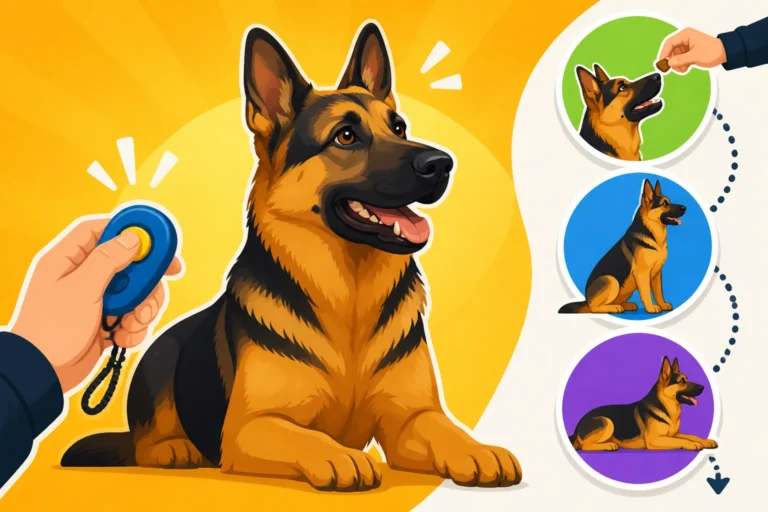
- Clicker: While not strictly for "stubborn" dogs, clicker training is an excellent way to provide precise, immediate positive reinforcement. The click marks the exact moment your dog performs the desired behavior, which helps them understand what they're being rewarded for. It can be particularly effective for sharp, intelligent breeds like German Shepherds, as it engages their cognitive abilities. Read more about German Shepherd Clicker Training for Beginners.
Leveraging Online and Community Resources
In today's connected world, you're never alone in your training journey. There's a wealth of information and support available:
- Online Training Platforms: As mentioned earlier, platforms like BAXTER & Bella offer structured online courses that can guide you through various training stages, from puppy basics to advanced obedience. These are fantastic for busy owners who need flexibility, or for those who prefer learning at their own pace. They often include videos, live Q&A sessions, and community forums.
- Local Dog Training Clubs and Classes: Group classes are not only great for learning new skills but also provide crucial socialization opportunities for your German Shepherd. Working around other dogs and people in a controlled environment helps generalize behaviors, meaning your dog learns to respond to commands no matter the distractions. Look for classes that use positive reinforcement methods.
- Breed-Specific Forums and Social Media Groups: Connecting with other German Shepherd owners can provide invaluable anecdotal advice, support, and commiseration. You'll find that many owners have faced similar "stubborn" challenges and can share what worked (or didn't work) for them. Just be mindful to always verify advice with certified professionals.
- Educational Books and Websites: There are countless reputable books and websites dedicated to positive dog training and German Shepherd specific care. Continually educating yourself on canine behavior and learning theory will empower you to become a better trainer and advocate for your dog. Look for authors who emphasize force-free, science-based methods.
Remember, a "stubborn" German Shepherd isn't trying to make your life difficult. They are complex creatures with intelligence, instincts, and their own way of seeing the world. By understanding their motivations, employing consistent positive reinforcement, and utilizing appropriate tools and resources, you can transform perceived stubbornness into a strong, willing partnership built on trust and mutual respect.
Disclaimer
The information provided in this guide is for general informational purposes only and is not a substitute for professional veterinary or training advice. Always consult with a qualified veterinarian or certified dog trainer for any health concerns or behavioral issues specific to your German Shepherd.