German Shepherd Hip Dysplasia Prevention
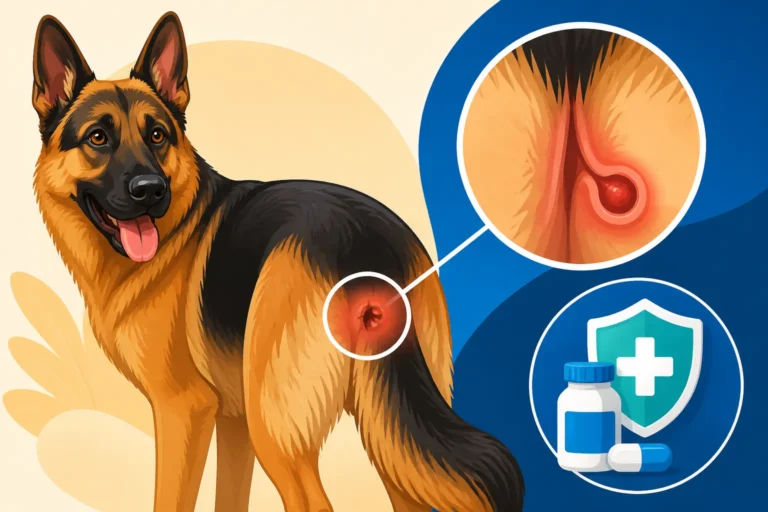
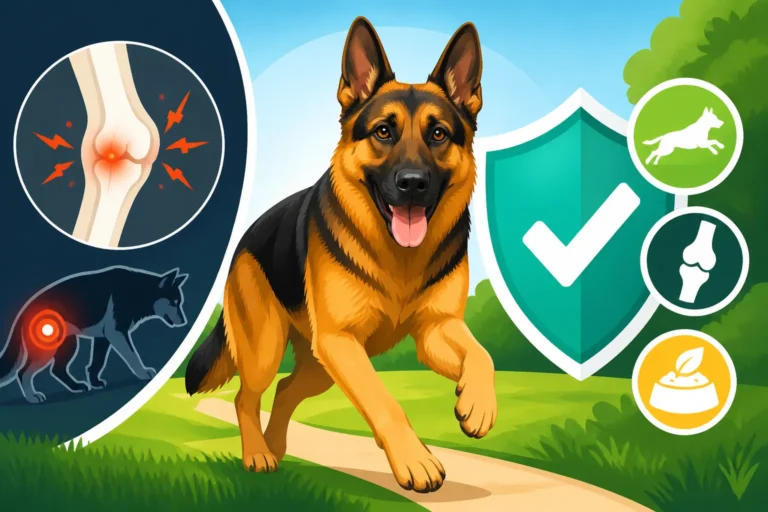
One of the most heartbreaking worries for any German Shepherd owner is the thought of hip dysplasia. Seeing your majestic companion struggle with pain, lose their playful gait, or simply have trouble getting up after a nap is a truly distressing experience. It’s a reality many GSD families face, but the good news is that there are many proactive steps we can take to significantly reduce the risk and impact of this common, debilitating joint condition. This guide will walk you through everything you need to know about preventing German Shepherd hip dysplasia, from puppyhood through their golden years.
Understanding Hip Dysplasia in German Shepherds
Before we can effectively prevent hip dysplasia, it's crucial to understand exactly what we're up against. It's not just a fancy vet term; it's a real, structural problem that can profoundly affect your dog's quality of life.
What Exactly is Canine Hip Dysplasia?
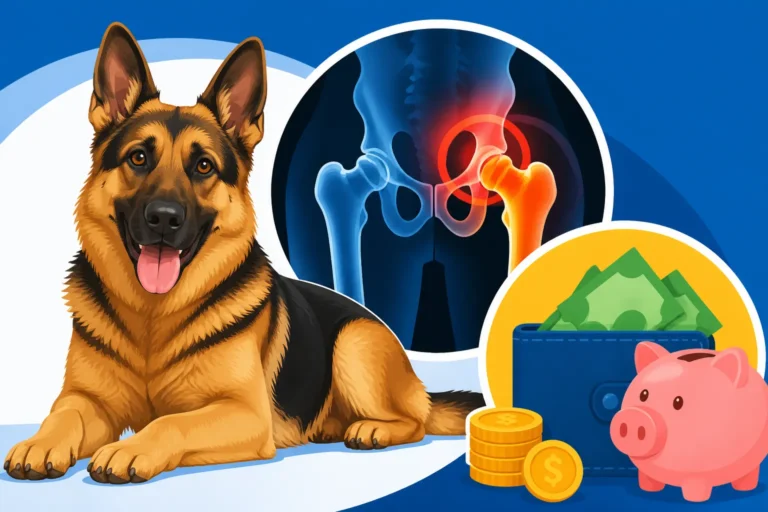
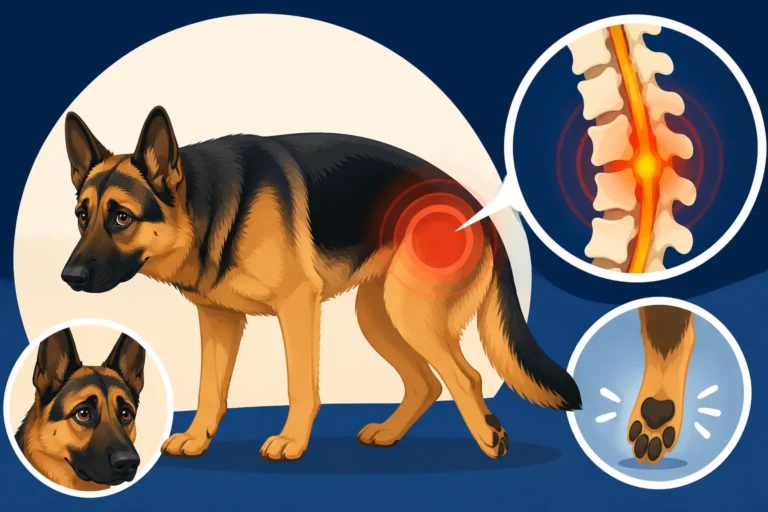
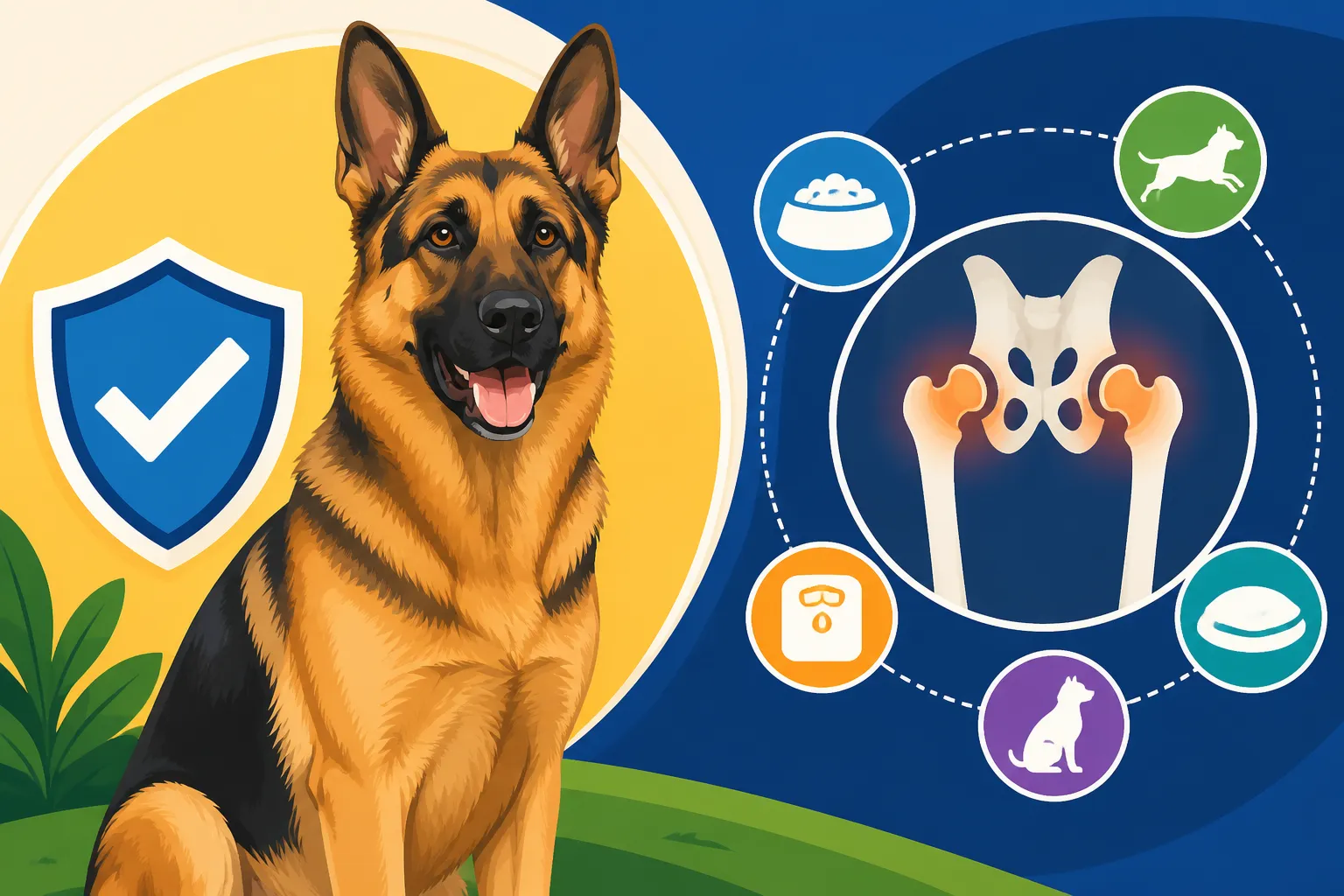
Canine hip dysplasia (CHD) is a complex condition that affects the hip joints. In a healthy dog, the hip joint works like a ball and socket: the "ball" (the head of the femur, or thigh bone) fits snugly into the "socket" (the acetabulum, part of the pelvis). When a dog has hip dysplasia, this fit isn't quite right. The joint might be loose, or the socket might be too shallow, or the ball might be misshapen. Over time, this poor fit leads to abnormal wear and tear on the cartilage and bone, causing inflammation, pain, and eventually, degenerative joint disease (osteoarthritis).
It's important to realize that hip dysplasia isn't something a puppy is born with in its final, degenerative state. Instead, they are born with genetically predisposed potential for the condition. The actual development of the loose joint and subsequent osteoarthritis is heavily influenced by a combination of genetics and environmental factors during their crucial growth period, particularly in the first year or two of life. This means that while genetics lay the groundwork, our actions as owners play a massive role in whether that genetic potential is realized and how severely it manifests.
Why German Shepherds Are Especially Prone
German Shepherds are, unfortunately, one of the breeds most commonly affected by hip dysplasia. This isn't a secret, and it's a topic that comes up often when discussing German Shepherd Health Problems Guide. Their specific genetic lineage, combined with their large size and rapid growth rate, makes them particularly susceptible. Research indicates that certain genes influence hip joint development, and these genes are prevalent in the German Shepherd gene pool.
Beyond genetics, the sheer size and structure of a German Shepherd contribute to the problem. Their powerful hindquarters are designed for strength and agility, but this also means significant stress is placed on their hip joints throughout their lives. When you combine this natural conformation with potential genetic predispositions and improper care during growth, you have a recipe for hip dysplasia. It's a sad reality, but one that responsible breeding and diligent ownership can help to mitigate significantly. Understanding that this is a breed-specific vulnerability helps us to be more vigilant and proactive in our prevention efforts.
Early Life Interventions for Prevention
The most critical period for preventing German Shepherd hip dysplasia is during puppyhood and adolescence. This is when their bones and joints are rapidly developing, and the choices you make can have a lifelong impact.
Responsible Breeding and Genetic Screening
The absolute first line of defense against hip dysplasia begins long before you even bring a puppy home: with responsible breeding. A reputable German Shepherd breeder will meticulously screen their breeding dogs for hip (and elbow) dysplasia using established certifications like OFA (Orthopedic Foundation for Animals) or PennHIP. This process involves taking specialized X-rays of the parent dogs' hips and having them evaluated by veterinary radiologists.
Breeders who participate in these programs aim to breed dogs with "good" or "excellent" hip scores, significantly reducing the chances of passing on the genetic predisposition to their offspring. This doesn't offer a 100% guarantee, as even parents with excellent hips can, in rare cases, produce a dysplastic pup due to complex polygenic inheritance. However, it drastically lowers the risk. When you're looking for a German Shepherd puppy, always ask to see the OFA or PennHIP certifications for both parents. This is non-negotiable. You can learn more about this process in our guide on OFA vs PennHIP Hip Scoring Explained. This due diligence on your part supports ethical breeding practices and gives your future companion the best possible start.
Controlled Exercise and Growth Plate Protection
One of the biggest mistakes new German Shepherd puppy owners make is over-exercising their young, energetic pups. While it's tempting to let them run wild and play endlessly, their growth plates (soft areas of cartilage at the ends of long bones) are still open and incredibly vulnerable. Excessive, high-impact activities like jumping, long runs on hard surfaces, or prolonged stair climbing can put undue stress on these delicate structures, potentially leading to improper joint development and increasing the risk of hip dysplasia.
For puppies, short, frequent play sessions on soft surfaces like grass are ideal. Focus on mental stimulation and controlled leash walks rather than demanding physical feats. Avoid activities that involve repetitive jumping or twisting. As a general rule, a puppy's exercise should be about 5 minutes per month of age, twice a day. So, a 4-month-old puppy needs roughly 20 minutes of controlled exercise, not an hour-long hike. As your German Shepherd grows, you'll want to gradually increase their exercise. Understanding German Shepherd Growth Plates and Exercise is crucial during this stage, as is knowing How Much Exercise Is Too Much for a Puppy. This controlled approach allows their bones and joints to mature properly without unnecessary strain.
Optimal Nutrition for Healthy Bone Development
Nutrition plays a pivotal role in a German Shepherd puppy's skeletal development. The goal is steady, moderate growth, not rapid, accelerated growth. Many large breed puppy foods are specifically formulated with controlled calcium and phosphorus levels to support this. Feeding a standard adult dog food or a high-calorie puppy food designed for smaller breeds can lead to your German Shepherd puppy growing too quickly, putting immense stress on their developing joints and increasing the risk of hip dysplasia.
Look for a high-quality large breed puppy formula that is lower in calories and calcium than regular puppy foods. Consult with your veterinarian on the best feeding strategy and specific brands. Overfeeding, even with the right food, can also lead to too-rapid growth, so follow feeding guidelines carefully and monitor your puppy's body condition. A lean, healthy puppy is a happy puppy with the best chance for sound joint development. This isn't just about weight; it's about the intricate balance of nutrients that support strong bones and cartilage without encouraging detrimental growth spurts.
Lifestyle and Management for Adult German Shepherds
Once your German Shepherd has matured, typically around 18-24 months of age, the focus shifts from protecting growth plates to maintaining healthy joints and preventing further degeneration.
Maintaining a Healthy Weight
One of the most impactful things you can do for your German Shepherd's hips throughout their life is to keep them at a healthy, lean weight. Excess weight puts incredible stress on their joints, accelerating the wear and tear on cartilage and exacerbating any existing hip laxity. Think about it: every extra pound your dog carries translates to additional pressure on those sensitive hip joints with every step, every jump, and every rise from a lying position.
Obesity is a major contributing factor to joint problems and can significantly worsen the symptoms and progression of hip dysplasia. Regular exercise and a carefully portioned diet are key. If you're unsure if your German Shepherd is at an ideal weight, consult your veterinarian. You should be able to easily feel their ribs without seeing them, and they should have a visible waistline when viewed from above. Maintaining proper weight is a critical component of How to Keep a German Shepherd Healthy and helps prevent problems like German Shepherd Weight and Obesity Risks. This simple step alone can make a world of difference in your dog's comfort and mobility.
Appropriate Exercise and Activity Levels
For adult German Shepherds, consistent, appropriate exercise is vital for maintaining strong muscles that support the hip joints and for preventing stiffness. However, "appropriate" is the key word. High-impact activities that involve sudden stops, starts, or twists—like chasing a frisbee for extended periods, jumping off high surfaces, or agility courses without proper conditioning—can still be detrimental, especially if there's any underlying joint laxity.
Instead, focus on low-impact activities such as swimming, brisk walks, and light jogging on soft surfaces. Swimming is particularly excellent as it builds muscle strength without any weight-bearing impact on the joints. Regular, moderate activity helps keep the joints lubricated and the surrounding muscles strong, which acts as a natural support system for the hips. If your dog already shows signs of joint discomfort, modifying their exercise routine becomes even more critical. Keep an eye out for any subtle changes in their gait or willingness to play, which could be among the First Signs of Hip Dysplasia in German Shepherds.
Joint Supplements and Supportive Therapies
While not a cure, certain joint supplements can play a supportive role in promoting joint health and potentially slowing the progression of arthritis associated with hip dysplasia. Common ingredients include glucosamine, chondroitin, and MSM, which are believed to help maintain cartilage and reduce inflammation. Omega-3 fatty acids, like those found in fish oil, also have powerful anti-inflammatory properties that can be beneficial.
However, it's crucial to discuss any supplement regimen with your veterinarian. Not all supplements are created equal, and your vet can recommend reputable brands and appropriate dosages tailored to your dog's specific needs. They can also discuss other supportive therapies like physical rehabilitation, hydrotherapy, or even acupuncture, which can significantly improve comfort and mobility. Many owners find value in these proactive measures, especially when combined with a good diet and exercise. Our article on German Shepherd Joint Health Supplements provides more in-depth information. Proactive care, even considering options like pet insurance from providers such as Healthy Paws, can help manage these potential long-term expenses.
Environmental Factors and Everyday Care
Beyond diet and exercise, your home environment and daily routine can also impact your German Shepherd's hip health. Small adjustments can make a big difference in preventing strain and improving comfort.
Safe Flooring and Mobility Support
Slippery floors are an insidious enemy of a German Shepherd's joints. Hardwood, tile, and laminate floors provide poor traction, forcing your dog to splay their legs to maintain balance. This constant slipping and sliding puts immense, unnatural strain on their hips and other joints. Imagine trying to walk on ice all day – that's what it feels like for them.
To mitigate this, cover slippery areas with rugs, runners, or carpet. Ensure your dog has good traction in high-traffic areas, especially where they might be running or making quick turns. For older dogs or those already showing signs of discomfort, ramps can be incredibly helpful for getting into and out of cars, onto furniture, or up stairs. Even simple non-slip socks or paw pads can provide extra grip. Small changes here can prevent painful slips and further joint damage.
Ergonomic Feeding and Resting Areas
Consider how your German Shepherd eats and sleeps. While there's some debate, many veterinarians recommend that large breeds like German Shepherds eat from raised bowls. This can help prevent them from having to stoop down, which might put less strain on their neck and front joints, although its direct impact on hip dysplasia prevention is less clear. However, it certainly can improve overall comfort, especially for dogs with existing neck or back issues.
Just as important is where they rest. An orthopedic bed designed for large breeds provides excellent support for their joints. These beds conform to their body, relieving pressure points and offering cushioning that a thin mat or the floor simply can't. A good quality orthopedic bed can help reduce stiffness, improve comfort, and provide crucial support to their hips and spine during long periods of rest. Look for beds with dense, supportive foam that won't flatten out quickly.
Regular Veterinary Check-ups and Monitoring
Even with the best preventative measures, sometimes hip dysplasia can still develop or progress. That's why regular veterinary check-ups are paramount. Your vet can perform physical examinations, assess your dog's gait and mobility, and catch subtle signs of discomfort or early-stage hip problems that you might miss. Early detection means early intervention, which can significantly impact the progression and management of the disease.
During these visits, discuss your German Shepherd's exercise routine, diet, and any changes in their behavior or mobility. Your vet might recommend X-rays if they suspect an issue, or they might suggest a preventative strategy like specific supplements or a modified exercise plan. Proactive and consistent communication with your veterinarian is key to keeping your German Shepherd healthy and addressing any potential hip issues as soon as they arise. These regular check-ups are also where having something like Healthy Paws pet insurance can really make a difference, covering diagnostics and ongoing care.
Debunking Common Myths and Misconceptions
There's a lot of information and misinformation floating around about hip dysplasia. Let's clear up some common myths that can sometimes hinder effective prevention.
The Myth of "Perfect Parents" Guaranteeing Perfect Hips
It's a common misconception that if a puppy's parents both have "Excellent" or "Good" OFA scores, their offspring are guaranteed to be free of hip dysplasia. While choosing puppies from health-tested parents drastically reduces the risk, it doesn't eliminate it entirely. Hip dysplasia is a polygenic trait, meaning multiple genes, not just one, contribute to its development. This complex genetic inheritance means that even two healthy-hipped parents can carry recessive genes that, when combined, can result in a puppy developing the condition.
Furthermore, environmental factors play a huge role, as discussed. A genetically predisposed puppy from "perfect" parents could still develop hip dysplasia if subjected to improper nutrition or excessive exercise during its critical growth period. This isn't to discourage choosing health-tested parents—it's still the single most important genetic step you can take. Rather, it's to emphasize that prevention is a multi-faceted approach, and even with the best genetics, diligent care on the owner's part remains crucial.
The Role of Spaying/Neutering in Joint Health
The timing of spaying or neutering has become a hot topic in canine health, particularly concerning large breeds and joint development. Traditional advice often recommended early spay/neuter (around 6 months of age). However, a growing body of research, including studies focusing on German Shepherds, suggests that early spay/neuter might be linked to an increased risk of certain orthopedic problems, including hip dysplasia and cruciate ligament tears.
The theory is that sex hormones play a role in the closing of growth plates. Removing these hormones too early might delay growth plate closure, leading to slightly longer bones and potentially altering joint conformation in ways that increase the risk of dysplasia or other injuries. For German Shepherds, many vets and breeders now advocate for delaying spay/neuter until the dog is fully mature, typically around 18-24 months of age, allowing the growth plates to close naturally. This decision should always be made in consultation with your veterinarian, weighing the pros and cons (like population control, mammary cancer risk in females, and behavioral issues) against the potential orthopedic benefits. It's a complex issue without a one-size-fits-all answer, so a personalized discussion with your vet is essential.
When Prevention Isn't Enough: Early Signs and Next Steps
Even with the most diligent preventative measures, hip dysplasia can sometimes develop. Knowing the signs and understanding your options is vital for your dog's well-being.
Recognizing the First Signs of Hip Dysplasia in German Shepherds
One of the most frustrating aspects of hip dysplasia is that the early signs can be incredibly subtle, or even mimic other conditions. German Shepherds are also stoic dogs, often masking pain until it becomes severe. This is why vigilance is so important. Look for changes in gait, such as a "bunny hop" when running (using both back legs together), or a reluctance to run, jump, or climb stairs. You might notice stiffness, especially after resting, or a decreased range of motion in their hips.
Other indicators can include limping, a shift in weight to the front legs (which might make their shoulders appear more muscular), or an audible clicking sound coming from their hips when they move. They might show sensitivity when their hip area is touched, or simply become less active and less enthusiastic about walks or play. If you observe any of these symptoms, don't wait. Early intervention can make a significant difference in managing the condition and maintaining your dog's quality of life. This is precisely why articles like German Shepherd Hip Dysplasia: Symptoms and Treatment are so valuable for owners.
Diagnostic Procedures and Treatment Options
If you suspect your German Shepherd might have hip dysplasia, the first step is a comprehensive veterinary examination. Your vet will perform a physical assessment, checking for hip pain, laxity, and range of motion. The definitive diagnosis, however, usually requires X-rays. Specialized hip X-rays will be taken, often with your dog sedated, to get clear images of the hip joint's structure and assess the degree of laxity and any degenerative changes.
Once diagnosed, treatment options depend on the severity of the dysplasia, your dog's age, and your budget. Non-surgical management often involves pain medication (NSAIDs), joint supplements (like the ones mentioned in Best Supplements for German Shepherd Hips), controlled exercise, weight management, and physical therapy. For more severe cases, surgical interventions may be recommended, ranging from FHO (Femoral Head Ostectomy) to total hip replacement (THR). Total hip replacement offers the best long-term outcome for severe cases but is also the most expensive and invasive option. Learning about options like German Shepherd Hip Dysplasia Without Surgery or understanding the potential German Shepherd Hip Dysplasia Surgery Cost can help you prepare. Regardless of the path, the goal is always to manage pain and improve mobility.
Summary of German Shepherd Hip Dysplasia Prevention Strategies
Here’s a quick overview of the proactive steps you can take throughout your German Shepherd’s life:
| Life Stage | Key Prevention Strategies | Specific Actions |
|---|---|---|
| Pre-Puppy | Responsible Breeding | Choose a breeder who health-tests parents (OFA/PennHIP). |
| Puppy (0-12 mos) | Controlled Growth & Exercise | Feed large breed puppy food, limit high-impact activities, avoid rapid weight gain. |
| Growth Plate Protection | Avoid excessive jumping, long runs, and stairs; short, frequent play on soft surfaces. | |
| Adolescent (1-2 yrs) | Healthy Weight Maintenance | Monitor food intake, ensure lean body condition. |
| Appropriate Exercise | Introduce low-impact activities like swimming, gradually increase duration. | |
| Adult (2+ yrs) | Ongoing Joint Support | Maintain ideal weight, continue appropriate exercise, consider vet-approved joint supplements. |
| Environmental Adjustments | Use non-slip rugs, ramps, provide orthopedic bedding. | |
| All Stages | Regular Vet Care | Schedule routine check-ups, discuss diet, exercise, and any mobility changes. |
Disclaimer
The information provided in this article is for educational purposes only and is not a substitute for professional veterinary advice. Always consult with a qualified veterinarian regarding any health concerns or before making any decisions about your German Shepherd's medical care.