How Often to Brush a German Shepherd
If you share your home with a majestic German Shepherd, you know that their beautiful, dense double coat is both a blessing and, let's be honest, sometimes a fluffy curse. The sheer volume of hair that can appear on your floors, furniture, and even in your coffee is a familiar frustration for many GSD owners. Determining the right brushing schedule to keep that impressive coat healthy, minimize shedding, and maintain your home’s cleanliness can feel like an unending quest. This comprehensive guide is designed to clarify exactly how often you should be brushing your German Shepherd, arming you with the knowledge and tools to confidently manage their magnificent, albeit shedding, fur.
Understanding the German Shepherd Coat and Why They Shed So Much
Before we dive into the nitty-gritty of brushing frequency, it’s crucial to understand the unique structure of your German Shepherd's coat. This isn't just about surface beauty; it's a vital part of their physiology, designed for protection and insulation. Knowing why they shed helps us better appreciate the how and how often of their grooming needs.
The Double Coat Explained
A German Shepherd's coat is what we call a "double coat," meaning it consists of two distinct layers, each with its own purpose. This is a common trait in breeds originating from colder climates, providing them with natural insulation against the elements.
The outer coat, often called the guard coat, is made up of longer, coarser hairs. These hairs are somewhat water-resistant and serve as the first line of defense against rain, snow, dirt, and UV radiation. They give your German Shepherd that characteristic sleek or slightly wavy appearance, and they're what you typically see and feel when petting them. While these hairs do shed, they don't contribute to the massive "fur-nados" quite as much as the layer beneath.
Below this protective outer layer lies the undercoat. This is where the real shedding drama unfolds! The undercoat is incredibly dense, soft, and woolly, acting like a built-in down jacket. Its primary job is to provide insulation, keeping your German Shepherd warm in winter and surprisingly, by trapping cool air, helping to keep them cooler in summer. The sheer volume of this undercoat means that when it starts to shed, it's a significant event, and it requires consistent attention to prevent matting and discomfort.
Seasonal Blowing Coat Phenomenon
If you’ve owned a German Shepherd for any length of time, you've likely experienced the infamous "blowing coat" period. This isn't just regular shedding; it's an intensified, often overwhelming, process where your dog sheds large amounts of their undercoat to adapt to seasonal temperature changes.
Typically, German Shepherds blow their coat twice a year: in spring, to get rid of their dense winter undercoat and make way for a lighter summer layer, and in fall, to shed their summer coat and grow a thicker one for winter. This process can last for several weeks, and during this time, you might feel like your dog is trying to recreate itself out of shed fur. The amount of hair that comes off during a single brushing session can be astonishing, often filling an entire grocery bag or more. It’s important to remember that this is a completely natural and healthy process, but it demands a significant increase in your grooming efforts to keep your dog comfortable and prevent huge clumps of dead hair from getting stuck in their coat, which can lead to mats and skin irritation. Understanding this cycle is paramount to mastering your German Shepherd’s grooming routine.
The Core Question: How Often to Brush Your German Shepherd
Now for the answer you've been waiting for! There isn't a single, one-size-fits-all answer, as the ideal frequency can fluctuate based on the season, your dog's individual coat, and their lifestyle. However, we can establish a baseline and then adjust from there.
Daily Brushing for Maintenance
For most German Shepherds, especially those with standard coats and during periods of lighter shedding, daily brushing is the gold standard. This might sound like a lot, but a quick 5-10 minute session each day can make an enormous difference in managing loose hair before it has a chance to settle on your furniture or tangle in your dog's coat.
Daily brushing serves several crucial purposes. Firstly, it effectively removes loose hairs from both the outer coat and the top layer of the undercoat, preventing them from falling out all over your home. Secondly, it helps distribute natural skin oils, promoting a healthy, shiny coat and preventing dry, flaky skin. Thirdly, it's an excellent opportunity to bond with your dog and perform a quick physical check. You can feel for any new lumps, bumps, skin irritations, ticks, or fleas that might otherwise go unnoticed. This regular contact helps reinforce your bond and makes subsequent grooming sessions much easier and more enjoyable for your German Shepherd. Think of it as preventative maintenance for their coat and a daily health check rolled into one. For more insights on overall health, check out our guide on German Shepherd Health Problems Guide.
Increased Frequency During Shedding Seasons
When your German Shepherd is "blowing coat" – typically in spring and fall – the daily brushing routine needs a serious upgrade. During these peak shedding times, you'll want to increase your brushing frequency to 2-3 times a day, or even more for short, targeted sessions.
The goal during these periods is to remove as much of the dead undercoat as possible. If you don't keep up, the loose fur can quickly become matted, especially behind the ears, on the legs, and around the tail. Mats are not only uncomfortable but can also lead to skin infections because they trap moisture and prevent air circulation. While it might seem like a Herculean task, staying on top of the shedding during these weeks will ultimately make the process smoother and your dog more comfortable. Each session doesn't have to be a full-blown grooming marathon; even 15-20 minutes of concentrated effort with the right tools multiple times a day will make a noticeable impact. You'll be amazed (and perhaps a little horrified) by the sheer volume of fur you remove, but your German Shepherd will thank you for the relief. For more tips, our guide on German Shepherd Shedding: How to Manage It offers additional strategies.
Factors Influencing Brushing Frequency
Beyond seasonal changes, several other factors can influence how often you need to brush your German Shepherd. Every dog is an individual, and their coat needs can vary.
- Coat Length: While most German Shepherds have a standard, medium-length coat, some possess the recessive "long-coat" gene, resulting in longer hair, especially on the ears, legs, and tail. Long-haired German Shepherds generally require more frequent and thorough brushing to prevent tangles and mats, even outside of peak shedding seasons. Their longer guard hairs can more easily catch and hold onto loose undercoat.
- Lifestyle and Environment: A German Shepherd who spends a lot of time outdoors, especially in brush or dusty environments, might accumulate more dirt and debris in their coat, leading to quicker matting. Similarly, dogs who are highly active might have more vigorous shedding due to metabolic factors. An indoor-only dog might shed more consistently year-round due to artificial lighting and climate control, whereas dogs exposed to natural light cycles will have more pronounced seasonal sheds.
- Individual Shedding Habits: Just like people, dogs have individual variations. Some German Shepherds are simply heavier shedder than others, even within the same litter. Pay close attention to your own dog's specific shedding patterns throughout the year, and adjust your routine accordingly. If you notice an unusually sudden or excessive amount of shedding outside of the normal seasonal blow-out, it could be a sign of an underlying health issue and warrants a vet visit. Learning to identify Signs of a Healthy German Shepherd can help you distinguish normal shedding from concerning changes.
Essential Tools for Effective German Shepherd Brushing
Having the right arsenal of grooming tools is just as important as knowing how often to brush. Using the wrong tool can be ineffective, uncomfortable for your dog, or even damage their coat and skin. Here's a breakdown of the must-have brushes and combs for your German Shepherd.
Deshedding Tools
These are your heavy-hitters during the shedding seasons, designed specifically to reach and pull out that dense undercoat. They are incredibly effective but must be used correctly to avoid irritation.
One popular type is the undercoat rake, which has long, rotating teeth that penetrate the outer coat to gently pull out loose undercoat. These are fantastic for preventing mats and thinning out the undercoat. Another well-known tool is often referred to as a "deshedding blade" or "deshedding tool" (like the famous FURminator). These typically have a finely toothed edge designed to grab and remove loose undercoat hair without cutting the guard coat. While highly effective, these tools should be used sparingly and with a light touch, as over-brushing with them can irritate the skin or even remove healthy topcoat hair. Focus on short, gentle strokes, and lift the tool after each stroke to release the collected hair. You can find a wide selection of these essential deshedding tools on platforms like Amazon or Chewy, ensuring you have options that suit your dog's specific coat type and your budget.
Slicker Brushes and Pin Brushes
These brushes serve different, but equally important, roles in your German Shepherd's grooming routine, especially for the topcoat and general detangling.
A slicker brush typically has fine, short wires packed closely together on a flat or curved surface. These are excellent for removing mats and tangles from the outer coat and for smoothing the fur. They're also great for general tidying up and removing superficial loose hair after a deshedding session. When using a slicker brush, always be gentle, especially around sensitive areas, as the wires can scratch the skin if too much pressure is applied. Use light, sweeping motions.
A pin brush resembles a human hairbrush with widely spaced wire or plastic pins, often with rounded tips. These are ideal for longer-coated German Shepherds or for breaking up minor tangles in the topcoat without pulling or causing discomfort. They are less effective at removing significant undercoat but are great for finishing touches, fluffing the coat, and general daily maintenance brushing. They are particularly useful for dogs who are sensitive to the feel of a slicker brush.
Grooming Rakes and Combs
For getting truly deep into that thick German Shepherd coat, especially during heavy shedding, grooming rakes and wide-toothed combs are indispensable.
A grooming rake with sturdy, widely spaced teeth is perfect for reaching through the dense outer coat and pulling out loose undercoat without damaging the top layer. These are especially valuable for German Shepherds with longer coats or very thick undercoats, as they can detangle and remove dead hair more gently than some deshedding blades. Always brush in the direction of hair growth, starting from the neck and working your way down the body, legs, and tail.
A wide-toothed comb is excellent for checking your work after brushing and for tackling any stubborn mats. After you've used your deshedding tools and brushes, run a comb through various sections of the coat. If the comb glides smoothly, you've done a good job. If it snags, you'll know exactly where a small tangle or remaining clump of dead undercoat needs further attention. A metal comb with both wide and narrower teeth can be particularly versatile. Using a comb is also crucial for working through feathering on the legs and tail, where mats can form easily. For a comprehensive look at all grooming aspects, refer to our guide on How to Groom a German Shepherd.
Step-by-Step Guide to Brushing Your German Shepherd
Brushing your German Shepherd isn't just about dragging a tool through their fur; it's a systematic process that, when done correctly, is comfortable for your dog and maximally effective for you. Here’s how to approach it.
Setting Up for Success
A successful grooming session starts long before you even pick up a brush. Proper preparation makes the experience more pleasant for both you and your German Shepherd.
First, choose the right location. A place that’s easy to clean is paramount because, let's face it, you're going to have a lot of hair. Many people opt for an outdoor area if weather permits, or a room with hard floors that can be easily swept or vacuumed. If brushing indoors, consider laying down a sheet or old blanket to catch the hair. Next, gather all your tools before you begin. This includes your deshedding tools, slicker brush, pin brush, and wide-toothed comb, along with a pile of their favorite treats. You might also want a damp cloth for wiping your dog's face or your hands, and a waste receptacle for the fur you collect. Finally, make sure your dog is in a calm, relaxed mood. If they’re full of energy, a quick walk or play session beforehand can help them settle down for grooming. Start with short sessions, especially with puppies, making it a positive experience with plenty of praise and treats. This early positive association is key for German Shepherd Puppy Training Guide and future cooperation.
The Brushing Process
Once you're set up, you can begin the actual brushing. The key is to be gentle, thorough, and methodical.
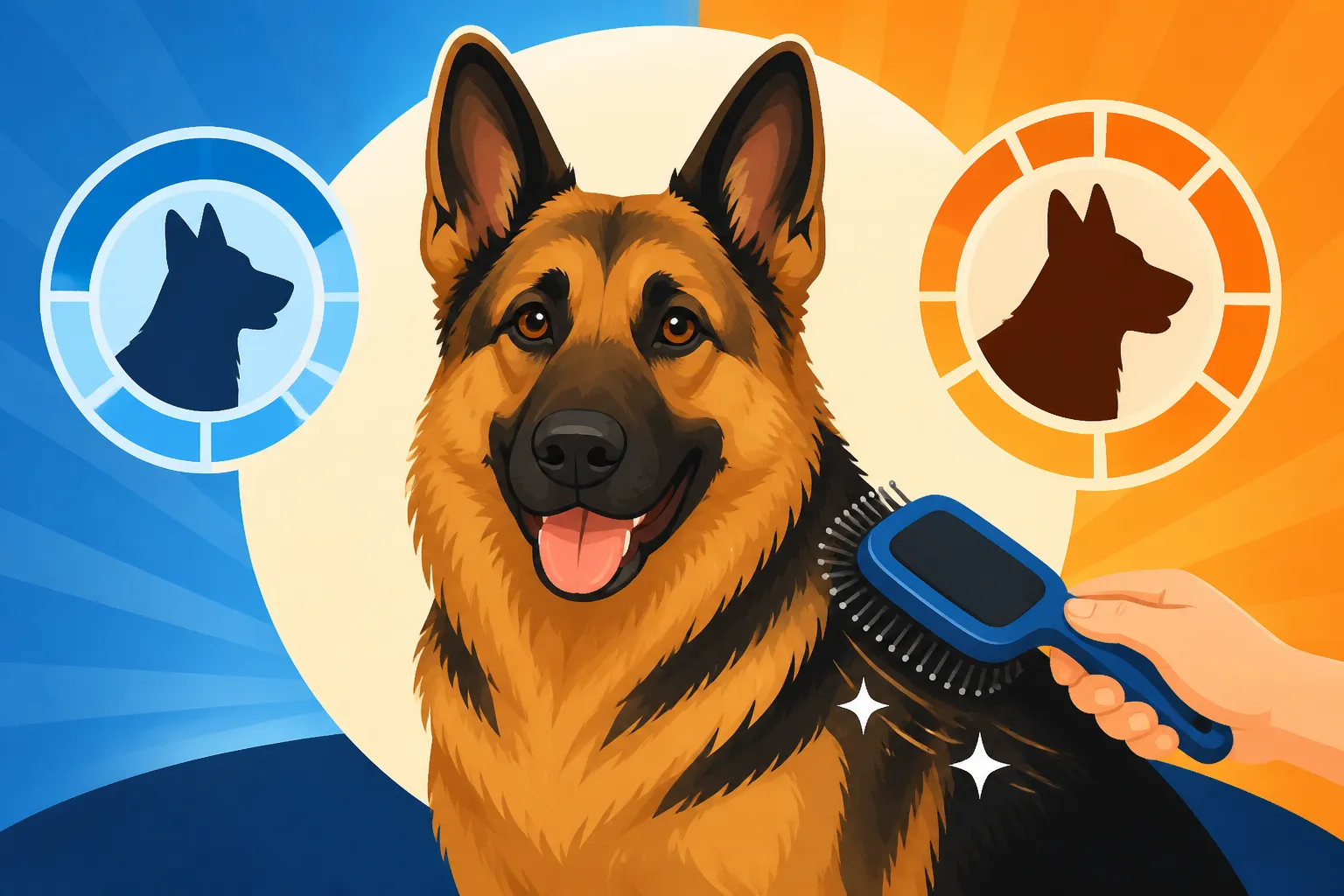
Always start by using a pin brush or slicker brush to go over the entire coat, gently removing any superficial tangles or loose surface hair. This initial pass helps prepare the coat for deeper work. Once the topcoat is free of major snags, switch to your undercoat rake or deshedding tool. Work in small sections, always brushing in the direction of hair growth. Start from your dog's head or neck and work your way down their back, sides, chest, and then to their legs and tail. For areas with denser undercoat, like the rump or behind the ears, you might need to make multiple passes. With deshedding tools, use a light hand and short strokes, lifting the tool after each stroke to clear the collected hair. Never pull or tug harshly, as this can be painful for your dog. Pay special attention to areas prone to matting, such as the "armpits," behind the ears, and around the tail. As you brush, use your free hand to gently hold down the skin to prevent pulling.
Throughout the process, frequently stop to offer praise and treats, reinforcing that this is a good experience. If your dog shows signs of discomfort or restlessness, take a short break. Once you feel you’ve removed the bulk of the dead undercoat, use your wide-toothed comb to do a final check. Run it through the coat; if it glides smoothly, you’re done! If it snags, go back to that specific spot with your appropriate tool. This methodical approach ensures you don't miss any spots and keeps your German Shepherd comfortable.
Post-Brushing Care and Cleanup
You've done the hard work, now it's time to finish strong and clean up.
After a thorough brushing session, always give your German Shepherd a final reward, whether it’s a favorite treat, a quick game of fetch, or some extra cuddles. This reinforces the positive association with grooming. Next, take a moment to inspect your dog's skin, looking for any redness, irritation, dry patches, or new bumps that the brushing might have revealed. This regular check is a crucial part of German Shepherd Coat and Skin Care.
Finally, clean your grooming tools. Remove all the collected hair from your brushes and combs. A comb can often be used to clean the bristles of a slicker brush, or you can use your fingers to pull out the hair from deshedding tools. Keeping your tools clean ensures they remain effective and hygienic for the next session. And, of course, the biggest task: clean up all that shed fur! Whether it's sweeping, vacuuming, or shaking out a blanket, dealing with the mountain of hair is a testament to your excellent grooming efforts.
Common Brushing Mistakes to Avoid
Even with the best intentions, it's easy to fall into common brushing traps that can be ineffective or even detrimental to your German Shepherd's coat and skin health. Being aware of these pitfalls can save you a lot of frustration and keep your dog happier.
Not Brushing Deep Enough
One of the most frequent mistakes German Shepherd owners make is only brushing the surface of the coat. It’s easy to quickly run a brush over the top layer and think you're done, especially if your dog has a thick outer coat. However, this superficial brushing fails to address the underlying issue: the dense, shedding undercoat.
When you don't brush deep enough, the dead undercoat remains trapped beneath the guard hairs. This trapped fur quickly forms mats, particularly in high-friction areas like behind the ears, around the collar, in the "armpits," and on the legs. Mats are not just unsightly; they pull on the skin, causing pain and discomfort. They can also trap moisture, leading to skin infections, hot spots, and parasite infestations because the skin underneath can't breathe. Always remember to use tools specifically designed to penetrate the outer coat and remove the undercoat, ensuring you're reaching down to the skin level. This is where tools like an undercoat rake or a deshedding tool become invaluable.
Over-Brushing with Deshedding Tools
While deshedding tools are incredibly effective, there's a fine line between effective grooming and over-brushing. This is a crucial mistake to avoid, as it can lead to more problems than it solves.
Aggressive or overly frequent use of deshedding tools, particularly those with sharp blades, can cause skin irritation, redness, or even "brush burn." The repetitive scraping action can be harsh on sensitive skin. Furthermore, these tools, if used improperly or excessively, can actually damage healthy guard hairs, thinning out the protective outer coat or causing it to become brittle. This can leave your German Shepherd's skin more vulnerable to sun exposure and other environmental elements. The rule of thumb for deshedding tools is to use them only until the amount of hair coming off significantly reduces, and then stop. During peak shedding, this might mean a few short sessions a day, but for general maintenance, once or twice a week might suffice, focusing more on slicker and pin brushes for daily topcoat care. Always observe your dog's skin for any signs of irritation and adjust your technique and frequency accordingly.
Skipping Regular Brushing
Perhaps the most common mistake of all is simply not brushing regularly enough. Life gets busy, and grooming can feel like a chore, but skipping consistent brushing with a German Shepherd can quickly escalate into a challenging situation.
When you only brush sporadically or wait until shedding is completely out of control, you're setting yourself up for longer, more difficult, and potentially painful grooming sessions for your dog. The longer dead undercoat remains in the coat, the more likely it is to mat. Once mats form, they are much harder to remove gently, often requiring specialized dematting tools or even professional grooming. This can turn grooming into a negative experience for your dog, making them resistant to future sessions. Consistent, even short, daily brushing helps prevent these issues from ever becoming severe. It keeps the undercoat manageable, reduces the amount of loose hair around your home, and allows you to quickly address any minor tangles before they become major problems. Remember, consistency is key to keeping that magnificent German Shepherd coat healthy and your grooming routine stress-free.
Beyond Brushing: Other Shedding Management Tips
While brushing is undeniably the cornerstone of managing German Shepherd shedding, it's part of a larger picture. A holistic approach that includes diet, professional care, and proper bathing can significantly enhance your efforts and lead to an even healthier, happier dog. This integrated strategy is key to How to Keep a German Shepherd Healthy.
Diet and Supplements
What goes into your German Shepherd's body has a profound impact on what comes out – including their coat health and shedding. A high-quality diet provides the foundational nutrients for healthy skin and strong hair follicles.
Look for dog foods that list real meat as the first ingredient and contain a balanced profile of vitamins, minerals, and essential fatty acids. Omega-3 and Omega-6 fatty acids, in particular, are vital for skin hydration and coat luster, which can reduce excessive shedding caused by dryness or poor hair quality. Brands like Ollie offer fresh, human-grade dog food that can contribute to overall health and coat vitality. Many owners also consider adding supplements like fish oil (salmon, sardine, or anchovy oil) to their dog's diet, as these are rich sources of Omega-3s. Always consult your vet before introducing any new supplements to ensure they are appropriate for your dog's specific needs and to get the correct dosage. A high-quality diet and appropriate supplements can truly make a noticeable difference in the amount and quality of your dog's coat and shedding. For more on this topic, refer to our guide on Best Dog Food for German Shepherds and Best Supplements for German Shepherds.
Professional Grooming
Sometimes, despite your best efforts, the sheer volume of German Shepherd fur can be overwhelming, especially during those intense "blowing coat" seasons. This is where professional groomers can become your best friend.
Professional groomers have access to high-velocity dryers and specialized tools that can effectively "power out" vast amounts of dead undercoat in a way that's difficult to replicate at home. A professional deshedding treatment typically involves a thorough bath with deshedding shampoo, followed by powerful blow-drying that loosens and removes the undercoat, and finally, expert brushing and trimming (if needed). Many owners find that one professional deshedding session during the spring and fall blow-outs can significantly reduce the amount of work needed at home for weeks afterward. It’s an investment that can save you time, reduce stress, and ensure your German Shepherd is truly comfortable and free of matting. Don't underestimate the power of a professional touch when your home grooming routine is falling behind.
Regular Bathing
While often overlooked in the context of shedding, regular and proper bathing plays a supportive role in managing your German Shepherd's coat health and minimizing loose hair.
Bathing helps loosen dead hairs and remove dander and dirt that can contribute to matting. When you bathe your German Shepherd, especially during shedding season, use a good quality dog shampoo designed for deshedding or general coat health. Lather thoroughly and let the shampoo sit for a few minutes to help loosen the dead hair. The rinsing process, especially when followed by a conditioner, will further aid in releasing those loose strands. The most critical part of bathing a double-coated breed like a German Shepherd is thorough drying. Using a high-velocity pet dryer (not a human hairdryer, which can be too hot) can force out a significant amount of loose undercoat while drying the hair to the skin, preventing skin issues. If you don't have a high-velocity dryer, towel dry as much as possible, then allow your dog to air dry in a warm, dry area, brushing frequently as they dry to prevent matting. Avoid over-bathing, as it can strip essential oils from their skin and coat. Typically, bathing every 4-8 weeks or as needed (if they get particularly dirty) is sufficient, but adjust based on your dog's activity level and coat condition. For a detailed guide on dental care, another crucial aspect of overall hygiene, read our article on German Shepherd Dental Care Explained.
German Shepherd Brushing & Grooming Schedule
To summarize, here's a general guideline for brushing your German Shepherd, tailored to their unique needs throughout the year.
| Season | Frequency | Primary Tools | Key Focus | Additional Tips |
|---|---|---|---|---|
| Normal | Daily (5-10 minutes) | Pin brush, Slicker brush | Removing loose topcoat, detangling, oil distribution | Bonding, quick health checks, minor mat prevention |
| Spring/Fall (Blowing Coat) | 2-3 times/day (15-20 min each) | Undercoat rake, Deshedding tool, Slicker brush | Removing massive amounts of dead undercoat, mat prevention | Consider professional deshedding, bathe more frequently (with thorough drying) |
| Long-Haired GSD | Daily (10-15 minutes) | Pin brush, Grooming rake, Wide-toothed comb | Preventing tangles, removing undercoat, maintaining feathering | Pay extra attention to feathering on legs/tail, more prone to mats |
This schedule is a general guideline; always observe your individual German Shepherd's coat condition and shedding patterns, and adjust as needed. Consistent effort, even in short bursts, will yield the best results for a healthy, manageable coat.
Disclaimer
The information provided in this article is for general informational purposes only and is not intended to be a substitute for professional veterinary advice, diagnosis, or treatment. Always seek the advice of your veterinarian or other qualified health provider with any questions you may have regarding a medical condition or health management for your German Shepherd.