How to Improve a German Shepherd’s Coat Shine
There's nothing quite like the sight of a magnificent German Shepherd, but sometimes, despite our best efforts, their once lustrous coat can start to look a bit dull, dry, or even flaky. It’s a frustrating situation when you know you’re doing your best, but their natural sheen just isn't there. This comprehensive guide is here to walk you through exactly how to bring back that gorgeous, healthy shine to your German Shepherd's coat, addressing everything from nutrition to grooming and supplementary care.
Understanding Your German Shepherd's Coat and Why It Matters
Before we dive into solutions, it’s really helpful to understand what makes your German Shepherd’s coat so special and what a truly healthy coat looks and feels like. This understanding forms the groundwork for recognizing issues and applying the right fixes. A dull coat isn't just a cosmetic problem; it can often be a sign that something deeper is amiss with your dog's health or care routine.
The Double Coat Explained
German Shepherds are renowned for their magnificent double coats, which are designed to protect them in various climates. This unique coat structure consists of two distinct layers: a dense, soft undercoat and a coarser, straight, or slightly wavy outer coat, known as guard hairs. The undercoat acts as insulation, keeping them warm in winter and cool in summer by trapping air. The outer coat, the one we mostly see, repels water and dirt, protecting the delicate undercoat and skin beneath. It's these guard hairs that primarily contribute to the coat's visible luster and shine when healthy.
Because of this double layer, proper care is crucial. If either layer isn't well-maintained, the overall health and appearance of the coat can suffer dramatically. A neglected undercoat can become matted, trapping moisture and leading to skin issues, while damaged guard hairs will lose their natural ability to reflect light, resulting in a dull, lackluster appearance. This is why you'll often hear us talk about specific brushes and techniques for these breeds – they're not just for looks, they're essential for their well-being. Keeping this double coat healthy is a big part of German Shepherd Coat and Skin Care.
Signs of a Healthy vs. Dull Coat
Knowing what a healthy German Shepherd coat looks like is your first step in identifying when it's not at its best. A healthy coat should be noticeably shiny, smooth to the touch, and free of excessive shedding outside of their seasonal "blows." The color should be rich and vibrant, without any faded or patchy areas. The skin underneath should be clean, pliable, and free from redness, flakiness, bumps, or unpleasant odors. When you run your hands through it, you shouldn't feel excessive grease or extreme dryness.
Conversely, a dull coat is often accompanied by other tell-tale signs. You might notice the hair strands themselves look brittle or coarse. There could be visible dandruff or flakiness on the skin, which might indicate dryness or even allergies. Excessive scratching, licking, or biting at the skin can point to underlying irritations, parasites, or allergic reactions that are impacting coat health. Sometimes, the coat might even feel greasy or sticky, which can be a sign of improper bathing or a skin condition. Recognizing these differences is key to diagnosing the issue and effectively improving your German Shepherd's appearance and comfort. For more on general health, consult our German Shepherd Health Problems Guide.
Nutrition: The Foundation of a Brilliant Coat
You might think that a shiny coat is all about what you put on your dog, but the truth is, it starts from within. What your German Shepherd eats plays the most significant role in the health and luster of their coat. Just like humans, a dog's outer appearance is often a mirror of their internal well-being. A diet lacking essential nutrients will inevitably manifest as a dull, dry, or even sparse coat.
The Role of Essential Fatty Acids
When it comes to coat health, essential fatty acids (EFAs), particularly Omega-3 and Omega-6, are the undisputed champions. These aren't just "nice-to-have" additions; they are crucial components that your dog's body cannot produce on its own and must obtain from their diet. Omega-3s, commonly found in fish oils like salmon or sardine oil, are powerful anti-inflammatories. They help to soothe irritated skin, reduce itching, and promote a healthy skin barrier. A robust skin barrier, in turn, keeps moisture locked in, preventing dryness and encouraging a supple, shiny coat.
Omega-6 fatty acids, often found in plant-based oils like sunflower or safflower oil, also play a vital role in maintaining skin hydration and the structural integrity of skin cells. While both are necessary, the balance between Omega-3 and Omega-6 is critical for optimal health. Too much Omega-6 without enough Omega-3 can actually exacerbate inflammation. Many high-quality dog foods, readily available on platforms like Chewy, prioritize these ingredients, ensuring a good ratio to support overall health and a gleaming coat. Look for foods that list specific sources of these oils, rather than just "animal fat."
High-Quality Protein and Vitamins
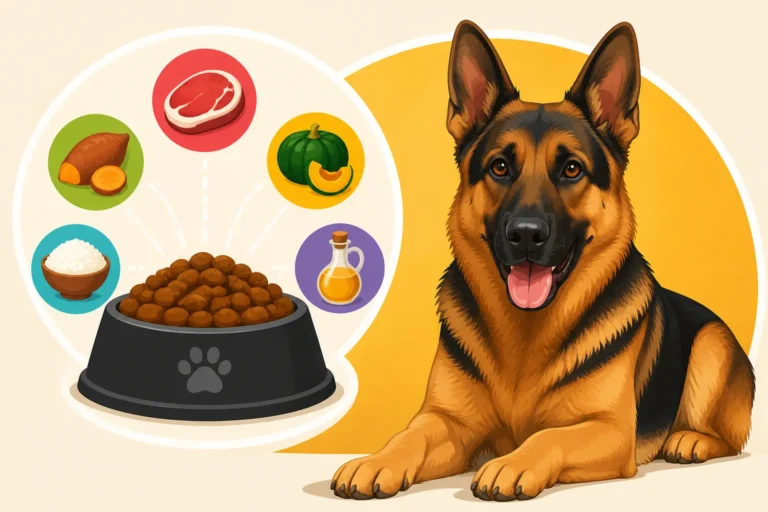
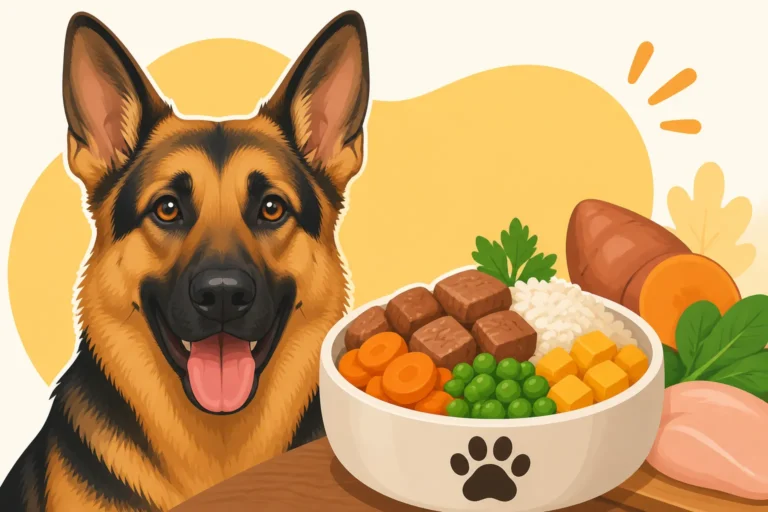
Beyond healthy fats, high-quality protein and a full spectrum of vitamins are non-negotiable for a vibrant coat. Hair is primarily made of protein (keratin), so a diet rich in easily digestible animal proteins is fundamental for strong, healthy hair growth. This means ingredients like chicken, beef, lamb, or fish should be prominent in their food, not fillers like corn or soy. Aim for foods where meat is the first ingredient, and ideally, the first few. Think about it: weak, brittle hair in humans often points to protein deficiency, and it's no different for our canine companions.
Vitamins, particularly B vitamins like biotin, and fat-soluble vitamins like A and E, are also crucial. Biotin is often highlighted for its role in skin and coat health, contributing to stronger hair and nails. Vitamin A supports healthy skin cell turnover, while Vitamin E is a powerful antioxidant that protects skin cells from damage. A complete and balanced commercial dog food formulated for large breeds, or a carefully balanced fresh food diet like what you might find from a brand like Ollie, should provide these necessary components. Always remember that proper German Shepherd Nutrition Essentials are key to overall well-being, not just a shiny coat.
Hydration for Skin and Coat Health
We often focus on what goes into the food bowl, but let's not forget the water bowl! Proper hydration is absolutely essential for every bodily function, and that includes skin and coat health. Just like human skin, a dog's skin can become dry, flaky, and lose its elasticity when dehydrated. This directly impacts the hair follicles, leading to a dull, brittle coat that sheds excessively. Think of it as watering a plant – without enough water, it wilts and loses its vitality.
Ensuring your German Shepherd has constant access to fresh, clean water is paramount. Many dogs don't drink enough, especially if their water bowl isn't appealing or frequently refilled. Consider investing in a filtered water bowl or a pet drinking fountain, which can entice some dogs to drink more due to the circulating water. If your dog is consistently not drinking enough, incorporating wet food into their diet or adding a splash of bone broth to their water can significantly increase their daily fluid intake. Remember, a well-hydrated dog will have plump, healthy skin cells, which are the foundation for a lustrous coat. You can learn more about this in our guide on How Much Water a German Shepherd Needs Daily.
Grooming Practices for Optimal Shine
While diet lays the internal groundwork, external grooming practices are equally vital for maintaining and enhancing your German Shepherd's coat shine. No amount of good food can completely overcome neglect in their grooming routine. Regular, consistent care is the secret weapon to keep that double coat in top condition, shedding loose hair, distributing natural oils, and protecting the skin beneath.
Brushing Techniques and Tools
Brushing is probably the most critical grooming step for a German Shepherd. Their dense double coat requires specific tools and techniques to be effective. For their coarse outer coat and the thick undercoat, a good quality undercoat rake and a slicker brush are indispensable. The undercoat rake is designed to reach deep into the undercoat to remove loose hair, preventing mats and improving air circulation, which is crucial for skin health. Use it gently, working in sections, always brushing in the direction of hair growth.
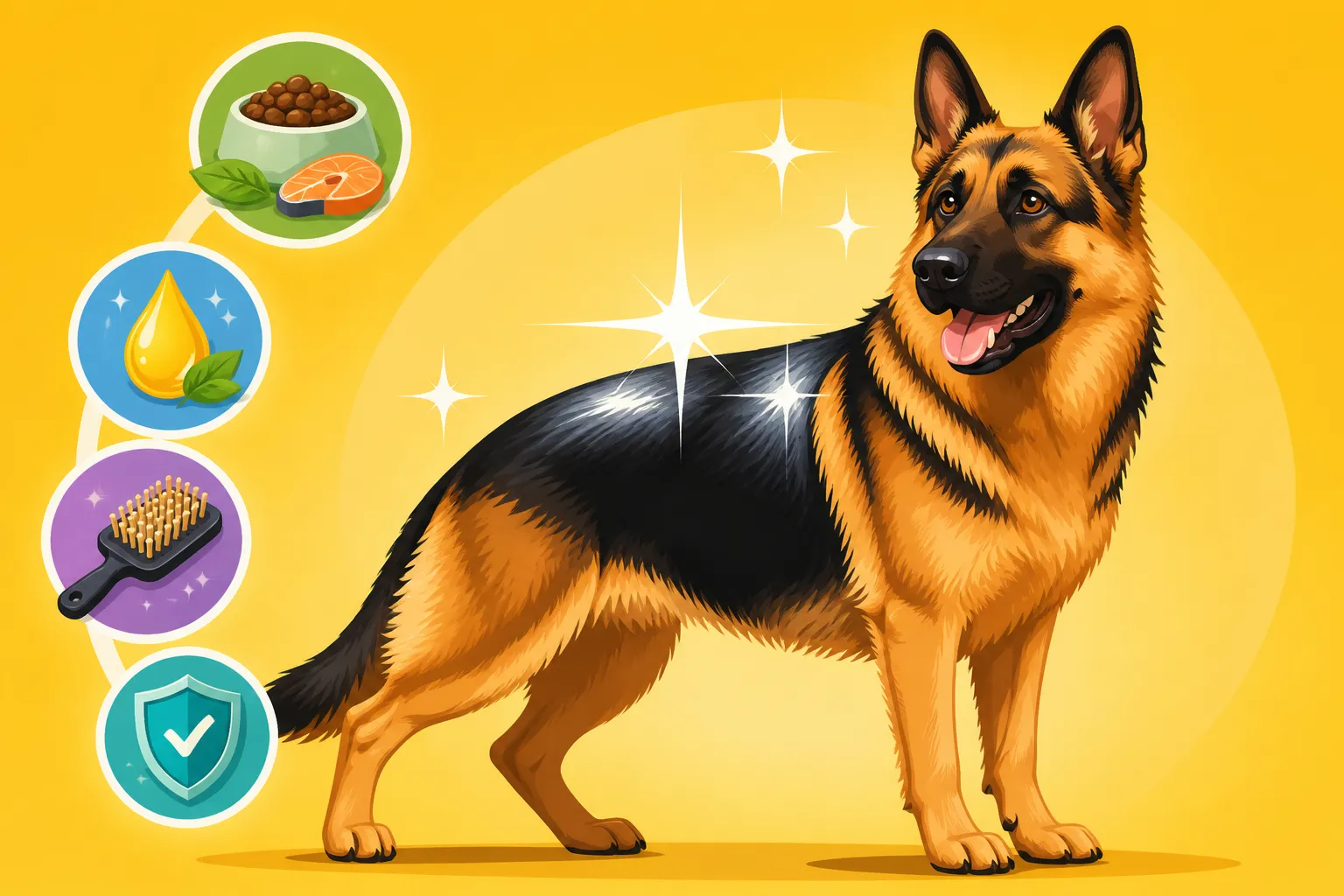
Following the undercoat rake, a slicker brush helps to remove any remaining loose hairs and smooth out the outer coat. Finish with a bristle brush, which helps distribute natural skin oils throughout the coat, providing that beautiful, natural shine. Regular brushing, at least 3-4 times a week, and even daily during their heavy shedding seasons (known as "blowing coat"), will not only keep their coat shiny but also significantly reduce the amount of hair floating around your house. You can find excellent grooming tools from online retailers like Amazon, often with reviews to help you pick the best ones. For a deeper dive, check out our guide on the Best Brush for a German Shepherd Double Coat.
Bathing Best Practices
Bathing a German Shepherd is a balancing act. While it’s important to keep them clean, over-bathing can strip their coat of essential natural oils, leading to dryness and dullness. Generally, bathing every 2-3 months, or when they're visibly dirty, is sufficient. Always use a high-quality dog-specific shampoo that is pH-balanced and ideally contains conditioning ingredients like oatmeal, aloe vera, or even some of those beneficial Omega fatty acids. Avoid human shampoos, as their pH levels are different and can irritate your dog's skin.
Thorough rinsing is absolutely crucial. Any shampoo residue left behind can irritate the skin and lead to flakiness and a dull coat. After shampooing, consider using a dog-specific conditioner, especially if your German Shepherd has a dry or sensitive coat. This helps to restore moisture and seal the hair cuticle, enhancing shine. Towel-dry vigorously, then allow them to air dry or use a dog-specific forced-air dryer on a cool setting. Proper drying is vital to prevent skin infections, especially in their dense undercoat. Our article on the Best Shampoo for a German Shepherd has more recommendations.
Protecting the Coat from Environmental Damage
Your German Shepherd's coat is their shield against the world, but it can still be damaged by environmental factors. Harsh sun exposure, especially for dogs with lighter coats, can dry out their skin and bleach their fur, leading to a dull appearance. While German Shepherds love being outdoors, consider providing shaded areas during peak sun hours or even a dog-safe sun protective spray for prolonged exposure.
Similarly, exposure to harsh chemicals, strong detergents, or even excessively chlorinated pool water can be detrimental. If your German Shepherd swims regularly in pools, a quick rinse with fresh water after swimming can help remove chlorine residue that can strip oils and dry out their coat. During colder, drier months, the lack of humidity can also contribute to dry skin and a static-prone, dull coat. Using a humidifier indoors can help, as can incorporating moisturizing supplements into their diet. Ultimately, thoughtful How to Keep a German Shepherd Healthy practices include protecting them from environmental stresses.
Supplements and Additional Support
Sometimes, even with a top-notch diet and consistent grooming, your German Shepherd's coat might need an extra boost. This is where supplements can come into play, targeting specific areas of coat and skin health to bring out that radiant shine. Always consult your veterinarian before introducing any new supplements to your dog's regimen, as they can help determine the right dosage and rule out any underlying health conditions.
Omega-3 and Omega-6 Fatty Acid Supplements
As mentioned earlier, Omega-3 and Omega-6 fatty acids are powerhouses for coat health. While a good diet provides these, a supplement can ensure optimal levels, especially if your dog's coat is particularly dry, dull, or if they suffer from skin sensitivities. Look for high-quality fish oil supplements (like salmon oil or sardine oil) that are specifically formulated for dogs. These often come in liquid form, which can be easily added to their food. Companies like Nordic Naturals or Zesty Paws offer reputable options, often available on Chewy or Amazon.
When choosing a supplement, pay attention to the EPA and DHA content, which are the most beneficial forms of Omega-3. These supplements work from the inside out to reduce inflammation, improve skin barrier function, and promote the production of healthy, shiny hair. Many owners report a noticeable improvement in coat luster and a reduction in dry, flaky skin within a few weeks of consistent supplementation. This is particularly useful if you're dealing with German Shepherd Dry Skin: Diet Fixes.
Biotin and Zinc for Coat Health
Beyond Omega fatty acids, specific vitamins and minerals like biotin and zinc play significant roles in maintaining skin and coat integrity. Biotin, a B vitamin, is well-known for its benefits to hair, skin, and nails in many species, including dogs. It helps in the metabolism of fats and amino acids, which are vital for healthy hair growth and skin cell function. If your dog's coat is brittle or their skin is prone to flakiness, a biotin supplement might offer support.
Zinc is another essential mineral for skin health, immunity, and wound healing. A zinc deficiency can manifest as dull hair, hair loss, and various skin lesions. While most balanced dog foods contain adequate zinc, some dogs, particularly large breeds, might benefit from additional supplementation under veterinary guidance. You can find supplements that combine biotin, zinc, and other beneficial nutrients for comprehensive coat health support. Remember, supplements are meant to supplement a good diet, not replace it. For a comprehensive look, see our guide on Best Supplements for German Shepherds.
Here's a quick overview of key nutrients and their impact on your German Shepherd's coat:
| Nutrient Category | Key Components / Sources | Primary Benefit for Coat Shine | Signs of Deficiency / Benefit When Supplemented |
|---|---|---|---|
| Omega Fatty Acids | Omega-3 (fish oil), Omega-6 (plant oils) | Reduces inflammation, improves skin barrier, promotes healthy sebum | Dry, flaky skin; dull, brittle coat; excessive scratching |
| High-Quality Protein | Chicken, beef, lamb, fish, eggs | Strong hair growth, structural integrity of coat | Thinning coat, weak, brittle hair, slow hair growth |
| B Vitamins | Biotin (eggs, liver), B-complex vitamins | Supports cellular metabolism, aids in hair growth | Dull coat, hair loss, flaky skin |
| Vitamin E | Vegetable oils, leafy greens, nuts | Antioxidant, protects skin cells, moisturizes skin | Dry, unhealthy skin, poor coat quality |
| Vitamin A | Liver, carrots, sweet potatoes | Supports healthy skin cell turnover, sebum production | Dry skin, scaly patches, reduced coat luster |
| Zinc | Red meat, poultry, fish, legumes | Supports immune function, skin healing, cell division | Hair loss, skin lesions, dull coat |
| Water | Fresh, clean drinking water | Hydrates skin, maintains elasticity, supports all bodily functions | Dry, inelastic skin; dull, brittle hair |
Disclaimer
This article is for general informational purposes only and does not constitute professional advice. Laws, prices and regulations vary by location and change over time. Consult a qualified professional for guidance on your specific situation.