King Shepherd: Traits, Facts, and Care
Many folks looking for a big, majestic companion might stumble upon the King Shepherd and wonder if it's just a fancier name for a super-sized German Shepherd. The truth is, while they share some ancestry, King Shepherds are a distinct, magnificent breed in their own right, and understanding their unique traits, needs, and care requirements is crucial before welcoming one into your home. This guide will walk you through everything you need to know about these gentle giants, from their origins to their daily care, helping you determine if a King Shepherd is the perfect fit for your lifestyle.
What Exactly Is a King Shepherd? Unpacking Their Unique Heritage
When you first see a King Shepherd, you might automatically think "German Shepherd," but a quick glance at their sheer size and somewhat different build starts to tell another story. King Shepherds are a relatively new breed, deliberately developed in the United States during the late 1980s. The goal was to create a larger, calmer, and healthier companion dog, addressing some of the common health and temperament concerns that can sometimes crop up in other large breeds. They aren't just an overgrown German Shepherd; they are a thoughtfully bred blend.
The Genesis of a Gentle Giant
The journey to create the King Shepherd involved a very intentional cross-breeding program. Breeders combined the robust genetics of the German Shepherd Dog with other large, sturdy breeds known for their good temperament and impressive size. These foundation breeds included the Akita, Alaskan Malamute, and even the Great Pyrenees. Each contributed distinct traits: the German Shepherd brought intelligence and trainability, the Akita and Malamute contributed mass and a dense coat, and the Great Pyrenees added to their protective yet gentle nature. This careful combination aimed to produce a dog that embodied the best qualities of these impressive canines, resulting in a dog that is not only physically imposing but also remarkably well-rounded in personality.
Think of it like crafting a bespoke suit: you take the finest materials and best designs from several sources to create something truly unique and superior. The King Shepherd is often characterized by a more level back than some contemporary German Shepherd lines, which was a deliberate choice by breeders to reduce the incidence of certain structural issues. This focus on health and soundness from the outset is a key differentiator and a huge draw for many potential owners who want a large dog without inheriting a laundry list of potential health woes.
Distinguishing a King Shepherd from a German Shepherd
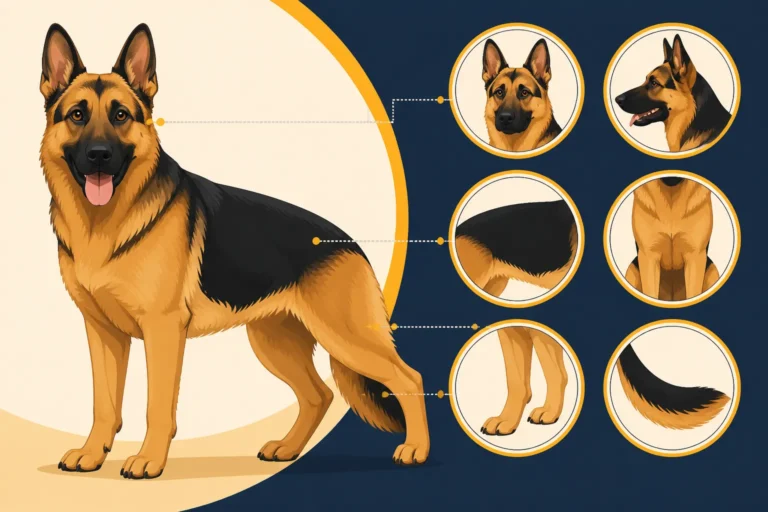
While the family resemblance is undeniable, there are several key differences that set King Shepherds apart from their German Shepherd cousins. The most obvious, of course, is size. King Shepherds are significantly larger and heavier, with a more substantial bone structure. Their heads are often broader, and their muzzles can be a bit more pronounced. Their coat type also tends to be thicker and denser, often with a more luxurious feel, thanks to the influence of breeds like the Alaskan Malamute.
Beyond the physical, there are often subtle differences in temperament. While German Shepherds are renowned for their intense drive and focus, King Shepherds were bred for a somewhat calmer, more laid-back disposition, making them often more adaptable to family life as true companions rather than working dogs, although they retain a strong protective instinct. They generally possess a lower prey drive than many working line German Shepherds. If you're pondering the differences between these magnificent breeds, you might find more helpful information in our article on German Shepherd Breed Guide. It really helps to clarify the nuances.
Here’s a quick comparison table to highlight the main distinctions:
| Feature | King Shepherd | German Shepherd |
|---|---|---|
| Origin | United States, late 1980s | Germany, late 1800s |
| Parent Breeds | German Shepherd, Akita, Malamute, Great Pyrenees | Herding dogs from Germany |
| Size (Height) | Males: 27-31 inches; Females: 25-29 inches | Males: 24-26 inches; Females: 22-24 inches |
| Weight | Males: 90-150+ lbs; Females: 75-110+ lbs | Males: 65-90 lbs; Females: 50-70 lbs |
| Build | More substantial bone, often level back | Strong, agile, often with a sloped back |
| Coat Type | Thick, dense, typically longer | Double coat, medium length, can be shorter |
| Temperament | Calm, gentle, protective, lower drive | Intelligent, driven, alert, high energy |
| Purpose | Companion, guardian | Herding, working, police, military, companion |
King Shepherd Traits and Temperament: A Majestic Companion
King Shepherds are truly majestic dogs, and their physical presence is just the beginning. Their temperament is equally impressive, making them a fantastic choice for the right family. They combine the intelligence and loyalty often seen in German Shepherds with the calm demeanor and substantial build of their other ancestors. However, understanding their core traits is essential to appreciate what makes them such special companions.
Physical Characteristics That Impress
Let's talk about that impressive physique. King Shepherds are undeniably large, commanding attention wherever they go. Males can easily stand 27-31 inches tall at the shoulder and weigh anywhere from 90 to over 150 pounds, with some individuals tipping the scales even higher. Females are slightly smaller but still substantial, typically ranging from 25-29 inches and 75-110 pounds. Their robust bone structure supports this impressive mass, giving them a powerful yet graceful gait.
Their coats are typically dense and luxurious, designed to protect them from various weather conditions. You'll find them in a variety of colors, much like German Shepherds, including sable, black and tan, black, and bi-color. Their long, flowing double coat requires consistent grooming to keep it healthy and minimize shedding. They have expressive, intelligent eyes that reflect their keen awareness and gentle spirit. If you're curious about different coat types and colors in the broader family, our article on German Shepherd Coat Colors Explained provides a great overview that can help you understand some of the genetic possibilities also present in King Shepherds.
A Heart of Gold with a Protective Instinct
Despite their imposing size, King Shepherds are renowned for their gentle and affectionate nature, especially with their own families. They bond deeply with their human companions and thrive on being part of the family unit. Many owners describe them as "velcro dogs" who love to be near their people, whether it's lounging on the living room floor or accompanying them on walks. They are often surprisingly good with children, displaying a patient and tolerant demeanor, though, as with any large dog, supervision is always key to ensure respectful interactions.
However, don't mistake their gentleness for a lack of protective instinct. King Shepherds are natural guardians. Their sheer size and watchful nature are often enough to deter unwanted visitors. They are inherently alert and aware of their surroundings, and they will not hesitate to protect their loved ones if they perceive a threat. This protective streak means early and consistent socialization is paramount to ensure they differentiate between a genuine threat and a friendly stranger. A well-socialized King Shepherd will be confident and calm, rather than reactive or overly suspicious. Our guide on German Shepherd Socialization Checklist offers excellent tips that are very applicable to King Shepherds as well.
Intelligence and Trainability
King Shepherds inherit a strong intellect from their German Shepherd lineage, making them highly trainable and eager to please. They pick up on commands quickly and respond well to positive reinforcement methods. Consistent training from a young age is essential to harness their intelligence and ensure they grow into well-behaved adults. Given their size and strength, early leash training and obedience are not just helpful but absolutely necessary. Imagine trying to control a 150-pound dog that hasn't learned proper leash manners – it's a recipe for disaster!
They excel in various canine activities, from obedience to tracking, and enjoy having a "job" to do, even if that job is simply being a well-mannered family companion. Mental stimulation is just as important as physical exercise to keep their intelligent minds engaged and prevent boredom-induced destructive behaviors. Puzzle toys, training sessions, and interactive games are all excellent ways to challenge them.
Caring for a King Shepherd: Nurturing a Large Breed
Owning a King Shepherd is a rewarding experience, but it's also a significant commitment. Their large size comes with specific needs related to diet, exercise, grooming, and health. Understanding these requirements from the outset will ensure you can provide the best possible care for your majestic companion.
Nutritional Demands of a Giant
Feeding a King Shepherd isn't like feeding a Chihuahua; it's a whole different ball game in terms of quantity and quality. Due to their rapid growth as puppies and their large adult size, they require a high-quality, large-breed specific dog food formulated to support healthy bone and joint development. Overfeeding or feeding an inappropriate diet during puppyhood can contribute to orthopedic issues later in life, so it's crucial to get it right. Look for foods with balanced calcium and phosphorus levels.
Adult King Shepherds also need a significant amount of food to maintain their body condition, but it's important not to overfeed, as obesity can put immense strain on their joints. The exact amount will depend on their age, activity level, and metabolism, so always consult with your vet or follow guidelines from reputable brands. Buying in bulk from online retailers like Chewy can often be a cost-effective way to manage their substantial appetite. For more specific feeding advice, you might want to look into our article on How Much to Feed a German Shepherd.
Exercise Needs: Balanced and Consistent
While King Shepherds have a calmer demeanor than some working breeds, they are still large, active dogs with significant exercise requirements. They need regular, moderate exercise to stay physically fit and mentally stimulated. This isn't about running marathons, especially when they are young and their growth plates are still developing, but rather consistent daily activity.
Daily walks, playtime in a securely fenced yard, and perhaps some supervised off-leash time in a safe area are usually sufficient. They enjoy activities like hiking, swimming, and even fetching. The key is consistency. A bored King Shepherd can become destructive or vocal, so ensuring they get enough outlets for their energy is vital. Remember, too much strenuous exercise, especially for puppies, can contribute to joint issues. It's a delicate balance, so understanding German Shepherd Growth Plates and Exercise is highly beneficial.
Grooming a Luxurious Coat
That thick, beautiful coat needs regular attention. King Shepherds are moderate to heavy shedders, and they will "blow" their undercoat twice a year, which means even more hair. Regular brushing, ideally several times a week, is essential to remove loose hair, prevent matting, and keep their skin and coat healthy. A good quality slicker brush, an undercoat rake, and a de-shedding tool will be your best friends.
Bathing should be done as needed, typically every few months or when they get particularly dirty, using a shampoo formulated for dogs. Over-bathing can strip their skin of natural oils. Beyond brushing and bathing, regular nail trims, ear cleaning, and dental care are also crucial components of their grooming routine. Their large size means these tasks might require a bit more effort or even professional assistance. For detailed advice, our guide on How to Groom a German Shepherd provides excellent, applicable tips.
Health Considerations Unique to Large Breeds
Like many large and giant breeds, King Shepherds are predisposed to certain health conditions that prospective owners should be aware of. Responsible breeders will perform health screenings on their breeding stock to minimize the risk of passing on genetic conditions, so always choose a reputable breeder who prioritizes health.
Some common health concerns include:
- Hip and Elbow Dysplasia: These orthopedic conditions involve abnormal development of the hip or elbow joints, leading to arthritis and pain. Due to their size, this is a significant concern. Preventative measures, proper nutrition, and controlled exercise in puppyhood are critical. You can learn more in our detailed article on German Shepherd Hip Dysplasia Explained.
- Bloat (Gastric Dilatation-Volvulus – GDV): A life-threatening condition where the stomach twists. Large, deep-chested breeds like the King Shepherd are at higher risk. Knowing the signs and prevention strategies is crucial. Our article German Shepherd Bloat: Signs and Prevention is a must-read for any large breed owner.
- Osteosarcoma: A type of bone cancer that is more prevalent in larger breeds.
- Thyroid Issues: Hypothyroidism can occur, leading to weight gain, lethargy, and coat problems.
- Eye Conditions: Such as cataracts or progressive retinal atrophy.
Regular veterinary check-ups are paramount for early detection and management of any health issues. Investing in pet insurance or setting up a dedicated savings fund for potential vet costs is a wise decision for any King Shepherd owner, as treating these conditions can be quite expensive. Proactive care, including a balanced diet, appropriate exercise, and regular vet visits, will go a long way in ensuring your King Shepherd enjoys a long, healthy life.
Is a King Shepherd Right For You? Considerations Before Bringing One Home
Deciding to welcome a King Shepherd into your life is a huge decision, and it's one that shouldn't be taken lightly. These magnificent dogs offer immense companionship and loyalty, but they require a significant commitment in terms of time, space, finances, and effort. Before you fall completely in love with their majestic looks, let's talk about some realistic considerations.
Space Requirements: More Than Just a Yard
A King Shepherd is a substantial dog, and they need space, both indoors and out. While they are often calm indoors, they can inadvertently knock things over with a wagging tail or a clumsy turn. They do best in homes with a securely fenced yard where they can stretch their legs, play, and patrol. Apartment living, while not impossible for a well-exercised and trained King Shepherd, can be challenging due to their size and the need for regular outdoor access.
Consider the size of your car, too! Transporting a 150-pound dog to the vet or on a road trip requires ample space and appropriate safety restraints. Every aspect of your living situation needs to be evaluated with their large stature in mind. For comparison, you might also be interested in German Shepherd Apartment Living: Possible to see how another large breed adapts.
Time and Training Commitment
King Shepherds are intelligent and eager to please, but their size means that proper training and socialization are non-negotiable. This isn't a breed you can neglect in terms of mental and physical engagement. They need consistent training, early socialization with a variety of people, places, and other animals, and daily interaction with their family. A King Shepherd left alone for long periods without mental stimulation or exercise can develop behavioral issues like destructive chewing or excessive barking.
Puppyhood, especially, demands a lot of your time and patience. House-training a giant breed puppy, teaching bite inhibition, and establishing good manners require dedication. Remember, an untrained small dog is a nuisance; an untrained giant dog can be a danger. For excellent guidance on laying the groundwork, consider reading our German Shepherd Puppy Training Guide.
Financial Responsibility: Big Dog, Big Budget
Let's be realistic: a large dog means a larger budget. Their sheer size translates directly into higher costs for almost everything:
- Food: As mentioned, they eat a lot! Quality large-breed food can be expensive, and you'll go through bags quickly.
- Vet Care: Routine vet visits, vaccinations, and parasite prevention will cost more due to their weight. Should they face health issues like hip dysplasia or bloat, the treatment costs can be substantial. Our article on German Shepherd Vet Costs Per Year gives a good idea of what to expect for a large breed.
- Supplies: Larger crates, bigger beds, more durable toys, and larger leashes and collars all come with a higher price tag.
- Grooming: If you opt for professional grooming, the cost will be higher due to their size and coat density.
- Training: While you can do much of the training yourself, professional classes or a specialized trainer for a large, powerful breed can be a significant investment.
It's crucial to budget appropriately for these expenses throughout their lifespan. A King Shepherd's average lifespan is typically 10-12 years, so this is a long-term financial commitment.
Compatibility with Lifestyle
King Shepherds thrive in homes where they are considered part of the family and receive consistent attention. They are generally not suited for owners who are frequently away or cannot dedicate ample time to their dog. They need a family that appreciates their intelligence, strength, and gentle loyalty.
If you lead an active lifestyle and want a dog to join you on outdoor adventures, a King Shepherd could be a wonderful companion. If you're looking for a dog that will be a calm, protective presence in your home and you have the resources to meet their needs, then this breed might be a perfect match. They are loyal, loving, and truly magnificent companions for those who understand and are prepared for the responsibilities of owning such a grand dog.
Disclaimer
This article is for general informational purposes only and does not constitute professional advice. Laws, prices and regulations vary by location and change over time. Consult a qualified professional for guidance on your specific situation.