German Shepherd vs Rottweiler
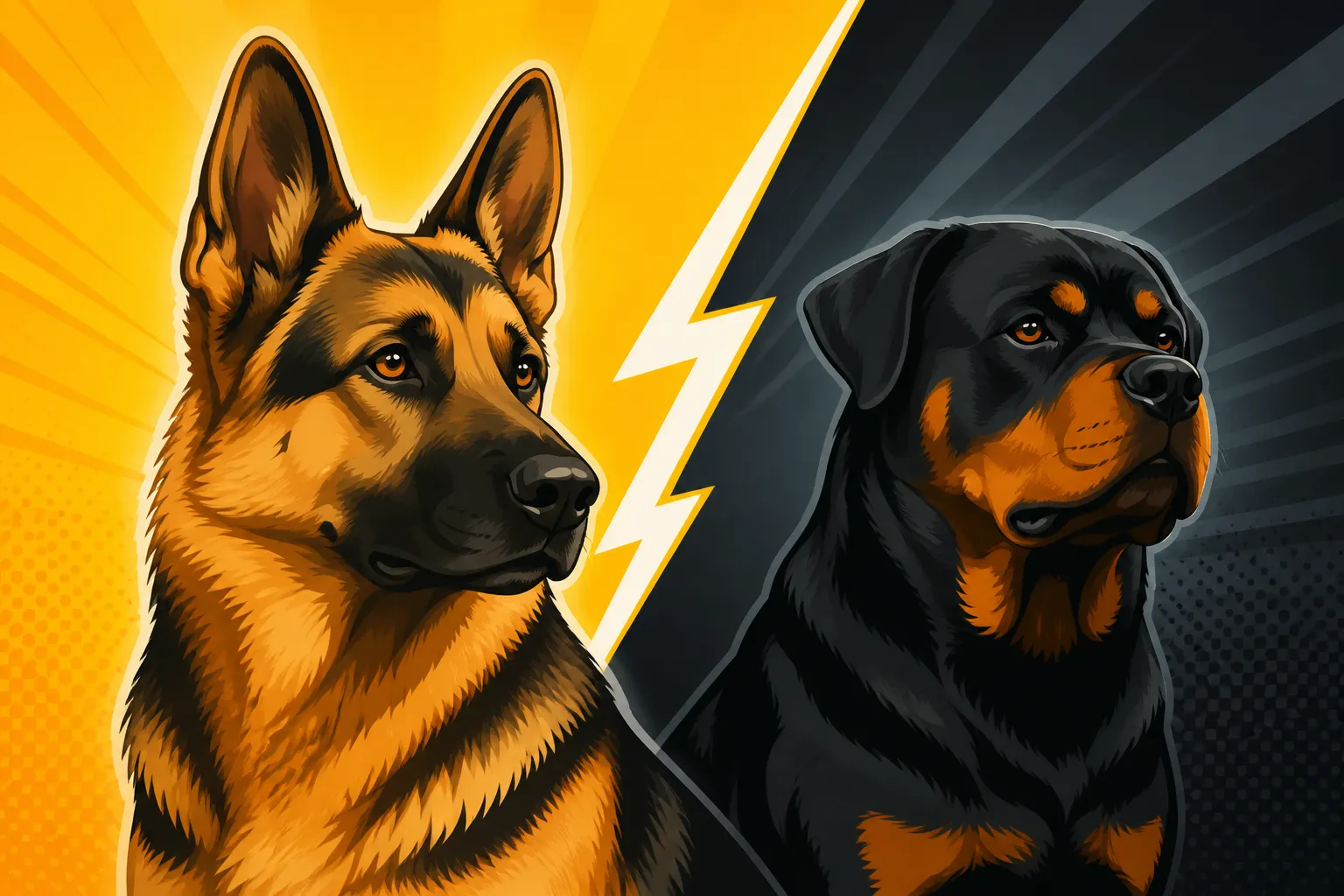
Deciding between a German Shepherd and a Rottweiler can feel like choosing between two titans of the canine world, both with imposing reputations that might make a first-time owner hesitant. While they share an undeniable strength and a fierce loyalty, these breeds possess distinct temperaments, training requirements, and physical needs that are crucial to understand. This guide will meticulously break down the differences and similarities, helping you determine which of these magnificent guardians might be the perfect fit for your life and family.
A Tale of Two Guardians: Understanding Their Core Temperaments
When you're considering bringing a large, powerful dog into your home, their inherent disposition is often the first and most critical factor. Both German Shepherds and Rottweilers are known for their protective natures, but they express this, and their overall personality, in subtly different ways. It’s not just about their looks; it’s about what drives them from within.
German Shepherd Temperament
German Shepherds are often described as noble, intelligent, and fiercely loyal. They form incredibly strong bonds with their families, often to the point of being a "velcro dog" who wants to be wherever you are. This intense loyalty is a double-edged sword: it makes them exceptional companions and protectors, but it also means they can be prone to separation anxiety if not properly conditioned. Their intelligence is off the charts, making them highly trainable and eager to please, which is why they excel in so many working roles, from police K9s to service dogs.
However, this intelligence and drive also mean they require significant mental and physical stimulation. A bored German Shepherd can quickly become a destructive one, channeling their energy into digging, chewing, or incessant barking. They possess a natural wariness of strangers and a protective instinct that needs to be carefully managed through early and consistent How to Socialize a German Shepherd. Without proper socialization, they can become overly reactive or fearful, which can manifest as aggression. They thrive on having a purpose, whether it's learning complex tricks, participating in dog sports, or simply being your watchful companion. You can learn more about their personality in our German Shepherd Temperament and Personality guide.
Rottweiler Temperament
Rottweilers, on the other hand, are often characterized by their calm, confident, and somewhat aloof demeanor. They carry themselves with an undeniable gravitas. While German Shepherds might be the vigilant sentinels, Rottweilers are more like the stoic guardians, observing their surroundings with a quiet intensity. They are deeply devoted to their families, displaying an almost unwavering loyalty, but they aren't typically as effusive or "needy" as some German Shepherds can be. Their bond is profound, often expressed through quiet companionship and a steadfast presence.
Their guarding instincts are inherent, not something that needs to be trained in. They are naturally protective of their home and loved ones. However, unlike some German Shepherds who might be reactive, a well-bred and properly socialized Rottweiler will usually be confident and reserved around strangers, rather than openly hostile. They need a firm, consistent leader who can guide them with confidence and clarity, establishing boundaries from a young age. Without this strong leadership, their independent and strong-willed nature can lead to them making their own rules, which can be problematic given their size and strength. They might not be as eager to please as a German Shepherd, but they are highly intelligent and capable of learning a great deal, especially with positive reinforcement methods.
Physicality and Presence: Size, Strength, and Appearance
Both German Shepherds and Rottweilers are undeniably impressive dogs, large and powerful, but they possess distinct physical characteristics that reflect their different histories and roles. Understanding these differences can give you a better idea of their care needs and potential health predispositions.
German Shepherd Physical Traits
The German Shepherd is renowned for its athletic and agile build, often described as a medium-large breed with a strong, muscular body. They typically stand taller than Rottweilers, with males reaching around 24 to 26 inches at the shoulder and females 22 to 24 inches. Their weight can vary, with males generally between 65 to 90 pounds and females 50 to 70 pounds, depending on their line and build. Their iconic silhouette features a noble head, erect ears, and a long, bushy tail. Their coat is typically a double coat, dense and medium-length, requiring regular grooming to manage shedding, which can be quite significant, especially during "blow out" seasons. German Shepherd Shedding: How to Manage It has more on this.
German Shepherds come in a variety of colors, including black and tan, sable, black, and bi-color. Their gait is a hallmark of the breed—a flowing, effortless trot that showcases their endurance and power. However, this breed is also famously prone to certain health issues, particularly German Shepherd Hip Dysplasia Explained and elbow dysplasia, which can affect their mobility later in life. Responsible breeders conduct German Shepherd Genetic Health Testing to minimize the risk of passing on these conditions.
Rottweiler Physical Traits
The Rottweiler presents a more compact, stocky, and immensely powerful physique. They are a large breed, generally similar in height to German Shepherds, with males standing 24 to 27 inches and females 22 to 25 inches at the shoulder. However, they are significantly heavier and more muscular, with males weighing 95 to 135 pounds and females 80 to 100 pounds. Their broad heads, muscular necks, and deep chests are indicative of their strength and robustness. Their coat is short, coarse, and always black with distinctive rust-to-mahogany markings on their muzzle, chest, legs, and under their tail. This short coat requires less intensive grooming than a German Shepherd's but still sheds and needs regular brushing to stay healthy.
Rottweilers are built for power and endurance, making them formidable working dogs. Their massive jaws and strong bite force are legendary, underscoring the importance of proper training and socialization. Like German Shepherds, they are also susceptible to joint issues such as hip and elbow dysplasia, as well as certain types of cancer, particularly osteosarcoma. Careful breeding and a healthy diet are crucial for their well-being.
Here’s a quick overview comparing their key physical traits:
| Feature | German Shepherd | Rottweiler |
|---|---|---|
| Size (Males) | 24-26 inches (height), 65-90 lbs (weight) | 24-27 inches (height), 95-135 lbs (weight) |
| Size (Females) | 22-24 inches (height), 50-70 lbs (weight) | 22-25 inches (height), 80-100 lbs (weight) |
| Build | Athletic, agile, lean, deep chest | Stocky, muscular, robust, broad head |
| Coat Type | Double coat, medium length (standard), long hair | Short, coarse double coat |
| Coat Colors | Black & Tan, Sable, Black, Bi-color, Liver, Blue | Black with rust/mahogany markings (standard) |
| Grooming Needs | Moderate to high (seasonal heavy shedding) | Low to moderate (regular shedding) |
| Common Health | Hip/Elbow Dysplasia, Degenerative Myelopathy | Hip/Elbow Dysplasia, Osteosarcoma, Bloat |
Training and Socialization Needs: Guiding Your Companion
Training and socialization are paramount for both German Shepherds and Rottweilers. Given their size, strength, and protective instincts, having a well-behaved dog is not just about convenience; it's about safety for your family and the public. Neglecting these aspects can lead to significant behavioral challenges.
German Shepherd Training Considerations
German Shepherds are, without a doubt, one of the most intelligent and trainable dog breeds. They pick up commands quickly and genuinely seem to enjoy the process of learning and working alongside their human companions. Their eagerness to please makes them highly responsive to positive reinforcement methods. However, this doesn't mean training is effortless. Their intelligence means they can also learn undesirable behaviors just as quickly if not guided properly. Consistency is absolutely key. If you're not consistent, they will test boundaries and try to establish their own rules.
Early and ongoing socialization is non-negotiable for a German Shepherd. Exposing them to a wide variety of people, places, sounds, and other friendly dogs from a young age helps them develop into well-adjusted adults who are confident rather than fearful or reactive. Puppy classes are an excellent starting point, followed by continued exposure throughout their lives. Beyond basic obedience, German Shepherds thrive on mental challenges. Puzzle toys from places like Chewy, advanced obedience, agility, or even scent work can fulfill their need to "think" and prevent boredom. Our guide on How to Train a German Shepherd provides a comprehensive overview. For specific skills, consider exploring German Shepherd Obedience Training: Step-by-Step or German Shepherd Crate Training: Step-by-Step.
Rottweiler Training Considerations
Rottweilers are also highly intelligent dogs, capable of learning a great deal, but their strong will and independent streak mean their training journey can feel a bit different from a German Shepherd's. While a GSD might be eager to please, a Rottweiler often needs to be convinced that doing what you ask is their idea, or at least highly rewarding. This requires a confident, calm, and consistent trainer who can establish clear leadership without resorting to harsh methods, which can damage their trust. Positive reinforcement, patience, and clear communication are essential.
Socialization for a Rottweiler is equally, if not more, critical than for a German Shepherd. Because of their natural guarding instincts and sheer physical presence, it's vital that they learn to be comfortable and calm in various situations and around all kinds of people and animals. Without thorough socialization, they can become overly protective or fearful, leading to aggression. Puppy classes, controlled exposure to new environments, and regular interaction with different people from a young age are crucial. Their training should heavily emphasize impulse control, polite greetings, and rock-solid recall, especially given their powerful prey drive.
Lifestyle and Living: Which Breed Fits Your Home?
Choosing between these two breeds isn't just about their looks or their ability to learn commands; it's about finding the right match for your daily life, your living situation, and your commitment level. Both require dedication, but the type of dedication they demand can differ significantly.
German Shepherd Lifestyle Fit
German Shepherds are not typically couch potatoes. They are a high-energy breed that needs a substantial amount of daily exercise to stay happy and healthy. This isn't just a quick walk around the block; it's often an hour or more of vigorous activity, like running, hiking, or playing fetch. If you're an active individual or family who enjoys outdoor adventures, a German Shepherd might be a fantastic partner. They thrive in homes with securely fenced yards where they can run and play. Apartment living can be possible, but it demands an even greater commitment to outdoor exercise and mental stimulation, which can be a challenge for many owners. Our article German Shepherd Exercise Requirements offers detailed insights.
They are also renowned for their loyalty to their families, often becoming intensely bonded. This means they generally prefer to be involved in family activities and can struggle if left alone for extended periods. Their double coat means regular grooming is essential to manage shedding, especially when they "blow their coat" seasonally. Investing in good grooming tools and a high-quality vacuum is a must! In terms of family dynamics, a well-socialized German Shepherd can be wonderful with children and other pets, but their natural herding instincts mean they might try to "manage" younger children if not taught otherwise. Experience with large, working breeds is often recommended for German Shepherd ownership. You might find our Is a German Shepherd Right for You guide helpful.
Rottweiler Lifestyle Fit
Rottweilers, while also powerful and active, often have a slightly different energy profile. They need consistent daily exercise, but it might be less frantic than a German Shepherd's. A long, brisk walk or a good play session is usually sufficient. They are not built for sustained high-speed running over long distances in the same way a German Shepherd might be. Because of their stockier build, care must be taken to prevent them from becoming overweight, which can exacerbate joint problems. Finding quality kibble on sites like Chewy for large, active breeds can help manage their nutrition.
They are incredibly devoted to their families and can be wonderful, gentle giants with children they've grown up with, often showing a surprising tenderness. However, their size and strength mean supervision is always necessary, especially with very young children. Their protective nature means they might be more reserved with strangers than a German Shepherd, requiring careful introductions. While they enjoy being with their family, they can be a bit more independent and might not need to be underfoot quite as constantly as some German Shepherds. They can adapt to various living situations, including apartments, if their exercise and mental needs are consistently met. Their short coat is generally lower maintenance than a German Shepherd's, but they still shed, and regular brushing helps keep their skin and coat healthy. What they absolutely require, above all, is a calm, confident, and consistent owner who can provide strong leadership and continue their socialization and training throughout their lives.
Comparing Their Health and Lifespan
When you welcome a new dog into your home, you're signing up for their health journey as well. Both German Shepherds and Rottweilers are robust breeds, but each comes with its own set of potential health challenges and a typical lifespan to consider. Understanding these can help you prepare for veterinary costs and make informed decisions about pet insurance or a dedicated savings fund.
Common Health Concerns
German Shepherds are unfortunately predisposed to several significant health issues. The most well-known are orthopedic problems like hip and elbow dysplasia, which can cause pain and mobility issues. Degenerative Myelopathy (DM), a progressive neurological disease, is also notably prevalent in the breed. Other concerns include bloat (gastric dilatation-volvulus), certain allergies, and Exocrine Pancreatic Insufficiency (EPI). A responsible breeder will conduct extensive German Shepherd Genetic Health Testing to screen for many of these hereditary conditions. Investing in a good quality Best Dog Food for German Shepherds can also aid in their overall health.
Rottweilers also have their share of health challenges. Like German Shepherds, hip and elbow dysplasia are common orthopedic issues. However, Rottweilers are particularly susceptible to certain cancers, including osteosarcoma (bone cancer) and lymphosarcoma, often at a younger age than many other breeds. They can also be prone to bloat, heart conditions like subaortic stenosis, and eye problems. Regular veterinary check-ups are crucial for both breeds to catch potential issues early.
Lifespan Expectations
The average lifespan for a German Shepherd typically ranges from 9 to 13 years. This can vary based on genetics, diet, exercise, and overall care. Larger dogs generally have shorter lifespans than smaller breeds, and German Shepherds are no exception. Factors like managing joint health and preventing obesity can play a significant role in extending their healthy years. Our guide on German Shepherd Lifespan: How Long They Live explores this in more detail, along with tips on How to Extend a German Shepherd's Lifespan.
Rottweilers generally have a slightly shorter average lifespan, usually between 8 to 10 years. This shorter range is often attributed to their predisposition to certain aggressive cancers that can develop rapidly. However, a healthy diet, appropriate exercise, and proactive veterinary care can help maximize their time with you. Regular health screenings, especially as they age, are vital for both breeds.
Conclusion
Ultimately, choosing between a German Shepherd and a Rottweiler isn't about one being inherently "better" than the other; it's about finding the right soulmate for your specific lifestyle and commitment level. Both are incredibly loyal, intelligent, and protective breeds that can make exceptional family members.
If you're seeking a highly active, highly trainable, and intensely bonded companion who thrives on having a "job" and constant mental stimulation, and you're prepared for significant grooming and a potentially more reactive personality without consistent training, the German Shepherd might be your perfect match. They are truly versatile partners for active individuals or families who understand the demands of a working breed.
If you prefer a more stoic, confident, and somewhat calmer presence, with an equally profound loyalty but a more independent streak, and you are ready to provide firm, consistent leadership and thorough early socialization, the Rottweiler could be the ideal addition to your home. They are magnificent, devoted guardians who will protect their family with unwavering resolve.
No matter which breed you choose, be prepared for a long-term commitment to training, socialization, exercise, and loving care. Both German Shepherds and Rottweilers are powerful dogs that thrive under responsible, dedicated ownership. Take the time to honestly assess your own capabilities and lifestyle, and you'll find a faithful companion for years to come.
Disclaimer
This article is for general informational purposes only and does not constitute professional advice. Laws, prices and regulations vary by location and change over time. Consult a qualified professional for guidance on your specific situation.