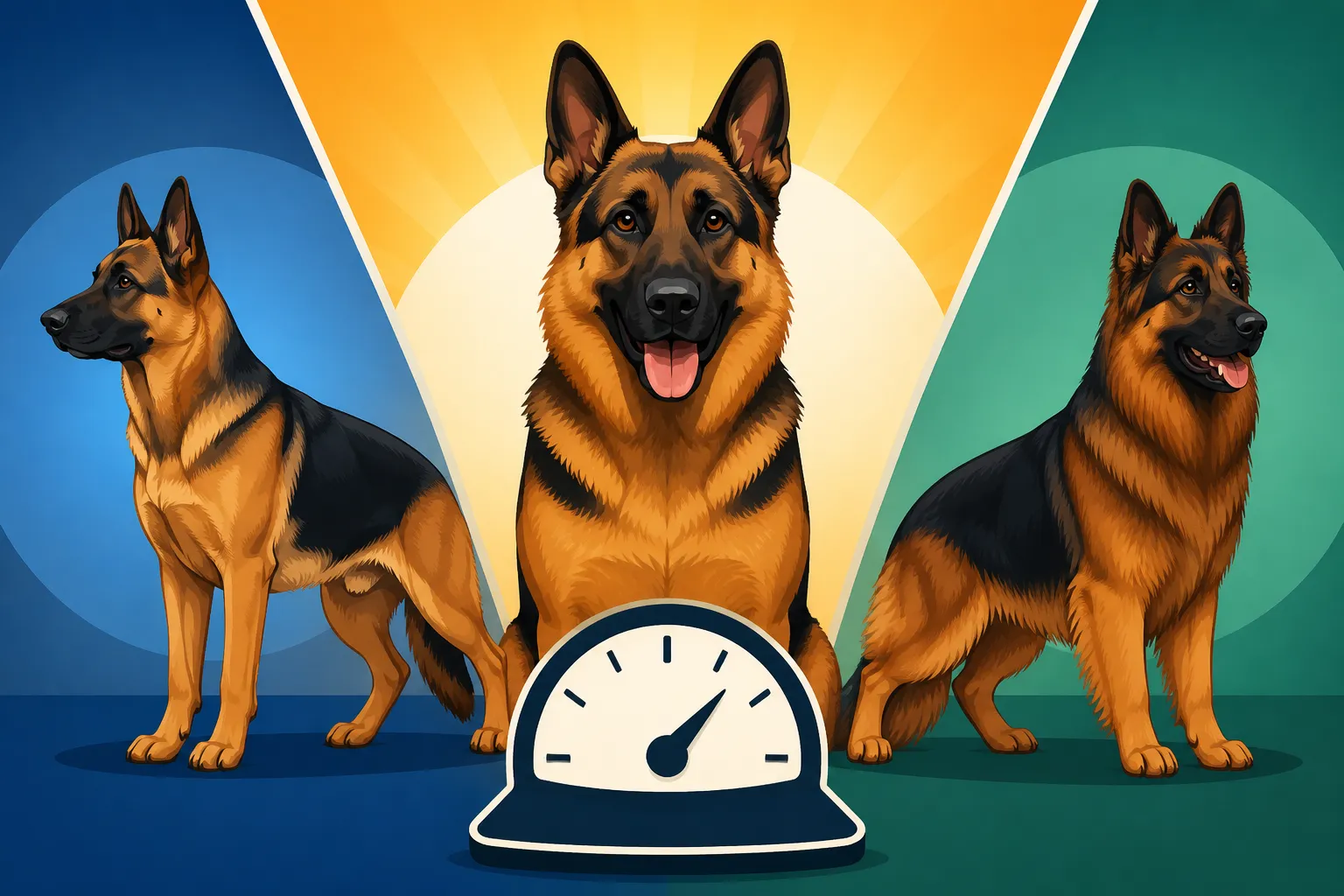
German Shepherd Adult Weight by Line
It's incredibly frustrating when you're trying to understand your German Shepherd's growth, looking at charts online, and realizing that your pup might not fit neatly into a single category. The truth is, "German Shepherd" isn't a monolithic term when it comes to physical traits, especially adult weight. Different breeding lines have developed distinct characteristics over decades, leading to noticeable variations. This guide will help you decipher those differences, providing a clear breakdown of typical adult weight ranges across the various German Shepherd lines, so you can better understand what's normal for your furry companion.
Understanding German Shepherd Lines and Their Physical Differences
When you first hear "German Shepherd," you might picture a specific dog. But savvy owners know there's a whole world of difference between a German Shepherd bred for show and one bred for working. These distinctions aren't just about temperament; they profoundly impact their physical build, including their adult weight. It's like comparing a marathon runner to a bodybuilder – both are athletes, but their physique is tailored to their specific function.
The Core Distinction: Working vs. Show Lines
The primary division in German Shepherd breeding revolves around purpose: working dogs or show dogs. This fundamental split dictates many physical traits, including their overall size and musculature.
Working line German Shepherds, often associated with police, military, or Schutzhund sports, are bred for endurance, strength, and unwavering focus. Their physical build is typically robust, athletic, and functional, designed for demanding tasks. They tend to have a more "old-fashioned" look, with straighter backs and powerful, agile bodies. These dogs need a certain heft and musculature to perform their jobs effectively, which directly translates to their adult weight. They are built for stamina and durability, meaning strong bones and well-developed muscles, contributing to a solid, moderate to heavy frame.
In contrast, show line German Shepherds, particularly those from American or some West German show lines, are bred to conform to a specific aesthetic standard. This often involves a more dramatic angulation in the rear, a sloping topline, and a generally more "refined" appearance. While they are still strong and capable, their focus on conformation can sometimes lead to different bone structures and muscle distribution than their working counterparts. The emphasis is on elegant movement and a striking profile in the show ring. Despite some common misconceptions, show lines are still substantial dogs, but their weight might be distributed differently, sometimes appearing heavier due to bone structure rather than sheer muscle mass.
Regional Variations: European vs. American Lines
Beyond the working vs. show dichotomy, geographical breeding preferences have further diversified the German Shepherd's physical characteristics.
European lines, particularly those from Germany (often referred to as West German lines), tend to adhere closely to the original German Shepherd breed standard, which values a balance of working ability and correct conformation. Within West German lines, you'll find both working and show types, but even the show lines typically maintain a more moderate build compared to their American counterparts. They prioritize soundness and structure that supports athleticism. The West German show line, for instance, still emphasizes strong nerves and working ability, even if they have the classic rich pigmentation and solid structure seen in many pedigrees.
American show lines, on the other hand, have evolved with a distinct aesthetic. These dogs often feature more extreme angulation in the hindquarters, a more sloped back, and can sometimes appear larger and heavier-boned than their European relatives, even if their actual weight is similar or only slightly more. The focus in American show rings has traditionally been on an impressive, flowing gait and a visually striking silhouette. This can sometimes lead to a slightly different distribution of weight, with a perception of greater size due to their pronounced angulation and deep chests. However, it's crucial to remember that a larger appearance doesn't always equate to superior health or function, and breeders are always working to maintain balance. American Show Line German Shepherd Explained delves deeper into these specific characteristics.
Adult Weight Expectations by German Shepherd Line
Now that we've touched on the foundational differences, let's get into the nitty-gritty of what these distinctions mean for your German Shepherd's adult weight. It’s not just a guessing game; each line has a generally accepted range based on its breeding history and purpose. Keep in mind these are averages, and individual dogs can always fall outside these typical parameters due to genetics, diet, and overall health.
West German Lines (Working & Show)
The West German lines are often considered the gold standard for maintaining the breed's original integrity, balancing working ability with sound conformation.
West German Working Lines: These dogs are absolute powerhouses. They are bred for utility, with robust frames built for agility, strength, and endurance. They typically possess a dense bone structure and well-defined musculature, giving them a very solid and athletic appearance. A male West German working line German Shepherd usually falls into an adult weight range of 75 to 95 pounds (approx. 34-43 kg), while females are generally between 60 to 80 pounds (approx. 27-36 kg). Their build is compact and powerful, optimized for demanding physical tasks like Schutzhund or police work. You'll often see these dogs on the leaner, more athletic side of their weight range, without excess fat, highlighting their functional physique. Working Line German Shepherd Explained provides more detail on these dedicated athletes.
West German Show Lines: While bred for conformation, the West German show lines still adhere to a standard that values a dog capable of work. They tend to be slightly larger and more substantial in bone than the working lines, with a very traditional German Shepherd look: rich pigmentation, solid nerves, and a powerful build. Males typically weigh 70 to 90 pounds (approx. 32-41 kg), and females 55 to 75 pounds (approx. 25-34 kg). They possess a confident presence in the show ring, and their structure, while elegant, is still designed for functionality. It's a fine line these breeders walk, ensuring beauty doesn't compromise health or working drive. These dogs are impressive to behold, combining strength with a striking aesthetic.
East German (DDR) and Czech Working Lines
These lines are steeped in a history of strict working dog breeding, often with less emphasis on the "show ring" aesthetic that developed elsewhere.
East German (DDR) German Shepherds: The DDR (Deutsche Demokratische Republik) German Shepherds were bred specifically for border patrol and military work in East Germany. Their breeding program focused intensely on health, intelligence, and extreme drive, resulting in a dog of exceptional hardiness and strength. They typically have large, robust heads, dark pigmentation, and very straight, powerful backs. Their build is substantial and muscular, designed for harsh conditions and prolonged work. Adult males from this line often weigh between 80 to 100 pounds (approx. 36-45 kg), and females range from 65 to 85 pounds (approx. 29-39 kg). They are known for their dense bone and powerful presence, making them quite imposing figures. The resilience of these dogs is legendary, and their weight reflects that solid, no-nonsense build. East German DDR German Shepherd Explained offers a deeper look into their unique history and traits.
Czech Working Lines: Much like the DDRs, Czech working lines were bred for serious working roles, primarily for military and police forces in what was then Czechoslovakia. They are known for their intense drive, strong nerves, and incredibly tough constitutions. Physically, they are often slightly more agile than the DDRs, with a lean, athletic build, but still possess considerable bone and muscle. Males typically weigh 75 to 95 pounds (approx. 34-43 kg), while females are generally 60 to 80 pounds (approx. 27-36 kg). These dogs are built for speed, agility, and power, making them exceptionally effective in demanding working environments. They are the epitome of function over form, with every ounce of their weight serving a purpose.
American Show Lines
American show lines have developed a distinctive appearance, often favoring a more exaggerated angulation and a dramatic, flowing gait in the show ring.
American Show Lines: These German Shepherds often appear larger and more regal due to their distinct conformation, particularly the heavily angulated hindquarters and sloping topline. While they might carry a bit more overall mass to support this structure, their true weight isn't always dramatically higher than a robust European dog. Adult males typically fall between 75 to 95 pounds (approx. 34-43 kg), and females are usually 60 to 80 pounds (approx. 27-36 kg). It’s important to note that while they are bred for beauty, responsible breeders still aim for a healthy, sound dog. However, the extreme angulation can sometimes influence how their weight is carried and distributed. They often present a majestic silhouette, capturing attention with their flowing movement.
Other Notable Lines (Sieger, Belgian)
While not as distinct as the primary working and show lines, some other terms pop up that refer to specific breeding philosophies or geographic origins.
Sieger Line German Shepherds: The term "Sieger line" often refers to West German show lines that descend from dogs who have achieved the prestigious "Sieger" title at the annual German Sieger Show. These dogs represent the pinnacle of German conformation and working ability within their show standard. They will generally fall within the same weight ranges as the broader West German show lines, typically 70-90 pounds for males and 55-75 pounds for females, embodying the ideal balance of beauty, structure, and temperament. Their weight is a reflection of excellent bone structure and muscular development, true to the breed standard. Sieger Line German Shepherd Explained offers further insight into what makes these dogs so revered.
Belgian German Shepherds: While there isn't a widely recognized "Belgian German Shepherd" as a distinct breed line like the DDR or Czech, German Shepherds bred in Belgium often adhere to the European working standards. They are typically bred for working utility, similar to their West German working counterparts, and therefore share similar weight characteristics. You can expect males to be in the 75-95 pound range and females 60-80 pounds, focusing on athleticism and durability for demanding tasks. These dogs are appreciated for their drive and functional build.
Here’s a helpful table summarizing the typical adult weight ranges for different German Shepherd lines:
| German Shepherd Line | Typical Adult Male Weight (Approx.) | Typical Adult Female Weight (Approx.) | Key Characteristics |
|---|---|---|---|
| West German Working Line | 75-95 lbs (34-43 kg) | 60-80 lbs (27-36 kg) | Robust, athletic, functional build; straighter backs; high drive for work. |
| West German Show Line | 70-90 lbs (32-41 kg) | 55-75 lbs (25-34 kg) | Traditional look, strong bone, rich pigmentation; balanced conformation and working ability. |
| East German (DDR) Working Line | 80-100 lbs (36-45 kg) | 65-85 lbs (29-39 kg) | Substantial, powerful, dense bone; bred for extreme hardiness and drive; large heads, dark pigmentation. |
| Czech Working Line | 75-95 lbs (34-43 kg) | 60-80 lbs (27-36 kg) | Leaner, agile, very high drive; tough constitution; built for speed and power. |
| American Show Line | 75-95 lbs (34-43 kg) | 60-80 lbs (27-36 kg) | Often appear larger, more dramatic angulation, sloping topline; bred for elegant movement and aesthetic. |
| Sieger Line | 70-90 lbs (32-41 kg) | 55-75 lbs (25-34 kg) | Premium West German show lines; excellent conformation and working potential; within standard limits. |
| Belgian Working Line | 75-95 lbs (34-43 kg) | 60-80 lbs (27-36 kg) | Similar to West German working lines; focused on utility, drive, and athleticism. |
Factors Influencing a German Shepherd's Adult Weight Beyond Lineage
While lineage provides an excellent general guideline, it's not the only piece of the puzzle. There are several other crucial elements that play a significant role in your German Shepherd's final adult weight. Ignoring these can lead to an unhealthy dog, regardless of their impressive pedigree. It's about looking at the whole picture, not just the numbers on a scale.
Genetics and Individual Variation
Even within the same litter of purebred German Shepherds from a specific line, you'll find variations. Just like in human families, not every sibling will be the exact same size or build. Some puppies might inherit genes that make them slightly larger or smaller than the average for their line. This individual genetic predisposition can account for a few pounds difference either way. It's why a reputable breeder will discuss the size and build of both parents and sometimes even grandparents, giving you a better idea of the potential adult size of your puppy. They can give you insights into the genetic blueprint of your particular pup.
Nutrition and Diet
What you feed your German Shepherd, and how much, profoundly impacts their growth and adult weight. Overfeeding a puppy can lead to rapid growth, which can put undue stress on developing joints and potentially contribute to conditions like hip or elbow dysplasia later in life. Conversely, underfeeding can stunt growth and lead to a dog that's underweight and lacking proper muscle development.
A high-quality large-breed specific puppy food is crucial during their growth phase, followed by an appropriate adult formula. Brands like Purina Pro Plan and Royal Canin German Shepherd specific formulas are often recommended by breeders and vets because they are formulated to support the unique growth and nutritional needs of large breeds. Always follow feeding guidelines on the food bag, but adjust based on your dog's individual activity level and body condition. If you're unsure, consulting with your veterinarian or a canine nutritionist is always a wise move to ensure your dog is getting the right fuel. For a variety of high-quality food options, online retailers like Chewy often have a vast selection. German Shepherd Feeding Guide offers a deep dive into this topic.
Exercise and Activity Level
German Shepherds are active dogs, and their exercise regimen heavily influences their muscle mass and overall condition. A dog that gets consistent, appropriate exercise for its age and development will build lean muscle and maintain a healthy weight. A sedentary German Shepherd, on the other hand, is at a higher risk of becoming overweight or obese, even if fed the correct amount.
Puppies need controlled exercise to protect their growing joints, while adult German Shepherds thrive on a combination of physical and mental stimulation. Regular walks, play sessions, and even formal training or sports can help them develop strong muscles and burn calories. For instance, a working line German Shepherd engaged in daily Schutzhund training will naturally have a more muscular, leaner physique than a pet-quality show line dog that primarily enjoys leisurely strolls. The amount and type of exercise directly impact their caloric needs and muscle development, both contributing factors to their adult weight. German Shepherd Exercise Requirements is a great resource for understanding how much activity your dog needs.
Health Considerations
Underlying health issues can also impact a German Shepherd's weight. Conditions like thyroid problems can lead to weight gain or loss. Exocrine Pancreatic Insufficiency (EPI), common in German Shepherds, can cause severe weight loss despite a good appetite, as the dog struggles to digest nutrients. German Shepherd EPI: Symptoms and Treatment covers this in detail. Arthritis or hip and elbow dysplasia can reduce activity levels, making weight management more challenging. Even dental issues can make eating painful, leading to reduced food intake. Regular veterinary check-ups are vital to catch these issues early. Your vet can help determine if any medical condition is affecting your German Shepherd's weight and develop a tailored plan to address it.
Maintaining a Healthy Weight for Your German Shepherd
Ensuring your German Shepherd maintains a healthy weight is one of the most critical aspects of their long-term health and well-being. It goes beyond just looking good; a healthy weight significantly reduces the risk of joint problems, heart disease, diabetes, and other serious health conditions. It's a commitment that pays dividends in extra years and better quality of life.
Recognizing a Healthy Body Condition
The number on the scale is just one piece of information. What truly matters is your German Shepherd's body condition. You want a dog that's lean and muscular, not skinny or overweight. Here’s what to look for:
- Ribs: You should be able to easily feel your dog's ribs without pressing hard. They shouldn't be visibly protruding, but you should definitely be able to count them with a light touch.
- Waistline: When looking down at your dog from above, you should see a distinct waist, an hourglass shape, behind their ribs. It shouldn't be a straight line from chest to hips.
- Abdominal Tuck: When viewing your dog from the side, their abdomen should tuck up slightly from the bottom of their rib cage towards their hind legs, not hang low or be straight across.
- Energy Levels: A healthy-weight German Shepherd is typically energetic, eager to play, and moves with ease. Lethargy can be a sign of being overweight or other health issues.
It's common for owners to misinterpret a slightly padded body as healthy, especially with fluffy double coats. Get hands-on with your dog regularly to assess their true body condition underneath all that fur. If you're unsure, your vet can use a body condition score chart to give you an objective assessment during a routine check-up.
Practical Tips for Weight Management
Keeping your German Shepherd at an ideal weight requires a consistent, holistic approach.
- Portion Control: Measure your dog's food accurately. Don't just eyeball it. Using a measuring cup for each meal ensures consistency. If you use an automatic feeder, make sure it's calibrated correctly. Remember that treats also contribute to caloric intake, so factor them into their daily allowance. Consider mental puzzle toys from places like Chewy to make meal times engaging and slow down eating, which can help with digestion.
- Quality Diet: Provide a high-quality, balanced diet appropriate for your dog's age, activity level, and any specific health needs. Brands formulated for large breeds are often a good choice, as they account for slower growth rates and joint health. Best Dog Food for German Shepherds offers a comprehensive look at suitable options.
- Regular Exercise: Maintain a consistent exercise routine. This isn't just about walks; incorporate mental stimulation, play, and training sessions. For a young, active German Shepherd, this might mean a combination of brisk walks, fetching, and agility exercises. For older dogs, gentler walks and swimming can be excellent low-impact options. Adjust activity levels as your dog ages or if they have any physical limitations. German Shepherd Arthritis Management at Home has tips for older pups.
- Avoid Table Scraps: Human food, especially fatty or sugary items, can quickly add extra calories and lead to weight gain or digestive upset. Stick to dog-specific treats in moderation.
- Routine Vet Checks: Regular veterinary visits are essential. Your vet can monitor your dog's weight, assess their body condition, and address any potential health issues that might impact their weight. They can also offer personalized dietary and exercise recommendations. These check-ups are crucial for catching issues like German Shepherd Thyroid Problems early.
By understanding the typical weight ranges for your German Shepherd's specific line and diligently applying these weight management tips, you're setting them up for a long, healthy, and happy life. It’s an ongoing process, but one that’s incredibly rewarding.
Disclaimer
This article is for general informational purposes only and does not constitute professional advice. Laws, prices and regulations vary by location and change over time. Consult a qualified professional for guidance on your specific situation.