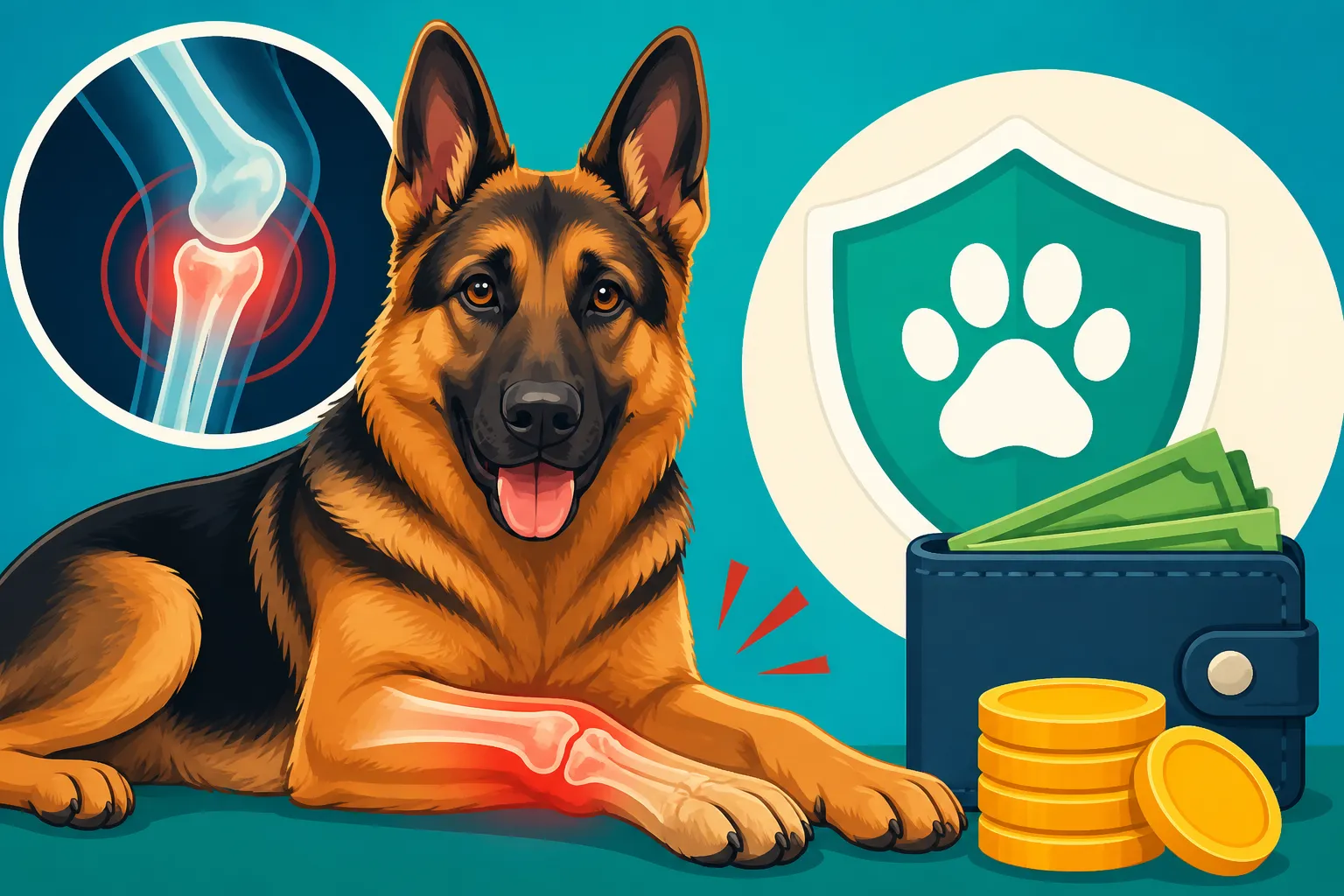
German Shepherd Panosteitis: Cost to Treat
It’s incredibly distressing when your beloved German Shepherd starts limping or showing signs of pain, especially when they’re still in their growth stages. One such condition, panosteitis, often referred to as "growing pains," can be puzzling and expensive to navigate. This guide aims to shed light on the typical costs involved in diagnosing and treating German Shepherd panosteitis, helping you understand what to expect financially and how to provide the best care for your furry family member.
Understanding Panosteitis in German Shepherds
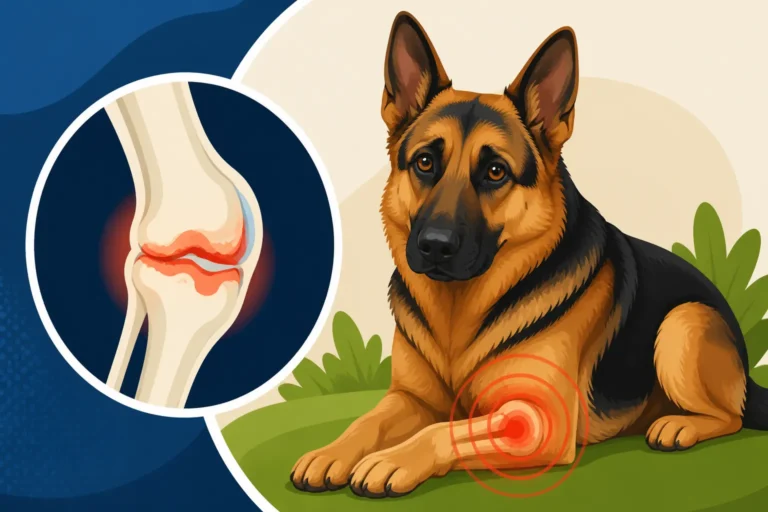
Panosteitis is one of those conditions that often catches German Shepherd owners off guard because it primarily affects young, rapidly growing dogs, typically between 5 and 18 months of age, though it can appear up to two years old. It’s an inflammatory disease affecting the long bones of the legs, often causing sudden, recurring lameness that can shift from one leg to another. It can be incredibly disheartening to watch your energetic puppy suddenly struggle, and the uncertainty of what's happening can be terrifying.
The "Growing Pains" Misconception
While often called "growing pains," panosteitis is more complex than a simple ache from growth. It's actually an inflammation within the marrow cavity of the long bones, which can be quite painful. Many owners initially dismiss a limping puppy as just being a bit clumsy or having overdone it, especially since German Shepherds are known for their high energy. However, if the lameness persists or reappears in different limbs, it's crucial not to simply assume it's benign growing pains but to seek veterinary attention promptly. Understanding the difference is key to early diagnosis and pain relief for your pup. You can learn more about this condition in our detailed guide on German Shepherd Panosteitis Growing Pains.
How Panosteitis Affects Your German Shepherd
The pain associated with panosteitis can range from mild to severe, making your German Shepherd reluctant to move, play, or bear weight on the affected limb. It’s not uncommon for the lameness to "shift" from one leg to another over days or weeks, which can make diagnosis tricky for owners unfamiliar with the condition. Imagine your dog enthusiastically chasing a ball one day, only to wake up the next morning favoring a different leg. This migratory lameness is a hallmark sign. While panosteitis is generally self-limiting and resolves on its own as your dog matures, the discomfort can be significant, impacting their quality of life during a critical developmental period.
Understanding the Direct Costs of Diagnosing Panosteitis
When your German Shepherd starts limping, your first thought is usually to rush them to the vet. This initial visit is where the diagnostic process begins, and costs start to accrue. It's important to remember that diagnosing panosteitis often involves ruling out other, potentially more serious conditions, which can add to the expense.
Initial Vet Visit and Physical Exam
The very first step is a thorough physical examination by your veterinarian. They'll observe your German Shepherd's gait, palpate their legs, and check for tenderness. During this exam, the vet will be looking for classic signs like pain upon deep palpation of the long bones, especially the humerus, radius, ulna, femur, and tibia. They'll also assess for swelling or heat, though these aren't always present.
The cost for a general vet consultation can vary widely depending on your location and the clinic's fees. In metropolitan areas like Los Angeles or New York, an initial exam might run anywhere from $70 to $150. In more rural or suburban settings, you might expect to pay closer to $50 to $100. This fee covers the vet's time, expertise, and the basic assessment of your dog's condition. If your vet suspects pain, they might perform some initial blood work to rule out infections or other systemic issues, which could add another $100-$200 to the bill.
The Critical Role of X-rays
X-rays are the definitive diagnostic tool for panosteitis. While physical examination can strongly suggest the condition, X-rays allow the vet to visualize the bones and look for the characteristic hazy, patchy, or irregular densities within the bone marrow cavity. Because the lameness can be migratory, your vet might recommend X-raying multiple long bones, or even all four limbs, to identify the affected areas and ensure they haven't missed anything.
The cost of X-rays can be a significant portion of the diagnostic bill. A single X-ray can cost $50-$100, but often multiple views (two or three per limb) are needed, and sometimes more than one limb is X-rayed. If your vet decides to X-ray all four limbs, you could be looking at a total cost of $200 to $500 or even more. This expense covers the imaging process, the technician's time, and the veterinarian's interpretation of the images. It’s an unavoidable cost if you want a definitive diagnosis and to rule out other bone conditions like German Shepherd Panosteitis (Growing Pains).
Ruling Out Other Conditions
One of the frustrations of diagnosing lameness in a young German Shepherd is that panosteitis shares symptoms with several other serious orthopedic issues common in the breed. For instance, early signs of German Shepherd Hip Dysplasia Symptoms and Treatment or German Shepherd Elbow Dysplasia Symptoms and Treatment can present as lameness in a growing pup. Osteochondritis dissecans (OCD) is another condition that needs to be considered. Your vet might suggest additional diagnostics beyond basic X-rays if the initial findings are ambiguous or if your dog's symptoms are atypical.
This might include more advanced imaging like CT scans or MRIs (which are very rare for panosteitis but might be considered if other severe issues are strongly suspected, costing $1,000-$3,000+), or even referral to an orthopedic specialist. A specialist consultation alone could be $150-$300 before any new tests are ordered. While these additional steps aren't typically needed for a straightforward panosteitis diagnosis, it's something to be aware of, especially if your vet is cautious about confirming the diagnosis.
Here's a quick overview of potential diagnostic costs:
| Service | Estimated Cost Range (USD) | Notes |
|---|---|---|
| Initial Vet Consultation | $50 – $150 | Varies by location and clinic. |
| Basic Bloodwork (optional) | $100 – $200 | To rule out infection or systemic illness. |
| X-rays (2-4 limbs, multiple views) | $200 – $500+ | Crucial for definitive diagnosis, may involve multiple limbs. |
| Specialist Consultation (if needed) | $150 – $300 | Before any further tests, if a referral is made. |
| Total Diagnostic Cost | $400 – $1,150+ | This is for diagnosis only, not treatment. |
Exploring Treatment Options and Their Associated Expenses
Once panosteitis is confirmed, the good news is that treatment is primarily supportive, focusing on managing pain and inflammation rather than surgery or invasive procedures. However, "supportive care" still comes with its own set of costs, primarily centered around medication and lifestyle adjustments.
Pain Management Strategies
The cornerstone of panosteitis treatment is pain management. Your German Shepherd will be in discomfort, and relieving that pain is paramount to their well-being and recovery. This usually involves veterinary-prescribed pain medications. The type and duration of medication will depend on the severity of your dog's pain and how they respond to treatment.
Commonly prescribed pain relievers include NSAIDs (non-steroidal anti-inflammatory drugs) specifically formulated for dogs. Brands like Rimadyl (carprofen), Metacam (meloxicam), or Novox (carprofen) are frequently used. The cost of these medications can vary based on your dog's weight (as dosage depends on it), the specific drug, and whether you purchase generics or brand names. A typical course of NSAIDs might cost $30 to $100 per month. For severe pain flare-ups, your vet might also prescribe stronger pain medications, which could add to the cost.
Anti-Inflammatory Medications
Since panosteitis is an inflammatory condition, anti-inflammatory medications go hand-in-hand with pain relief. NSAIDs serve a dual purpose here, reducing both pain and inflammation. Sometimes, if NSAIDs aren't sufficient or if there are gastrointestinal sensitivities, other anti-inflammatory approaches might be explored. It's vital to follow your vet's instructions precisely regarding dosage and administration, as improper use of these medications can lead to side effects.
Your vet might also recommend concurrent use of gastroprotectants, like omeprazole or famotidine, to protect your dog's stomach lining from potential NSAID side effects, which could add another $15-$40 per month to the medication bill. The duration of treatment varies greatly; some dogs only need medication during flare-ups, while others might need intermittent courses for several months until the condition fully resolves as they mature.
Lifestyle Adjustments and Supportive Care
Beyond medication, managing panosteitis involves significant lifestyle adjustments to minimize stress on your German Shepherd's growing bones. This means restricting strenuous exercise, avoiding long walks, jumping, and rough play, especially during flare-ups. While not a direct monetary cost in the same way medication is, it requires a time commitment and may mean adjusting your own routine significantly.
You'll need to ensure your dog has a soft, comfortable place to rest. Consider orthopedic beds if you don't already have one, which can range from $50 to $200+. Keeping your dog at a healthy weight is also crucial to prevent excess strain on their joints; if your pup is a bit on the heavy side, a diet adjustment might be in order, which usually doesn't increase costs but requires careful monitoring of food intake. For particularly active dogs, leash walks for bathroom breaks might be the only allowed activity, replacing their usual long runs. It’s also important to avoid activities that put too much impact on their still-developing German Shepherd Growth Plates and Exercise.
Managing Long-Term Care and Potential Future Costs
While panosteitis is generally a self-limiting condition, meaning it eventually resolves on its own, it can recur until your German Shepherd reaches full maturity, usually around 18-24 months of age. This means the need for ongoing monitoring, potential flare-up treatments, and sometimes, preventive or supportive measures.
Monitoring and Follow-Up Appointments
Even after initial diagnosis and treatment, your vet will likely recommend follow-up appointments to monitor your German Shepherd's progress. These appointments allow the vet to reassess the lameness, check for new areas of pain, and adjust medication dosages as needed. A follow-up visit typically costs less than the initial comprehensive exam, ranging from $40 to $80 per visit.
The frequency of these visits depends on your dog's symptoms. If your dog experiences frequent flare-ups or if the pain is severe and not well-controlled, you might have several follow-up appointments over a few months. Sometimes, your vet may recommend repeat X-rays if symptoms persist or worsen to ensure there isn't another underlying issue at play. Each repeat X-ray session could add another $150-$300 to your expenses, though this is often not necessary if the dog is responding well to conservative management.
The Role of Supplements and Alternative Therapies
Many German Shepherd owners look into joint supplements to support bone and joint health, especially with a breed prone to orthopedic issues. While there's no direct scientific evidence that joint supplements "cure" panosteitis, ingredients like glucosamine, chondroitin, and MSM can support overall joint health and potentially ease discomfort. These supplements typically cost $20 to $60 per month, depending on the brand and dosage. Brands like Dasuquin or Cosequin are popular choices for large breeds. You can read more about options in our guide on German Shepherd Joint Health Supplements.
Some owners also explore alternative therapies, such as acupuncture or cold laser therapy, to help manage pain and inflammation. A session of acupuncture or laser therapy can cost $50 to $150 per session, and a course of several sessions might be recommended. While these can offer relief for some dogs, they represent additional, non-essential costs that may or may not be covered by pet insurance. It's always best to discuss any alternative therapies with your veterinarian to ensure they are safe and appropriate for your dog's specific condition.
How Pet Insurance Can Help
Facing unpredictable vet bills, especially for a condition that might have recurring flare-ups like panosteitis, can be daunting. This is where pet insurance can be a real lifesaver. Many comprehensive pet insurance plans, like those offered by Healthy Paws, can cover a significant portion of the costs associated with diagnosing and treating panosteitis, including vet visits, diagnostics (like X-rays), and prescription medications.
For example, if your German Shepherd is insured with Healthy Paws, once your deductible is met, they might reimburse you 70-90% of your eligible vet bills. This can dramatically reduce your out-of-pocket expenses, turning a potential $1,000 bill into a much more manageable $100-$300. It's worth researching different providers and plans to understand their coverage for orthopedic conditions, waiting periods, and deductibles. Investing in pet insurance while your German Shepherd is young and healthy, before conditions like panosteitis emerge, is often the smartest financial decision for long-term health management. You can learn more about this in our article Is Pet Insurance Worth It for a German Shepherd. Remember, having a plan like Healthy Paws in place can offer immense peace of mind.
Overall, while the initial diagnosis and management of German Shepherd panosteitis can incur costs ranging from a few hundred to over a thousand dollars, especially with multiple flare-ups, most dogs recover fully with supportive care. The key is to be proactive, work closely with your veterinarian, and consider how pet insurance might cushion the financial impact of these "growing pains."
Disclaimer
The information provided in this article is for general informational purposes only and is not a substitute for professional veterinary advice. Always consult with a qualified veterinarian for any health concerns or before making any decisions related to your pet's health and treatment. Costs mentioned are estimates and can vary significantly based on location, veterinary clinic, individual pet's needs, and specific treatment plans.