Is Elbow Dysplasia Common in German Shepherds
It's incredibly worrying when you notice your beloved German Shepherd showing even the slightest sign of discomfort, especially when you know their breed can be prone to certain health challenges. Many German Shepherd owners find themselves constantly on alert for joint issues, and elbow dysplasia is often at the top of that list of concerns. It's a valid apprehension, and understanding just how common this condition is in our loyal companions, what to look for, and how to manage it can make all the difference. This comprehensive guide will walk you through the realities of elbow dysplasia in German Shepherds, helping you navigate this often confusing and stressful topic with clarity and confidence.
Understanding Elbow Dysplasia in German Shepherds
Bringing a German Shepherd into your life means embracing their incredible intelligence, loyalty, and boundless energy. It also means becoming acutely aware of their unique health predispositions, and joint issues are undoubtedly a significant one. Elbow dysplasia is a term that often makes even seasoned GSD owners sigh, given its prevalence and potential impact on a dog's quality of life. It’s not just a simple "sore joint"; it's a complex developmental condition that can lead to chronic pain and arthritis if not addressed.
What Exactly Is Elbow Dysplasia?
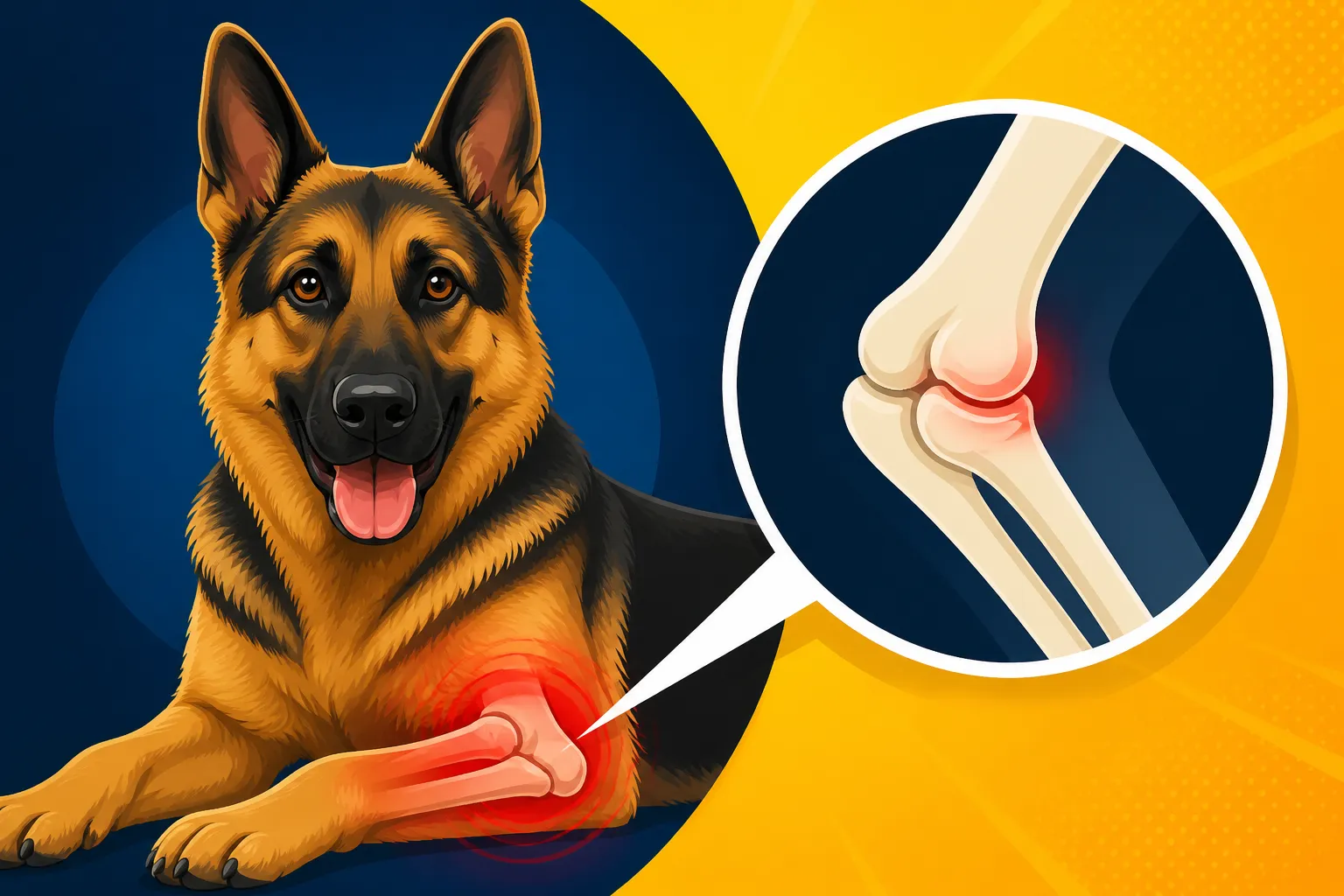
Elbow dysplasia isn't a single disease but rather a catch-all term for several developmental abnormalities that can occur in the elbow joint of growing dogs. Imagine your dog's elbow as a perfectly fitted puzzle, where three bones—the humerus (upper arm), radius (forearm), and ulna (another forearm bone)—meet flawlessly. In a dog with elbow dysplasia, one or more of these bones don't grow at the same rate or develop correctly, leading to an imperfect fit. This poor congruence causes abnormal stress, friction, and wear within the joint, inevitably leading to cartilage damage, inflammation, and degenerative joint disease (osteoarthritis) over time.
There are primarily four specific conditions that fall under the umbrella of elbow dysplasia. First, there's Fragmented Medial Coronoid Process (FCP), where a small piece of bone breaks off the ulna. Then there's Ununited Anconeal Process (UAP), where a specific growth plate in the ulna fails to fuse properly. Osteochondritis Dissecans (OCD) occurs when cartilage doesn't develop into bone normally, leading to flaps of cartilage detaching. Lastly, elbow incongruity refers to an abnormal fit between the bones without a specific fragment or ununited process. Often, a dog may suffer from more than one of these issues simultaneously, complicating the diagnosis and treatment. Recognizing the signs of German Shepherd Elbow Dysplasia: Symptoms and Treatment is crucial for early intervention.
Why German Shepherds Are Prone to Joint Issues
The question of why German Shepherds seem to bear the brunt of joint problems like elbow dysplasia and German Shepherd Hip Dysplasia Explained is multi-faceted, stemming largely from their genetics and rapid growth rate. German Shepherds are magnificent, large-breed dogs, and their impressive size and powerful build are also their Achilles' heel when it comes to skeletal development. They grow incredibly quickly during their puppyhood, often reaching near-adult size within their first year. This rapid growth spurt means their bones, cartilage, and soft tissues are developing at an accelerated pace, leaving less room for error in the intricate process of joint formation.
Genetic predisposition plays an enormous role. While environmental factors like diet and exercise contribute, the underlying blueprint for a dog's skeletal health is inherited from its parents. Responsible breeders understand this and invest heavily in German Shepherd Genetic Health Testing for generations of their breeding stock, specifically screening for conditions like elbow and hip dysplasia. Unfortunately, dogs from backyard breeders or puppy mills, who often skip these vital health clearances, are far more likely to carry and pass on the genes for these debilitating conditions. It's a sobering reality that the very qualities we admire in German Shepherds—their robust structure and athletic prowess—are also the reason they require such careful management during their formative months.
Is Elbow Dysplasia Truly Common in German Shepherds?
It’s one thing to hear that German Shepherds are "prone" to certain conditions, but quite another to understand the actual prevalence. When you’re living with a dog who is your family, the statistics can feel abstract until you're faced with a potential diagnosis. The simple, honest answer is yes, elbow dysplasia is indeed a common concern within the German Shepherd breed. It's not a rare anomaly; it's a condition that many owners will unfortunately encounter or worry about throughout their dog's life.
The Statistics and Reality
While exact figures can vary depending on the population studied and diagnostic criteria, data from organizations like the Orthopedic Foundation for Animals (OFA) consistently highlight the German Shepherd's susceptibility. The OFA, a leading registry for canine orthopedic health clearances, has historically reported a significant percentage of German Shepherds affected by elbow dysplasia. For example, recent OFA statistics often show that around 15-20% of German Shepherds screened exhibit some degree of elbow dysplasia. This isn't a small number; it means that roughly one in five German Shepherds could potentially be affected. This figure often places German Shepherds among the breeds with the highest incidence rates, underscoring why it's such a persistent worry for owners.
This reality is why veterinarians often educate German Shepherd puppy owners about the signs of joint disease early on. It's not to cause undue panic, but to empower owners with knowledge. Knowing that Is Elbow Dysplasia Common in German Shepherds means you can be more vigilant in observing your dog, ensuring they receive proper care, and making informed decisions about their activity levels and nutrition. This proactive approach is part of How to Keep a German Shepherd Healthy. It's a tough truth, but facing it head-on allows us to better protect our dogs.
Factors Influencing Prevalence
While genetics are the undeniable cornerstone of elbow dysplasia prevalence, several other factors can significantly influence whether an individual German Shepherd develops the condition and how severely. These factors act in concert with genetic predisposition, sometimes exacerbating an underlying genetic issue or, conversely, helping to mitigate its expression. Understanding these can help owners minimize risk even if their dog has some genetic susceptibility.
Genetic Inheritance: As mentioned, this is the primary driver. If a German Shepherd's parents or grandparents had elbow dysplasia, the puppy has a much higher chance of developing it. This is why buying from a reputable breeder who provides health clearances (like OFA or PennHIP for hips and elbows) for at least the parents, and ideally several generations, is paramount. These certifications, like those provided by the OFA, assess the elbow joints for abnormalities. Breeders who do not perform these critical health screenings are contributing to the perpetuation of the condition within the breed. For a deeper dive, consider reading about OFA vs PennHIP Hip Scoring Explained as it relates to joint health screening.
Nutrition and Growth Rate: A German Shepherd puppy's diet plays a crucial role during its rapid growth phase. Feeding a high-calorie, high-protein diet designed for all puppies, rather than a specific large-breed puppy formula, can inadvertently accelerate growth, putting excessive stress on developing joints. Large breed puppy foods are formulated to promote slower, more controlled growth, which is vital for proper bone and joint maturation. Overfeeding at any age, leading to excessive weight gain, also puts undue strain on the elbow joints, potentially worsening any existing dysplasia or accelerating the onset of osteoarthritis. A proper German Shepherd Puppy Feeding Schedule is essential.
Exercise and Activity Levels: While German Shepherds are active dogs, inappropriate or excessive exercise during their crucial growth period (up to 18-24 months) can contribute to joint problems. High-impact activities like prolonged running on hard surfaces, jumping from heights, or intense agility training before their growth plates have closed can place tremendous stress on their developing elbows. This isn't to say your German Shepherd should be a couch potato – controlled, moderate exercise like swimming or leash walks on soft surfaces is beneficial – but careful management of German Shepherd Growth Plates and Exercise is key. It's a delicate balance to provide enough mental and physical stimulation without overstressing their immature skeletal system.
| Factor | Impact on Elbow Dysplasia Risk | Explanation |
|---|---|---|
| Genetics/Heredity | High | Primary cause; inherited from parents. Responsible breeding reduces risk. |
| Rapid Growth Rate | High | Large breeds grow quickly; bones/cartilage may not develop coordinately. |
| Inappropriate Diet | Medium | High-calorie diets for non-large breeds can accelerate growth, stressing joints. |
| Excessive Weight | Medium-High | Places extra strain on developing or compromised joints, worsening symptoms and progression. |
| High-Impact Exercise | Medium | Intense, repetitive impact on immature joints can exacerbate underlying issues. |
| Trauma/Injury | Low-Medium | Acute injuries to a susceptible joint can trigger or worsen dysplasia symptoms. |
Recognizing the Signs and Seeking Diagnosis
Detecting elbow dysplasia early can significantly impact the long-term prognosis and management of your German Shepherd's comfort and mobility. However, recognizing the signs isn't always straightforward. Our dogs are often stoic, and subtle changes can easily be missed amidst their everyday enthusiasm. It's a common frustration for owners to wonder if they're seeing "normal" puppy clumsiness or something more serious.
Early Warning Signs to Watch For
The symptoms of elbow dysplasia can vary widely in severity and onset, but most typically begin to appear when a German Shepherd is between 4 and 12 months of age, during their rapid growth phase. However, some dogs might not show overt signs until much later, when arthritis has already set in. The key is to be observant of changes in their movement and behavior.
One of the most common early indicators is a subtle lameness, particularly in one or both front limbs. This might look like a slight head bob when they walk, or an uneven gait. Often, the lameness is worse after rest, such as first thing in the morning or after a long nap, and may improve slightly as they "warm up." You might notice your German Shepherd seems reluctant to engage in activities they once loved, like chasing a ball, jumping into the car, or climbing stairs. They might hesitate, seem stiff, or perform these actions more slowly and awkwardly. Some dogs might even develop a visible swelling around the elbow joint, or you might hear a clicking or grating sound when they move. They may also adopt an abnormal stance, holding their elbows out from their body, or tucking their affected limb in when resting. If you notice any of these signs, especially for German Shepherd Limping: When to Worry, it’s important to schedule a vet visit.
Beyond physical signs, behavioral changes can also be telling. A previously playful puppy might become more subdued, less eager to run or play with other dogs. They might show signs of pain when their elbow is touched or manipulated, or become irritable when approached. In some cases, dogs might "bunny hop" with their back legs to take pressure off their front limbs, or refuse to bear weight fully on the affected leg. If you're seeing any combination of these signs, it's not paranoia; it's your keen observation as a loving German Shepherd owner. Early detection can lead to better outcomes and can often reduce the financial strain on your budget for future care, especially if you have a pet insurance plan from providers like Healthy Paws.
The Diagnostic Process
Once you suspect elbow dysplasia, the next step is a thorough veterinary examination. Your vet will conduct a comprehensive physical assessment, which includes palpating the elbow joints, assessing range of motion, and observing your German Shepherd's gait. Don't be surprised if your dog is a bit squirmy or vocal during this process, especially if they are in pain. They might also check for general Signs of a Healthy German Shepherd and other potential issues.
The definitive diagnosis of elbow dysplasia primarily relies on radiographs (X-rays). To get clear, diagnostic images, your German Shepherd will typically need to be sedated or anesthetized. This ensures they are completely still and relaxed, allowing the vet to position the joint correctly for various views. These X-rays will help identify specific abnormalities like fragmented coronoid processes, ununited anconeal processes, or signs of early osteoarthritis. In some more complex cases, or if surgery is being considered, your vet might recommend advanced imaging techniques such as a CT scan (Computed Tomography). A CT scan provides a much more detailed 3D view of the joint, which is invaluable for precisely identifying the extent and nature of the dysplasia, particularly for subtle issues or surgical planning. Discussing these diagnostic steps and potential treatment options with your vet is crucial for managing German Shepherd Health Problems Guide effectively. The cost of diagnosis and treatment can sometimes be high, so having pet insurance from a company like Healthy Paws can provide significant relief.
Management and Prevention Strategies
Discovering your German Shepherd has elbow dysplasia can feel overwhelming, but it's not a death sentence for their active lifestyle. With proper management, many dogs can lead comfortable, happy lives. The approach to elbow dysplasia is typically two-pronged: managing the symptoms and progression, and for future generations, preventing its occurrence.
Treatment Options
The treatment approach for elbow dysplasia largely depends on the severity of the condition, the specific abnormalities present, the dog's age, and the extent of any secondary osteoarthritis. Your veterinarian will work with you to develop the best plan for your German Shepherd.
Conservative Management: This is often the first line of defense for mild cases or when surgery isn't an option. It focuses on pain relief, reducing inflammation, and supporting joint health. This usually involves a combination of:
- Weight Management: Keeping your German Shepherd at a lean, healthy weight is paramount to reduce stress on their joints. Even a few extra pounds can make a significant difference.
- Controlled Exercise: Low-impact activities like swimming, leash walks on soft ground, and hydrotherapy can help maintain muscle mass without stressing the joints. Avoid intense, high-impact activities.
- Medication: Non-steroidal anti-inflammatory drugs (NSAIDs) are commonly prescribed to manage pain and inflammation. Other pain medications might also be used as needed.
- Joint Supplements: Glucosamine, chondroitin, MSM, and Omega-3 fatty acids are popular choices to support cartilage health and reduce inflammation. Looking into Best Joint Supplements for Senior German Shepherds might provide insights, even for younger dogs with joint issues.
- Physical Therapy: Rehabilitation exercises, often guided by a certified canine rehabilitation therapist, can help strengthen supporting muscles, improve range of motion, and reduce pain.
Surgical Intervention: For more severe cases, or when conservative management isn't providing sufficient relief, surgery might be recommended. The type of surgery depends on the specific form of elbow dysplasia:
- Arthroscopy: This minimally invasive procedure uses a small camera to examine the joint and can be used to remove fragmented coronoid processes or address OCD flaps. It’s generally preferred due to quicker recovery times.
- Osteotomy Procedures: These involve cutting and repositioning bones to improve joint congruence, such as a Proximal Ulnar Osteotomy (PUO) or a Sliding Humeral Osteotomy (SHO). These are more complex but can offer significant relief in select cases.
- Total Elbow Replacement (TER): This is a specialized and often last-resort option for severe, end-stage arthritis where other treatments have failed. It involves replacing the damaged joint with prosthetic components.
After surgery, a strict rehabilitation program, often involving physical therapy, is crucial for a successful recovery. It's a long road, but with dedication, your German Shepherd can regain much of their mobility and comfort. The potential for such significant medical expenses highlights the value of being prepared; a solid pet insurance policy from a reputable provider like Healthy Paws can truly alleviate the financial stress during these challenging times.
Proactive Prevention for Your German Shepherd
While you can't change your German Shepherd's genetics, there's a lot you can do to minimize the risk of elbow dysplasia developing or worsening, and to ensure you're not contributing to its spread within the breed.
Responsible Breeding Practices: This is the single most critical factor in prevention. Always, always choose a reputable breeder who prioritizes health. A responsible breeder will conduct OFA (Orthopedic Foundation for Animals) or PennHIP health clearances on both parent dogs for elbows (and hips) before breeding. They will provide documentation of these clearances, and you should be able to verify them online. They won't breed dogs with dysplastic elbows, even if the condition is mild. This commitment to genetic health helps to reduce the incidence of elbow dysplasia in future generations. Asking about the health history of previous litters and the parents' siblings can also provide valuable insight into the genetic tendencies.
Optimal Nutrition and Weight Management: Feed your German Shepherd puppy a high-quality, large-breed puppy food specifically formulated for their slower growth requirements. These diets are carefully balanced to provide the right nutrients without promoting overly rapid bone growth. Avoid free-feeding and stick to a measured feeding schedule. As your German Shepherd matures, maintain a lean body condition. Regularly assess their weight, ensuring you can easily feel their ribs but not see them prominently. Overweight dogs put unnecessary strain on their joints, exacerbating any underlying predisposition to dysplasia. If you're concerned about weight, explore resources like German Shepherd Weight and Obesity Risks.
Controlled Exercise and Environment: During puppyhood and adolescence (up to 18-24 months), avoid high-impact activities, excessive jumping, prolonged forced running, or repetitive stair climbing. Focus on controlled, moderate exercise. Short, frequent walks on soft surfaces are ideal. Swimming is an excellent non-weight-bearing exercise that builds muscle without joint stress. Provide good traction surfaces at home to prevent slips and falls, especially on slippery floors. Consider dog ramps for getting into cars or onto furniture if your dog is prone to jumping. Understanding German Shepherd Exercise Requirements and adapting them for growth is key to How to Prevent Elbow Dysplasia in German Shepherds.
Early Detection and Regular Vet Check-ups: Even with the best prevention, some genetic predisposition might still manifest. Regular veterinary check-ups are important, and being vigilant about observing your dog’s gait and behavior can lead to early detection. If you notice any limping, stiffness, or reluctance to move, don't delay in getting them checked. Early diagnosis and intervention can significantly improve the prognosis and quality of life for a German Shepherd with elbow dysplasia. It’s always better to be proactive than reactive when it comes to the health of your cherished companion. And knowing you have a financial safety net through pet insurance like Healthy Paws for these unexpected health challenges provides immense peace of mind.
Disclaimer
The information provided in this article is for general informational purposes only and is not a substitute for professional veterinary advice. Always consult with a qualified veterinarian for any health concerns or before making any decisions related to your German Shepherd's care, diet, or treatment.