Why Do German Shepherds Die Young
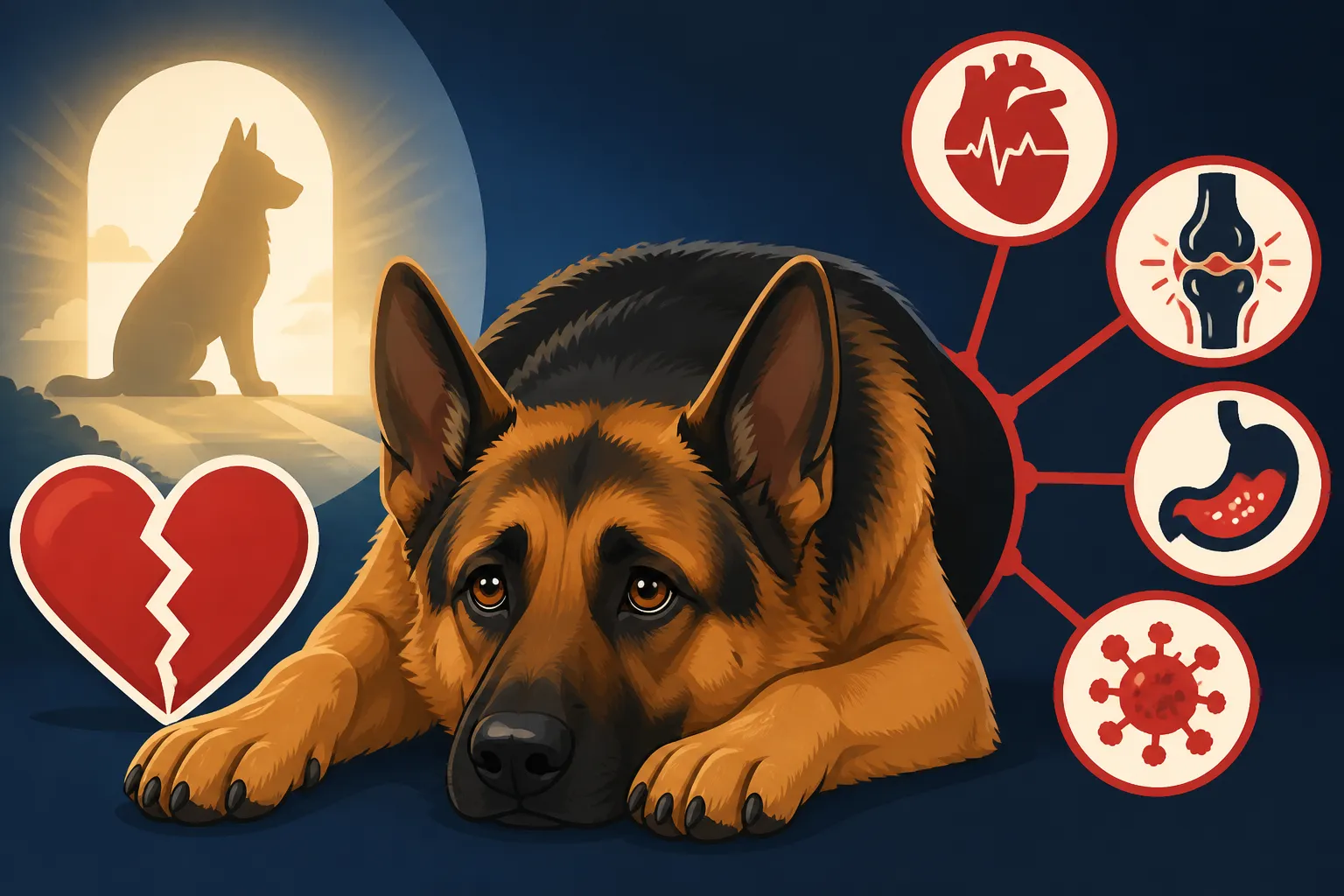
The heartbreak of losing a beloved German Shepherd too soon is a fear many owners silently carry. It's devastating to think about, especially with the common perception that these magnificent dogs often face health challenges that shorten their lives. If you've ever wondered why German Shepherds might seem to die young, you're not alone, and this guide is here to shed light on the real reasons behind their lifespan and what we, as dedicated owners, can do about it.
Understanding the German Shepherd Lifespan and Common Health Challenges
Bringing a German Shepherd into your life is a commitment to their health and well-being, and a significant part of that involves understanding their expected lifespan and the specific health hurdles they commonly face. While these dogs are robust and resilient in many ways, they do have genetic predispositions that can, unfortunately, shorten their time with us. It's a tough reality, but facing it head-on with knowledge is the best way to prepare and provide the best possible care.
The Expected Lifespan and Why It Varies
Generally speaking, a German Shepherd's lifespan typically falls in the range of 7 to 10 years, though with exceptional care and a bit of luck, some can live to be 12 or even 13 years old. This is a shorter average lifespan compared to many smaller dog breeds, which often live into their mid-teens, but it’s comparable to other large and giant breeds. For instance, a Labrador Retriever might live 10-12 years, and a Great Dane averages 7-10 years.
The exact age your German Shepherd lives to see is influenced by a complex interplay of factors. Genetics certainly play a huge role, passed down from their parents. A dog from a line of long-lived, healthy ancestors generally has better prospects. Beyond genetics, the quality of their diet, the amount and type of exercise they receive, their overall living environment, and, crucially, the standard of veterinary care they receive throughout their lives, all contribute significantly to their longevity. Every decision you make as an owner has an impact, for better or worse.
Genetic Predispositions and Their Impact
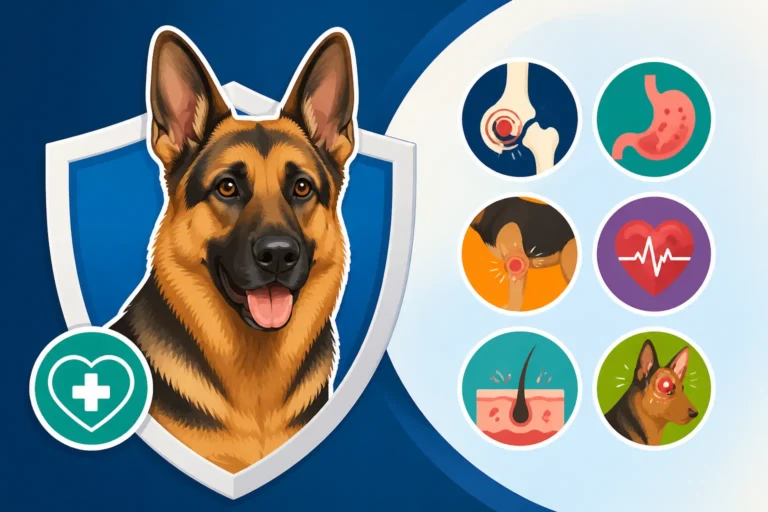
German Shepherds are prone to several hereditary conditions that can severely impact their quality of life and ultimately shorten their lifespan. These aren't just minor inconveniences; they are serious health issues that require vigilance and often extensive management.
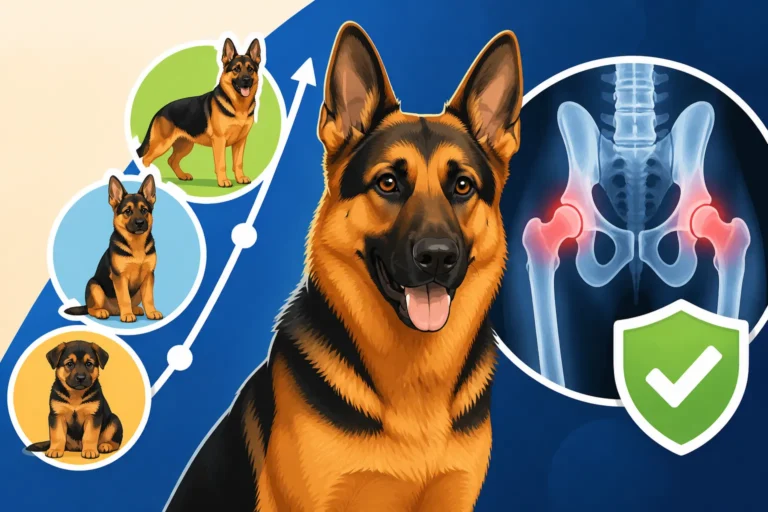
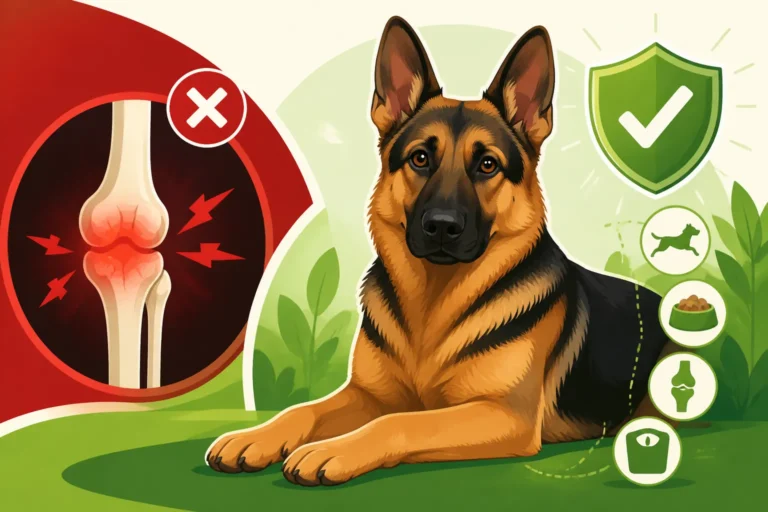
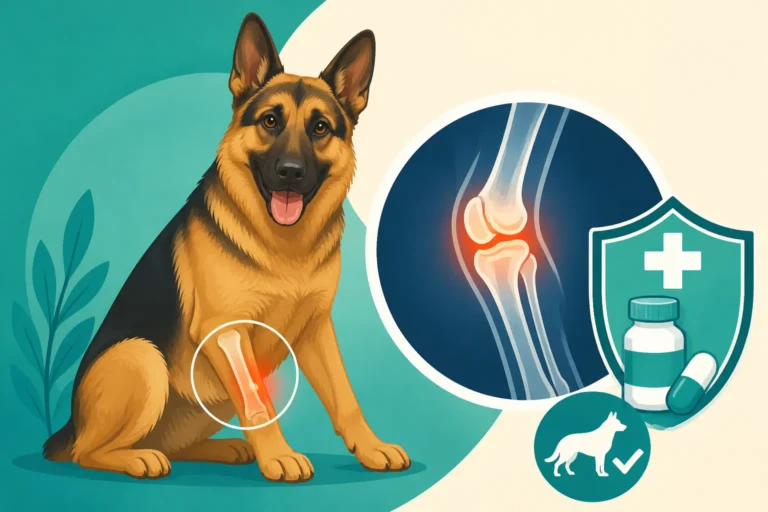
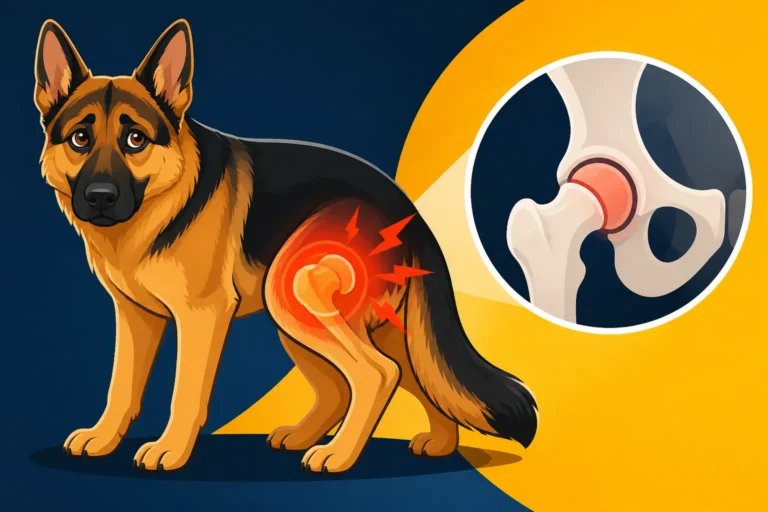
First and foremost are the notorious joint problems: hip and elbow dysplasia. These conditions involve the abnormal development of the hip and elbow joints, leading to painful arthritis, reduced mobility, and chronic discomfort. A dog struggling with severe dysplasia may experience constant pain, making simple activities like walking, running, or even standing difficult. This can significantly diminish their quality of life and, in some heartbreaking cases, lead to owners considering euthanasia to relieve suffering if pain cannot be adequately managed. For a deeper dive into these issues, you might find our guides on German Shepherd Hip Dysplasia Explained and German Shepherd Elbow Dysplasia: Symptoms and Treatment incredibly helpful.
Another particularly cruel disease affecting German Shepherds is Degenerative Myelopathy (DM). This progressive neurological condition is often compared to ALS in humans. It affects the spinal cord, leading to a gradual loss of coordination and weakness in the hind limbs, eventually progressing to paralysis. There is no cure for DM, and while supportive care and mobility aids like wheelchairs can help, the quality of life for a dog with advanced DM deteriorates significantly. The genetic component of DM is well-understood, and responsible breeders will conduct genetic testing to avoid passing on the gene. If you’re concerned about DM, reading up on Degenerative Myelopathy in German Shepherds and German Shepherd DM DNA Testing Explained is highly recommended.
Then there's Gastric Dilatation-Volvulus (GDV), more commonly known as bloat. This acute, life-threatening condition occurs when the stomach fills with gas and twists upon itself, trapping the gas and cutting off blood supply. German Shepherds, being large, deep-chested dogs, are particularly susceptible. Bloat can come on suddenly, and without immediate veterinary intervention, it is often fatal within hours. Even with emergency surgery, the mortality rate remains high. Recognizing the signs quickly and getting to an emergency vet is paramount. For more on this critical issue, see our articles on German Shepherd Bloat: Signs and Prevention and German Shepherd Bloat Emergency: What to Do.
Cancers and Other Breed-Specific Ailments
Beyond structural and neurological issues, German Shepherds also have a higher incidence of certain types of cancer, which can tragically cut their lives short. Among the most concerning is hemangiosarcoma, an aggressive cancer originating from the lining of blood vessels, frequently found in the spleen or heart. It's often referred to as "the silent killer" because symptoms may not appear until the disease is quite advanced, making early detection incredibly challenging. Other cancers like osteosarcoma (bone cancer) are also seen more frequently in larger breeds like German Shepherds. These cancers spread rapidly and often have a poor prognosis, even with aggressive treatment. Understanding the risks can help you be more vigilant; our article on German Shepherd Hemangiosarcoma Explained provides more detail.
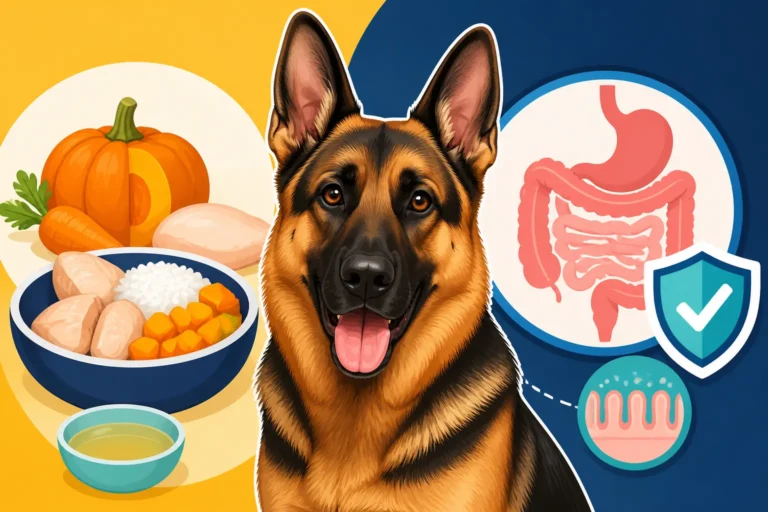
Another condition, Exocrine Pancreatic Insufficiency (EPI), while not directly fatal, significantly impacts a German Shepherd's health and vitality. With EPI, the pancreas doesn't produce enough digestive enzymes, leading to severe malabsorption of nutrients, chronic weight loss, and persistent diarrhea. It's a lifelong condition that requires daily enzyme supplementation and dietary management. Without proper treatment, a dog with EPI will waste away. Learning about German Shepherd EPI: Symptoms and Treatment and German Shepherd EPI Diet and Management can be vital for affected dogs.
Lastly, chronic allergies, both environmental and food-related, are unfortunately common in German Shepherds. While allergies themselves aren't typically life-threatening, the chronic discomfort, skin infections, and systemic inflammation they can cause can compromise a dog's overall immune system and quality of life. Constant itching, scratching, and secondary infections take a toll on their body. Persistent health issues, even non-fatal ones, can indirectly contribute to a shorter lifespan by increasing stress on the body. You can find out more about managing these issues in German Shepherd Allergies: Symptoms and Treatment and German Shepherd Itchy Skin: Causes and Fixes.
Here's a quick overview of some common health issues that impact a German Shepherd's lifespan:
| Health Issue | Average Onset (Approx.) | Impact on Lifespan | Prevention/Management Keys |
|---|---|---|---|
| Hip/Elbow Dysplasia | Puppyhood to Adulthood | Chronic pain, reduced mobility, early euthanasia in severe cases | Genetic screening of parents, controlled growth diet, appropriate exercise, weight management, joint supplements |
| Degenerative Myelopathy (DM) | 8-14 years | Progressive paralysis, severe decline in quality of life | Genetic screening of parents, supportive care, mobility aids, physical therapy |
| Bloat (GDV) | Any age (more common >2) | Acute, life-threatening emergency, high mortality (up to 30%) | Avoid single large meals, slow feeding bowls, elevated bowls (controversial), gastropexy surgery, emergency awareness |
| Hemangiosarcoma (Cancer) | Middle to Senior age | Aggressive, rapid spread, often late detection, poor prognosis | Regular veterinary check-ups, prompt investigation of lumps/bumps, awareness of symptoms |
| Exocrine Pancreatic Insufficiency (EPI) | 6 months to Adult | Malabsorption, chronic digestive issues, weight loss, weakened immune system | Daily enzyme supplementation, specialized diet, regular veterinary monitoring |
The Critical Role of Lifestyle, Environment, and Nutrition
While genetics lay the foundation for a German Shepherd's health, their daily life—what they eat, how much they move, and the environment they live in—can significantly amplify or mitigate those genetic predispositions. As owners, we have immense power to influence these factors, shaping not just their quality of life, but also their longevity. Neglecting these areas can unfortunately contribute to a German Shepherd dying younger than they should.
Diet and Weight Management
Perhaps one of the most controllable yet often overlooked aspects of a German Shepherd's health is their diet and weight. Overfeeding, especially during puppyhood, can lead to rapid growth that puts immense stress on developing joints, potentially exacerbating or even initiating the onset of hip and elbow dysplasia. An overweight or obese adult German Shepherd will experience constant strain on their joints, accelerating the progression of arthritis and making movement painful. Beyond joint issues, obesity is a known risk factor for a host of other serious conditions, including diabetes, heart disease, certain cancers, and even reduced surgical tolerance if an emergency arises.
The quality of their nutrition is equally vital. Feeding a balanced, high-quality diet specifically formulated for large-breed dogs, appropriate for their life stage, provides the essential nutrients for strong bones, healthy organs, and a robust immune system. A diet lacking in proper nutrition can compromise their overall health, making them more susceptible to illness and less able to recover effectively. For advice on what to feed your furry friend, consider our comprehensive guide on the Best Dog Food for German Shepherds.
Exercise and Mental Stimulation
German Shepherds are highly intelligent and active dogs, and their exercise needs are substantial. However, there's a delicate balance to strike. Too little exercise can lead to boredom, destructive behaviors, anxiety, and, as mentioned, obesity. A mentally and physically under-stimulated German Shepherd can become stressed, and chronic stress weakens the immune system, making them more vulnerable to illness.
On the other hand, too much strenuous exercise, particularly in young, still-growing puppies, can be detrimental to their developing joints and growth plates. Activities like excessive running on hard surfaces, jumping from high places, or intense agility training before their growth plates have closed can increase the risk of joint injuries and contribute to the development of hip and elbow dysplasia. Understanding German Shepherd Growth Plates and Exercise is crucial for puppy owners. The goal is consistent, appropriate exercise that challenges both their body and their mind without overstressing their delicate structures.
Environmental Factors and Accidents
Our homes and surroundings can also pose hidden threats. Exposure to household toxins, such as cleaning products, pesticides in the yard, certain fertilizers, or even common human foods and medications, can lead to acute poisonings that are life-threatening. German Shepherds are curious and often put things in their mouths, so keeping hazardous substances out of reach is non-negotiable.
Beyond toxins, accidents are an unfortunate reality for active dogs. Car accidents, falls, or altercations with other animals can result in severe injuries, some of which can be fatal or lead to long-term disabilities that impact their lifespan. Even less dramatic environmental factors, like living in a chaotic or constantly stressful household, can take a toll on a German Shepherd's mental and physical health. Chronic stress elevates cortisol levels, suppressing the immune system and increasing susceptibility to various illnesses. Providing a safe, stable, and predictable environment is just as important as physical care.
Empowering Lifespan: Proactive Care and Early Detection
While it can feel overwhelming to consider all the potential health challenges German Shepherds face, the good news is that proactive care and vigilant early detection can make a monumental difference in extending their lives and improving their quality of life. As responsible owners, we have the tools and resources to give our dogs the best chance at a long, healthy, and happy existence.
The Power of Preventative Veterinary Care
Regular veterinary check-ups are not just for when your dog is sick; they are the cornerstone of preventative care. Annual exams, or even twice a year for senior dogs, allow your veterinarian to establish a baseline of health, identify subtle changes that might indicate an emerging problem, and provide crucial preventative treatments. These visits often include physical examinations, blood work, and screenings that can catch issues like organ dysfunction, infections, or even early signs of cancer before they become critical. Early detection is key to successful treatment for many conditions, especially aggressive cancers.
Beyond routine exams, staying on top of vaccinations and parasite control is absolutely essential. Vaccinations protect against dangerous infectious diseases like distemper, parvovirus, and rabies, which can be devastating. Consistent prevention against fleas, ticks, and heartworms shields your German Shepherd from parasites that can transmit serious illnesses. For instance, our articles on German Shepherd Vaccination Schedule and German Shepherd Flea and Tick Prevention offer valuable guidance on these preventative measures.
Don't overlook dental health either! It might seem like a minor concern, but poor oral hygiene can lead to severe periodontal disease, where bacteria from the mouth enter the bloodstream and can affect major organs like the heart, kidneys, and liver. Regular dental cleanings and at-home dental care are vital for overall systemic health. You can learn more about this in our guide to German Shepherd Dental Care Explained.
Genetic Screening and Responsible Breeding
One of the most powerful steps to prevent your German Shepherd from dying young due to genetic conditions is to acquire your puppy from a responsible breeder who prioritizes genetic health testing. Ethical breeders invest significant time and resources into screening their breeding stock for hereditary diseases like hip and elbow dysplasia, as well as Degenerative Myelopathy. They use tools like OFA (Orthopedic Foundation for Animals) and PennHIP evaluations to assess joint health and genetic testing kits for DM. This meticulous process helps to significantly reduce the likelihood of these devastating conditions appearing in their puppies.
For prospective owners, this means doing your homework. Don't be shy about asking breeders for proof of health clearances for both parents. A reputable breeder will be transparent and proud to share these results. Understanding German Shepherd Genetic Health Testing and the differences between OFA vs PennHIP Hip Scoring Explained can empower you to make an informed decision when choosing a puppy, ensuring you start with the best possible genetic foundation.
The Safety Net of Pet Insurance and Emergency Preparedness
Even with the best preventative care and genetic screening, unexpected illnesses or accidents can still occur. When a German Shepherd faces a serious condition like bloat, cancer, or a severe injury, the cost of veterinary care can quickly escalate into thousands of dollars. These financial burdens can sometimes force owners into making heartbreaking decisions about treatment options they might not be able to afford.
This is precisely where the safety net of pet insurance, like policies offered by Healthy Paws, can be an absolute lifesaver. Having a comprehensive pet insurance plan can alleviate the immense financial stress during a crisis, allowing you to focus on getting your beloved German Shepherd the best possible care without worrying about the bill. Healthy Paws often covers diagnostics, treatments, and even emergency care for unexpected illnesses and accidents, which can be invaluable when facing a sudden diagnosis or injury. Many owners find peace of mind with a plan from Healthy Paws, knowing they are prepared for the unforeseen. It’s a practical step to ensure you can afford the best care for your German Shepherd, especially with common breed-specific issues that can emerge. Beyond insurance, maintaining a dedicated emergency fund for vet expenses, deductibles, or treatments not fully covered by a policy is also a smart financial move. This dual approach to financial preparedness can literally save your dog's life.
Maximizing Your German Shepherd's Potential Lifespan
Ultimately, maximizing your German Shepherd's potential lifespan comes down to a holistic approach to their care, combining proactive health management with attentive, engaged ownership. While we can't control every factor, our consistent efforts significantly tip the scales in their favor.
Holistic Health Management
A truly holistic approach to your German Shepherd's health considers every aspect of their well-being. Start with nutrition: work closely with your veterinarian to ensure your German Shepherd's diet is perfectly tailored to their age, activity level, and any specific health conditions they might have. This might involve choosing a specific large-breed formula, considering prescription diets, or incorporating appropriate supplements. For instance, many vets recommend joint supplements containing glucosamine and chondroitin, especially for breeds prone to hip and elbow issues. Our article on German Shepherd Joint Health Supplements delves deeper into this topic.
Balanced exercise is also key. Provide a consistent routine that includes both physical activity and mental stimulation. Think about walks, hikes, safe off-leash play, and training sessions that challenge their intelligent minds. Avoid over-exertion, particularly during puppyhood, but ensure they are getting enough activity to maintain a healthy weight and strong muscles.
Lastly, consistent grooming and hygiene play a larger role than just aesthetics. Regular brushing helps manage their shedding and keeps their skin healthy. Routine ear cleaning prevents painful infections, and proper nail trims prevent discomfort and gait issues. This consistent attention to their physical comfort and cleanliness can prevent minor issues from escalating into more serious health problems. For comprehensive grooming tips, check out How to Groom a German Shepherd.
Being an Engaged and Observant Owner
Perhaps the most important factor in extending your German Shepherd's life is your role as an engaged and observant owner. No one knows your dog better than you do. Take the time to learn the Signs of a Healthy German Shepherd – what their normal behavior, appetite, energy levels, and eliminations look like. This knowledge empowers you to spot subtle changes that might signal an underlying health issue.
If you notice anything "off"—a slight limp, a change in appetite, increased lethargy, or a new lump—don't hesitate to contact your veterinarian immediately. Early intervention is critical for so many conditions. A quick vet visit for what seems like a minor issue can prevent it from becoming a major, life-threatening problem that requires expensive, invasive treatments or leads to a diminished lifespan. Being proactive and trusting your gut feeling as an owner is invaluable.
Finally, creating a loving, stable, and stimulating home environment is paramount. A German Shepherd thrives on companionship, clear communication, and purposeful activity. A happy dog is often a healthier dog, as emotional well-being profoundly impacts physical health. Minimize stress, provide plenty of positive reinforcement, and cherish every moment with your loyal companion. By being their advocate and providing comprehensive care, you are giving your German Shepherd the very best chance to live a full and vibrant life, defying the notion that they are destined to die young.
Disclaimer
This article provides general information and is not a substitute for professional veterinary advice. Always consult with a qualified veterinarian regarding your German Shepherd's specific health concerns and treatment options.