How to Stop German Shepherd Aggression
Experiencing aggression in your German Shepherd can be one of the most heartbreaking and frustrating challenges a dog owner faces. It’s a terrifying moment when your loyal companion, a breed known for its courage and protectiveness, shows signs of hostility towards people, other animals, or even you. This isn't just a minor behavioral quirk; it's a serious issue that impacts your dog's quality of life, your family's safety, and your relationship with your beloved GSD. This comprehensive guide is here to walk you through understanding, preventing, and effectively addressing German Shepherd aggression, offering practical steps and professional insights to help you navigate this difficult journey.
Understanding German Shepherd Aggression
When we talk about aggression in German Shepherds, it's important to remember that it's a complex issue, not a simple "bad dog" label. German Shepherds are magnificent, intelligent animals with strong protective instincts, which, if not properly channeled, can sometimes manifest as aggression. This isn't about them being inherently mean; it's often a miscommunication, a learned behavior, or a response to an underlying issue.
Why German Shepherds Can Be Prone to Aggression
German Shepherds were originally bred in Germany in the late 19th century as herding dogs. Their lineage quickly evolved to include roles in police, military, and protection work, roles that require immense courage, intelligence, and a certain level of assertiveness. These traits are deeply ingrained in the breed's DNA. While desirable for specific working lines, these same traits can, without proper guidance and socialization, lead to challenges in a typical family pet environment. Their high drive, territorial instincts, and protective nature mean they are naturally wired to assess and react to perceived threats, which can sometimes be misinterpreted or misdirected in modern living.
Furthermore, genetics play a significant role. Just as some GSDs are predisposed to certain health conditions like German Shepherd Hip Dysplasia Explained, some bloodlines might carry stronger tendencies towards reactivity or anxiety. A responsible breeder will prioritize temperament, health, and working ability, carefully selecting breeding pairs to produce stable, confident puppies. Unfortunately, backyard breeders or puppy mills often neglect temperament screening, leading to puppies with unstable or overly anxious dispositions that are more likely to display aggressive behaviors down the line. It's crucial to understand your dog's lineage if possible.
Beyond genetics, their keen intelligence and sensitivity mean they absorb a lot from their environment. If they experience traumatic events, inconsistent training, or a lack of positive early experiences, these can quickly shape their behavior, leading to fear-based or defensive aggression. It's a combination of nature and nurture, where their powerful inherent traits meet their individual life experiences.
Recognizing the Early Signs of Aggression
Aggression rarely appears out of nowhere; it usually escalates through a series of subtle, then increasingly obvious, warning signals. These signals are your dog's way of communicating discomfort or anxiety long before they resort to a bite. Recognizing these early signs is paramount for intervention and prevention.
One of the first indicators might be stiffness in their body posture, a hard stare, or a lowered head. They might stop wagging their tail, or if they do, it might be a stiff, low wag rather than a loose, happy one. A subtle lip lick, a yawn when not tired, or excessive panting can also be signs of stress. These are known as "calming signals" and indicate your dog is feeling uneasy.
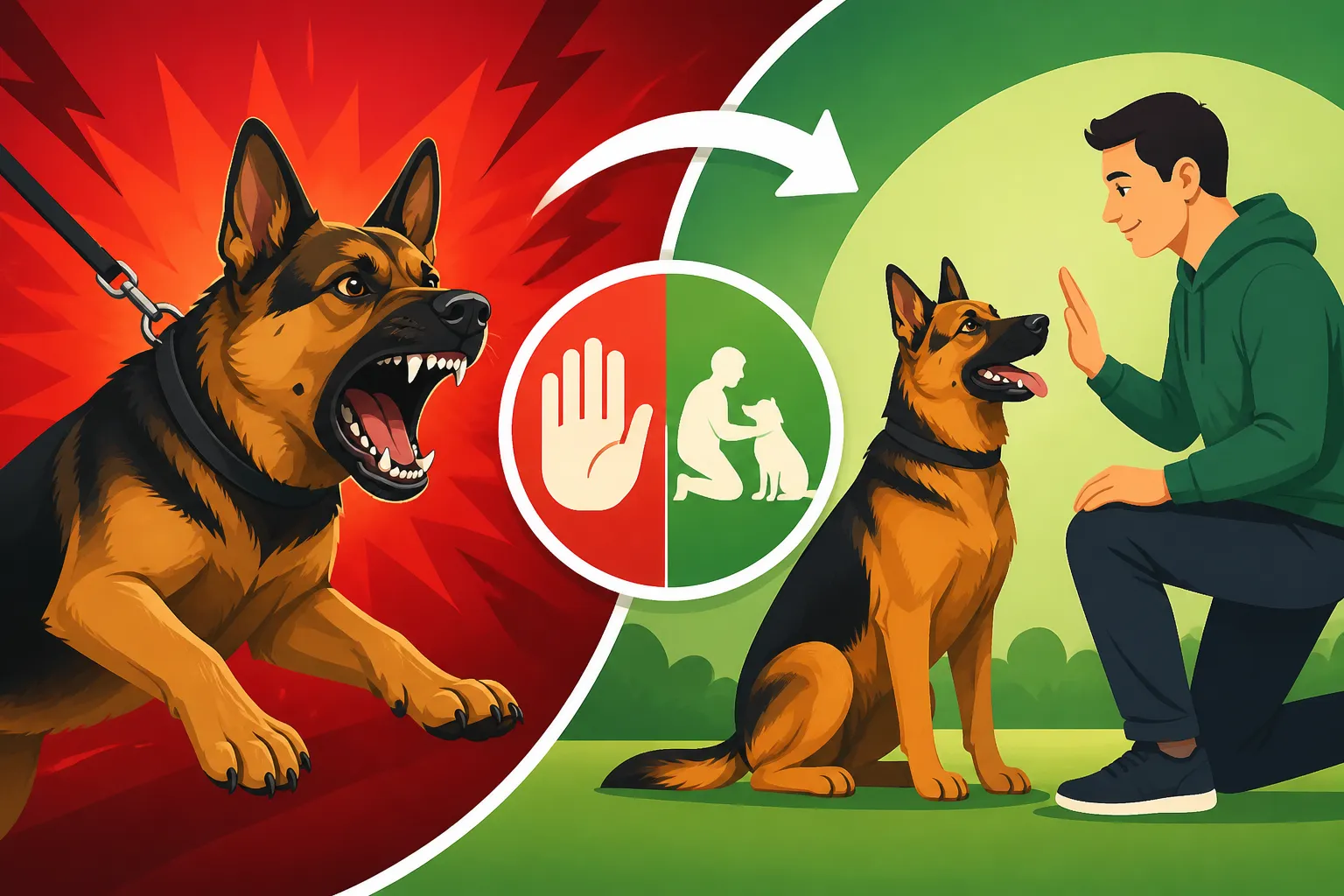
As the discomfort increases, you might see more pronounced body language: growling, baring teeth, a raised hackle (the fur along their spine), snapping in the air, or even a quick lunge without making contact. These are clear warnings that your German Shepherd is feeling threatened and is attempting to create distance or end a stressful interaction. Ignoring these signals can teach your dog that their warnings aren't effective, forcing them to escalate to a bite when they feel they have no other option. Being attuned to these nuances, understanding how to read a German Shepherd's body language, is the first step in addressing and preventing serious incidents. For more general insights into their demeanor, read our guide on Understanding German Shepherd Behavior.
Different Types of Aggression and Their Triggers
Aggression isn't a monolithic problem; it comes in many forms, each with its own underlying motivations and triggers. Identifying the specific type of aggression your German Shepherd is exhibiting is crucial for developing an effective intervention strategy.
One common type is fear-based aggression. This occurs when a dog feels cornered, threatened, or overwhelmed and lashes out defensively. Imagine a shy German Shepherd puppy who wasn't properly socialized encountering a boisterous child. If they feel unable to escape, they might growl or snap to create space. This type of aggression is often accompanied by body language indicating fear, like a tucked tail, lowered body, or wide "whale eyes."
Another frequent manifestation is resource guarding, where a dog becomes aggressive when protecting items they value, such as food, toys, or even a favorite sleeping spot. This could be directed at other pets, people, or even towards their owner. For example, your GSD might growl if another dog approaches their food bowl, or snap if you try to take away a chew toy they are enjoying. This isn't about being mean, but a deep-seated instinct to protect valuable resources.
Territorial aggression is when a dog displays aggression towards perceived intruders in their home, yard, or car. This is a classic German Shepherd trait, rooted in their protective instincts. They might bark aggressively at strangers walking past the fence or growl at visitors entering your home. Similarly, protective aggression is directed towards protecting their perceived "pack" members (you, your family, or other pets) from perceived threats. While these instincts are admirable, when unchecked, they can lead to dangerous situations. Understanding the nuances of these behaviors is key to addressing them appropriately and ensuring a safe environment for everyone.
Common Causes of Aggression in German Shepherds
Delving deeper into the root causes of aggression can illuminate the path to finding solutions. It’s rarely about a dog simply being "mean" or "dominant" in the simplistic way some old-school trainers describe it. More often, it stems from a place of fear, anxiety, or unmet needs.
Fear-Based Aggression
Fear-based aggression is arguably one of the most common forms, especially in breeds like German Shepherds that can be sensitive and prone to anxiety if not properly handled. This type of aggression occurs when a dog feels threatened, vulnerable, or unable to escape a perceived danger. It's a defensive mechanism, a "fight" response when the "flight" option isn't available or seems impossible.
Imagine a German Shepherd who wasn't adequately exposed to various sights, sounds, and people during their critical puppy socialization window. When an unfamiliar situation arises – a loud truck, a child running unexpectedly, or a stranger making direct eye contact – the dog might feel overwhelmed and insecure. If previous attempts to retreat or signal discomfort have been ignored, they learn that the only way to make the scary thing go away is to escalate their defensive behavior, potentially leading to growling, snapping, or biting. The underlying emotion here is not malice, but profound fear.
This can be exacerbated by past negative experiences. A rescue German Shepherd who was previously abused or neglected might exhibit fear-based aggression towards men, loud noises, or sudden movements. It’s their way of saying, "Don't hurt me." Addressing this requires immense patience, building trust, and slowly counter-conditioning their fear responses through positive experiences, rather than punishing their fear-driven reactions, which would only intensify their anxiety. This often requires professional guidance.
Resource Guarding and Possessive Aggression
Resource guarding is a deeply ingrained canine behavior, stemming from their ancestral need to protect valuable resources for survival. While it’s natural to some extent, when it becomes extreme or directed at humans, it poses a significant safety risk. This type of aggression typically involves a dog displaying warning signs—growling, stiffening, staring, or snapping—when someone approaches their food bowl, a favorite toy, a valuable chew, or even a specific sleeping spot like a bed or couch.
For German Shepherds, with their strong personalities and protective tendencies, resource guarding can be a particular challenge. They are intelligent and often form strong attachments to their belongings. A classic scenario might involve a GSD puppy who snaps if you try to take away a rawhide, or an adult dog who guards their meal from another family pet. The aggression isn't about malice; it's about a deep-seated instinct to preserve what they perceive as vital for their well-being.
Prevention is key here, especially with puppies. Teaching "give" and "trade" from a young age, consistently offering higher-value items in exchange for the guarded item, can build positive associations. For instance, if your dog is guarding a toy, offer a high-value treat (like a piece of chicken) and when they release the toy to take the treat, praise them and then return the toy. This teaches them that humans approaching their resources can lead to good things, not deprivation. For established resource guarding, careful management and professional behavior modification are often necessary to ensure safety.
Territorial and Protective Aggression
Territorial and protective aggression are hallmarks of the German Shepherd breed, reflecting their innate drive to guard their "flock" and territory. These are the traits that make them excellent guard dogs and loyal protectors, but they can quickly become problematic if not properly managed and channeled.
Territorial aggression arises when a German Shepherd perceives a threat to their home, yard, or even your car. This can manifest as barking ferociously at mail carriers, growling at strangers walking past the fence line, or acting aggressively towards visitors who enter your home. They are essentially saying, "This is my space, and you are not welcome." While this instinct can be appealing to owners seeking a deterrent, an out-of-control territorial dog can become a liability, biting someone who innocently approaches your property.
Protective aggression, on the other hand, is directed towards protecting family members or other pets from perceived threats. A GSD might become aggressive towards a stranger who approaches you too quickly, or snap at another dog that gets too close to their favorite human. This often comes from a place of deep loyalty and a strong bond, but it requires careful guidance to ensure the dog understands what constitutes a real threat versus a benign interaction. Both territorial and protective aggression benefit from strong leadership, consistent obedience training, and extensive socialization to help the dog differentiate between legitimate threats and normal everyday occurrences. Understanding German Shepherd Behavior Problems and Solutions can shed more light on these tendencies.
Pain or Medical-Related Aggression
It’s easy to overlook, but physical pain or an underlying medical condition can be a significant, yet often hidden, cause of aggression in German Shepherds. Dogs, by nature, are masters at hiding discomfort, a survival instinct. However, when the pain becomes severe or chronic, even the most even-tempered dog can become irritable, defensive, and lash out to prevent touch or movement that exacerbates their discomfort.
Conditions like hip or elbow dysplasia, arthritis, dental pain, ear infections, neurological disorders, or even internal organ issues can make a dog snap unexpectedly. Imagine a German Shepherd with severe hip pain who is suddenly touched on their hindquarters; their immediate, instinctual reaction might be to bite to stop the pain. Similarly, a dog suffering from a thyroid imbalance might exhibit uncharacteristic anxiety or aggression. If your German Shepherd's aggression has a sudden onset, or if they are displaying other symptoms like lethargy, changes in appetite, or limping, the very first step should always be a thorough veterinary examination. For more information, you might want to read about How to Tell If a German Shepherd Is in Pain.
Your veterinarian can perform diagnostic tests, such as blood work or X-rays, to rule out any underlying medical causes. Addressing the physical ailment might resolve the aggressive behavior entirely or significantly reduce its intensity, making subsequent behavioral training much more effective. Never assume aggression is purely behavioral without first getting a clean bill of health from your vet, as treating the pain could be the most direct route to solving the issue.
Foundation for Preventing Aggression
Prevention is always better than cure, and this holds especially true for aggression in powerful breeds like German Shepherds. Laying a solid foundation from puppyhood is critical, but it's never too late to implement good practices that can mitigate aggressive tendencies in adult dogs.
Early Socialization is Key
The importance of early and proper socialization for a German Shepherd puppy cannot be overstated. The period between 3 weeks and 16 weeks of age is a critical window where puppies are most receptive to new experiences. During this time, positive exposure to a wide variety of people, animals, sights, sounds, and environments is vital for developing a well-adjusted, confident adult dog.
Without adequate socialization, German Shepherd puppies can grow up to be fearful or overly reactive adults. Imagine a puppy who spends its first few months isolated, only exposed to its littermates and immediate family. When suddenly faced with the bustling world – children, other dogs, loud cars, strangers wearing hats – they may perceive these as threats due to lack of familiarity. This often leads to fear-based aggression. This isn't about letting your puppy run wild with every dog they meet; it's about controlled, positive experiences that build confidence.
Enroll your puppy in well-run puppy classes where they can safely interact with other vaccinated puppies and learn appropriate canine social cues. Introduce them gradually to different types of people (men, women, children, people with hats or glasses), expose them to various sounds (traffic, vacuums, thunderstorms via sound recordings), and take them to different safe locations (parks from a distance, pet-friendly stores). Each positive interaction builds a mental library of "safe" experiences, teaching them that the world is a generally good place. This foundational work is crucial for raising a stable and confident German Shepherd, as detailed in our guide on How to Socialize a German Shepherd.
Consistent Training and Leadership
German Shepherds thrive on structure, clear communication, and consistent leadership. They are intelligent dogs that want to work and please their owners, but they need to understand what is expected of them. Inconsistent training or a lack of clear rules can lead to confusion and anxiety, which can sometimes manifest as behavioral issues, including aggression.
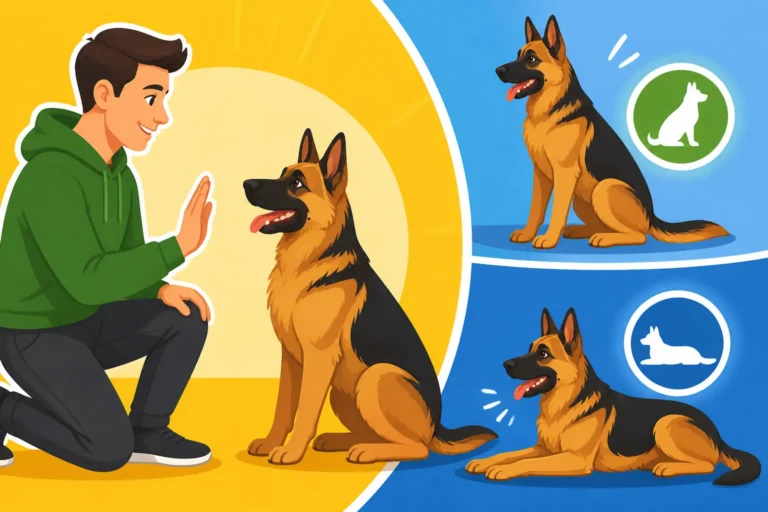
Establishing yourself as a calm, confident, and fair leader doesn't mean dominance or harsh punishment. Instead, it involves consistently applying rules, rewarding desired behaviors, and redirecting unwanted ones. A well-trained German Shepherd understands commands like "sit," "stay," "come," and "leave it," which are invaluable tools for managing potentially aggressive situations. For example, a reliable "leave it" command can prevent your dog from resource guarding a dropped item, and a solid "come" can call them away from a stressful interaction. Our German Shepherd Puppy Training Guide offers a great starting point for building this foundation.
Moreover, consistency from all family members is crucial. If one person allows a behavior while another punishes it, your GSD will become confused and frustrated. Regular training sessions, even short daily ones, reinforce your bond and solidify your role as their guide. This structure provides a sense of security for your German Shepherd, reducing the anxiety that often fuels aggressive displays. Tools like positive reinforcement training programs, such as those offered by BAXTER & Bella, can provide a structured curriculum to help you and your German Shepherd build this essential foundation.
Providing Adequate Exercise and Mental Stimulation
Under-exercised and under-stimulated German Shepherds are prime candidates for developing behavioral problems, including frustration-based or redirect aggression. These are high-energy, intelligent working dogs who need more than a quick walk around the block. Their physical and mental needs are significant, and if those needs aren't met, they'll find their own ways to release that pent-up energy, often in destructive or undesirable ways.
Physical exercise should be vigorous and regular. This could include long, brisk walks, running, hiking, swimming, or playing fetch in a large, secure yard. Activities like flirt poles or tug-of-war can also be great outlets for their prey drive and energy. The amount of exercise will vary depending on your dog's age and health, but an adult German Shepherd typically needs at least 60-90 minutes of dedicated activity daily. For insights into age-appropriate activity, refer to our article on German Shepherd Exercise Requirements.
Equally important is mental stimulation. German Shepherds are thinkers, and their brains need a workout just as much as their bodies. This can be achieved through puzzle toys (available on Amazon), scent work, obedience training sessions, learning new tricks, or even advanced dog sports like agility, obedience, or Schutzhund. A bored German Shepherd can become anxious, stressed, or destructive, and this underlying frustration can easily boil over into aggressive reactions when confronted with even minor stressors. Meeting these fundamental needs creates a balanced, happier dog less likely to resort to aggression.
Practical Strategies to Address Aggression
Once you understand the type and cause of your German Shepherd's aggression, you can start implementing practical strategies to manage and modify the behavior. These often involve changing your dog's emotional response to triggers and carefully managing their environment.
Desensitization and Counter-Conditioning Techniques
Desensitization and counter-conditioning are powerful, humane techniques used to change a dog's negative emotional response to a trigger into a neutral or even positive one. This isn't about punishing aggression; it's about changing the underlying feelings that cause the aggression.
Desensitization involves gradually exposing your German Shepherd to their trigger at such a low intensity that they don't react aggressively. For example, if your dog barks aggressively at other dogs on walks, you might start by simply walking across the street from a calm dog, far enough away that your GSD notices but doesn't react. Over time, you slowly decrease the distance as your dog shows comfort. The key is to stay below their "threshold" – the point at which they start to react.
Counter-conditioning goes hand-in-hand with desensitization. As you expose your dog to the trigger at a low intensity, you simultaneously create a positive association by giving them high-value treats or praise. So, when your GSD sees another dog at a comfortable distance, you immediately give them a delicious treat. The goal is for your dog to eventually associate the sight of another dog not with fear or aggression, but with receiving something wonderful. This systematic process takes time and consistency, but it fundamentally rewires your dog's emotional response. For more specific guidance on managing reactivity, consider reading German Shepherd Reactivity on Walks.
Managing the Environment to Prevent Triggers
While you're working on behavior modification, it's absolutely crucial to manage your German Shepherd's environment to prevent them from practicing aggressive behaviors. Every time your dog displays aggression, the behavior is reinforced, making it harder to change. Environmental management is about setting your dog up for success and keeping everyone safe.
This means identifying your dog's specific triggers and doing everything in your power to avoid them, at least temporarily. If your GSD is reactive to strangers, walk them during off-peak hours, or use a head halter or muzzle if necessary for safety. If they resource guard their food, feed them in a separate, secure room away from other pets or people. If they guard their toys, remove high-value items when guests are over or when children are around.
Using physical barriers like baby gates to separate your dog from visitors, or keeping them on a leash when guests are present, can prevent unwanted interactions. Crates can also be invaluable for managing your dog's space and providing a safe, quiet retreat, especially if you're working on How to Crate Train a German Shepherd. The goal isn't to permanently avoid triggers, but to manage them strategically while you implement training and behavior modification. This proactive approach prevents rehearsals of aggressive behavior and reduces stress for both you and your German Shepherd.
Using Appropriate Training Tools and Aids
When dealing with aggression, selecting the right training tools is paramount. The goal is always safety, clear communication, and promoting positive behavior, not causing pain or fear, which can exacerbate aggression.
For walks, tools like a front-clip harness or a head halter can be incredibly effective for German Shepherds who pull or lunge. A front-clip harness, such as the one from brand Freedom No-Pull Harness, redirects your dog's momentum back towards you when they pull, making it difficult for them to lunge forward aggressively. A head halter, like a Halti or Gentle Leader (both available on Amazon), gives you more control over your dog's head, and where the head goes, the body follows. These tools offer leverage without causing discomfort or pain to the dog's neck or throat.
A well-fitting basket muzzle is another indispensable tool, not as a punishment, but as a safety measure, especially during the initial stages of behavior modification or when you anticipate a trigger. A muzzle allows your German Shepherd to pant, drink, and even take treats, but it prevents bites. Properly conditioned, many dogs learn to accept muzzles readily, seeing them as a signal that something interesting (like a walk or vet visit) is about to happen. For aggressive resource guarders, teaching a reliable "drop it" or "leave it" command is critical, potentially using long lines or leashes to maintain control over valuable items without direct physical confrontation. Always choose tools that facilitate humane training and safety.
Seeking Professional Help
Addressing aggression in a German Shepherd is a serious undertaking and, in many cases, trying to go it alone can be ineffective or even dangerous. Knowing when and how to seek professional help is a sign of responsible pet ownership.
When to Call a Certified Professional Dog Trainer
If your German Shepherd is displaying any form of aggression – growling, snapping, lunging, or biting – towards people or other animals, it's a strong indicator that you should seek professional guidance. This is not a situation to "wait and see" or hope it will improve on its own. The longer aggressive behaviors are allowed to continue, the more ingrained they become, and the more dangerous they can get.
A certified professional dog trainer, particularly one specializing in behavior modification and aggression, can provide an objective assessment of your dog's behavior, identify triggers, and help you develop a tailored training plan. Look for trainers with certifications from reputable organizations like the Certification Council for Professional Dog Trainers (CCPDT) or the Karen Pryor Academy. These trainers use positive reinforcement and humane, science-based methods, which are crucial for addressing aggression without causing further fear or anxiety in your dog.
They can teach you how to properly implement desensitization and counter-conditioning, refine your handling skills, and interpret your dog's subtle body language. A good trainer will also help you create a safe management plan to prevent incidents while the underlying behavior is being addressed. Don't feel ashamed to ask for help; it's the smartest decision you can make for your German Shepherd and everyone around them.
The Role of a Veterinary Behaviorist
While a professional dog trainer is invaluable for implementing behavior modification techniques, some cases of German Shepherd aggression are so severe, complex, or rooted in deep-seated anxiety that they require the expertise of a veterinary behaviorist. These are veterinarians who have gone on to complete extensive residency training in animal behavior and are board-certified by the American College of Veterinary Behaviorists (ACVB).
A veterinary behaviorist brings a unique perspective: they can assess both the medical and behavioral aspects of aggression. They can thoroughly rule out or diagnose any underlying medical conditions that might be contributing to the aggression (such as pain, thyroid issues, or neurological problems) and, if appropriate, prescribe psychotropic medications to help manage extreme anxiety or reactivity. Think of it like a human psychiatrist for dogs.
Medication, when used responsibly under the guidance of a veterinary behaviorist, is not a "cure-all" but can be a powerful tool to lower a dog's anxiety threshold, making them more receptive to behavior modification training. For instance, if your German Shepherd is in a constant state of high anxiety, it’s incredibly difficult for them to learn new, calmer responses. Medication can help them relax enough to actually engage in and benefit from the training protocols developed by both the behaviorist and a professional trainer. This integrated approach offers the best chance for successful rehabilitation for complex cases of aggression.
Understanding Behavior Modification Programs
A comprehensive behavior modification program for aggression in German Shepherds is typically a multi-faceted approach, tailored to your dog's specific needs, triggers, and the type of aggression displayed. It’s not a quick fix, but a structured, long-term commitment.
The core components often include:
- Trigger Identification and Avoidance: As mentioned, minimizing exposure to triggers is the first step to prevent practice of aggressive behaviors.
- Desensitization and Counter-Conditioning (DS/CC): Systematically changing your dog's emotional response to triggers. This is the cornerstone of humane aggression management.
- Management Strategies: Implementing physical barriers, muzzles, leashes, and careful supervision to ensure safety and prevent incidents.
- Obedience Training Reinforcement: Strengthening basic commands like "sit," "stay," "recall," and "leave it" to give you more control in challenging situations. Strong foundational training, as covered in German Shepherd Obedience Training Basics, is vital.
- Enrichment: Ensuring your German Shepherd's physical and mental needs are adequately met to reduce frustration and boredom.
- Lifestyle Adjustments: This might involve changes to walking routes, feeding routines, or how guests interact with your dog.
Behavior modification requires patience, consistency, and dedication from you, the owner. It often involves working closely with both a certified professional dog trainer and, if necessary, a veterinary behaviorist. The program aims to empower you with the skills to manage your dog and teach your German Shepherd how to cope with their triggers in a calm, non-aggressive manner, ultimately improving their quality of life and safety.
Living with and Managing a Reactive German Shepherd
Managing a German Shepherd with aggressive tendencies is an ongoing commitment. It's not just about addressing specific incidents, but about creating a safe and predictable environment that supports positive behavior long-term.
Safety Protocols for Aggressive Dogs
When living with a German Shepherd who has displayed aggression, safety protocols are non-negotiable. Your primary responsibility is to prevent harm to people and other animals. This means constant vigilance and a proactive approach to management.
- Muzzle Training: As discussed, a comfortable, properly fitted basket muzzle should be a part of your daily routine for walks or any situation where your dog might encounter triggers. Introduce it positively and make it a normal, non-punitive tool.
- Leash and Containment: Always use a sturdy leash and a secure harness or head halter when outside your home. Ensure your yard is securely fenced and check for any escape routes. Never leave an aggressive dog unsupervised, even in a fenced yard, especially if they are territorial.
- Controlled Introductions: If introducing your German Shepherd to new people or animals, do so under strict, controlled conditions with a professional trainer present. Never force interactions.
- Warning Systems: Consider placing "Beware of Dog" or "Dog in Training" signs on your property, particularly if your GSD exhibits territorial aggression. Inform visitors about your dog's boundaries and ensure they follow your instructions.
- Education: Teach all household members, especially children, how to safely interact (or not interact) with the dog. Stress the importance of never approaching your dog when they are eating, sleeping, or guarding a toy.
These protocols aren't about punishing your dog; they're about preventing dangerous situations and giving you peace of mind while you work on behavior modification. They protect your dog from potential legal repercussions and protect others from harm.
Long-Term Management and Continued Support
Aggression in German Shepherds is often a long-term management issue, not a problem that disappears overnight or after a few training sessions. Even after significant progress, vigilance and consistent application of management and training strategies will be necessary throughout your dog's life.
This means continuing to reinforce positive behaviors, maintaining regular exercise and mental stimulation, and being mindful of potential triggers. Life happens, and new situations can arise. Your dog might have a "bad day," or an unexpected event might push them past their comfort zone. It’s crucial to understand that setbacks are possible and to not get discouraged. Revert to your management strategies, reassess the situation, and re-engage with your trainer if needed.
Staying connected with a supportive community, whether it's an online forum for German Shepherd owners or a local training group, can also provide invaluable encouragement and shared wisdom. Ongoing education, through books, seminars, or continued work with your trainer, will keep your skills sharp and your approach informed. Living with a reactive dog requires dedication, but with consistent effort, many German Shepherds can learn to manage their aggression and live happy, fulfilling lives.
Debunking Myths About Aggressive Breeds
There are many misconceptions surrounding German Shepherds and aggression, often fueled by media portrayals or uninformed opinions. It's crucial to debunk these myths to understand the breed accurately and to approach aggression problems effectively.
Myth 1: German Shepherds are inherently aggressive. This is false. While they possess strong protective instincts and a powerful presence, a well-bred, well-socialized, and well-trained German Shepherd is typically a stable, confident, and loyal companion. Aggression is almost always a result of poor breeding (temperament issues), inadequate socialization, lack of training, fear, pain, or abuse, not an inherent trait of the entire breed. For a balanced view of their disposition, see our German Shepherd Temperament and Personality guide.
Myth 2: You need to "dominate" an aggressive German Shepherd. This outdated and harmful approach, often based on flawed "alpha dog" theories, can actually exacerbate aggression. Punitive methods, force, or intimidation tactics create fear and resentment in dogs, leading to increased anxiety and a higher likelihood of lashing out defensively. Modern, science-based training focuses on positive reinforcement, building trust, and clear communication, which is far more effective and humane.
Myth 3: Once a dog is aggressive, there's no hope. While severe aggression requires significant commitment and professional intervention, many aggressive German Shepherds can be rehabilitated to a point where they can live safe and happy lives. It requires dedication, but with the right strategies and support, behavioral patterns can be changed, and underlying anxieties addressed. Dismissing a dog as "hopeless" without a thorough, professional behavior modification program is unfair to the dog and often inaccurate.
Important Considerations for Owners
Beyond specific training techniques, certain fundamental aspects of ownership profoundly impact a German Shepherd's behavior and their propensity for aggression. These considerations are about building a healthy, balanced relationship.
The Importance of a Strong Human-Canine Bond
At the heart of any successful relationship with a German Shepherd, especially one exhibiting aggression, is a strong, trusting human-canine bond. Your GSD needs to feel safe, understood, and loved by you. This bond isn't forged through dominance or fear, but through consistent, positive interactions, mutual respect, and meeting their physical and emotional needs.
When your German Shepherd trusts you, they are more likely to look to you for guidance in stressful situations rather than reacting aggressively. They will feel secure that you will protect them, reducing their need to be constantly on guard. This bond is built through daily positive reinforcement training, playful interactions, consistent care, and simply spending quality time together. Consider engaging in activities your German Shepherd enjoys, like long walks, games of fetch, or even just quiet cuddle time.
If your German Shepherd's aggression is rooted in fear or anxiety, your calm, reassuring presence and consistent leadership become their anchor. They learn that you are a reliable source of safety and comfort. Conversely, a lack of bond, inconsistency, or harsh treatment can erode trust, heighten anxiety, and increase the likelihood of defensive aggression. Prioritizing this bond is crucial for effective behavior modification and for your German Shepherd's overall well-being.
Nutrition and Its Impact on Behavior
While not a direct cause of aggression, a dog's diet and overall nutrition can certainly play a role in their general health, energy levels, and even behavioral regulation. Just as a poor diet can make humans irritable or anxious, it can affect your German Shepherd's disposition.
Some dogs may have sensitivities or allergies to certain ingredients, leading to gastrointestinal discomfort, skin issues, or chronic inflammation. When a dog is constantly uncomfortable, it can lower their tolerance for stressors and make them more prone to irritability and reactivity. For instance, a dog with a constantly upset stomach might snap more readily if approached unexpectedly. Our guide on German Shepherd Food Allergy Symptoms can help you recognize potential issues.
Ensuring your German Shepherd receives a high-quality, balanced diet appropriate for their age, activity level, and any specific health needs is crucial. Look for dog foods with whole ingredients, clearly named protein sources, and without excessive fillers or artificial additives. Some owners find that switching to a limited ingredient diet or a novel protein source can alleviate discomfort in sensitive dogs. Consult with your veterinarian or a canine nutritionist to determine the best diet for your specific German Shepherd, especially if you suspect dietary factors are contributing to behavioral issues. A well-nourished dog is more likely to be a balanced, calm, and happy dog.
Patience, Persistence, and Positive Reinforcement
Addressing aggression in a German Shepherd demands immense patience, unwavering persistence, and a steadfast commitment to positive reinforcement methods. There are no shortcuts, and frustration can be a significant enemy of progress.
Patience is key because behavior modification takes time. You are working to change deeply ingrained emotional responses and learned behaviors, which won't happen overnight. There will be good days and bad days, breakthroughs and setbacks. Each step, no matter how small, is progress. Remember that your dog isn't trying to be "bad"; they are reacting out of fear, stress, or instinct.
Persistence means consistently applying the training protocols and management strategies your professional has outlined, day in and day out. Inconsistency will only confuse your German Shepherd and hinder progress. Every member of the household needs to be on board and follow the same rules and techniques. This consistent effort reinforces the new desired behaviors and gradually weakens the old, aggressive patterns.
Finally, positive reinforcement is the only ethical and effective way to address aggression. This involves rewarding desired behaviors (e.g., calmness in the presence of a trigger, looking at you instead of reacting) with high-value treats, praise, or toys. It builds trust, fosters a cooperative spirit, and teaches your German Shepherd what you want them to do, rather than just what you don't want. Punishing aggressive displays will only suppress the outward signs of aggression while intensifying the underlying fear, making the dog more likely to bite without warning. Embracing these three principles is fundamental to successfully helping your German Shepherd overcome aggression and live a more peaceful life.
Disclaimer
This guide offers general information and recommendations regarding German Shepherd aggression. It is not a substitute for professional veterinary or behavioral advice. If your German Shepherd is displaying aggressive behavior, please consult with a qualified veterinarian, a certified professional dog trainer, or a veterinary behaviorist immediately to ensure the safety and well-being of your dog and those around them.