How to Do Marker Training with a German Shepherd
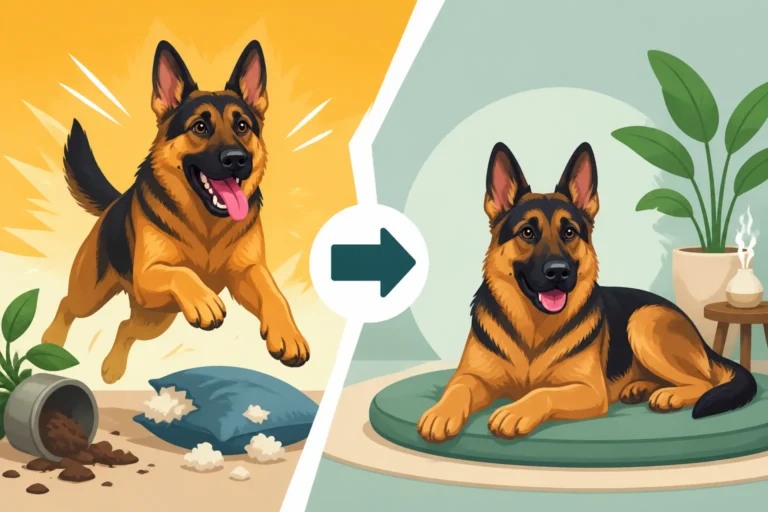
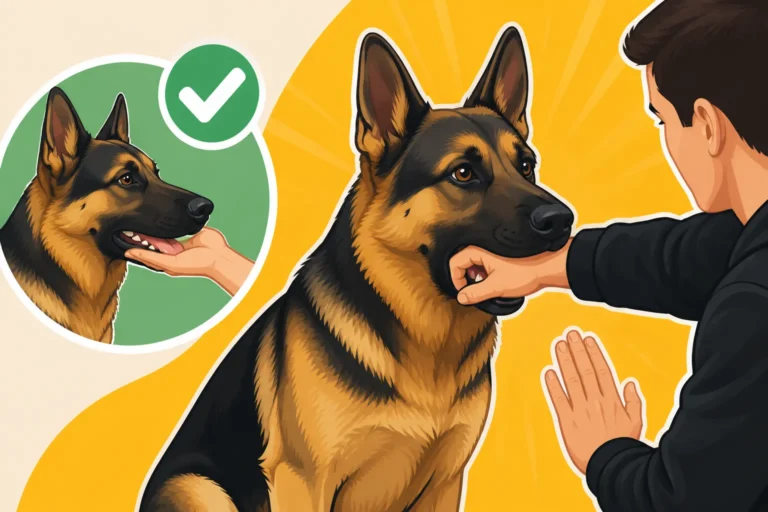
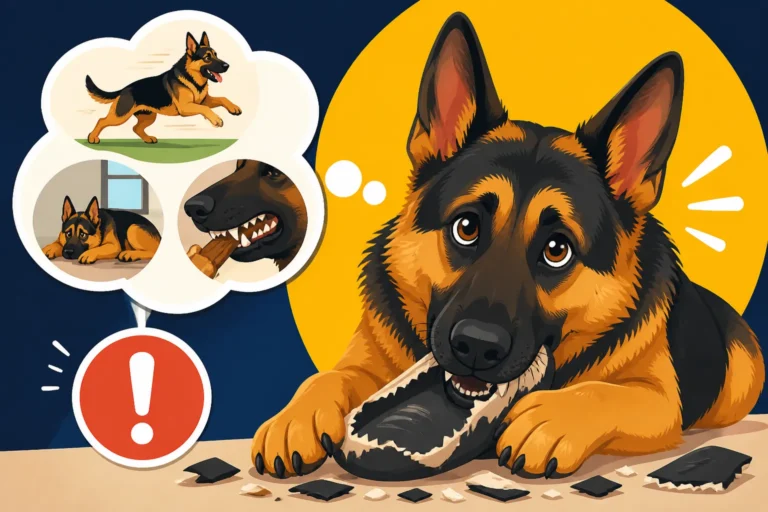
Training a German Shepherd can sometimes feel like trying to have a conversation in two different languages. You know what you want them to do, and they're trying their best, but that clear, instant communication often feels missing, leading to confusion, slow progress, and frankly, a bit of frustration for both of you. This comprehensive guide will illuminate the world of marker training, a highly effective and precise communication system that can transform your German Shepherd's understanding and response to commands.
Understanding the Magic of Marker Training for German Shepherds
German Shepherds are renowned for their intelligence and eagerness to work, but even the smartest dog benefits from clear communication. Marker training provides that clarity, acting as a bridge between your intention and your dog's understanding. It's not just a fancy trick; it's a fundamental shift in how you teach and how your dog learns.
What Exactly is Marker Training?
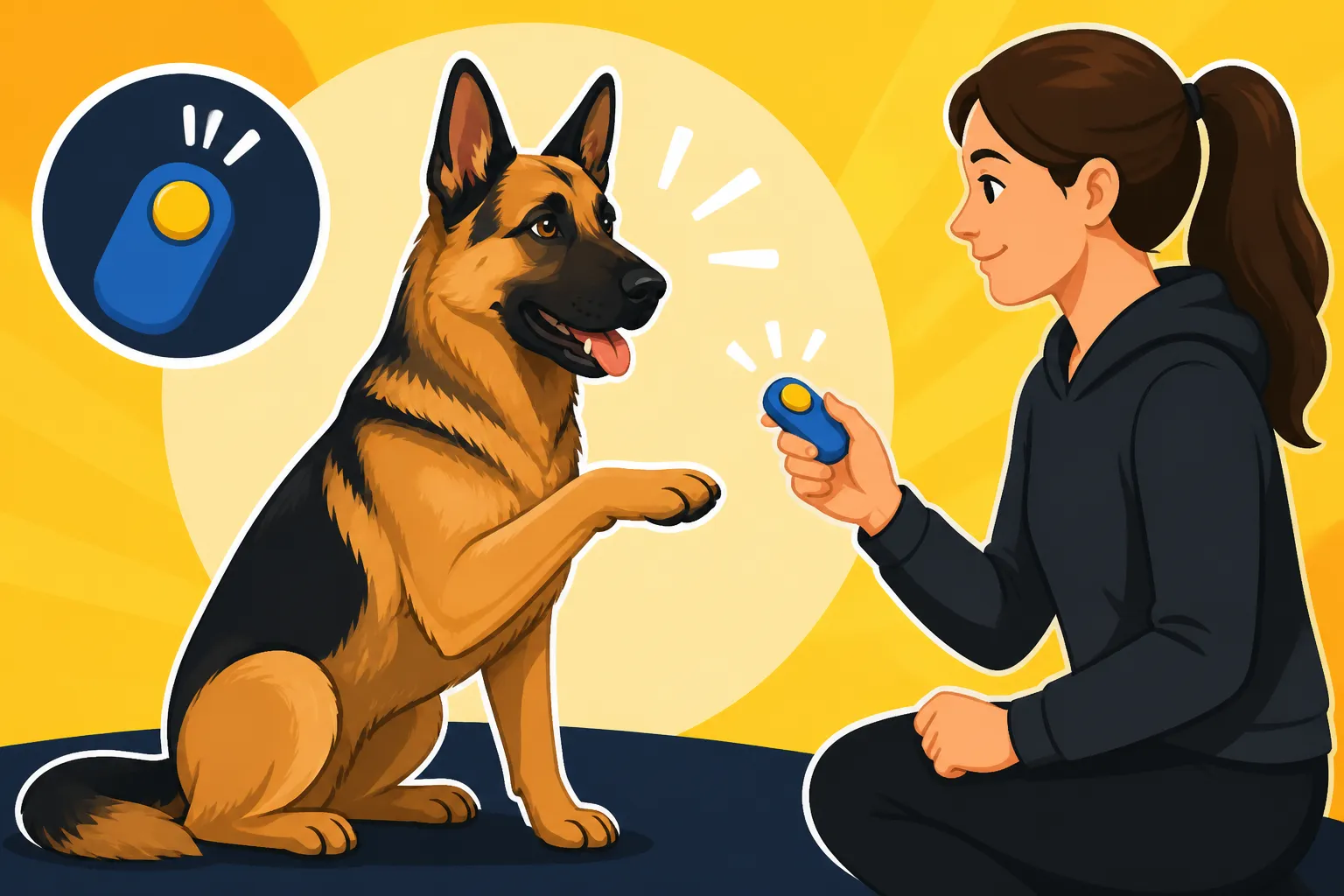
At its core, marker training uses a specific, consistent signal – a "marker" – to precisely pinpoint the exact moment your German Shepherd performs the desired behavior. Think of it like a photograph: the marker captures that split second of perfection. Immediately after the marker, a reward follows. This creates a strong, positive association: "When I hear/see that marker, it means I just did something right, and a treat is coming!" It's that simple, yet incredibly powerful.
Unlike simply giving a treat after a behavior, which can be vague in timing, a marker tells your dog exactly what action earned the reward. For instance, if you're teaching a "sit," and your dog's rear touches the ground, the marker sound or word happens the instant that butt hits the floor. This precision helps your German Shepherd understand much faster than if you just waited to deliver a treat a second or two later. It cuts through the ambiguity and allows your dog to connect their action directly with the positive feedback.
This method works on the principle of operant conditioning, where behaviors that are reinforced are more likely to be repeated. By clearly marking and rewarding desirable actions, you are actively shaping your German Shepherd's behavior. This isn't about forcing compliance but empowering your dog to make the "right" choices because they understand the payoff. It's an incredibly fair and effective way to communicate, building trust and a deeper bond between you and your intelligent canine companion.
Why Marker Training Excels for German Shepherds
German Shepherds, with their high drive and keen intellect, thrive on structure, consistency, and a clear understanding of expectations. Marker training provides all of this in spades. Their natural problem-solving abilities are ignited when they can quickly identify which actions lead to positive reinforcement. This method reduces guesswork for your dog, which can prevent frustration and enhance their enthusiasm for learning.
Imagine trying to teach your German Shepherd something complex, like a retrieve, without this precision. They might grab the object, drop it, pick it up again, bring it to you, drop it, and you'd be fumbling for a treat. With a marker, you can mark the exact moment they pick up the object, then the exact moment they bring it to your hand. This breakdown into smaller, clearly understood steps accelerates their learning curve dramatically. Their inherent drive to please and work is channeled effectively, making them active participants in their own education.
Furthermore, marker training builds a strong foundation for future, more advanced training. Once your German Shepherd understands the marker, you can use it to teach almost anything, from complex obedience commands to intricate sport behaviors. This precise feedback loop reinforces their confidence and willingness to try new things. If you're looking to delve deeper into various training aspects, understanding German Shepherd Intelligence and Trainability will show you just how capable they are when given the right tools.
Getting Started: Essential Tools and Mindset
Before you even begin the actual marking, a little preparation goes a long way. Having the right tools and, perhaps more importantly, the right mental approach will set both you and your German Shepherd up for success. This isn't just about what you use, but how you approach the learning process together.
Choosing Your Marker: Clicker vs. Verbal
The two main types of markers are a mechanical clicker and a consistent verbal word. Both are highly effective, and the best choice often comes down to personal preference and your dog's response. The most crucial factor is consistency.
A clicker offers unparalleled precision. It's a distinct, unemotional sound that always means the same thing, every single time. It's quick, sharp, and easy to time perfectly to the desired behavior. Many trainers, myself included, often start with a clicker because its unique sound stands out against all other ambient noises and human speech. You can find excellent clickers readily available on platforms like Amazon and in most pet stores. For dogs sensitive to sound, however, a softer clicker might be needed, or you can even muffle it slightly.
A verbal marker is a short, sharp, consistent word like "Yes!" "Good!" or "Bingo!" It must be a word you don't use casually in everyday conversation, so your German Shepherd clearly understands its specific meaning in a training context. The advantage here is that you don't need to carry an extra tool, and it can be used in situations where a clicker might be impractical. However, you need to be mindful of your tone of voice – keep it consistent and upbeat. No matter which you choose, the key is that it's a marker your German Shepherd instantly recognizes as the "you got it!" signal.
The Importance of a High-Value Reward
The marker itself isn't the reward; it's a promise of a reward. What follows the marker needs to be something your German Shepherd absolutely adores. This is often referred to as a "high-value reward." What constitutes high-value can vary from dog to dog, but generally, it's something small, soft, and incredibly tasty that they don't get all the time.
Think pieces of cooked chicken, cheese, hot dogs, or specialized training treats. Kibble from their regular meal usually isn't exciting enough for initial training, especially when distractions are present. The reward should be small enough that they can eat it quickly without getting full too fast, allowing for many repetitions. Always remember, the value of the reward directly impacts your German Shepherd's motivation and eagerness to work for that marker. If they're not excited by what comes after the marker, the marker itself won't hold much power. This goes hand-in-hand with understanding how to establish leadership with your German Shepherd, as providing valuable resources reinforces your role as a benevolent leader.
Preparing Your Training Environment and Mindset
Setting the stage for successful marker training involves both physical and mental preparation. For your German Shepherd, start in a quiet, distraction-free environment. This could be your living room, a quiet backyard, or a specific training area. Too many sights, sounds, or smells will make it difficult for your dog to focus on the new concept you're introducing. Gradually, as your dog understands, you can introduce more distractions.
For you, the human trainer, the mindset is critical. Approach training sessions with patience, positivity, and a clear idea of the behavior you want to teach. Keep sessions short, typically 5-10 minutes, especially in the beginning. German Shepherds are smart but can get overwhelmed or bored if sessions are too long. End each session on a positive note, even if it means asking for an easy, already known command and rewarding it heavily. Your enthusiasm and calm energy will be contagious, making the learning process a positive experience for your German Shepherd. Remember, consistency in your training approach is paramount, as detailed in our guide on German Shepherd Puppy Training Guide.
The Foundation: Charging the Marker
Before your German Shepherd can understand what the marker means in terms of specific behaviors, they need to understand that the marker itself is a wonderful thing, a predictor of something good. This process is called "charging the marker" or "loading the clicker/verbal marker." It's a critical first step that should not be skipped or rushed.
Step-by-Step Guide to Associating the Marker with Reward
The goal here is simple: every time your German Shepherd hears the click (or your verbal marker), a high-value treat immediately appears. They don't have to do anything to earn it at this stage, except hear the sound and receive the treat.
- Gather Your Supplies: Have your clicker (or choose your verbal marker) and about 20-30 small, high-value treats ready. Make sure the treats are easily accessible in a pouch or pocket, like those you might find on Amazon, so you can deliver them quickly.
- Find a Quiet Spot: Pick a calm room with minimal distractions. You want your German Shepherd to focus solely on you and the sounds/treats.
- Click and Treat: Click the clicker (or say your verbal marker clearly and brightly). Immediately after the marker, give your German Shepherd a treat. The sequence is vital: marker, then treat. Not treat, then marker. Not marker, pause, then treat. It's an immediate consequence.
- Repeat, Repeat, Repeat: Do this about 10-20 times in a session. Click, then treat. Click, then treat. Your German Shepherd will likely look at you expectantly after a few repetitions, trying to figure out what just happened. They might look at the clicker, then you, then the treat. That's a good sign!
- Short Sessions: Keep these initial charging sessions short, 2-5 minutes max. You want to leave them wanting more, not bored.
- Test for Association: After a few sessions over a day or two, you can test if your German Shepherd has "charged" the marker. When they are not looking directly at you, click the marker. If their head snaps towards you, or they eagerly look for a treat, you've successfully charged it! They now understand the marker predicts a reward.
This initial phase is all about building a rock-solid association. Your German Shepherd needs to trust that the marker truly means a treat is coming, every single time, without fail. This creates anticipation and motivation, making them eager to find out what action triggers that wonderful sound.
Common Mistakes to Avoid During Charging
While charging the marker seems straightforward, there are a couple of pitfalls that can hinder its effectiveness:
- Poor Timing: This is the most crucial aspect. If you click and then fumble for the treat, or if there's a significant delay, your German Shepherd won't make a clear connection. The treat needs to appear almost instantly after the marker. Practice delivering the treat smoothly and quickly.
- Clicking Too Often or Too Randomly: During the charging phase, every click must be followed by a treat. Don't click the clicker just because you're fidgeting, or because you think your dog is cute. Each click must be intentional and paired with a reward. Breaking this rule prematurely will dilute the marker's power.
- Using Low-Value Rewards: If you're using plain old kibble, your German Shepherd might not find the reward exciting enough to form a strong association quickly. Stick to those high-value, irresistible treats to make the connection undeniable.
- Over-Saturating: Don't do 100 repetitions in one go. You'll bore your German Shepherd, and they might lose interest. Short, frequent sessions are far more effective than one long, tedious one. Keep it fun and engaging.
- Adding Commands Too Soon: Remember, the charging phase is about the marker itself predicting a reward, not about a specific behavior yet. Don't ask for a "sit" or a "down" during this phase. That comes later, once the marker is fully charged and understood. Rushing this can lead to confusion and slow down your overall training progress.
Applying Marker Training to Basic Obedience
Once your German Shepherd has a solid understanding that the marker means "you did it, and a treat is coming!", you can begin to apply it to teaching actual commands. This is where the power of precision really shines, allowing your dog to learn new behaviors with remarkable speed and clarity. This builds directly upon the groundwork of German Shepherd Obedience Training Basics.
Teaching "Sit" and "Down" with a Marker
Let's take "Sit" as an example. Instead of just pushing your dog's rear end down or hoping they figure it out, marker training makes the process crystal clear.
- Lure the Behavior: Hold a high-value treat near your German Shepherd's nose. Slowly move the treat over their head and slightly back, guiding their nose upwards. As their nose goes up, their rear end will naturally start to lower.
- Mark the Moment: The instant your German Shepherd's rear touches the ground, click the clicker (or say your verbal marker).
- Reward: Immediately after the marker, give them the treat.
- Release and Reset: Say "Okay!" or "Free!" and let them stand up, moving them slightly if needed, so they're ready for the next repetition.
- Repeat: Do this several times in a short session (5-10 repetitions). Your dog will quickly start to associate that specific body movement (sitting) with the marker and the reward.
Once your German Shepherd is consistently offering the "sit" when you lure, you can start to introduce the verbal cue. Say "Sit" just before you lure, then mark and reward as before. Gradually, you'll be able to fade the lure until "Sit" alone triggers the behavior.
Teaching "Down" follows a similar pattern:
- Lure: From a sit, hold a treat at your German Shepherd's nose and slowly move it down towards the floor, then straight out between their paws. Their body will naturally follow the treat into a down position.
- Mark: The instant their elbows and belly touch the floor, mark the behavior.
- Reward: Deliver the treat.
- Repeat and Add Cue: Practice the lure-mark-reward sequence. Once they are reliably going into a down with the lure, start adding the verbal cue "Down" right before the lure. Eventually, you can fade the lure and rely on the verbal cue.
The precision of the marker eliminates confusion. Your German Shepherd isn't guessing; they know exactly what action earned them that valuable click and treat.
Mastering "Come" and "Stay"
"Come" and "Stay" are often considered two of the most critical safety commands. Marker training can make these behaviors incredibly strong and reliable. For a more detailed look at recall, check out our guide on How to Teach a German Shepherd to Come.
Teaching "Come":
For "Come," the marker is especially useful for capturing that moment your German Shepherd arrives at your side or makes eye contact, reinforcing the entire journey back to you.
- Start Close: Begin in a quiet, distraction-free environment. Have your German Shepherd a few feet away.
- Call and Retreat: In an enthusiastic voice, say your German Shepherd's name, followed by "Come!" or "Here!" Simultaneously, back away a few steps, making yourself exciting.
- Mark the Arrival: The instant your German Shepherd reaches you (or even better, makes eye contact when they arrive), mark the behavior.
- Reward: Deliver a high-value treat and lavish praise. Make coming to you the best thing ever.
- Build Distance and Distractions: Gradually increase the distance and introduce minor distractions. Only move to more challenging environments when your dog is 100% reliable in easier ones. The marker ensures they know precisely when they successfully completed the recall.
Teaching "Stay":
"Stay" can be challenging because it requires your German Shepherd to do nothing for a period. The marker helps reinforce that stillness.
- Initial Sit/Down: Ask your German Shepherd to "Sit" or "Down."
- Give "Stay" Cue: Say "Stay" and take one tiny step back, then immediately step back to your original position.
- Mark the Stillness: If your German Shepherd remained in place, mark the moment you return to them (or before they move, if they moved slightly).
- Reward: Deliver the treat to them in the stay position. Do not make them break the stay to get the treat initially.
- Release: Use your release word ("Okay" or "Free!").
- Gradually Increase: Slowly increase the duration of the "stay" and the distance you step away. Mark and reward for remaining still. If they break, calmly reset them and start again. The marker here is reinforcing the sustained lack of movement.
Troubleshooting and Advanced Techniques
Marker training is an incredibly versatile tool, but like any training method, you might encounter bumps in the road. Knowing how to troubleshoot common issues and extend the technique to more advanced applications will make you an even more effective trainer for your German Shepherd.
When Your German Shepherd Isn't "Getting It"
It can be frustrating when your German Shepherd seems to be struggling, especially given their reputation for being so smart. If your dog isn't "getting it," take a deep breath and re-evaluate a few things:
- Is the Marker Charged Enough? Go back to basics. Does your German Shepherd consistently look for a treat the instant they hear the click or verbal marker, even when no behavior was asked for? If not, spend more time on the charging phase. The marker needs to be a guaranteed predictor of good things.
- Are Your Rewards High-Value? Seriously, are they really high-value? Sometimes we think a treat is good, but our dog is just "meh" about it. Try something new and irresistible – cooked chicken, small bits of cheese, or a novel chewy treat. The motivation has to be there.
- Is Your Timing Accurate? This is often the biggest culprit. Are you marking the exact split second the desired behavior occurs? Even a half-second delay can confuse your German Shepherd. Practice your timing, perhaps by marking trivial things first, like a pen dropping or a door closing, just to sharpen your reflexes.
- Are Your Sessions Too Long or Too Distracting? Keep sessions short (5-10 minutes) and in a quiet environment initially. Too much stimulation, or too long a session, can lead to your German Shepherd tuning out or becoming frustrated.
- Are You Breaking the Behavior Down Enough? For complex behaviors, are you asking for too much at once? Break the behavior into tiny, achievable steps. For example, to teach "down," first mark just the head lowering, then the shoulders, then the full down. Each small step gets a marker and a reward. If your German Shepherd is struggling, simplify the task. For behaviors like nipping, a precise marker can help interrupt and redirect, as outlined in How to Stop German Shepherd Nipping.
Fading the Lure and Generalizing Behaviors
Once your German Shepherd reliably performs a behavior with a lure and the marker, the next step is to fade the lure and generalize the behavior.
Fading the Lure: The lure is a temporary tool. Once your German Shepherd understands the action you want, you can gradually make the lure smaller and less obvious. For "sit," instead of a full hand motion over the head, just a tiny flick of the wrist. Eventually, the verbal cue ("Sit") should precede the lure. Your dog will start anticipating the verbal cue before the visual lure. At this point, you can try just the verbal cue. If they perform it, mark and reward! If not, gently use the lure again and try fading it in smaller increments. The key is to reduce your physical prompting so the verbal command becomes the primary cue.
Generalizing Behaviors: A "sit" in your living room isn't necessarily a "sit" in the park with squirrels. Generalization means your German Shepherd understands the command in various environments, with different people, and amidst distractions.
- Vary Locations: Practice in different rooms, then outside in the yard, then at a quiet park.
- Introduce Distractions Slowly: Start with low-level distractions (e.g., a toy on the floor, someone walking by in the distance) and gradually increase.
- Practice with Different People: Once your German Shepherd is reliable with you, have other family members practice the commands.
- Reward Heavily for Success in Distracting Environments: When your German Shepherd performs a command perfectly amidst distractions, make sure the reward is extra high-value to reinforce that success.
The marker's precision is invaluable here; it tells your dog, "Yes, even with that squirrel, that perfect sit earned you a treat!" This helps them understand that the command is what matters, regardless of the surroundings. For more tips on making training stick, consult resources on How to Train an Adult German Shepherd.
Integrating Marker Training into Daily Life
Marker training isn't just for formal obedience sessions; it's a powerful tool for reinforcing good behavior throughout your German Shepherd's day-to-day life. This concept is vital for their overall well-being and helps with the Best Mental Stimulation for German Shepherds.
Think about all the "good" choices your dog makes naturally: calmly lying on their bed while you eat dinner, choosing to lie down instead of jumping on a guest, walking politely on a loose leash. These are all opportunities for a quick marker and reward. This technique is called "capturing."
For example, if your German Shepherd quietly settles on their bed, you can discreetly mark and toss them a treat. This reinforces that calm behavior without requiring a specific command. This spontaneous reinforcement helps shape a well-behaved dog by rewarding behaviors you like, rather than always correcting behaviors you don't. While formal training sessions are important, these "in the moment" marks and treats are incredibly effective for creating a consistently polite and well-mannered German Shepherd.
Common Challenges and Solutions in German Shepherd Marker Training
Even with the best intentions and methods, you're bound to hit a few snags. German Shepherds are complex, intelligent creatures, and understanding how to navigate common challenges will help you stay on track and maintain a positive training experience.
High Drive and Distractions
German Shepherds are often bred with strong working drives, which can manifest as intense focus, but also as high reactivity to environmental stimuli. This means that while they can be incredibly focused, external distractions can easily pull their attention.
- Start Small and Build Gradually: Never expect your German Shepherd to perform perfectly in a highly distracting environment if they haven't mastered the behavior in a calm setting first. Begin training in a quiet room, then move to the backyard, then a quiet park, then a busier park. Each step needs to be mastered before moving on.
- Elevate Your Rewards: When working in distracting environments, your rewards need to be even higher value. That plain kibble that works in your living room won't cut it when there's a squirrel or another dog present. Bring out the cooked chicken or hot dogs.
- Increase Your Energy and Engagement: You need to be more exciting than the distractions. Use an enthusiastic voice, quick movements, and make the training game fun. A German Shepherd that's bored with you will always find something else more interesting.
- "Look at Me" or Eye Contact Practice: Teach a solid "look at me" command as a default behavior. Mark and reward heavily for eye contact, especially in distracting environments. This gives you a tool to regain their focus before asking for another command.
- Short, Fast Drills: In distracting areas, keep your training sessions very short and rapid-fire. Get a few successful repetitions in and then take a break. Don't push your German Shepherd beyond their current threshold for focus. Our guide on German Shepherd Exercise Requirements highlights how their mental and physical energy needs to be managed to improve focus.
Over-Reliance on the Marker
One common concern new marker trainers have is whether their dog will become dependent on the clicker or verbal marker and won't perform without it. This is a valid question, but with proper training progression, it's easily avoidable.
- The Marker is a Teacher, Not a Crutch: Initially, the marker is a vital teaching tool. Once your German Shepherd reliably understands a behavior on its verbal cue, you start to "fade" the marker. This means you won't mark every single time they perform the behavior. Instead, you'll mark for exceptional performances, faster responses, or when generalizing the behavior in a new environment.
- Introduce Intermittent Reinforcement: Once a behavior is solid, switch to an intermittent reinforcement schedule. Your German Shepherd still gets a reward, but not every single time. Sometimes they get a treat after 2 successful "sits," sometimes after 5. This makes the reward even more powerful, as they never know when it's coming, much like a slot machine. They'll keep trying!
- Vary Rewards: Don't just rely on food. Once the behavior is learned, sometimes the reward might be a quick game of tug, a toss of a favorite toy, or enthusiastic praise and petting. Keep them guessing and engaged.
- Use the Marker for New Behaviors or Proofing: Reserve the precise marker for teaching new skills or reinforcing known behaviors in highly challenging situations. For well-established commands in familiar settings, verbal praise and a less frequent treat might suffice. The key is to make the behavior itself rewarding, not just the marker. You'll find similar concepts discussed in general German Shepherd Training Timeline by Age.
Dealing with Frustration and Plateauing
Sometimes, despite your best efforts, training can feel like you're hitting a wall. Your German Shepherd might seem frustrated, or you might feel like you're not making progress.
- Recognize Your Dog's Body Language: Is your German Shepherd yawning excessively, sniffing the ground constantly, looking away, or getting mouthy? These can be signs of stress, boredom, or frustration. If you see these, it's time for a break.
- End on a Success: Always try to end a training session on a positive note. If you're struggling with a new command, ask for an easy one they know perfectly (like "sit"), mark and reward it, and then end the session. This leaves both you and your German Shepherd feeling successful.
- Take a Break (Longer Than a Session): Sometimes, a day or two off from formal training can do wonders. Both you and your German Shepherd can come back refreshed.
- Re-evaluate Your Plan: Are your steps too big? Is the environment too challenging? Are your rewards compelling enough? Don't be afraid to go back a step or two and build confidence again.
- Seek Professional Help: If you're consistently frustrated or encountering serious behavior problems, don't hesitate to consult a certified professional dog trainer. They can offer personalized advice and observe your training dynamics to provide specific feedback. Organizations like BAXTER & Bella offer online programs that can guide you through these challenges, providing structured support.
- Keep it Fun! Remember why you're doing this – to build a stronger bond and have a well-behaved companion. If training stops being fun for either of you, adjust your approach. Incorporate games, vary your rewards, and celebrate every small success.
| Feature | Clicker | Verbal Marker (e.g., "Yes!") |
|---|---|---|
| Precision | Extremely precise, consistent sound | Can vary slightly with tone/volume, but still precise |
| Consistency | Always the same sound | Requires conscious effort to keep consistent |
| Availability | Requires carrying a physical tool | Always available (your voice) |
| Emotional Tone | Neutral, unemotional | Can be imbued with enthusiastic tone |
| Distraction | Unique sound cuts through many distractions | May be harder to distinguish from other speech in noisy environments |
| Learning Curve | Some humans need practice with timing/coordination | Easier for humans to start, but requires more conscious control of voice |
| Cost | Minimal (clicker purchase) | Free |
Disclaimer
The information provided in this article is for general informational purposes only and is not a substitute for professional veterinary advice, diagnosis, or treatment. Always seek the advice of your veterinarian or other qualified animal health provider with any questions you may have regarding a medical condition or treatment for your German Shepherd. Always supervise your German Shepherd during training, especially when using treats, to prevent choking hazards or other injuries.