How to Stop German Shepherd Reactivity
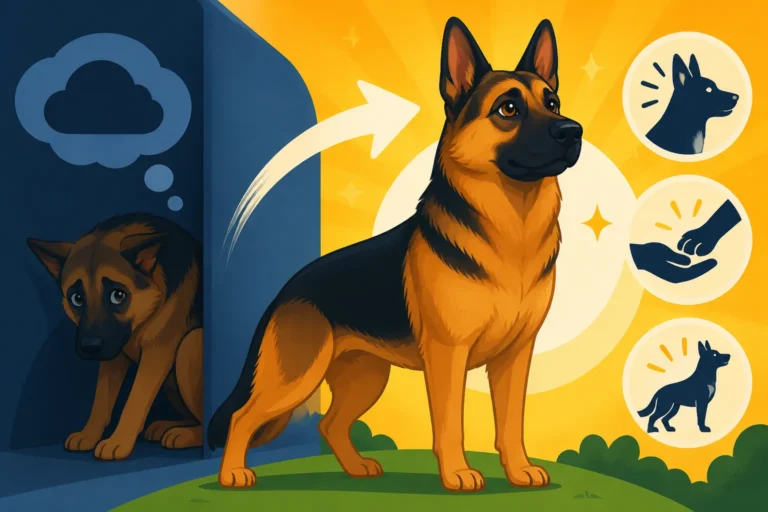
It can feel incredibly isolating and frustrating when your loyal German Shepherd, a breed renowned for its composure and intelligence, suddenly transforms into a barking, lunging, and highly agitated dog at the sight of another dog, person, or even a leaf blowing in the wind. This sudden outburst, often termed "reactivity," leaves many German Shepherd owners feeling helpless, embarrassed, and unsure of how to navigate walks or public spaces. This comprehensive guide aims to peel back the layers of German Shepherd reactivity, helping you understand its roots and providing actionable, empathetic strategies to manage and ultimately reduce these challenging behaviors.
What is German Shepherd Reactivity?
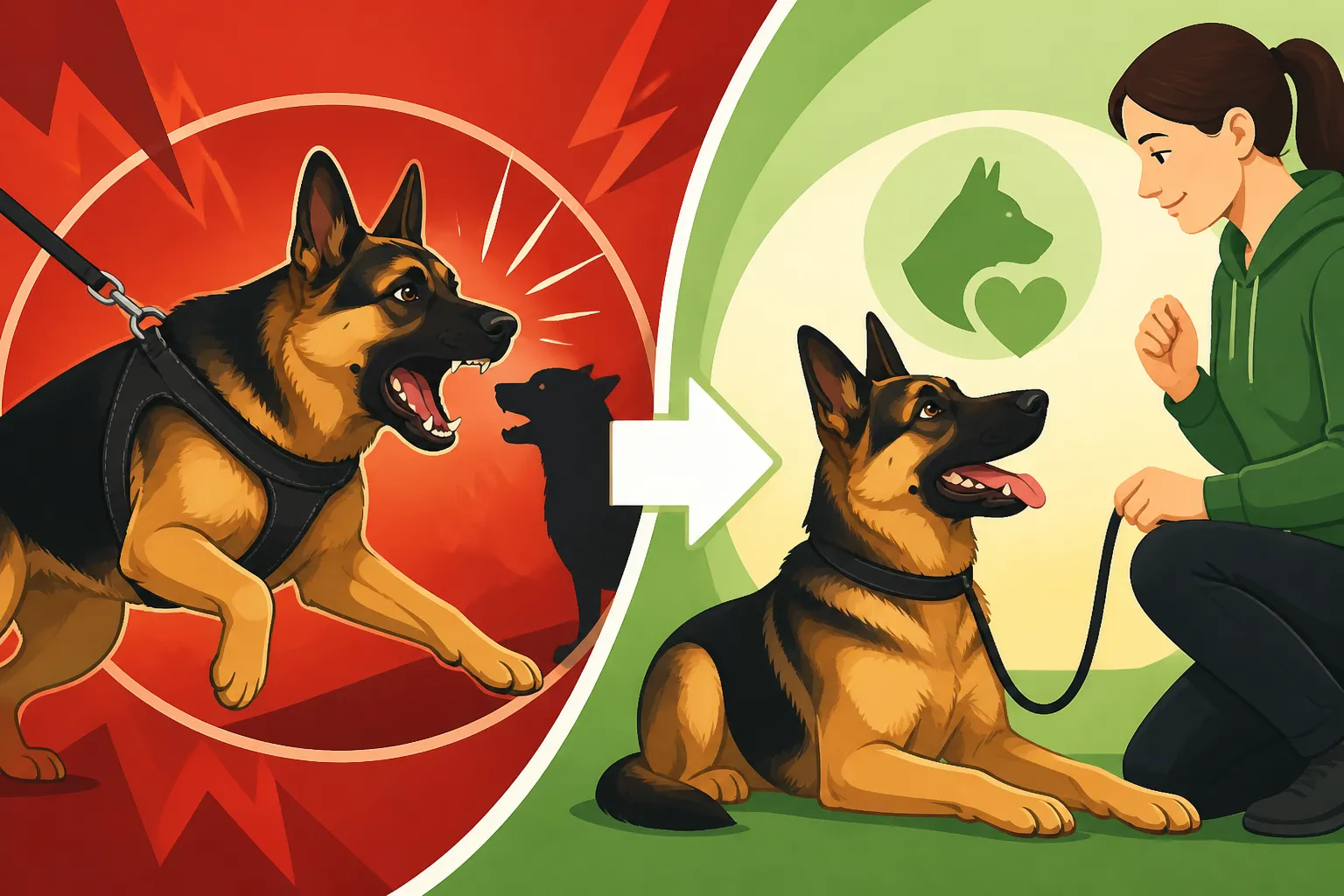
Before we can tackle reactivity, we need to understand exactly what it is. Reactivity in German Shepherds, or any dog, isn't aggression, though it can often look like it to an untrained eye or an alarmed bystander. It’s an overreaction to a stimulus, or a "trigger," in the environment. Your dog might bark, lunge, growl, pull frantically on the leash, or even stiffen and stare intently. These behaviors are usually a result of fear, anxiety, frustration, or even over-excitement, rather than an intent to harm. It's their way of saying, "Go away!" or "I'm overwhelmed!"
Imagine you’re on a walk, enjoying a peaceful afternoon with your German Shepherd. Suddenly, a small terrier on a flexi-leash pops out from behind a parked car, barking wildly. Your German Shepherd, who was just calmly sniffing the grass, suddenly tenses, lets out a deep bark, and strains against their collar, pulling you off balance. This isn't necessarily because they want to attack the terrier; it could be a sudden shock, a defensive response, or a learned behavior that "loud = scary, so scare it away first." Understanding this distinction is crucial for effective management and training.
Signs of Reactivity
Recognizing the subtle and not-so-subtle signs of reactivity is the first step towards helping your German Shepherd. It's not always the full-blown barking and lunging spectacle; often, there are precursor signals that your dog is starting to feel uncomfortable.
These signs can range from mild to severe, and they often escalate if the trigger gets closer or persists. You might first notice your German Shepherd stiffening their body, tail flagging, or ears swiveling to pinpoint a distant sound or sight. This might be followed by a hard stare, where their gaze locks onto the trigger. Then comes the more overt displays: a low growl, a raised hackle (the hair along their spine standing up), a sudden burst of frantic barking, or powerful lunging at the end of the leash. Sometimes, a reactive dog might try to hide behind you or pull away, showing classic avoidance behaviors that still signal distress. Knowing these signs helps you intervene before your dog hits their "over threshold" point, where they're too worked up to learn or respond to commands. For a deeper dive into general behavioral challenges, check out our guide on German Shepherd Behavior Problems and Solutions.
Distinguishing Reactivity from Aggression
It’s really important to understand that while reactivity can look like aggression, they aren't always the same thing. Reactive dogs are often communicating discomfort, fear, or frustration. Their goal is typically to create distance from the trigger, not necessarily to engage in a fight. They might bark and lunge to make the scary thing go away. True aggression, on the other hand, is generally characterized by an intent to harm or dominate, often without the same level of fear-based signals, though fear can certainly be a component of aggression as well.
Here’s a simple way to think about it: A reactive German Shepherd might bark intensely at another dog and then try to pull away, wanting to escape the situation. An aggressive dog might bark, lunge, and then actively seek to engage physically, even if the other dog retreats. The distinction is nuanced and requires careful observation, but it fundamentally changes your training approach. With reactivity, your primary goal is to change your dog's emotional response to triggers; with aggression, the focus often shifts to safety, management, and more intensive behavioral modification with professional help. It’s a fine line, and if you’re ever in doubt, always consult with a certified professional dog trainer or veterinary behaviorist.
Understanding the Root Causes of Reactivity
Reactivity in German Shepherds isn’t just a random behavior; it almost always has underlying causes. Pinpointing these roots is vital for developing an effective training plan. German Shepherds are magnificent, powerful dogs, and their natural traits, combined with their individual experiences, play a huge role in how they perceive and react to the world around them.
Genetic Predisposition and Breed Traits
Let's be real, German Shepherds are bred for specific traits: intelligence, loyalty, protectiveness, and a strong work ethic. These traits, while wonderful, can also predispose them to certain behaviors if not properly managed. Their inherent protective instincts, for example, can sometimes manifest as territoriality or suspicion towards strangers or other dogs, especially if they haven't had adequate socialization. Their high intelligence means they learn quickly, both good and bad behaviors. If they learn that barking and lunging makes a "threat" go away (because the person or dog keeps moving), they'll repeat that behavior.
Moreover, their heightened senses mean they're often more aware of their surroundings than other breeds. A distant sound or movement that another dog ignores might register as a potential threat to a German Shepherd. Genetic factors can also play a role; some lines may have a stronger predisposition to nervousness or over-arousal. Understanding these breed-specific tendencies helps us approach training with empathy and realistic expectations.
Lack of Socialization and Early Experiences
One of the biggest culprits behind reactivity, particularly in German Shepherds, is insufficient or poor early socialization. Puppyhood is a critical window for learning about the world, and if a German Shepherd puppy isn't exposed to a wide variety of sights, sounds, people, and other dogs in a positive and controlled manner, they can grow up feeling anxious or fearful of new experiences.
Think about a puppy raised in an isolated environment, then suddenly thrust into a bustling city park. Every new person, every skateboarder, every playful bark from another dog could be perceived as a threat. This lack of positive exposure can lead to fear-based reactivity. Even if a puppy has some exposure, a single negative experience – being rushed by an off-leash dog, for example – can sometimes lead to lasting fear and reactivity towards that specific trigger. This is why our guide on How to Socialize a German Shepherd is so important, emphasizing gentle and positive introductions to the world.
Fear, Anxiety, and Past Trauma
At the heart of much reactivity lies fear and anxiety. Dogs, like people, experience emotions, and a German Shepherd who is consistently overwhelmed or scared by certain stimuli might develop reactive behaviors as a coping mechanism. This is especially true for rescue dogs who may have unknown pasts involving neglect or abuse. A dog who was previously punished for natural dog behaviors might learn to fear interactions, leading to defensive reactivity.
Even without severe trauma, chronic anxiety from a lack of routine, inconsistent training, or even underlying pain can contribute. A German Shepherd constantly on edge is much more likely to react negatively to a trigger than one who feels secure and calm. For instance, a dog suffering from untreated arthritis might react sharply if another dog bounds too close, fearing accidental pain. Addressing the dog's overall emotional state is often a key component of reducing reactivity.
Insufficient Exercise and Mental Stimulation
German Shepherds are high-energy, highly intelligent working dogs. They weren't bred to be couch potatoes. If their physical and mental needs aren't met, that excess energy and intelligence can manifest in destructive or reactive ways. A bored, under-exercised German Shepherd has a pressure cooker of unspent energy that can easily explode into reactivity when a trigger appears.
Imagine trying to keep a highly intelligent, focused individual trapped indoors with nothing to do. They'd likely become agitated, restless, and quick to snap at minor annoyances. It’s similar for our dogs. Regular, structured exercise, beyond just a quick potty break, is crucial. This includes vigorous walks, running, fetching, and engaging in sports like agility or obedience. Mental stimulation, such as puzzle toys, training sessions, or scent work, is equally important. When a German Shepherd's brain is tired, they're often much calmer and less prone to overreacting. Our post on German Shepherd Exercise Requirements provides detailed ideas for keeping your dog engaged.
Practical Strategies to Manage and Reduce Reactivity
Managing and reducing German Shepherd reactivity is a journey, not a sprint. It requires patience, consistency, and a commitment to positive reinforcement. There’s no magic bullet, but with the right approach, you can help your German Shepherd feel more secure and respond calmly to triggers.
Foundation Training and Obedience
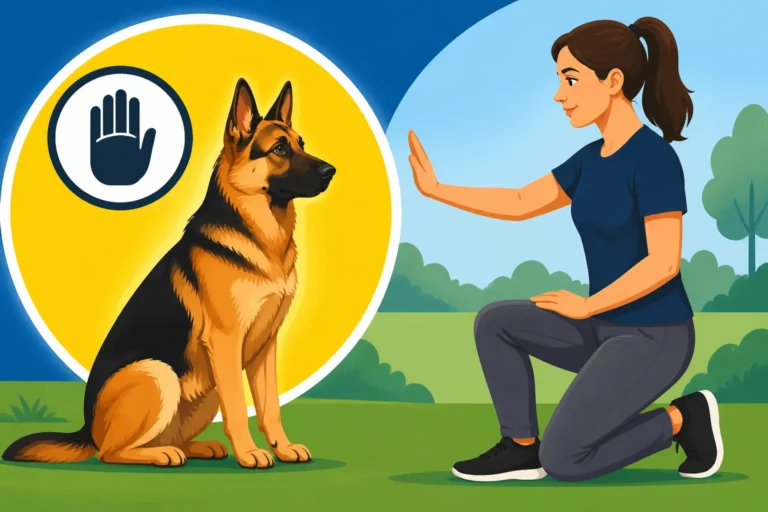
Before you can tackle reactivity directly, a solid foundation of obedience is absolutely essential. Your German Shepherd needs to understand and reliably respond to basic cues like "sit," "stay," "come," and "look at me," especially in distracting environments. These commands give you tools to redirect your dog's attention before they become reactive.
For example, if you see a trigger approaching, you can use a "watch me" command to get your dog to focus on you instead of the perceived threat. Reward heavily when they comply! This not only gives you control but also helps build your dog's confidence in you as their leader. Programs like BAXTER & Bella offer comprehensive online puppy training and obedience courses that can be incredibly helpful for establishing these fundamental skills right from the start, or for brushing up on them with an adult dog. Consistent practice, even in low-distraction environments, will pay dividends when you’re out in the real world. Many owners find our guide on German Shepherd Obedience Training Basics a great starting point.
Desensitization and Counter-Conditioning
These are the cornerstones of reactivity training. The goal is to change your German Shepherd's emotional response to triggers from negative (fear, anxiety, frustration) to positive (neutrality, anticipation of good things).
- Desensitization: This involves gradually exposing your dog to the trigger at a distance where they can see it but don't react. This is often called working "under threshold." If your dog reacts to other dogs at 50 feet, you start training at 75 feet. The goal is to decrease their sensitivity to the trigger over time.
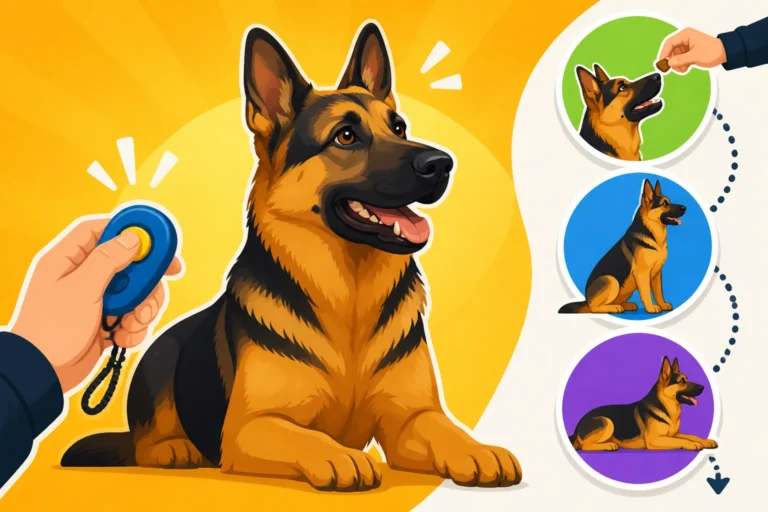
- Counter-Conditioning: While desensitizing, you pair the sight of the trigger with something wonderful, like high-value treats or a favorite toy. So, every time your German Shepherd sees another dog (at a safe distance), they get a delicious piece of chicken or cheese. The association becomes: "Other dog = yummy treats!" Over time, their brain starts to associate the trigger with positive feelings.
This process must be slow, systematic, and always positive. If your dog reacts, you've gone too fast or too close. Retreat and try again at a greater distance. You can find essential training gear like long lines, treat pouches, and high-quality training treats on Amazon to support these efforts.
Leash Handling Techniques
The way you handle the leash can significantly impact your German Shepherd's reactivity. A tight leash can actually increase tension and make your dog feel more anxious, as it removes their ability to move away and signals to them that you're also stressed. This is often referred to as "leash pressure reactivity."
- Loose Leash Walking: Teach your German Shepherd to walk calmly on a loose leash. This provides comfort and freedom of movement. If you see a trigger, try to keep the leash loose.
- Controlled Turns and U-turns: If a trigger appears unexpectedly and your dog is starting to stiffen, a quick, calm U-turn can remove them from the situation before they react. Practice these turns in low-distraction environments first.
- Using the Right Equipment: A front-clip harness or a head halter can give you more control and discourage pulling without causing pain. Avoid retractable leashes, as they offer no control and can teach your dog to pull. A standard 6-foot leash made of durable nylon or leather is often best. Many German Shepherd owners find guidance in our specific article on German Shepherd Reactivity on Walks.
Environmental Management and Avoidance
Until your German Shepherd's reactivity improves, strategic management of their environment is crucial for both their well-being and your sanity. This isn't giving up; it's smart training. Every time your dog reacts, the behavior is reinforced, making it harder to change. Avoiding triggers prevents this reinforcement.
- Identify Triggers: Keep a log of what sets your German Shepherd off. Is it all dogs, only certain breeds, people in hats, children, bicycles? Knowing this helps you plan.
- Choose Walking Routes Wisely: Opt for quieter streets, parks during off-peak hours, or open spaces where you can see triggers from a distance. Early morning or late evening walks might be less stressful.
- Create Distance: If you spot a trigger, cross the street, duck behind a car, or calmly turn around. Your dog doesn't need to meet every dog or person. The goal is to keep them under their reactivity threshold.
- Use Visual Barriers: If your dog reacts to things outside a window, consider frosted film or simply closing the blinds. For yard reactivity, a privacy fence can work wonders.
This proactive approach prevents your dog from practicing unwanted behaviors and allows you to create controlled training scenarios.
Seeking Professional Help
Sometimes, despite your best efforts, reactivity can feel overwhelming, or it might escalate. This is when professional help becomes invaluable. Trying to handle severe reactivity alone can be frustrating and even dangerous.
- Certified Professional Dog Trainers (CPDT-KA): Look for trainers who specialize in positive reinforcement and fear-free methods. They can assess your German Shepherd's specific triggers and provide a customized training plan.
- Certified Dog Behaviorists (CBCC-KA) or Veterinary Behaviorists (DACVB): For more severe cases, especially those rooted deeply in fear, anxiety, or trauma, a board-certified veterinary behaviorist might be needed. They can rule out underlying medical issues and, if necessary, prescribe medication to help manage anxiety while you implement behavioral modification.
Don’t feel ashamed to ask for help. Reactivity is complex, and even experienced dog owners seek guidance. A professional can offer new perspectives, effective strategies, and the support you need to make progress. To understand the financial commitment, you might want to read about German Shepherd Training Costs. For more on when to bring in the pros, see When to Hire a Trainer for a German Shepherd.
Reactivity Management Strategies at a Glance
| Trigger Type | Initial Management Strategy | Training Focus | Recommended Tools |
|---|---|---|---|
| Other Dogs | Increase distance, cross street, U-turn. Avoid dog parks. | Desensitization, counter-conditioning with high-value treats. "Look at me" command. | Front-clip harness, long line (for control), high-value treats, treat pouch (from Amazon) |
| People/Strangers | Create space, distract with treats/toys, use "sit" or "down". | Positive association (stranger = treat), teach a "leave it." | Head halter (if needed for control), clicker, tasty treats. |
| Bicycles/Skateboards | Move off to the side, block view with your body, redirect focus. | Gradual exposure from a distance, pair with positive reinforcement. | Sturdy leash, high-value rewards, structured walks. |
| Cars/Traffic | Walk on quieter streets, build confidence with car noises. | Sound desensitization (start indoors), "focus" exercises. | White noise machine (for home), enrichment toys. |
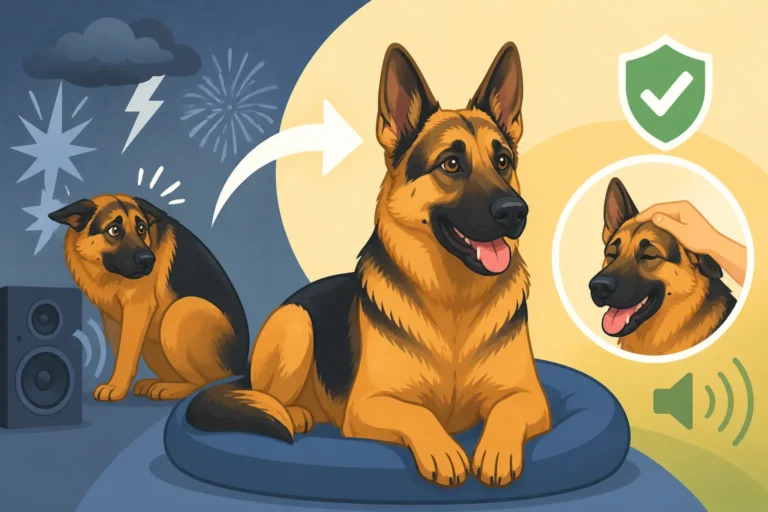
| Sudden Noises | Identify sound source, comfort/reassure calmly, counter-condition. | Play sound at low volume, pair with treats/play, gradual increase. | Soundproofing (home), treat-dispensing toys. |
Common Mistakes to Avoid When Dealing with Reactivity
When you’re dealing with a reactive German Shepherd, it's easy to fall into traps that can actually make the problem worse. Understanding these common pitfalls can help you steer clear of counterproductive methods and ensure your efforts are truly beneficial for your dog.
Punishment and Aversive Methods
This is a big one, and it's perhaps the most damaging mistake you can make. When your German Shepherd barks and lunges, it’s often because they are scared, anxious, or overwhelmed. Punishing them for these emotional responses – yelling, yanking the leash, using choke chains or prong collars aggressively, or even electronic collars – will only exacerbate their fear and anxiety.
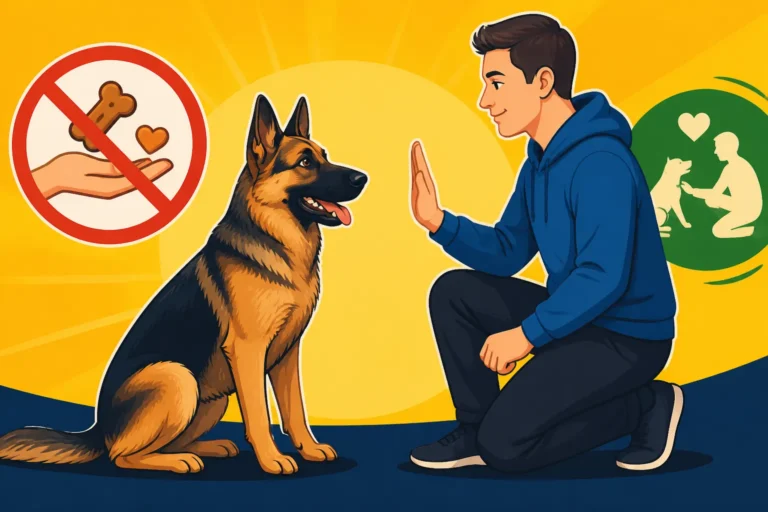
Imagine if you were terrified of spiders, and every time you saw one and screamed, someone hit you. Would you become less afraid of spiders? Probably not. You'd likely become more afraid of spiders and the person hitting you. The same applies to dogs. Punishment suppresses the outward signs of reactivity but doesn't address the underlying emotional state. It teaches your dog to fear the trigger and you, leading to a breakdown of trust. It can also make aggression more likely, as a dog might learn to bite without warning if they can't express their fear through barking. Our approach should always be about building trust and positive associations. For instance, the BAXTER & Bella program strongly advocates for positive, force-free training.
Flooding Your Dog
Another common, albeit often well-intentioned, mistake is "flooding." This means forcing your German Shepherd into a situation with their triggers, hoping they'll just "get over it." An example would be taking a dog-reactive German Shepherd directly to a busy dog park or letting multiple strange dogs approach them, thinking they'll eventually adapt.
Flooding is extremely stressful for your dog and rarely works. Instead of getting used to the trigger, your dog becomes overwhelmed, terrified, and their fear response is likely to intensify. It can even create new fears or make existing ones worse. Remember the desensitization rule: always work under your dog's threshold. Gradual, controlled exposure where your dog remains calm is key, not immersion therapy that pushes them into a panic. Every positive, low-stress interaction builds confidence, while every overwhelming one erodes it.
Ignoring the Problem
It's tempting, when you're exhausted and embarrassed by your German Shepherd's outbursts, to simply try to avoid all triggers or just pretend the problem isn't there. Maybe you stop going to the park, only walk late at night, or let your dog bark uncontrollably from the window. While environmental management is a crucial part of a training plan, ignoring the underlying reactivity completely is detrimental.
Reactivity rarely gets better on its own; it often escalates over time. The more your German Shepherd practices the reactive behavior, the more ingrained it becomes. Avoiding triggers entirely means you're not giving your dog the opportunity to learn new, positive responses. It's a short-term fix that leads to long-term issues, severely limiting your dog's quality of life and your ability to enjoy time with them. Active engagement with training, even if it's slow, is always the best path forward. This proactive approach applies to many aspects of German Shepherd care, as outlined in our general German Shepherd Health Problems Guide.
Building Confidence and Trust in Your German Shepherd
Beyond specific training techniques, fostering a strong bond of confidence and trust between you and your German Shepherd is paramount in addressing reactivity. Your dog looks to you for guidance and safety. If they don't feel secure in your leadership or trust your ability to handle situations, they are more likely to take matters into their own paws, often through reactive displays.
Consistent Routines and Clear Expectations
Dogs thrive on routine and predictability, and German Shepherds, with their intelligent and discerning nature, are no exception. A consistent daily schedule for feeding, potty breaks, exercise, and training helps create a sense of security and reduces anxiety. When your dog knows what to expect, they feel more in control of their world.
Equally important are clear and consistent expectations. If "sit" means "sit" every single time, regardless of who gives the command or where you are, your dog will learn and feel more confident in their understanding. Inconsistent rules or expectations can lead to confusion and frustration, contributing to an overall anxious state that can fuel reactivity. Make sure everyone in the household is on the same page regarding rules and training cues. This consistency helps to establish a clear hierarchy and your role as a reliable leader. For advice on establishing this, read How to Establish Leadership with a German Shepherd.
Enrichment and Mental Stimulation
A tired German Shepherd is a good German Shepherd, and that applies to mental fatigue just as much as physical. These highly intelligent dogs need their brains challenged daily. If they don't get enough mental exercise, they can become bored, frustrated, and more prone to reactivity due to pent-up energy and an overstimulated mind looking for an outlet.
Incorporate puzzle toys (many great options are available on Amazon), scent games, trick training, and structured obedience sessions into their daily routine. Even 10-15 minutes of focused mental work can be as tiring as a long walk. This not only burns mental energy but also strengthens your bond and builds your dog's confidence as they successfully complete tasks. Engaging their natural instincts for problem-solving can significantly reduce stress and increase their ability to cope with environmental stressors. Our article on Best Mental Stimulation for German Shepherds offers fantastic ideas.
Safe Social Experiences
While working on reactivity, it's easy to become so focused on avoidance that you inadvertently isolate your German Shepherd. However, carefully managed, positive social experiences are crucial for their overall well-being and can help them learn to be calm around other dogs or people.
This isn't about throwing them into a dog park. It’s about controlled, positive encounters. This could mean parallel walks with a calm, known dog and owner, maintaining a comfortable distance where both dogs remain relaxed. It could also involve structured playdates with a trusted, stable canine friend in a secure, neutral environment. The key is to ensure every interaction is positive, brief, and ends before either dog shows signs of stress. This helps your German Shepherd build positive associations and gradually generalize calmness to various social situations. For younger German Shepherds, particularly, learning how to appropriately interact can prevent reactivity from developing, as covered in German Shepherd Puppy Biting: What to Do which often has roots in over-arousal.
Moving Forward with Your Reactive German Shepherd
Living with and training a reactive German Shepherd can be challenging, but it is incredibly rewarding to see your dog gain confidence and learn to navigate the world with greater ease. Remember that progress isn't always linear; there will be good days and bad days, breakthroughs and setbacks. The most important thing is to remain patient, consistent, and compassionate.
Celebrate the small victories: a walk where they only gave a soft bark instead of a full lunge, or a moment when they voluntarily looked at you instead of staring down a trigger. These are indicators that your hard work is paying off. Keep learning, keep practicing, and don't hesitate to seek ongoing support from professionals or online resources. With dedication, your German Shepherd can transform from a reactive companion to a calm, confident, and well-adjusted member of your family.
Disclaimer
This article is for general informational purposes only and does not constitute professional advice. Laws, prices and regulations vary by location and change over time. Consult a qualified professional for guidance on your specific situation.