Best Toys for a German Shepherd’s Energy
If you're living with a German Shepherd, you know the struggle is real when it comes to managing their boundless energy! It's not just about walks; these intelligent, powerful dogs need constant stimulation to prevent boredom, which often leads to destructive behaviors like chewing up your favorite shoes or digging craters in the yard. Finding the right toys isn't just a treat – it's a critical tool for channeling their drive and keeping them happy, healthy, and out of trouble. This guide will walk you through selecting the best toys to satisfy your German Shepherd's incredible energy.
Understanding Your German Shepherd's Energy Levels
German Shepherds are not your average couch potatoes. They were bred for herding and protection, roles that demand immense physical stamina, mental acuity, and a tireless work ethic. Ignoring these inherent traits can lead to a very frustrated dog and an even more frustrated owner. It’s not a character flaw in your dog; it’s simply their genetic blueprint.
The Innate Drive of the German Shepherd
Think about what a German Shepherd was originally designed to do: patrol vast areas, gather sheep, and protect livestock. This is why they possess such high levels of energy, intelligence, and a strong prey drive. These aren't quirks; they are fundamental aspects of the breed's temperament. They have a deep-seated need to "work," even if that work simply means engaging with a challenging toy or a rigorous play session in your backyard. Without adequate outlets, this powerful drive can manifest as unwanted behaviors, from incessant barking to anxiety and destructive chewing. Understanding this intrinsic motivation is the first step in providing them with appropriate stimulation. You can learn more about their needs in our article on German Shepherd Exercise Requirements.
This innate drive also means they thrive on purpose. A toy that simply sits there won't cut it for long. They need toys that mimic the challenges of their historical roles—toys they can chase, "capture," dismember (safely, of course), or strategically figure out. This isn't just about burning physical energy; it's about engaging their sharp minds. A German Shepherd who is physically exhausted but mentally understimulated can still be a handful. Their powerful jaws and intelligent problem-solving abilities demand toys that are not only durable but also offer a satisfying interaction, making the right choice crucial for their overall well-being.
Tailoring Play to Age and Development
Just like humans, a German Shepherd's energy levels and play styles evolve throughout their life. A rambunctious puppy has different needs than a powerful adolescent or a distinguished senior. Recognizing these stages is key to providing age-appropriate and effective toys. Giving a small, easily destructible toy to an adult GSD is an invitation for mess, just as overwhelming a young puppy with a massive, heavy chew toy might deter them from playing.
For puppies, the focus is often on exploring the world with their mouths and learning bite inhibition. Soft, yet durable, rubber toys and teething rings are excellent choices. As they enter their adolescent phase, often between six months and two years, their energy peaks, and their jaws strengthen considerably. This is when you'll need the toughest of chew toys and plenty of interactive options. You might find our German Shepherd Puppy Training Guide helpful in understanding this developmental stage. Senior German Shepherds might have less physical stamina due to age or potential German Shepherd Arthritis in Senior Dogs, but their minds still crave engagement. Puzzle toys and gentler chew toys can provide valuable mental stimulation without putting strain on their joints. Adjusting your toy arsenal as your German Shepherd matures ensures they always have appropriate and enriching play experiences.
Types of Toys for High-Energy German Shepherds
Choosing the right toys for a German Shepherd can feel like navigating a minefield of shredded remnants if you don't know what to look for. These dogs need more than just any old toy; they need tools that can stand up to their powerful jaws, challenge their intelligent minds, and help them expend their abundant physical energy. It's about finding that sweet spot between durability, engagement, and safety.
Durable Chew Toys for Power Chewers
German Shepherds are notorious power chewers. A flimsy plastic toy will last about five minutes, if that, before becoming a choking hazard or a pile of plastic confetti. Investing in high-quality, durable chew toys is non-negotiable for GSD owners. Toys made from strong rubber compounds, like those from brands such as KONG or Nylabone, are often excellent choices. These toys are designed to withstand sustained chewing and gnawing, satisfying your dog's natural urge to chomp without destroying your furniture.
When selecting durable chew toys, look for labels that specifically state "extreme chewer" or "power breed." Consider the shape and texture; some dogs prefer toys with nubs or ridges that help clean their teeth, while others might favor a smoother, denser surface. Filling a rubber chew toy with a treat like peanut butter or plain yogurt and freezing it can extend the play session significantly, providing a long-lasting challenge and mental engagement. It’s a great way to keep them occupied, especially during times when you can't actively supervise. Always ensure the toy is large enough that it cannot be swallowed.
Interactive Puzzle Toys for Mental Stimulation
While physical exercise is crucial, mental stimulation is equally important for a German Shepherd. These are incredibly smart dogs, and a bored mind can quickly become a destructive one. Puzzle toys are fantastic for engaging their intellect, forcing them to think and problem-solve to get a reward. These toys can range from simple treat-dispensing balls to more complex contraptions with hidden compartments and levers.
For a German Shepherd, a good puzzle toy isn't just about dropping a treat; it requires them to manipulate it, roll it, or even use their nose to unlock its secrets. Brands like Nina Ottosson make excellent interactive feeders that gradually increase in difficulty, perfect for keeping a clever GSD challenged. You can find a vast array of options on sites like Amazon, but always remember to read reviews about durability, especially for GSDs. Introducing these toys can also be a fantastic way to bond with your dog, as you guide them through the initial steps. This type of mental workout can be just as tiring as a physical run, and it's particularly useful when discussing Best Mental Stimulation for German Shepherds.
Fetch and Tug Toys for Physical Exertion
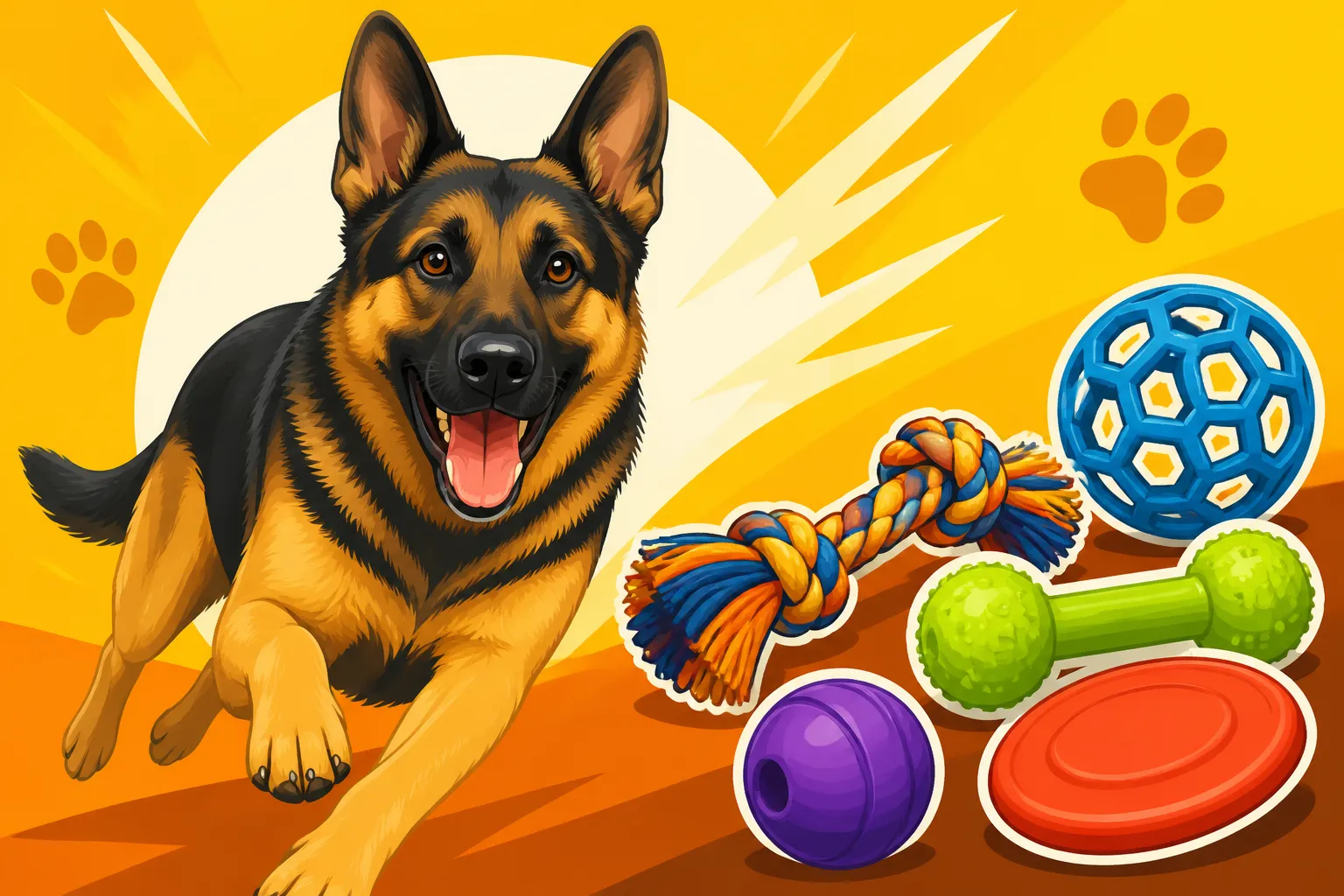
German Shepherds excel at activities that involve running, jumping, and engaging in a "prey" pursuit. Fetch and tug toys are perfect for channeling their physical energy and prey drive in a constructive way. A good sturdy ball, such as a Chuckit! Ultra Ball, or a robust tug rope can provide hours of fun and a great workout for both of you. These activities not only burn calories but also reinforce your bond and allow for valuable training opportunities.
When choosing fetch toys, prioritize durability and visibility. Brightly colored, heavy-duty rubber balls are less likely to be lost in the grass and more likely to withstand repeated fetching and chewing. For tug toys, look for braided ropes or industrial-strength rubber rings with handles designed for a firm grip. Tugging is a fantastic way to engage their strength and satisfy their natural instincts, but it's important to teach proper rules, like "drop it" on command, to prevent resource guarding. Interactive play with you is often the most rewarding for your German Shepherd, fulfilling their need for companionship and activity, as highlighted in topics like How Much Exercise Does an Adult German Shepherd Need.
Here's a quick overview of toy types suitable for German Shepherds:
| Toy Type | Primary Benefit | Durability Rating (GSD Specific) | Engagement Level | Best Use Cases |
|---|---|---|---|---|
| Heavy-Duty Chews | Satisfies chew instinct | High | Moderate | Independent play, crate time, dental health |
| Puzzle Toys | Mental stimulation | Medium to High | High | Solo enrichment, slow feeding, indoor activity |
| Fetch Toys | Physical exercise | Medium to High | High | Outdoor play, burning off energy, bond building |
| Tug Toys | Physical exertion, bond | High | High | Interactive play, impulse control training |
| Flirt Poles | Prey drive, exercise | Medium (lure is replaceable) | High | Short, intense bursts of energy, training recall |
Safety First: Choosing the Right Toys
It’s easy to get carried away by the sheer variety of dog toys available, but for a powerful breed like the German Shepherd, safety must always be the top priority. What might be safe for a smaller, less destructive dog can quickly become a dangerous choking hazard or cause internal injuries for your GSD. A careful eye and informed choices are essential to ensuring playtime remains fun and harmless.
Material Matters
The material a toy is made from dictates its durability and, ultimately, its safety for a German Shepherd. Cheap plastics can splinter, releasing sharp shards. Soft rubber might be fine for a puppy, but an adult GSD can tear it apart in minutes, potentially ingesting pieces. When considering toys, look for robust materials that are designed to withstand intense chewing. Hard rubber, such as that used by brands like KONG or GoughNuts, is often an excellent choice. These materials are formulated to be tough yet flexible enough not to damage teeth.
Natural rubber is generally preferred over synthetic alternatives, not just for its strength but also for its non-toxic properties. Always check product descriptions for materials and look for certifications if possible. Avoid toys with small, easily detachable parts, bells, or plastic eyes that can be chewed off and swallowed. Even ropes need careful consideration; while braided ropes are great for tugging, if your German Shepherd starts to shred and ingest the fibers, it can lead to dangerous intestinal blockages. Always err on the side of caution and opt for materials that are known for their resilience and safety with powerful chewers.
Size and Durability Considerations
This might seem obvious, but selecting a toy that is appropriately sized for your German Shepherd is paramount. A toy that is too small can easily be swallowed whole, leading to an emergency trip to the vet. Conversely, a toy that is too large might be awkward for them to play with effectively. The general rule of thumb is that the toy should be too large to fit entirely within their mouth, preventing accidental ingestion.
Beyond size, durability is key. A German Shepherd's jaw strength is formidable. You need toys that are marketed for "aggressive chewers" or "large breeds." Don't be fooled by pretty designs or novelty items; focus on construction and materials that are built to last. Many owners have learned the hard way that a toy claiming to be durable for "all dogs" doesn't always stand up to the might of a determined German Shepherd. Brands often categorize their toys by chew strength, so always pick the highest rating available for your GSD. Checking reviews on platforms like Amazon from other German Shepherd owners can provide invaluable real-world insights into a toy's true durability.
Regular Inspection and Replacement
Even the toughest toys have a lifespan, especially with a German Shepherd. Regular inspection of all your dog's toys is a critical part of responsible ownership. Before each play session, take a moment to examine toys for signs of wear and tear, such as cracks, loose pieces, fraying ropes, or sharp edges that have developed from chewing. What might start as a small crack can quickly become a larger piece that could break off.
If a toy shows significant damage, it's time to replace it. Don't try to salvage a broken toy, as it poses a direct risk to your dog's safety. Establishing a routine for checking and rotating toys can help prolong their life and maintain your dog's interest. For instance, you might have a set of "indoor" toys and "outdoor" toys, or rotate different types of puzzle toys throughout the week. This not only keeps things fresh for your German Shepherd but also ensures that only safe, intact toys are in circulation. Staying on top of toy maintenance is a small effort that goes a long way in preventing potential injuries and keeping your GSD happy and safe during playtime. Consider what happens when these toys are old in our discussion on German Shepherd Dental Care Explained, as damaged toys can sometimes affect teeth.
Integrating Toys into a Daily Routine
Toys are not just for random entertainment; they are powerful tools that can be strategically integrated into your German Shepherd's daily routine to manage their energy, reinforce training, and prevent common behavioral issues. A thoughtful approach to toy use can significantly enhance your dog's quality of life and your relationship with them.
Structured Play Sessions
For a German Shepherd, playtime should often be structured. Instead of leaving all toys out all the time, which can diminish their appeal, designate specific times for play sessions. These sessions should be high-energy and engaging, signaling to your dog that it's time to "work" in a fun way. For example, a 15-20 minute session of vigorous fetch in the morning and another in the evening can help burn off significant physical energy. During these times, focus entirely on your dog, using encouraging words and making the experience highly rewarding.
Structured play also helps establish boundaries and reinforces your leadership. A training platform like BAXTER & Bella, for instance, emphasizes integrating play into training routines to build a stronger bond and develop good habits. This might involve using a tug toy as a reward for successful obedience commands or incorporating a game of "find it" with a favorite scent toy to stimulate their powerful nose. The predictability of structured play can also help reduce anxiety, as your German Shepherd learns when to expect their energy outlets. These sessions are crucial components of a holistic German Shepherd Exercise and Grooming Routine.
Rotating Toys for Continued Interest
Imagine eating the same meal every day for years – it would get pretty boring, right? The same goes for your German Shepherd's toys. If all their toys are always available, they lose their novelty and appeal. A fantastic strategy for keeping your GSD mentally engaged and excited about their toys is to implement a rotation system. Divide their toys into several groups and only make one group available at a time. Every few days or once a week, swap out the current selection for another group.
When a "new" group of toys is introduced, it creates renewed interest and excitement, as if they've received brand new items. This simple trick prevents boredom and keeps their minds stimulated. It also allows you to reintroduce a toy that might have been ignored for a while, making it seem novel again. This strategy works particularly well with puzzle toys, as your German Shepherd will have to re-engage their problem-solving skills with toys they haven't seen in a while. By rotating toys, you ensure that each play session remains fresh, challenging, and mentally enriching for your intelligent companion.
Toys as Training Aids
Beyond just entertainment, toys are invaluable tools in German Shepherd training. They can be used as motivators, rewards, and even substitutes for unwanted behaviors. For a dog as driven as a German Shepherd, a favorite toy can be a more powerful incentive than a treat, especially during high-distraction training environments. For example, during recall training, throwing a favorite fetch toy immediately after they return can solidify the command far more effectively than a piece of kibble.
Tug toys, when used correctly, can teach impulse control. Commands like "take it," "leave it," and "drop it" can be practiced, reinforcing the idea that you control the game. This not only builds obedience but also strengthens your bond and establishes you as the leader of the game. For puppies, appropriate chew toys can redirect their natural urge to nip and chew away from your hands and furniture. Companies that offer comprehensive training, like BAXTER & Bella, often integrate toys heavily into their curriculum, showing how play can be a cornerstone of effective training. By strategically using toys, you're not just playing; you're actively shaping a well-behaved, happy, and confident German Shepherd, which is a key part of solving German Shepherd Behavior Problems and Solutions.
Disclaimer
This article is for general informational purposes only and does not constitute professional advice. Laws, prices and regulations vary by location and change over time. Consult a qualified professional for guidance on your specific situation.