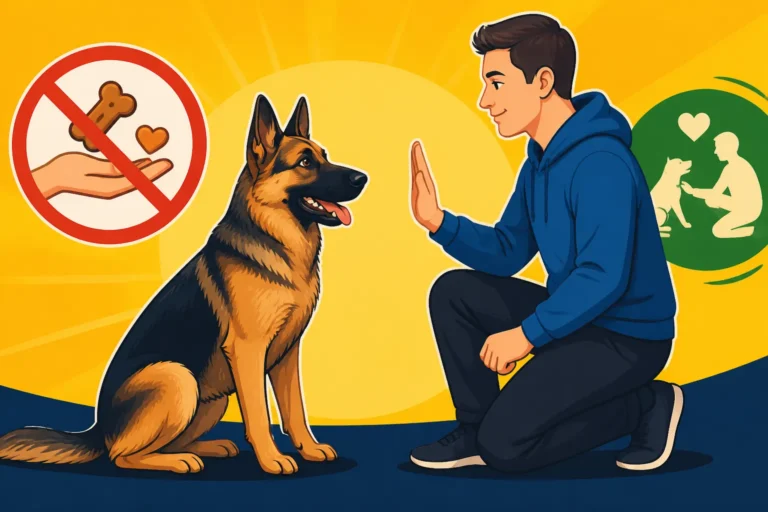
How to Bond with a German Shepherd
It can sometimes feel like your magnificent German Shepherd is an independent soul, a little reserved, making you wonder how to truly bridge that gap and forge an unbreakable connection. This isn't just about getting them to obey commands; it's about building a deep, trusting relationship where you both understand and rely on each other. This comprehensive guide will walk you through practical, heartfelt strategies to cultivate that profound bond with your German Shepherd, transforming your partnership into something truly special.
Understanding Your German Shepherd's Unique Nature
German Shepherds are incredible dogs, known for their intelligence, loyalty, and often, a certain dignified aloofness. They aren't always the first to rush in for a cuddle with a stranger, and sometimes, even with their beloved owners, it feels like they're assessing you rather than just showering you with immediate affection. This isn't a flaw; it's a fundamental part of who they are, rooted deeply in their history as working dogs. Understanding this unique temperament is the first, crucial step in building a bond that truly resonates with them.
Breed-Specific Traits that Influence Bonding
Unlike some other breeds that are inherently eager to please and overtly affectionate, German Shepherds often form very deep, singular bonds, but these bonds are built on respect, trust, and a sense of purpose. They thrive on clear communication and consistency. They were bred to work closely with humans, often in roles that required independent thought and a strong sense of duty, like herding or protection. This means they look to you not just for food and shelter, but for guidance, structure, and a clear understanding of their place in the "pack."
Their inherent intelligence means they're constantly observing and learning from you. If you're inconsistent, hesitant, or unclear in your expectations, they'll notice. This doesn't mean they'll stop loving you, but it can certainly impact the depth of trust and the sense of security they feel in your leadership. For a German Shepherd, feeling secure and having a confident leader is paramount. They want to know you're in charge and that you have their best interests at heart. Learning more about their unique German Shepherd Temperament and Personality can really help you tailor your approach.
When you bring a German Shepherd into your life, you’re adopting a dog with a rich history of partnership and a strong drive to have a "job." This doesn't mean they need to be a police dog or a service animal, but they absolutely need mental and physical engagement. If their natural drives aren't channeled appropriately, they can become bored, frustrated, and even develop behavioral issues, which can certainly make bonding feel like an uphill battle. Acknowledging and respecting these inherent traits is foundational to understanding how to best connect with them.
The Importance of Respect and Trust
For a German Shepherd, respect isn't just about you giving them space; it's about you earning their admiration through fair, consistent, and confident leadership. They respect those who are calm, assertive, and predictable. If you're constantly changing the rules, getting frustrated easily, or not following through on your commands, it erodes their trust in your ability to lead them. Building trust with a German Shepherd is a gradual process, much like building a relationship with a human peer.
This means being consistent with rules, boundaries, and expectations. It means being fair in your training, using positive reinforcement, and never resorting to harsh punishment, which can easily break their trust and make them wary. A German Shepherd who trusts you implicitly will be a devoted companion, willing to follow you anywhere, and that's a truly beautiful thing to experience. They want to be a partner, not just a subordinate.
Trust also means advocating for your dog. If they are uncomfortable in a situation, it’s your job to remove them or help them cope. For example, if your German Shepherd is clearly overwhelmed by a noisy park, don't force them to stay. Instead, move to a quieter area or go home. This demonstrates that you understand their needs and will protect them, further solidifying their trust in you as their leader and guardian. Without this mutual respect and trust, any attempts at bonding will feel superficial and won't truly resonate with the depth of the German Shepherd's character.
Laying the Foundation: Early Steps for a Strong Bond
Building a strong bond starts from the moment your German Shepherd, whether a tiny puppy or a rescue adult, enters your home. These initial steps are not just about training; they're about establishing the fundamental elements of your relationship: communication, trust, and understanding. You're essentially writing the first chapter of your life together, and getting it right sets the stage for a lifetime of companionship.
Consistent Routine and Predictability
German Shepherds, with their intelligent and discerning minds, thrive on routine. They are creatures of habit and find immense comfort in knowing what to expect throughout their day. A predictable schedule for feeding, walks, potty breaks, training sessions, and playtime drastically reduces anxiety and helps them settle into their new environment, knowing their needs will be met. Imagine if your own life was a constant guessing game – it would be stressful, right? It's no different for our dogs.
Establishing this kind of consistency from day one shows your German Shepherd that you are reliable and that their world, with you at the helm, is safe and secure. This foundation of safety and predictability is absolutely crucial for them to truly relax and start to form an attachment. It reinforces your role as a capable leader who manages their world effectively. This is especially true for puppies; a solid German Shepherd Puppy Feeding Schedule and consistent potty training routine helps them understand their new environment and their place within it.
Think about how much easier it is for you to relax when you know what’s coming next. For a German Shepherd, this translates directly into confidence. When they know when they’ll eat, when they’ll go outside, and when they’ll get to play, they can channel their energy more constructively instead of worrying or getting anxious. This also prevents many common behavioral issues that arise from uncertainty, such as destructive chewing or excessive barking, which can definitely strain a budding bond.
Positive Reinforcement and Communication
This is where the magic really starts to happen. German Shepherds respond incredibly well to positive reinforcement – rewards for good behavior, rather than punishment for mistakes. When you reward them for making the right choices, whether it's sitting politely, coming when called, or calmly greeting a visitor, you're not just training a behavior; you're building a language of understanding and joy between you. They learn that engaging with you is a positive experience, leading to treats, praise, or their favorite toy.
Clear, consistent communication is equally vital. Use short, precise commands, and follow through every single time. Your tone of voice, body language, and consistency are all part of this communication. If you say "sit" once and wait, and then repeat it five times with increasing frustration, you're not being clear. Instead, use a calm, firm voice, give the command once, and guide them if necessary, then reward immediately. This clarity builds trust and shows them you are a fair and effective leader. This approach is key when you're working on German Shepherd Obedience Training Basics. For those looking for structured guidance, platforms like BAXTER & Bella offer comprehensive online training programs that can help reinforce these positive communication techniques right from the start, often using clicker training and marker words to build that clear bridge between action and reward.
Effective communication isn't just about what you say, but also about understanding what your German Shepherd is trying to communicate to you. Pay attention to their body language – a relaxed tail, soft eyes, or a happy pant can tell you they're enjoying an interaction, while a stiff body, whale eye, or averted gaze might indicate discomfort. Learning to "read" your dog strengthens your connection by allowing you to respond appropriately to their needs and emotions. This two-way street of understanding is fundamental to a deep and lasting bond.
Activities to Deepen Your Connection
Beyond the basic needs and routines, active engagement and shared experiences are what truly cement your bond with your German Shepherd. This breed thrives on having a purpose and working alongside their human. When you engage in activities together, you're not just passing the time; you're building a shared history, strengthening communication, and fostering a sense of partnership that few other activities can replicate.
Shared Experiences and Training
German Shepherds are incredibly intelligent and love to learn. Engaging in regular, structured training sessions is one of the most powerful ways to bond. This isn't just about teaching commands; it's about problem-solving together, understanding each other's cues, and achieving goals as a team. Whether it's advanced obedience, agility, nose work, or even just mastering new tricks, these shared mental exercises reinforce your leadership and their willingness to work with you. A great resource for getting started with structured training, especially for puppies, can be found with online programs like BAXTER & Bella, which provide step-by-step guidance on everything from basic commands to more complex behaviors, all designed to build that fundamental connection.
Consider enrolling in a local dog sport class. Activities like Rally Obedience or even K9 Nose Work can be incredibly rewarding. They give your German Shepherd a job, fulfill their natural instincts, and allow you to celebrate successes together. These shared triumphs are fantastic for bonding. Regularly reviewing a German Shepherd Puppy Training Guide can offer fresh ideas and help you stay on track with their developmental stages. You'll quickly see that the more you invest in their mental stimulation, the more engaged and connected they become.
Participating in cooperative training exercises, where you are both actively involved and working towards a common goal, creates a powerful sense of teamwork. This fosters a partnership dynamic that is deeply satisfying for both human and dog. It also provides invaluable opportunities for Understanding German Shepherd Behavior in different contexts, allowing you to fine-tune your communication and relationship. The pride you feel when your German Shepherd executes a complex command, and the joy they show in doing it, is an undeniable bonding experience.
Playtime and Physical Activity
Never underestimate the power of play. German Shepherds are energetic dogs who need a significant amount of physical exercise. A tired dog is a happy dog, and a happy dog is often more receptive to bonding. But beyond just burning off energy, playtime is an opportunity for unstructured, joyful interaction. Games like fetch, tug-of-war (with clear rules, like "drop it" on command), or even just a spirited run in a safe, enclosed space, build positive associations with you. You become the source of fun and excitement.
These activities also help you understand your dog's play style and preferences. Do they love to chase? Are they more into scent games? Tailoring playtime to their individual likes shows them you understand and care about what makes them happy. Remember, German Shepherds have substantial German Shepherd Exercise Requirements, so combining intense physical activity with mental games is ideal. Explore a variety of durable toys on platforms like Amazon – things like KONG toys for mental puzzles or tough rubber balls for fetch can be great additions. Just be sure to always supervise playtime, especially with toys that could be ingested.
Beyond just physical exercise, play is crucial for mental stimulation. Games that involve searching for hidden treats, puzzle toys, or even just learning a new fun trick all contribute to their overall well-being and engagement. This kind of interaction makes you the most exciting person in their world, solidifying your role as their primary source of joy and entertainment. This positive association is a cornerstone of a strong bond, making them eager to spend time with you.
Quiet Moments and Affection
While German Shepherds aren't always in your lap like a golden retriever, quiet moments of affection are still vital for bonding. This might look different than with other breeds. For some, it's a gentle head scratch while they rest at your feet. For others, it’s a full body lean into your legs, or a happy sigh when you're grooming them. Respect their personal space, but also offer calm, reassuring touch. This builds comfort and reinforces the idea that you are a safe and loving presence.
Simply spending time in the same room, without direct interaction, can also be a powerful bond-builder. If you're reading a book, invite them to lie near you. If you're watching TV, let them rest their head on your lap. These moments, where you're just being together, foster a deep sense of companionship and security. They learn that your presence alone is comforting and that they belong. This kind of consistent, gentle interaction reinforces that you are a reliable, loving figure in their life, vital for their overall well-being and building a lasting connection.
Grooming, too, can be a surprising opportunity for quiet bonding. Regular brushing not only helps manage their shedding but also provides a calm, tactile interaction. Many German Shepherds learn to love these sessions as a time for gentle attention and quiet connection. These moments, free from demanding commands or high-energy play, allow for a different kind of bond to form—one of quiet acceptance and mutual comfort.
| Bonding Activity | Key Benefit for German Shepherds | Tips for Success |
|---|---|---|
| Structured Training | Builds communication, trust, respect, and a sense of shared purpose. | Keep sessions short, positive, and consistent. Use high-value rewards. Explore advanced obedience, trick training, or dog sports. Consider an online program like BAXTER & Bella for guidance. |
| Interactive Play (Fetch, Tug) | Satisfies prey drive, burns energy, establishes clear boundaries. | Use durable toys (e.g., from Amazon). Teach "drop it" early and enforce it consistently to maintain control. Vary games to keep it exciting. Focus on you being the source of fun. |
| Long Walks/Hikes | Provides mental stimulation through new sights/smells, promotes calm focus. | Practice loose-leash walking. Allow sniffing opportunities. Explore new routes. This is a great time to learn How to Leash Train a German Shepherd Puppy or an adult dog. |
| Grooming Sessions | Builds comfort with handling, establishes positive touch, health check. | Start short and gentle. Use soft brushes and positive praise. Turn it into a relaxing ritual. |
| Quiet Time Together | Fosters companionship, security, and a sense of belonging. | Invite them to lie near you while you're engaged in calm activities (reading, watching TV). Gentle petting if they initiate contact. Don't force prolonged cuddles if they're not receptive. |
| Puzzle Toys/Brain Games | Provides mental stimulation, reduces boredom, and builds problem-solving skills. | Use food-dispensing toys or DIY puzzles. Incorporate these into daily routine. This is excellent Best Mental Stimulation for German Shepherds. |
Overcoming Common Bonding Challenges
Even with the best intentions, building a deep bond with a German Shepherd isn't always a straight line. Sometimes, their inherent traits, or their past experiences, can present unique challenges. It’s important to remember that patience, understanding, and consistent effort are your most powerful tools when navigating these hurdles. Don't get discouraged; every dog is an individual, and sometimes it just takes a little extra time and a tailored approach to truly connect.
Building Trust with a Shy or Rescue German Shepherd
Bringing a shy or rescue German Shepherd into your home can be incredibly rewarding, but it often requires a delicate approach to bonding. These dogs may have experienced trauma, neglect, or simply lack early socialization, making them wary of new people and environments. Your primary goal here is to become a safe harbor. This means avoiding anything that could be perceived as threatening: loud noises, sudden movements, staring directly into their eyes, or forcing interactions. Give them space and allow them to approach you on their own terms.
Start by creating a predictable, quiet environment. Establish a routine for feeding, potty breaks, and short, calm walks. Use positive reinforcement exclusively, even for tiny steps like making eye contact or taking a treat from your hand. Sit quietly in the same room as them, reading or doing something calm, allowing them to get used to your presence without pressure. Offer high-value treats (like small pieces of cooked chicken or cheese) to create positive associations. Over time, these small, consistent acts of kindness will chip away at their apprehension, helping them understand that you are a benevolent and trustworthy presence. For rescues, focusing on How to Build Confidence in a Shy German Shepherd will be key, perhaps with the guidance of a professional trainer.
Remember that patience is paramount. Don't rush the process or expect immediate results. Every small positive interaction is a step forward. Even if it takes weeks or months for them to truly relax and lean into you, the eventual bond formed with a rescue German Shepherd is often one of the deepest and most resilient. Their journey teaches you both resilience and the profound power of unconditional love and trust.
Managing an Overly Independent German Shepherd
Some German Shepherds, especially certain working lines, can be quite independent. They might be perfectly happy to patrol the yard or chew on a toy by themselves, seemingly less interested in constant human interaction. While this trait has its advantages, it can leave owners feeling a bit detached. The key here is to make yourself the most interesting and rewarding part of their world, without being overbearing. Don't chase them for attention; instead, make them want to engage with you.
This is where engaging in stimulating activities and clear training really shines. If your German Shepherd views you as the gateway to exciting games, challenging training sessions, and delicious rewards, they’ll naturally seek you out more. Use their prey drive or scent drive to your advantage by playing structured games like hide-and-seek with treats or a favorite toy. Keep training sessions short, fun, and varied to hold their attention. Instead of constantly calling them for pets they might not want, invite them to participate in an activity they enjoy. Regularly practicing their German Shepherd Basic Commands Every Owner Should Teach in different environments can strengthen their focus on you. The goal is to build a partnership where they look to you for direction and engagement, rather than just tolerating your presence.
It’s also important to understand that an independent German Shepherd might not show affection in the same way a more outwardly demonstrative breed would. A gentle nudge of their head, a relaxed sigh as they settle near you, or a look of intense focus during a training session are all their ways of showing connection and contentment. Don't take their independence personally; instead, celebrate their self-sufficiency while creating compelling reasons for them to choose to spend time and engage with you. This balance respects their nature while inviting them into a deeper partnership.
Disclaimer
This guide provides general information and advice for bonding with German Shepherds. Every dog is an individual, and responses to these strategies may vary. If you are experiencing significant behavioral challenges or concerns about your dog's well-being, always consult with a certified professional dog trainer or a veterinary behaviorist.