German Shepherd Puppy Feeding Chart by Month
Trying to figure out exactly how much to feed your German Shepherd puppy can feel like an overwhelming task. One day they seem to inhale their food and the next they're growing at an unbelievable rate, leaving you constantly questioning if you're giving them enough, too much, or even the right kind of nutrition. This comprehensive guide is here to take the guesswork out of puppy feeding, providing a clear, month-by-month feeding chart and invaluable tips to ensure your furry companion thrives during their critical developmental stages.
The Importance of a Structured Feeding Plan for German Shepherd Puppies
Bringing a German Shepherd puppy into your home is an incredibly exciting time, but it also comes with immense responsibility, especially when it comes to their nutrition. These magnificent dogs are known for their rapid growth, particularly during their first year, and this accelerated development requires a very specific and carefully managed feeding plan. It's not just about filling their bowl; it's about providing the right fuel for their growing bodies and setting the foundation for a long, healthy life. Without a structured approach, you could inadvertently contribute to health issues down the line.
Why Growth Stages Matter
German Shepherds are considered a large breed, and large breeds have unique growth considerations. They grow much faster and larger than smaller breeds, which puts considerable stress on their developing bones and joints. If a German Shepherd puppy grows too quickly due to overfeeding, it can lead to serious orthopedic problems like German Shepherd Hip Dysplasia Explained or elbow dysplasia. Conversely, underfeeding can stunt their growth and deprive them of essential nutrients. It's a delicate balance.
For instance, conditions like German Shepherd Panosteitis Growing Pains, often dubbed "growing pains," are more commonly seen in rapidly growing large-breed puppies. While panosteitis is often self-limiting, it highlights the stresses associated with rapid growth. Controlling the rate of growth through proper nutrition helps mitigate these risks, supporting healthy bone and joint development. This careful management in their early years significantly contributes to their overall German Shepherd Lifespan: How Long They Live and quality of life as they mature. Every meal plays a role in constructing their future health, making these early feeding decisions paramount.
Understanding Puppy Nutritional Needs
Puppies, especially active, rapidly growing German Shepherds, have significantly higher caloric and protein requirements per pound of body weight compared to adult dogs. Their bodies are working overtime to build muscle, develop strong bones, and fuel their boundless energy. A high-quality puppy food specifically formulated for large breeds will provide a balanced blend of protein, fats, carbohydrates, vitamins, and minerals.
Crucially, the balance of minerals like calcium and phosphorus is extremely important for bone development in large-breed puppies. Too much calcium can be just as detrimental as too little, potentially leading to skeletal abnormalities. This is why it's generally discouraged to supplement a puppy's diet with extra calcium unless specifically instructed by a veterinarian. The best large-breed puppy foods are designed to deliver these nutrients in the correct ratios, taking the guesswork out of it for you. Look for foods that are certified by organizations like the Association of American Feed Control Officials (AAFCO), ensuring they meet established nutritional standards for growth.
German Shepherd Puppy Feeding Chart Month by Month
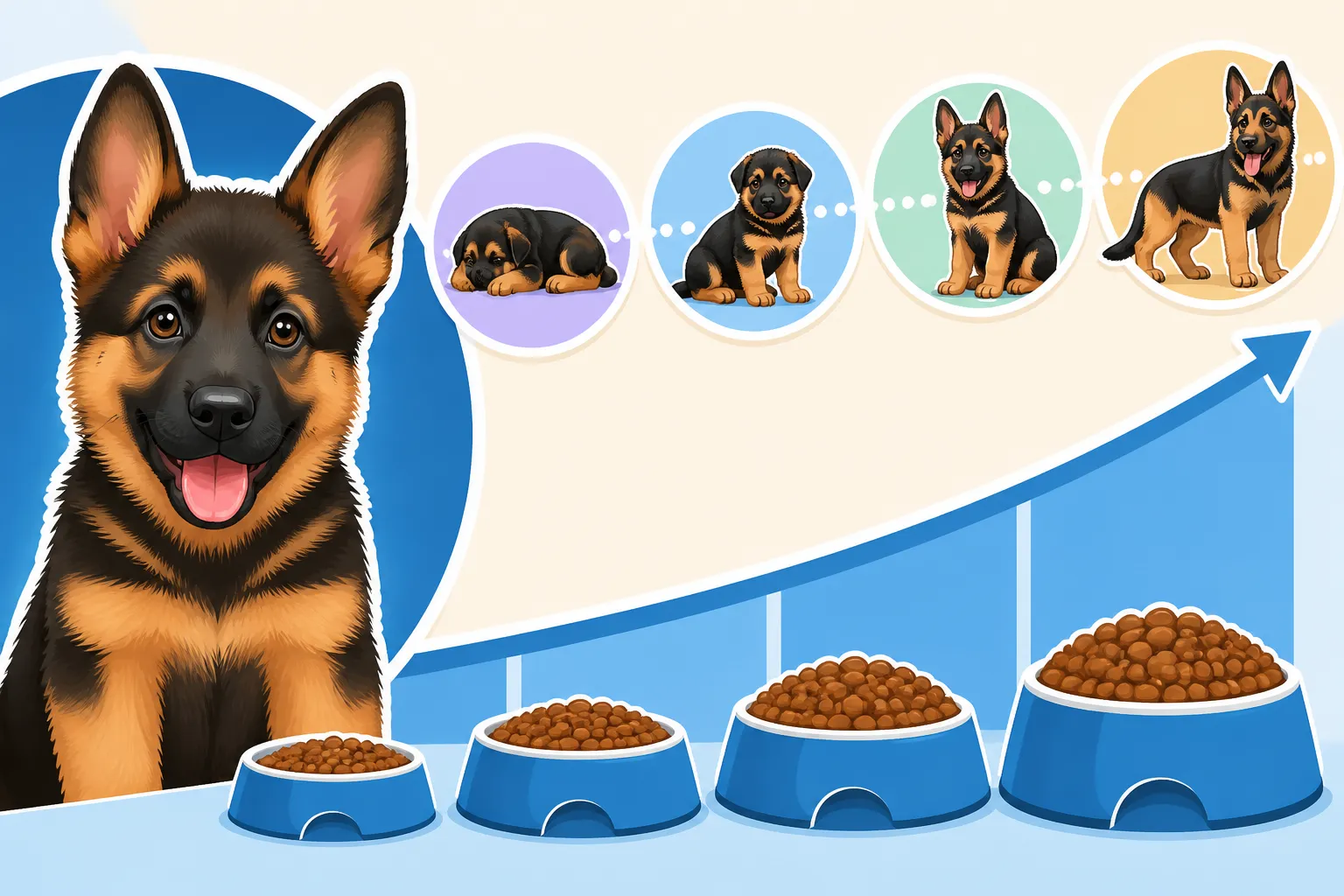
Navigating the feeding journey for your German Shepherd puppy can be tricky, as their needs change quite dramatically during their first year. This chart provides a general guideline, but remember that every puppy is an individual. Factors like activity level, metabolism, and specific growth rate will always influence the exact amount they need. Always monitor your puppy’s body condition and consult your vet for personalized advice.
| Age (Months) | Approximate Weight Range (lbs) | Daily Feeding Frequency | Recommended Daily Food Amount (Cups) | Notes |
|---|---|---|---|---|
| 2-3 months | 15-30 lbs | 3-4 times a day | 2.5 – 4 cups | Focus on large-breed puppy formula, softened if needed. |
| 3-4 months | 25-45 lbs | 3 times a day | 3 – 5 cups | Monitor growth closely, adjust based on activity. |
| 4-6 months | 40-65 lbs | 2-3 times a day | 4 – 6 cups | Energy needs are high; avoid overfeeding to prevent rapid growth. |
| 6-9 months | 55-80 lbs | 2 times a day | 5 – 7 cups | Entering adolescence, maintain consistent routine. |
| 9-12 months | 65-90 lbs | 2 times a day | 6 – 8 cups | Approaching adult size, consider gradual transition to adult food around 12-18 months. |
Note: Food amounts are based on an average large-breed puppy kibble. Always refer to the specific feeding guidelines on your chosen dog food packaging and adjust based on your puppy's individual needs and your veterinarian's recommendations.
Weeks 8-12: The Critical Early Weeks
When your German Shepherd puppy first arrives home, usually around 8 weeks old, they are entering a crucial period of development. This is a time of immense change and a bit of stress, so consistency in their feeding routine is vital. At this age, their tiny stomachs can't handle large meals, so they need frequent, smaller portions throughout the day. Typically, 3 to 4 meals spread out evenly are best. For example, if you feed 3 cups total, you might give 1 cup at 7 AM, 1 cup at 1 PM, and 1 cup at 7 PM.
It's wise to continue feeding the food your breeder or rescue organization was using for at least the first week or two to avoid stomach upset. If you plan to switch foods, do so gradually over 7-10 days, mixing increasing amounts of the new food with decreasing amounts of the old. Many reputable breeders will recommend a high-quality large-breed puppy formula from brands like Purina Pro Plan or Royal Canin, which are easily found on platforms like Chewy or Amazon. These formulas are specifically designed to support the unique growth curve of large breeds and help mitigate issues like German Shepherd Bloat Prevention Feeding Tips. Remember, a calm, consistent feeding environment helps your new puppy feel secure and aids digestion.
Months 3-6: Rapid Growth and Energy Needs
As your German Shepherd puppy moves into the 3-6 month range, you'll witness an incredible growth spurt. They'll seem to sprout overnight! During this period, their energy levels are sky-high, and their bodies are rapidly developing muscle and bone. While their overall daily food intake will increase as they grow, you can usually transition from four meals a day down to three by around 3-4 months, and then to two or three meals a day by 4-6 months, depending on how they handle it.
It's incredibly important during this phase to monitor their body condition closely. You should be able to feel their ribs easily without seeing them, and they should have a discernible waist. If your puppy starts looking a bit too chunky, or their growth seems excessively rapid, you might need to slightly reduce their food intake or increase their structured, appropriate exercise (remembering to protect their developing joints from too much high-impact activity). The goal isn't to make them grow as fast as possible, but to encourage steady, healthy growth. This careful approach helps minimize the risk of developmental orthopedic diseases common in growing large breeds.
Months 7-12: Approaching Adolescence and Maturation
Between 7 and 12 months, your German Shepherd puppy is officially entering their awkward, gangly adolescent phase. They might still look like a puppy in some ways, but they're rapidly approaching their adult size and maturity. While their growth rate might slow down slightly compared to the earlier months, they still have significant development happening, especially in terms of muscle mass and bone density. Most German Shepherds are fed twice a day during this period, usually morning and evening.
During these months, you’ll continue to feed them a high-quality large breed puppy food. It's generally recommended to keep them on a puppy formula until their growth plates have closed, which often happens between 12 and 18 months for large breeds. Switching too early to adult food can deprive them of the specific nutritional support they still need for finishing growth. For owners considering alternative feeding methods, fresh food delivery services like Ollie are gaining popularity and can be an option for puppies if properly formulated for large breed growth and discussed with your vet. Just ensure any non-kibble diet provides complete and balanced nutrition for their specific needs as they continue to grow. You can learn more about their overall development in our article, When Do German Shepherds Stop Growing.
Practical Feeding Tips and Common Pitfalls to Avoid
Feeding your German Shepherd puppy correctly goes beyond just following a chart. It involves understanding their individual needs, making informed choices about their diet, and being vigilant about their overall health. Consistency, observation, and proactive adjustments are key to successful puppy nutrition.
Choosing the Right Food and Portions
The market is flooded with dog food options, and it can be overwhelming to pick the "best" one. For a German Shepherd puppy, prioritize a high-quality dry kibble specifically labeled for "large breed puppies" or "all life stages" (if it meets AAFCO guidelines for growth). These formulas are designed with the correct protein, fat, and mineral ratios (especially calcium and phosphorus) to support controlled growth in larger dogs. Brands like Royal Canin, Purina Pro Plan, and Hill's Science Diet are often vet-recommended and widely available.
Reading the feeding guidelines on the bag is your first step, but remember these are just starting points. A very active puppy living on a farm might need more food than a puppy in a suburban home with fewer intense exercise sessions. Observe your puppy's energy levels, stool quality, and body condition. If their stools are consistently soft, or they seem lethargic, it could indicate too much food, the wrong food, or even an underlying health issue. Conversely, if they seem constantly hungry and are losing weight despite adequate portions, they might need more. Don't be afraid to adjust portions slightly, always consulting your veterinarian for guidance. For more specific recommendations, check out our guide on the Best Puppy Food for German Shepherds.
Monitoring Your Puppy's Health and Weight
One of the most important things you can do is learn how to assess your puppy's body condition. This isn't about looking at the number on the scale, but rather how they look and feel. Ideally, you should be able to easily feel your German Shepherd puppy's ribs when you lightly run your hands along their sides, but you shouldn't see them prominently. When viewed from above, they should have a noticeable waist (an hourglass figure), and from the side, their belly should tuck up slightly, not hang low.
Regularly weighing your puppy at home or at vet visits can help track their growth, but it's the visual and tactile assessment that truly matters. Being overweight as a puppy puts unnecessary strain on developing joints and significantly increases the risk of orthopedic problems later in life, and can contribute to German Shepherd Weight and Obesity Risks. If you're concerned about your puppy's weight – whether too heavy or too thin – schedule a vet visit. They can help you fine-tune the feeding plan and rule out any underlying health conditions.
Hydration, Treats, and Supplement Considerations
Beyond their main meals, several other aspects of their diet deserve attention.
Firstly, hydration is critical. Always ensure your German Shepherd puppy has constant access to fresh, clean water. This means multiple water bowls around the house, especially after playtime or meals. Dehydration can quickly become serious, especially for active puppies.
Secondly, treats are wonderful for training and bonding, but they can quickly add unwanted calories. Choose healthy, low-calorie treats, and break them into small pieces. Remember that treats should make up no more than 10% of their daily caloric intake. Avoid giving human food scraps, as many can be toxic or simply unhealthy for dogs. If you do offer human foods, stick to safe options like plain cooked chicken or certain fruits and vegetables in moderation.
Lastly, supplements are often a topic of discussion. While some adult German Shepherds might benefit from German Shepherd Joint Health Supplements, for puppies, it's generally best to avoid them unless specifically prescribed by your vet. A high-quality large-breed puppy food is already formulated to provide all the necessary nutrients, and adding extra vitamins or minerals, particularly calcium, can throw off the delicate balance required for proper bone development and potentially cause more harm than good. Always consult your vet before adding any supplements to your puppy's diet.
Transitioning to Adult Food and Long-Term Nutrition
The transition from puppy food to adult food marks another significant milestone in your German Shepherd's life. This isn't a one-size-fits-all age, but rather a flexible window based on their specific growth and development. Getting this transition right is important for their continued health and well-being.
When and How to Make the Switch
For large breeds like German Shepherds, the switch from puppy food to adult food typically occurs between 12 and 18 months of age. Some larger, slower-maturing individuals might even stay on puppy food a bit longer, up to 24 months. The key indicator is that their major growth plates have closed and they have reached near-adult size. Your veterinarian can confirm this during a check-up. Switching too early can lead to nutritional deficiencies, while waiting too long isn't usually harmful but might provide more calories than a maturing dog needs.
Once you and your vet decide it’s time, the transition should be gradual to prevent digestive upset. A common method is to introduce the new adult food slowly over a 7-10 day period:
- Days 1-2: 75% old food, 25% new food
- Days 3-4: 50% old food, 50% new food
- Days 5-6: 25% old food, 75% new food
- Days 7-10: 100% new food
Monitor your dog's stool and appetite during this time. If you notice any diarrhea or vomiting, slow down the transition and give their system more time to adjust before increasing the new food's proportion. This slow and steady approach minimizes stress on their digestive system.
Maintaining a Healthy Adult German Shepherd Diet
Once your German Shepherd is on an adult diet, the focus shifts to maintaining their ideal body weight and overall health. They'll still need a high-quality diet, preferably one formulated for large breeds, but with slightly different caloric and nutrient profiles than puppy food. Their activity levels will continue to dictate their exact food intake. A working line German Shepherd that trains regularly will likely need more calories than a show line German Shepherd that enjoys more relaxed walks. You can find comprehensive information on feeding adult dogs in our guide, How Much to Feed a German Shepherd.
Beyond diet, ensuring your adult German Shepherd receives adequate exercise, regular veterinary check-ups, and consistent dental care are all vital components of a healthy lifestyle. A proactive approach to their health and nutrition throughout their life will contribute significantly to their well-being, as detailed in our guide on How to Keep a German Shepherd Healthy. Remember, nutrition is a lifelong journey, and understanding your German Shepherd's evolving needs is a critical part of being a responsible and loving owner.
Disclaimer
The information provided in this article is for general informational purposes only and does not constitute veterinary advice. Always consult with a qualified veterinarian for any health concerns or before making any changes to your German Shepherd puppy's diet or care routine.