How to Prevent Arthritis in German Shepherds
It’s a heartbreaking reality for many German Shepherd owners: watching your loyal companion slow down, struggle with stairs, or wince after a long walk, all due to the insidious pain of arthritis. This degenerative joint disease can significantly impact their quality of life, and as devoted GSD parents, we want to do everything in our power to keep them comfortable and active. This comprehensive guide will walk you through proactive strategies and lifestyle choices to help prevent arthritis in your beloved German Shepherd.
Understanding Arthritis in German Shepherds: More Than Just "Old Age"
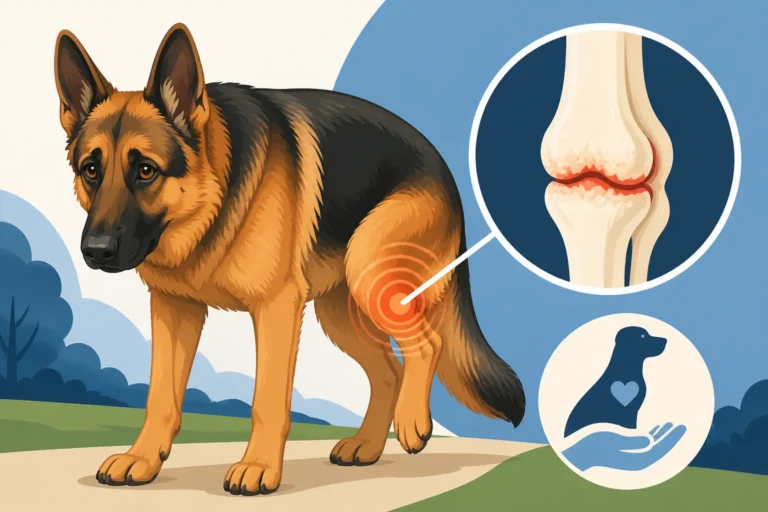
Arthritis, or osteoarthritis (OA), isn't just a natural part of aging for our German Shepherds; it's a progressive, painful condition where the cartilage cushioning their joints deteriorates. This leads to bone-on-bone friction, inflammation, and chronic pain. While it often becomes more apparent in a dog's senior years, the groundwork for arthritis can be laid much earlier in life, even during puppyhood. Understanding the root causes and risk factors is the first crucial step in prevention.
The Genetic Predisposition and Breed-Specific Issues
German Shepherds, as a breed, are unfortunately predisposed to several orthopedic conditions that significantly increase their risk of developing arthritis later in life. This isn't a flaw in their character, but rather a genetic reality we, as owners, need to be aware of and proactively manage. The most well-known culprit is German Shepherd Hip Dysplasia Explained, a condition where the hip joint doesn't form properly, leading to instability and eventual cartilage breakdown. Similarly, elbow dysplasia, another common issue, involves abnormal development of the elbow joint, causing pain and premature arthritis.
Even if your GSD doesn't show overt signs of lameness from these conditions in their youth, the subtle misalignments and chronic stress on the joints can silently pave the way for arthritis to emerge as they age. This is why thorough German Shepherd Genetic Health Testing is so incredibly important for any reputable breeder and for prospective owners to scrutinize. Knowing your dog’s genetic background and the health clearances of their parents can give you a significant head start in understanding their individual risk profile.
Environmental and Lifestyle Risk Factors
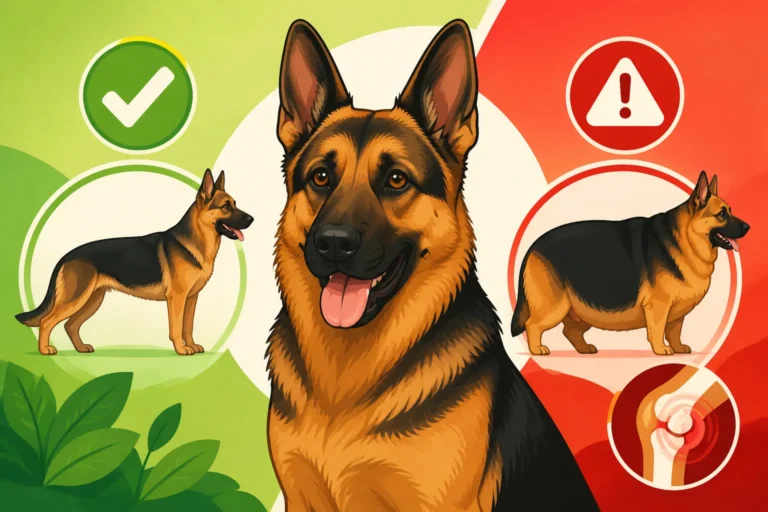
Beyond genetics, many environmental and lifestyle factors contribute heavily to the development and progression of arthritis in German Shepherds. Think of it like this: genetics might load the gun, but lifestyle pulls the trigger. One of the biggest offenders is obesity. Carrying excess weight puts an immense amount of additional strain on their joints, accelerating cartilage wear and increasing inflammation. It's not just about aesthetics; it's about biomechanics.
Improper exercise, especially during critical growth phases, also plays a huge role. Over-exercising a German Shepherd puppy, allowing them to jump excessively, or engaging in high-impact activities before their growth plates have closed can cause micro-traumas and abnormal joint development. Conversely, a lack of appropriate, regular exercise can lead to weak muscles that don't adequately support the joints, making them more vulnerable to injury and degeneration. Even the surfaces they walk and rest on can contribute, with hard, unforgiving surfaces being less forgiving than softer ground or supportive beds.
Building Strong Foundations: Puppyhood Prevention
The decisions you make and the care you provide during your German Shepherd’s puppy and adolescent years are absolutely foundational for their long-term joint health. This is a critical window where their bones, joints, and cartilage are rapidly developing, and small errors can have significant, lasting impacts. Thinking about prevention from day one is not overkill; it's responsible ownership.
Controlled Exercise and Growth Plate Protection
One of the biggest mistakes new German Shepherd owners make is thinking "more exercise is always better," especially for such an active breed. While GSDs need plenty of physical activity, the type and intensity of exercise must be carefully managed during their growth stages. Their growth plates, which are areas of soft, growing tissue at the ends of their long bones, don't fully close until around 12 to 18 months of age, sometimes even later for larger males. High-impact activities like aggressive fetch on hard surfaces, jumping off furniture or high places, and excessive running or forced long jogs can damage these fragile growth plates, leading to structural issues and increasing the risk of early-onset arthritis.
Instead, focus on short, frequent, controlled walks on varied, softer terrain like grass or dirt. Supervised playtime with other well-behaved puppies is excellent, as is mental stimulation that doesn't put stress on their developing joints. Consider activities like swimming, which is low-impact and builds muscle strength without concussive forces. Remember, a tired puppy doesn't always mean a healthy puppy. Prioritizing correct development over sheer exhaustion is key.
Optimal Nutrition for Growing Joints
Just like with exercise, a German Shepherd puppy’s diet plays a monumental role in healthy joint development. It's not about feeding the most expensive food, but the right food. Large breed puppy formulas are specifically designed to support the slower, more controlled growth that GSDs need to prevent orthopedic problems. These foods often have a carefully balanced calcium-to-phosphorus ratio and appropriate calorie levels to prevent puppies from growing too quickly, which can exacerbate conditions like hip and elbow dysplasia.
Overfeeding, even with a high-quality food, can lead to rapid weight gain and growth, putting undue stress on immature joints. Always follow the feeding guidelines on the bag, adjusting as necessary for your individual puppy's activity level and body condition, and consult your vet. Supplementation with joint-supporting ingredients like glucosamine and chondroitin is also an option, but it's crucial to discuss this with your veterinarian first, as excessive or inappropriate supplementation can sometimes do more harm than good in growing puppies. For more details on what to feed, check out our German Shepherd Puppy Feeding Schedule guide.
Lifelong Joint Care: Strategies for Adult and Senior German Shepherds
While puppyhood prevention is critical, preventing arthritis in German Shepherds is a lifelong endeavor. As your dog transitions into adulthood and then their golden years, the focus shifts to maintaining joint health, managing existing wear and tear, and mitigating the progression of any nascent arthritic changes. This involves a holistic approach encompassing diet, exercise, supplementation, and regular veterinary check-ups.
Maintaining a Healthy Weight
Hands down, one of the most impactful things you can do to prevent or slow the progression of arthritis in an adult German Shepherd is to maintain their ideal body weight. Every extra pound places additional stress on their joints, especially the hips, elbows, and spine. Even a slight increase in weight can significantly increase the load, accelerating cartilage breakdown and exacerbating inflammation. If you’ve ever experienced knee pain with even a few extra pounds, you can appreciate what a GSD feels carrying more than their ideal weight day in and day out.
Regularly assess your dog's body condition. You should be able to easily feel their ribs without pressing hard, and they should have a discernible waist when viewed from above, with an abdominal tuck when viewed from the side. If you're unsure, your vet can help you determine their ideal weight and create a feeding plan. This might mean adjusting portion sizes, choosing a lower-calorie food, or incorporating more low-calorie, healthy treats. This proactive approach significantly reduces the burden on their joints, a topic we cover in depth in German Shepherd Weight and Obesity Risks.
Appropriate and Consistent Exercise
For adult and senior German Shepherds, consistent, moderate exercise is paramount. It helps maintain muscle strength, which provides crucial support and stability for the joints. It also encourages the production of synovial fluid, the natural lubricating fluid within the joints. However, the type of exercise needs to be appropriate for their age and current joint health. High-impact activities or sudden bursts of intense movement are generally best avoided, especially as they get older or if they show any signs of discomfort.
Think about incorporating activities like brisk walking, controlled jogging on soft surfaces, and swimming. Swimming is particularly beneficial as it provides excellent cardiovascular exercise and muscle building without any joint impact. Short, frequent walks are often better than one long, strenuous outing. Pay close attention to your dog's cues; if they're limping, stiff, or unusually tired after exercise, it's a sign to scale back and consult your vet. Regular movement is good, but overdoing it can be detrimental. For more specific guidance, see our guide on German Shepherd Exercise Requirements.
Joint Supplements and Diet Enhancement
While a balanced diet is always the foundation, specific joint supplements can play a supportive role in preventing and managing arthritis. Common ingredients include glucosamine, chondroitin, MSM (methylsulfonylmethane), and Omega-3 fatty acids. Glucosamine and chondroitin are thought to help support cartilage health and repair, while MSM is often included for its anti-inflammatory properties. Omega-3s, particularly EPA and DHA found in fish oil, are powerful natural anti-inflammatories that can significantly reduce joint pain and improve mobility. Many owners find these supplements to be a cornerstone of their German Shepherd Joint Health Supplements routine.
Always choose high-quality supplements from reputable brands and discuss any new supplements with your veterinarian before introducing them. They can help you determine the appropriate dosage and ensure there are no contraindications with other medications or health conditions. Some excellent dog food brands also include these ingredients in their formulas, providing a foundational level of joint support. When choosing a diet for your German Shepherd, look for formulas that cater to large breeds and consider their specific age and activity level, as detailed in our guide on the Best Dog Food for German Shepherds.
Environmental and Lifestyle Adjustments for Joint Health
Preventing arthritis in your German Shepherd isn't just about what you feed them or how they exercise; it’s also about creating a home environment that supports their joint health and minimizes daily wear and tear. Small adjustments around the house can make a world of difference in protecting their joints over the long haul and in managing comfort if arthritis does begin to set in.
Providing Joint-Friendly Surfaces and Support
Consider the surfaces your German Shepherd spends most of their time on. Hardwood floors, tile, and concrete can be tough on joints, offering little shock absorption and making it easy for them to slip, which can lead to strains or injuries. Placing rugs or runners in high-traffic areas can provide better traction and cushioning. If your dog has a favorite resting spot, ensure it's equipped with an orthopedic dog bed. These beds offer superior support, conforming to their body and relieving pressure points, which is invaluable for dogs prone to joint issues.
Making stairs safer can also involve adding non-slip treads, or even restricting access to certain staircases if possible, especially for older or arthritic dogs. Ramps are another excellent investment, particularly for getting into and out of cars, or for navigating a few steps onto a porch. Avoiding unnecessary jumping from elevated surfaces, like beds or couches, can prevent concussive forces on their joints. Think about how you can reduce impact in their daily life.
Regular Veterinary Check-ups and Early Intervention
One of the most powerful tools in your arthritis prevention arsenal is regular veterinary care. Your veterinarian is your partner in monitoring your German Shepherd’s health and can identify subtle signs of joint discomfort or changes that you might miss. During routine check-ups, they can perform physical examinations to assess joint mobility, palpate for pain or swelling, and monitor your dog’s weight and overall condition. Early detection is key, as it allows for interventions to begin sooner, potentially slowing the progression of the disease.
Your vet might recommend annual or biennial X-rays, especially if your GSD has a history of hip or elbow dysplasia, to keep an eye on joint changes. They can also advise on appropriate preventative care, diet adjustments, and the most suitable joint supplements based on your dog's individual needs and risk factors. Should preventative measures not fully succeed and arthritis begin, having a good pet insurance policy, like one from Healthy Paws, can be incredibly beneficial for covering diagnostic tests, medications, and therapeutic treatments that can become costly over time. Knowing that you're prepared for potential expenses can alleviate a lot of stress.
Innovative Therapies and Proactive Treatments
The field of veterinary medicine is constantly evolving, and there are now many proactive therapies available that can help support joint health and potentially delay the onset of arthritis. These aren't just for dogs already suffering from severe arthritis; some can be integrated into a preventative or early intervention plan. Options include therapies like laser therapy, which can reduce inflammation and promote healing, or even acupuncture, which many owners find beneficial for pain management and improving mobility.
Another increasingly popular option is therapeutic exercises and hydrotherapy (under the guidance of a certified canine rehabilitation therapist). These targeted exercises build supporting muscle mass around the joints in a controlled, low-impact manner. For more advanced preventative or early intervention strategies, your vet might discuss options like disease-modifying osteoarthritis drugs (DMOADs) such as Adequan, which can help protect cartilage and improve joint fluid quality. Even considering pet insurance from a provider like Healthy Paws when your German Shepherd is young can ensure that you have financial support for these kinds of advanced, proactive treatments should they become necessary.
Comprehensive Prevention Strategies at a Glance
To summarize the key preventative actions for German Shepherd arthritis, here’s a helpful table outlining what to focus on at different life stages.
| Life Stage | Key Preventative Actions | Specific Recommendations |
|---|---|---|
| Puppy (0-18 mo) | Controlled Growth & Joint Protection | – Large breed puppy food to prevent rapid growth |
| – Limit high-impact activities (jumping, long runs) | ||
| – Focus on short, frequent, controlled walks on soft surfaces | ||
| – Provide soft, supportive sleeping areas | ||
| Genetic Awareness | – Choose a puppy from health-tested parents (OFA/PennHIP clearances) | |
| Adult (1.5-7 yrs) | Weight Management & Muscle Maintenance | – Maintain ideal body weight; adjust food portions as needed |
| – Consistent, moderate exercise (walking, swimming, light jogging) | ||
| – Introduce joint supplements (glucosamine, chondroitin, Omega-3s) under vet guidance | ||
| Environmental Optimization | – Use non-slip rugs on hard floors | |
| – Invest in orthopedic dog beds | ||
| Proactive Healthcare | – Regular vet check-ups; consider early X-rays if predisposed | |
| Senior (7+ yrs) | Pain Management & Continued Support | – Continue strict weight management |
| – Gentle, regular exercise (short walks, swimming) | ||
| – Continue joint supplements; explore advanced options like Adequan, laser therapy | ||
| – Ensure easy access around the home (ramps for cars/stairs) | ||
| Comfort & Quality of Life | – Prioritize soft, warm bedding; consider raised bowls if comfortable | |
| – Keep nails trimmed to aid balance and gait | ||
| – Consult vet for pain management strategies (German Shepherd Arthritis Management at Home) |
Prevention is truly the best medicine when it comes to keeping your German Shepherd's joints healthy. By being diligent and proactive from puppyhood through their senior years, you can significantly reduce their risk of developing debilitating arthritis and help them lead a more comfortable, active life. Remember that managing their overall health, as detailed in our comprehensive How to Keep a German Shepherd Healthy guide, directly contributes to robust joint health.
Disclaimer
The information provided in this article is for general informational purposes only and is not intended as a substitute for professional veterinary advice. Always seek the advice of your veterinarian or other qualified animal health provider with any questions you may have regarding a medical condition or treatment for your German Shepherd.