Silver German Shepherd: What to Know
It's completely understandable if you've ever seen a stunning Silver German Shepherd and wondered, "Is that even a real German Shepherd?" Their unique, almost ethereal coat can lead to a lot of questions and sometimes even misinformation. Many potential owners or admirers become frustrated trying to figure out if this specific color means special health issues, a different temperament, or if they're just a fancy-looking variant. This comprehensive guide is here to clear up all those mysteries, helping you understand everything there is to know about the magnificent Silver German Shepherd, ensuring you're well-informed whether you're just curious or looking to welcome one into your home.
What Exactly is a Silver German Shepherd?
When you first lay eyes on a Silver German Shepherd, it's easy to be captivated. Their coats can range from a light, almost frosty gray to a deeper, more muted charcoal, often with lighter cream or tan markings. Unlike some other "rare" colors that might suggest a different breed or mixed parentage, the silver German Shepherd is unequivocally a purebred German Shepherd. Their striking appearance is simply a natural genetic variation within the breed's established color palette. They carry all the same traits, heritage, and potential that any other German Shepherd does, just with a uniquely beautiful coat.
The Genetics Behind the Silver Coat
The silver color in German Shepherds isn't some mystical anomaly; it's the result of a dilution gene, specifically the "d" locus gene. This gene dilutes the black pigment in the dog's coat, turning what would normally be black hair into a gray, or silver, hue. If a German Shepherd carries two copies of this recessive dilution gene (dd), any black in their standard black and tan, black and red, or sable coat will be lightened to silver or blue. The tan or red portions of their coat might also appear lighter, often a pale cream or even a washed-out fawn, creating that distinctive silver and cream/tan appearance. It's not a separate breed or a designer dog; it's simply a beautiful expression of their genetic makeup.
For example, a traditional black and tan German Shepherd has dominant genes for black pigment. A silver German Shepherd still has those same base genes for black and tan, but the dilution gene acts like a dimmer switch, fading the black to silver. This means a silver dog could essentially be a "diluted black and tan" or "diluted sable," giving them their characteristic look. Understanding this genetic basis helps dispel any myths that silver dogs are somehow "lesser" or "different" in breed purity.
Distinguishing Silver from Other Light Colors
It's easy to confuse silver German Shepherds with other light-colored variations, but there are subtle differences to look for. "Blue" German Shepherds also carry the dilution gene, but their black pigment is diluted to a steel gray or bluish-gray, often appearing quite dark in comparison to silver. White German Shepherds, on the other hand, carry an entirely different recessive gene that suppresses all pigment in the coat, resulting in a solid white appearance. Their skin pigment (nose, paw pads) is usually black, which differentiates them from albinos.
Silver German Shepherds typically have a lighter overall appearance than blues, with a distinctly silvery sheen in good lighting, especially on their back and saddle areas. Their lighter markings can range from a very pale cream to a light tan, blending seamlessly with the silver. A good way to tell the difference is often in the paw pads and nose; while blue German Shepherds often have slate-gray noses and pads, a true silver will usually have a black nose and darker paw pads, depending on the exact genetic modifiers. It's a spectrum, of course, but appreciating these nuances helps you truly appreciate the specific beauty of a silver coat.
Is it a "True" German Shepherd? Yes, Absolutely!
Let's put this common question to rest right away: yes, the Silver German Shepherd is a 100% purebred German Shepherd. There's a persistent misconception, often fueled by folks unfamiliar with the breed's genetic diversity, that any color other than the traditional black and tan isn't "standard" or is somehow a mixed breed. However, the German Shepherd Dog breed standard recognizes a wide range of colors, and silver is simply one of the many beautiful variations that can occur naturally. These dogs are descended from the same lines, possess the same incredible intelligence, loyalty, and working drive as their black and tan, sable, or solid black counterparts.
Thinking of it simply, a human with red hair is still a human, right? The same principle applies here. The color of their coat has no bearing on their pedigree or their breed characteristics. So, if you're ever worried that a silver GSD isn't a "real" one, you can rest assured that they are indeed true members of this remarkable breed, deserving of all the admiration and respect given to any other German Shepherd. For more on the breed's overall traits, you might want to read our guide on the German Shepherd Breed Guide.
Temperament and Characteristics of the Silver German Shepherd
One of the most comforting things to know about the Silver German Shepherd is that their coat color has absolutely no bearing on their personality or typical German Shepherd traits. This means that if you're familiar with the breed's reputation for intelligence, loyalty, and versatility, you can expect the same from a silver-coated individual. They are still the same devoted companions, eager learners, and protective guardians that have made German Shepherds one of the most beloved dog breeds worldwide.
Color Does Not Dictate Personality
It's a common myth that "rare" colored dogs have different temperaments or are more prone to certain behavioral quirks. This simply isn't true for the Silver German Shepherd. Their silver coat is a purely aesthetic trait, a result of recessive genes, and it doesn't influence their brain chemistry or genetic predisposition for behavior. A silver GSD will be just as intelligent, alert, confident, and eager to please as a standard black and tan GSD, or a sable, or a solid black one. Any variations in temperament are due to individual genetics, early socialization, training, and the environment they grow up in, not their coat color.
So, if you encounter a shy or overly boisterous silver German Shepherd, it's not because they are silver. It's because they are an individual dog, and just like people, dogs have unique personalities shaped by a multitude of factors. Always evaluate a dog on their individual merits and background, rather than making assumptions based on superficial traits like coat color. Their incredible minds and loyalty are what truly define them, regardless of the shade of their fur.
Common German Shepherd Traits
Regardless of their specific coloring, German Shepherds share a core set of traits that make them unique. They are known for their unwavering loyalty and deep bond with their families, often forming a strong connection with one primary caretaker, though they are usually affectionate with everyone in their household. Their intelligence is legendary, making them highly trainable and capable of learning complex commands and tasks quickly. This also means they need significant mental stimulation to prevent boredom and destructive behaviors. Puzzle toys, training sessions, and interactive games are key to keeping their brilliant minds engaged.
Beyond their intellect, German Shepherds possess a strong protective instinct, making them excellent natural guardians for their homes and families. They can be aloof with strangers, taking their time to assess new people or situations, but are rarely inherently aggressive if properly socialized. Their high energy levels mean they thrive on regular, vigorous exercise, whether it's long walks, runs, agility training, or a good game of fetch in the yard. Understanding these inherent traits is crucial for any potential owner, regardless of whether you're bringing home a silver, black, or sable pup. If you're wondering about their typical disposition, our guide on German Shepherd Temperament and Personality offers a deeper dive.
Training and Socialization Needs
Because Silver German Shepherds share the same genetic blueprint as all other German Shepherds, their training and socialization needs are identical. This means that early, consistent, and positive reinforcement-based training is paramount from the moment you bring your puppy home. German Shepherds are smart and eager to please, but they are also powerful dogs with strong instincts, so clear boundaries and leadership are essential. Starting with basic obedience commands like "sit," "stay," "come," and "down" is fundamental. As they grow, you can explore more advanced training, given their high intelligence. Our German Shepherd Puppy Training Guide has excellent resources for getting started.
Socialization is equally, if not more, critical. Exposing your silver German Shepherd puppy to a wide variety of sights, sounds, people, and other friendly dogs from a young age helps them grow into a well-adjusted, confident adult. Without proper socialization, their natural protective instincts can manifest as fear or aggression towards new experiences, which can be challenging to manage in a large, powerful breed. Regular exposure to different environments, from city parks to quiet trails, helps them understand the world isn't a threat and that new experiences can be positive.
Health and Care Considerations for Silver German Shepherds
When it comes to the health of a Silver German Shepherd, the good news is that their coat color doesn't make them inherently more susceptible to specific illnesses or conditions compared to any other German Shepherd. They are, however, still German Shepherds, and as such, they share the breed's general predispositions to certain health issues. Being informed about these potential concerns and understanding the comprehensive care they require is vital for ensuring your silver companion lives a long, healthy, and happy life.
General German Shepherd Health Concerns
German Shepherds, as a breed, are known for certain hereditary health conditions that prospective owners should be aware of. The most widely recognized are hip and elbow dysplasia, painful degenerative joint diseases that can severely impact a dog's mobility and quality of life. Other significant concerns include Degenerative Myelopathy (DM), a progressive neurological disease affecting the spinal cord, and Bloat (Gastric Dilatation-Volvulus or GDV), a life-threatening condition where the stomach twists. They can also be prone to certain allergies, both environmental and food-related, and conditions like Exocrine Pancreatic Insufficiency (EPI).
It's crucial to understand that these conditions are tied to the breed's overall genetic pool, not to a specific coat color. Therefore, a silver German Shepherd is just as likely (or unlikely, with good breeding practices) to develop these issues as a black and tan or sable GSD. This is why choosing a reputable breeder who conducts thorough health testing on their breeding stock is paramount. They should screen for hip and elbow dysplasia through certifications like OFA or PennHIP, and for DM through DNA testing. You can learn more about specific health challenges in our German Shepherd Health Problems Guide and German Shepherd Hip Dysplasia Explained.
Coat Care for the Silver German Shepherd
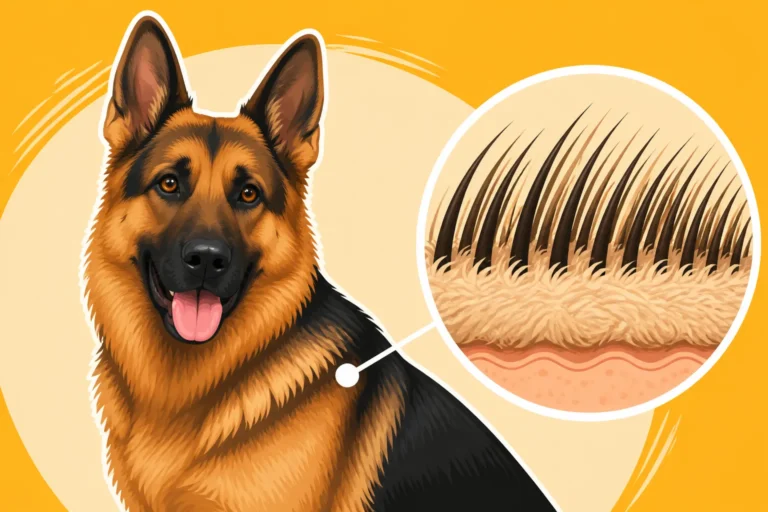
The silver coat, while striking, doesn't require any extraordinary care beyond what you'd provide for any double-coated German Shepherd. They have a dense undercoat and a coarser outer coat, both of which are designed to protect them from the elements. This beautiful double coat does come with a caveat: German Shepherds are notorious for shedding! They typically "blow their coat" twice a year, usually in spring and fall, during which shedding can be quite heavy. However, some degree of shedding is constant year-round.
Regular brushing, at least 2-3 times a week (and daily during shedding seasons), is essential to manage loose fur, prevent matting, and keep their skin healthy. A slicker brush, an undercoat rake, and a de-shedding tool can be invaluable. Bathing should be done as needed, typically every 2-3 months or when they get particularly dirty, using a high-quality dog shampoo designed for double coats. Over-bathing can strip natural oils, leading to dry skin and irritation. Beyond the coat, don't forget regular nail trims and ear cleanings to keep your GSD in top condition. Our article on How to Groom a German Shepherd provides detailed steps.
Nutrition for Optimal Health
Proper nutrition is the cornerstone of health for any German Shepherd, including those with silver coats. Given their size, energy levels, and predispositions to joint issues, a high-quality diet specifically formulated for large breeds is essential. Look for dog foods with real meat as the first ingredient, healthy fats (like omega fatty acids for skin and coat), and appropriate levels of protein and carbohydrates. Avoid foods with excessive fillers, artificial colors, or by-products. The precise amount to feed will depend on your dog's age, weight, activity level, and metabolism, so always follow the guidelines on the food packaging and consult your veterinarian.
Many German Shepherd owners find success with brands that offer large breed specific formulas, like those available on Chewy, which often contain joint-supporting ingredients like glucosamine and chondroitin. For puppies, a large breed puppy formula is critical to support slow, healthy growth and minimize the risk of developmental orthopedic issues. As they age, senior formulas can provide targeted support for joint health and weight management. Maintaining a healthy weight is crucial to prevent added stress on their joints, especially for a breed prone to hip and elbow dysplasia. You can explore options in our guide to the Best Dog Food for German Shepherds.
Here's a quick comparison of common GSD coat colors and their key characteristics:
| Coat Color Variant | Description | Genetic Basis | Temperament Impact | Health Impact | Common Misconceptions |
|---|---|---|---|---|---|
| Silver | Black pigment diluted to gray/silver; tan/red markings often appear pale/cream. | Recessive dilution gene (dd) acts on black pigment. | None | None | "Not a true GSD," "more aggressive/shy," "less healthy." |
| Black & Tan/Red | Classic saddle pattern with rich black and tan/red markings. | Dominant black (E) and standard tan (a) genes. | None | None | Often seen as the "only" true GSD color. |
| Sable | Each hair has bands of different colors (typically black, tan, grey). | Dominant Agouti gene (Ay) allows banded hairs. | None | None | Sometimes thought to be "wilder" due to wolf-like look. |
| Solid Black | Uniform black coat with no lighter markings. | Recessive gene for solid black (aa). | None | None | Thought to be "more protective" or "fierce." |
| White | Solid white coat; black nose, lips, paw pads. | Recessive gene that inhibits pigment expression. | None | None | Often confused with albinism, thought to be prone to deafness/blindness. |
| Blue | Black pigment diluted to a steel gray/bluish hue; often with lighter markings. | Recessive dilution gene (dd) acts on black pigment. | None | None | "Not a true GSD," "sickly," "weak." |
Finding a Silver German Shepherd: What You Need to Know
If you're convinced a Silver German Shepherd is the right companion for you, the next step is finding one responsibly. It's an exciting journey, but one that requires diligence and careful consideration. Because of their unique color, silver GSDs can sometimes be targeted by unscrupulous breeders who prioritize appearance over health and temperament. Your focus should always be on finding a healthy, well-socialized puppy from a breeder dedicated to the welfare of the breed, regardless of coat color.
Reputable Breeders vs. Color Chasers
When searching for a Silver German Shepherd, the most critical advice is to seek out a reputable breeder. A responsible breeder will prioritize the health, temperament, and conformity to the breed standard above all else, including specific coat colors. They will be transparent about their breeding practices, openly share health clearances for both parent dogs (such as OFA or PennHIP certifications for hips and elbows, and DNA tests for DM), and welcome questions about their dogs' lineage and care. They will also typically have a waiting list, interview prospective owners thoroughly, and provide a health guarantee.
Beware of "color chasers" or "designer breeders" who specifically advertise "rare silver German Shepherds" and charge exorbitant prices based solely on the coat color. These individuals often breed for aesthetics without proper health testing or consideration for temperament, potentially perpetuating genetic health problems. A truly good breeder will focus on producing healthy, well-tempered dogs first, and a silver coat will simply be a pleasant genetic outcome, not the primary goal. You can find more tips in our guide on How to Choose a German Shepherd Breeder.
Understanding Price and Availability
Due to the perception of "rarity" and increased demand for unique colors, Silver German Shepherds might sometimes come with a higher price tag than their more common colored counterparts. However, as mentioned, a reputable breeder won't necessarily inflate prices solely for color. The cost of a German Shepherd puppy typically reflects the breeder's investment in health testing, quality care for the breeding dogs and puppies, proper nutrition, and early socialization. Expect the general range for a well-bred German Shepherd to be consistent, regardless of minor color variations.
Availability can also vary. Since the silver gene is recessive, not every litter will produce silver puppies, even if both parents carry the gene. This means you might need to be patient and potentially wait for the right litter from a responsible breeder. Don't be tempted to cut corners or rush into purchasing a puppy from a questionable source just to get a specific color sooner. Patience pays off when it comes to bringing a healthy, well-adjusted companion into your life. For a general understanding of costs, check out German Shepherd Puppy Price Explained.
Adoption as an Option
While many people seek out specific colors from breeders, don't overlook the wonderful option of adoption. German Shepherd rescues and shelters across the country often have purebred German Shepherds, sometimes even silver ones, looking for their forever homes. These dogs might be adults, puppies, or seniors, and they come from a variety of backgrounds. Adopting not only gives a deserving dog a second chance but can also be a more cost-effective option than purchasing from a breeder.
Rescue organizations typically vet their dogs thoroughly, providing medical care, temperament assessments, and often some basic training before placing them. They also often provide ongoing support. While you might not be able to guarantee a silver puppy, keeping an eye on local German Shepherd rescues or breed-specific listings on national adoption sites like Petfinder or Chewy's adoption section (if they have one) can lead you to your perfect silver companion. Adopting an adult dog can also mean bypassing some of the intensive puppy training stages, which can be a huge bonus for busy families. Consider reading about German Shepherd Adoption vs Buying to weigh your options.
Disclaimer
This article is for general informational purposes only and does not constitute professional advice. Laws, prices and regulations vary by location and change over time. Consult a qualified professional for guidance on your specific situation.