Is a Sable German Shepherd a Real German Shepherd
One of the most common questions new German Shepherd enthusiasts or even seasoned owners get is about coat colors that aren't the classic black and tan. There's a persistent myth out there that if a German Shepherd isn't the familiar "saddleback" pattern, it's somehow not a "real" German Shepherd. This couldn't be further from the truth, especially when it comes to the stunning sable German Shepherd. This guide will dive deep into what makes a sable GSD distinct, how they fit perfectly within the breed standard, and why any doubts about their authenticity are simply unfounded.
Understanding German Shepherd Coat Colors
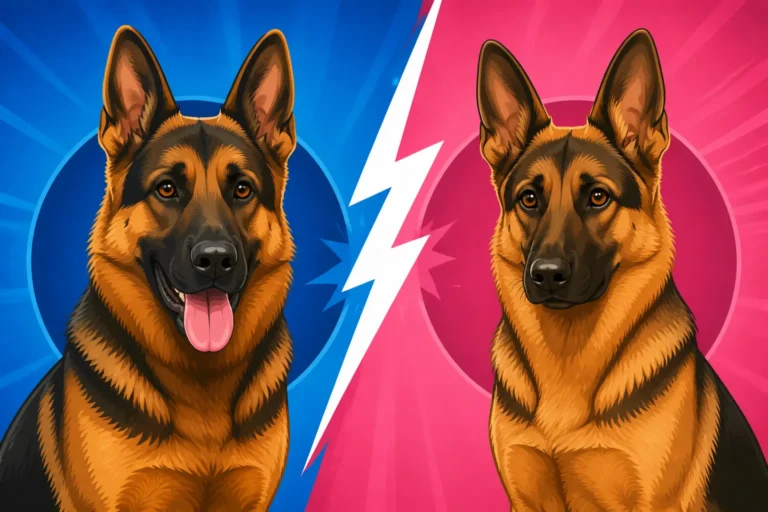
When you picture a German Shepherd, chances are you're envisioning that iconic black and tan pattern, often called a "saddleback." It's the image most commonly used in media, advertisements, and even many people's personal experiences with the breed. This widespread familiarity has unfortunately led to a narrow perception of what a German Shepherd "should" look like, causing confusion and sometimes even prejudice against other perfectly legitimate and beautiful color variations.
The Range of Accepted German Shepherd Colors
The truth is, the German Shepherd breed boasts a surprisingly diverse palette of coat colors, all of which are recognized and cherished by breed enthusiasts and official kennel clubs worldwide. Beyond the ubiquitous black and tan, you'll find striking solid blacks, which often look incredibly regal and powerful. There are also bi-colors, where the dog is predominantly black with smaller tan or red markings on their legs, chest, and face, looking almost like an inverted saddleback. Then you have the rich black and red, which is similar to black and tan but with a much deeper, more vibrant red pigment in place of the tan.
Many people, especially those new to the breed, are often surprised to learn about these variations. It's not uncommon to hear someone at the dog park exclaim, "Wow, I've never seen a German Shepherd like that!" when they encounter a solid black or a sable dog. This limited exposure is often the root cause of the "is it real?" questions. The breed standard, which we'll discuss in more detail shortly, explicitly allows for a multitude of colors, each with its own unique charm. It's a testament to the breed's genetic diversity and beauty.
What Makes a Sable German Shepherd Unique
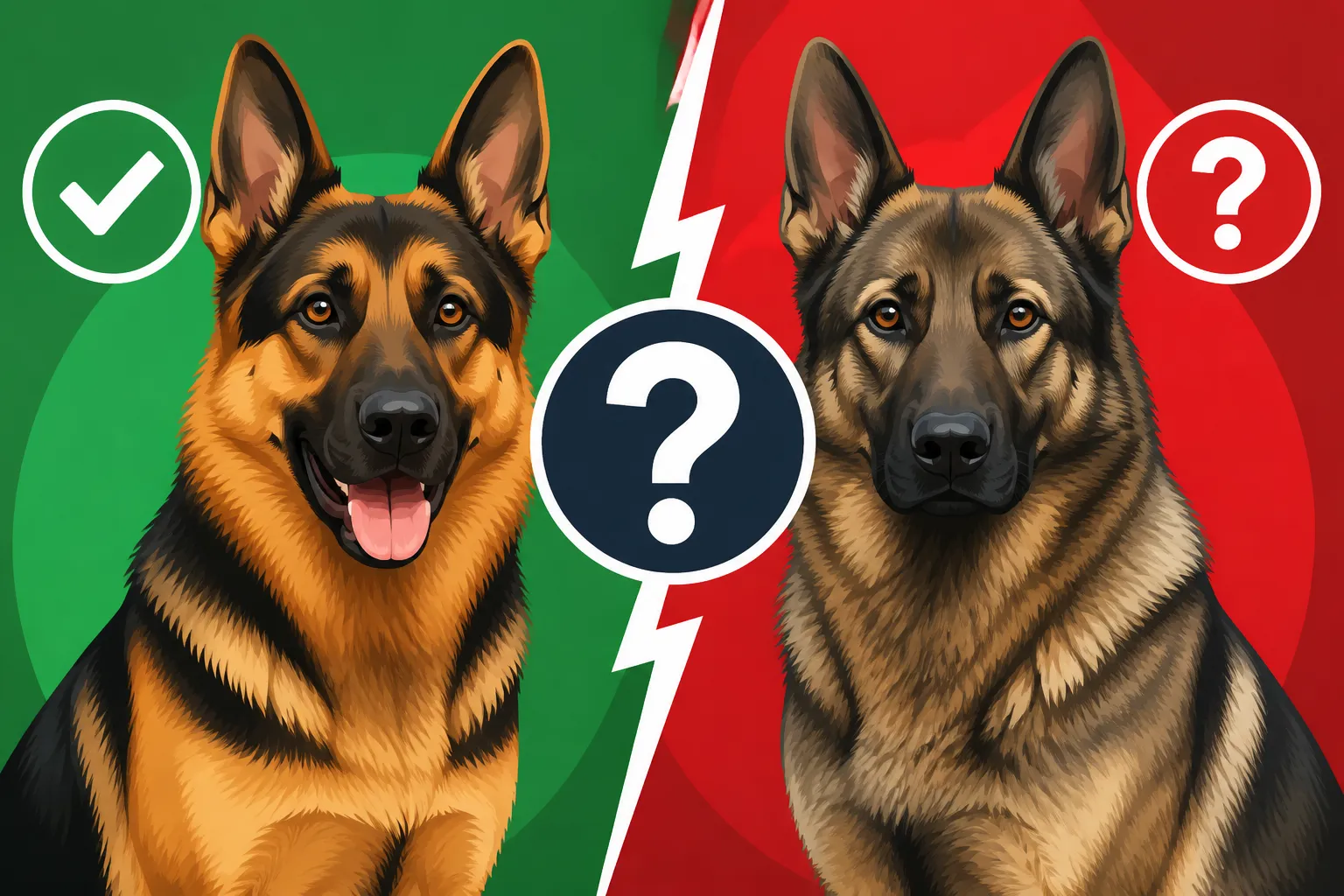
Now, let's talk about the magnificent sable German Shepherd. A sable coat is distinctly different from a solid color or a bi-color pattern. What defines a sable is that each individual hair on the dog's body is banded with multiple colors. Imagine a single strand of hair: it starts light at the root, transitions through shades of fawn or grey, and then darkens significantly towards the tip, often ending in black. This multi-banded effect gives the dog a grizzled, shaded, or "agouti" appearance, making their coat incredibly dynamic and rich.
The overall appearance of a sable GSD can vary dramatically depending on the intensity and distribution of these banded hairs. You might see light sables, where the lighter colors are more dominant, giving them a softer, almost greyish hue. Then there are dark sables, which have a much heavier overlay of black tips, making them appear very dark and often quite dramatic. Some sables are described as "grey sable" or "red sable," indicating the underlying base color. This intricate layering of color on each hair is what gives the sable its depth and unique texture. It's caused by the agouti gene, which controls the distribution of pigment along each hair shaft.
One of the most fascinating aspects of sable German Shepherds is how their color can change over time. A sable puppy might look almost solid black, or a muted grey-brown, only for their true sable pattern to emerge and intensify as they mature. This transformation can be quite surprising for first-time sable owners, as the dog's coat seems to evolve before their eyes, revealing stunning shades and patterns that weren't visible in their younger weeks. This evolving beauty adds to the mystique and appeal of the sable coat. You can learn more about German Shepherd Coat Colors Explained and how they develop.
Sable German Shepherds and Breed Standards
The German Shepherd Dog has a very specific and well-documented breed standard, established by clubs like the German Shepherd Dog Club of America and the original German organization, the Verein für Deutsche Schäferhunde (SV). These standards meticulously outline everything from desirable temperament and conformation to acceptable coat colors.
The German Shepherd Breed Standard on Color
When it comes to coat color, the official breed standard for German Shepherds is quite clear and inclusive. Sable is not just an accepted color; it's a historically significant one, often associated with the breed's origins and working lines. The standard typically states that strong, rich colors are preferred, and that most colors are permissible, with the exception of solid white, which is often a disqualification in the conformation ring (though white German Shepherds are still purebreds with a distinct history).
Sable is unequivocally listed as an acceptable color within these breed standards. This means that a sable German Shepherd is just as "real" and purebred as a black and tan one, provided they meet all other criteria for conformation, health, and temperament. In fact, many dedicated breeders, particularly those focusing on working lines, specifically breed for or often produce sables, recognizing their historical significance and the fact that coat color has no bearing on a dog's ability to perform its duties. Whether a dog is performing in protection sports, herding, or as a search and rescue dog, its sable coat is an admired characteristic, not a detractor. For a comprehensive overview of the breed, check out our German Shepherd Breed Guide.
Why the "Not Real" Myth Persists
So, if sable is clearly recognized, why does the myth of them "not being real German Shepherds" persist? There are a few likely reasons:
- Media Portrayal: As mentioned, the classic black and tan saddleback is the default image in movies, TV shows, and advertising. This creates a public perception that this is the only correct look for a German Shepherd.
- Rarity (Perceived): While not truly rare in the overall breed, sables might be less common in certain regions or among casual breeders who focus solely on the "traditional" look. People are simply less likely to encounter them, leading to unfamiliarity. This is different from truly Rare German Shepherd Colors like blue or liver, which are genetic dilutions.
- Misinformation: Unfortunately, sometimes less reputable breeders or uninformed individuals might spread incorrect information. They might emphasize "rare" colors (like blue or liver, which are actually genetic dilutions that some breed standards consider undesirable for certain reasons) or dismiss colors they are less familiar with.
- Show Ring Focus: While sables are perfectly acceptable in the show ring, the aesthetic preference for the clear black and tan pattern in some show lines might lead some to believe other colors are less desirable, even if the standard allows them. However, in working dog competitions, sable dogs are incredibly prevalent and successful.
It's crucial for prospective owners to understand that a dog's coat color is a superficial trait and says absolutely nothing about its genetic purity, health, temperament, or intelligence. When choosing a German Shepherd, these core characteristics should always take precedence over the shade of its fur.
| Coat Color / Type | Description | Common Perception | Is it a "Real" GSD? |
|---|---|---|---|
| Black and Tan | Classic saddleback pattern with tan/red points. | The standard, iconic German Shepherd. | Yes |
| Sable | Each hair is multi-banded, creating a grizzled, shaded appearance. | Often questioned due to less public visibility; sometimes thought of as a mix. | Yes |
| Bi-color | Mostly black body with tan points on legs/face, less distinct saddle. | Recognized, but distinct from the typical black & tan. | Yes |
| Solid Black | Entirely black coat, no other markings. | Recognized, often seen as very striking. | Yes |
| Solid White | Entirely white coat. | Often mistaken for albinism or not purebred, but is genetically distinct. | Yes |
Characteristics and Traits of Sable German Shepherds
Beyond their undeniably beautiful coats, what else can you expect from a sable German Shepherd? The answer is simple: everything you'd expect from any other German Shepherd! Coat color does not dictate personality or abilities.
Temperament and Working Ability
Sable German Shepherds embody all the classic traits that make the breed so beloved and respected. They are renowned for their intelligence, making them highly trainable and eager to please. Their loyalty is legendary; they often form incredibly strong bonds with their families and can be fiercely protective. These dogs are confident, courageous, and possess a strong work ethic, which is why they excel in so many roles, from police and military work to search and rescue, service dog tasks, and various dog sports.
Because sable coats are so prevalent in German Shepherd working lines, there's a common, but incorrect, assumption that sables are inherently more "high-drive" or "working-oriented" than other colors. While it's true that many working line GSDs happen to be sable, it's not the color that makes them that way. It's the intentional breeding for specific temperaments, drives, and physical capabilities. A black and tan German Shepherd from a strong working line will have the same drives and temperament as a sable from the same lineage. Conversely, a sable from a long line of pet-quality dogs might have a lower drive than a black and tan from a top working kennel. If you're looking into specific traits, reading about German Shepherd Temperament and Personality can give you a deeper understanding, and our article on Working Line vs Show Line German Shepherd delves into the differences in breeding focus.
Ultimately, regardless of coat color, a German Shepherd's temperament and working ability are determined by its genetics (the specific parents and their lineage), early socialization, and consistent training. A sable GSD, just like any other GSD, thrives on purpose, mental stimulation, and being an integrated part of the family.
Care and Grooming Considerations for Sable Coats
Caring for a sable German Shepherd is no different than caring for a German Shepherd of any other color. They all share the same defining characteristic: that magnificent, dense double coat. This coat is designed to protect them from the elements, whether it's scorching sun or freezing cold.
This means you'll need to be prepared for shedding, which is a year-round affair but intensifies during their "blow coat" seasons, typically in spring and fall. Regular brushing is paramount to manage this shedding, prevent matting, and keep their skin healthy. A good quality slicker brush, an undercoat rake, and a de-shedding tool will be your best friends. You can find excellent options for all these grooming essentials on Chewy, which makes it easy to stock up on everything you need. While their unique banded hairs might seem more intricate, the grooming routine is identical to that of any other German Shepherd. How to Groom a German Shepherd goes into more detail, and our guide on German Shepherd Shedding: How to Manage It will help you prepare for the fluffy avalanche.
Bathing should be done as needed, typically every few months or when your dog gets particularly dirty, using a high-quality shampoo formulated for dogs. Over-bathing can strip their natural oils and lead to skin issues. Beyond coat care, remember that their diet plays a huge role in the health and shine of their fur. Feeding a balanced, high-quality dog food appropriate for large breeds will support not only their coat but their overall well-being. Regular nail trims, ear cleaning, and dental care are also essential for all German Shepherds, regardless of their coat color.
Finding a Reputable Breeder for Sable German Shepherds
If the unique beauty of a sable German Shepherd has captured your heart, the next crucial step is finding a reputable breeder. This is vital, not just for sables, but for any German Shepherd puppy, to ensure you're bringing home a healthy, well-socialized companion.
Prioritizing Health Over Color
The most important advice when seeking any German Shepherd puppy, including a sable, is to prioritize health and temperament above all else. While the color is visually appealing, it means absolutely nothing if the dog has significant health issues or an unstable temperament. German Shepherds, unfortunately, are prone to certain genetic conditions, most notably hip and elbow dysplasia, and degenerative myelopathy (DM).
A reputable breeder will be transparent about the health testing performed on both parent dogs. They should provide proof of certifications from organizations like the Orthopedic Foundation for Animals (OFA) for hips and elbows, and DNA test results for DM. They should be able to explain their breeding philosophy, why they chose that particular sire and dam, and what traits they are aiming to produce in their puppies. Don't be shy about asking tough questions. A good breeder welcomes them. Our article on German Shepherd Genetic Health Testing provides a deeper dive into what tests to look for.
Never choose a breeder who focuses solely on "rare" colors or emphasizes color over the fundamental aspects of health, temperament, and adherence to the overall breed standard. A truly ethical breeder will be happy to show you their facilities, introduce you to the parent dogs (at least the mother), and answer any questions you have about their lines. They care deeply about where their puppies go and will likely have many questions for you too! For more guidance, check out How to Find a Reputable German Shepherd Breeder.
What to Look for in a Breeder
When you're searching for a sable German Shepherd, here's a checklist of what to look for in a breeder:
- Health Clearances: Insist on seeing official certifications for hips, elbows, and DM status for both parents. Don't just take their word for it.
- Temperament: Observe the parent dogs' temperaments (especially the mother). Are they friendly, confident, and well-adjusted? Are they fearful or aggressive?
- Transparency: A good breeder will be open and honest, answering all your questions, showing you where the puppies are raised, and providing references.
- Socialization: Puppies should be raised in a stimulating environment and have received early socialization to sights, sounds, and gentle handling.
- Support: A responsible breeder offers lifetime support and takes back any dog they've bred if the owner can no longer care for it, for any reason.
- Contract: Expect a written contract that outlines health guarantees, spay/neuter clauses (for pet homes), and conditions for returning the dog if needed.
- No "Pick Your Color" Mentality: Beware of breeders who let you pick a puppy based solely on color or appearance. A good breeder will match puppies to families based on temperament and lifestyle, ensuring the best fit.
While you're talking to breeders, ask them about the best food for puppies and adult German Shepherds. Many will have specific recommendations for large-breed formulas, and you can easily find these high-quality brands and other essential supplies like crates, leashes, and toys on Chewy, often with convenient delivery straight to your door. This makes preparing for your new puppy much simpler. Be wary of any German Shepherd Breeder Red Flags that might indicate a less-than-reputable operation. Always prioritize the well-being of the dog over the immediate gratification of a specific look or "deal." Remember, bringing a German Shepherd into your home is a significant commitment, and starting with a healthy, well-bred puppy is the best foundation for a long, happy life together. It's a key step in knowing How to Keep a German Shepherd Healthy throughout its life.
Disclaimer
This article is for general informational purposes only and does not constitute professional advice. Laws, prices and regulations vary by location and change over time. Consult a qualified professional for guidance on your specific situation.