German Shepherd Growth Chart by Age
It's completely natural to watch your German Shepherd puppy grow and wonder if they're hitting all their developmental milestones at the right time. There’s a lot of conflicting information out there, and it can be worrying to compare your pup to others. This guide will walk you through a detailed German Shepherd growth chart by age, breaking down what to expect in terms of weight and height, helping you understand the factors that influence their development, and giving you peace of mind that your beloved companion is growing up healthy and strong.
Understanding the German Shepherd Growth Journey
Bringing home a German Shepherd puppy is an exciting time, and it feels like they transform almost daily! Their growth isn't just about getting bigger; it's a complex process involving bone development, muscle growth, and neurological maturation. Understanding these stages can help you provide the best care, from appropriate nutrition to safe exercise, preventing many common issues that can arise if their growth isn't properly supported. We want them to develop those strong, agile bodies they’re known for, without putting undue stress on their growing joints.
The Rapid Puppy Phase (0-6 Months)
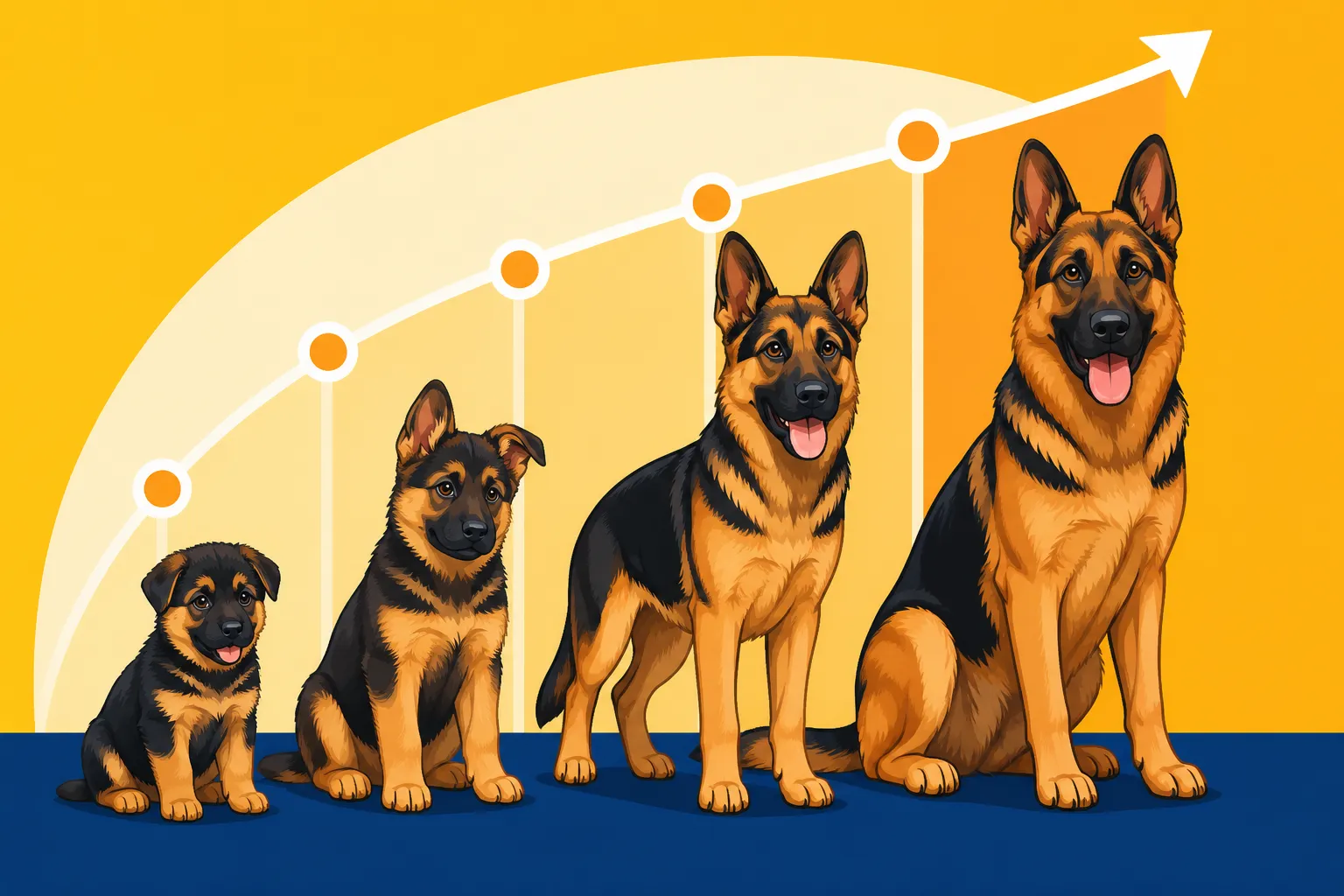
This is perhaps the most astonishing period of growth for your German Shepherd. From a tiny, clumsy bundle, they rapidly transform into a robust, energetic young dog. In these early months, their bones are growing at an incredible rate, and their organs are developing quickly. It's not uncommon for them to double or even triple their weight in just a few short weeks. During this time, proper nutrition is paramount; a good quality large-breed puppy food is essential to support this rapid development without over-stressing their skeletal system. Think of it like building a house – a strong foundation now means a stable structure later.
Many new owners are tempted to push their puppies with too much intense exercise, but it’s crucial to remember that their growth plates are still open and vulnerable. Excessive running, jumping, or forced long walks can do more harm than good, potentially contributing to lifelong joint problems. Instead, focus on short, supervised play sessions and gentle walks on soft surfaces. This phase is also critical for German Shepherd Puppy Training Guide and initial socialization, laying the groundwork for a confident, well-adjusted adult. These early months literally shape the dog they will become, both physically and mentally.
The Gangly Adolescent Stage (6-18 Months)
Ah, the "teenage" phase! This period often sees a German Shepherd filling out their frame more, gaining muscle mass rather than just height. They might appear a bit awkward, with longer legs and a less coordinated gait, as their body parts grow at different rates. This can lead to what we sometimes call "growing pains," or German Shepherd Panosteitis Growing Pains, which is usually self-limiting but can be concerning for owners. They are still growing, but the explosive growth rate of puppyhood begins to slow down. Energy levels, however, typically remain sky-high, making consistent training and mental stimulation crucial.
During adolescence, their nutritional needs also shift. Many veterinarians recommend transitioning from puppy food to a high-quality large-breed adult formula around 12-18 months, depending on the individual dog and the specific food. The goal is to ensure they continue to receive balanced nutrition without excess calories that could lead to unhealthy weight gain, which is detrimental to developing joints. Continuing to monitor their weight and body condition is vital during this stage. You can find excellent options for large breed dogs on sites like Chewy, ensuring they get the right balance of nutrients.
This is also the time when many German Shepherds begin to truly test boundaries and develop their adult personality traits. Socialization, continued obedience training, and providing appropriate outlets for their energy, like puzzle toys or scent work, are incredibly important. Their physical growth is still ongoing, but their mental and emotional growth takes center stage as they mature. You'll start to see glimpses of the magnificent adult German Shepherd they are destined to be.
Reaching Full Maturity (18-36 Months)
While many German Shepherds reach their full height by about 12-18 months, they aren't considered fully mature until much later. The 18 to 36-month period is primarily about filling out, adding muscle, and consolidating bone density. Their chests will broaden, their heads will mature, and they will lose that adolescent gangliness, finally looking like the powerful, imposing dogs we admire. This is when their bodies achieve their true German Shepherd form.
Even though their skeletal growth has largely finished, their joints are still strengthening. Therefore, high-impact activities should still be introduced gradually. Consistent, moderate exercise is key to building strong muscles that support their joints. This is a critical time for monitoring their weight and ensuring they remain lean. Overweight German Shepherds are at a higher risk for German Shepherd Hip Dysplasia Explained and other orthopedic issues later in life. A veterinarian can help you determine How to Tell If a German Shepherd Is Overweight.
Mentally, German Shepherds also continue to mature, often settling into a more predictable and calmer demeanor by their third birthday. Their protective instincts might become more pronounced, and their bond with their family deepens. They become truly self-assured and confident. It’s a wonderful stage to see all your hard work from puppyhood come to fruition in a magnificent adult dog.
What Influences Your German Shepherd's Growth?
It's easy to look at a growth chart and expect your dog to fit perfectly into the averages, but German Shepherd growth is far from a one-size-fits-all equation. There are several significant factors that play a role in how large your German Shepherd will ultimately become and how quickly they get there. Understanding these influences can help you better anticipate your dog's development and spot any potential red flags early on.
Genetics and Breed Lines
The single biggest determinant of your German Shepherd's adult size is their genetic heritage. Just like children often resemble their parents, puppies inherit their physical potential from their sire and dam. If both parents are larger, you can generally expect a larger puppy. Conversely, if the parents are on the smaller side of the breed standard, their offspring are likely to follow suit. This is why a reputable breeder will always be transparent about the size and health of the parent dogs. You can learn more about this by researching Working Line vs Show Line German Shepherd.
Beyond individual parents, the specific "line" of German Shepherd also plays a role. West German Working Line German Shepherd Explained and Czech Working Line German Shepherd Explained dogs, for instance, are often bred for their athleticism and working ability, which can sometimes result in a slightly more compact, leaner build compared to some American Show Line German Shepherd Explained dogs, which might prioritize larger, more substantial bone structure for the show ring. These are general tendencies, of course, and there's always overlap, but it's an important consideration if you're trying to estimate your pup's future size. This is why good breeders are so important and why it's worth taking the time to How to Choose a German Shepherd Breeder.
Nutrition: Fueling Healthy Development
Proper nutrition is the bedrock of healthy growth. A German Shepherd puppy needs a diet specifically formulated for large-breed puppies. These diets are carefully balanced to provide the right amount of protein, fat, vitamins, and minerals, with particular attention paid to calcium and phosphorus ratios. Too much or too little of certain nutrients, especially calcium, can have serious negative impacts on bone development, potentially exacerbating conditions like hip or elbow dysplasia. Feeding adult food too early, or a regular puppy food not designed for large breeds, can also disrupt this delicate balance.
Overfeeding is another common pitfall. While it might seem like a good idea to encourage rapid growth, allowing a puppy to become overweight puts immense stress on their still-developing joints. This added weight can accelerate the onset and severity of orthopedic issues. Your vet can help you establish a German Shepherd Puppy Feeding Schedule and determine How Much to Feed a German Shepherd Puppy based on their age, weight, and activity level. Always choose a high-quality brand designed for large breeds; many owners trust brands like Purina Pro Plan or Royal Canin, available from retailers like Chewy. Getting the diet right is absolutely critical for long-term health.
Exercise and Environmental Factors
While genetics set the potential, proper exercise and a healthy environment allow that potential to be realized without injury. During puppyhood, controlled, moderate exercise is key. This means short, frequent play sessions, walks on soft surfaces, and avoiding strenuous activities like jumping from heights, excessive stair climbing, or very long runs until their growth plates have closed, usually around 12-18 months. Over-exercising a young German Shepherd can cause irreversible damage to their developing joints and cartilage. You can find more advice on German Shepherd Growth Plates and Exercise.
Beyond exercise, their overall environment plays a role. A stress-free home, access to clean water, and preventing injuries contribute to optimal growth. Regular veterinary care, including appropriate vaccinations and deworming, ensures they are free from parasites or illnesses that could hinder development. Living conditions and general care, while perhaps less direct than genetics or nutrition, still form a vital part of a holistic approach to your German Shepherd's healthy growth. Learning How to Keep a German Shepherd Healthy involves many aspects beyond just their food bowl.
German Shepherd Growth Chart: What to Expect
It's important to remember that every dog is an individual, and these charts provide general guidelines, not strict rules. There will always be natural variations based on the factors we just discussed. However, having a general idea of the average weight and height at different ages can be incredibly helpful for monitoring your pup's progress and knowing when to ask your vet for advice.
Average Weight and Height Milestones
Below is a typical growth chart for male and female German Shepherds. These figures represent averages, so don't be alarmed if your dog is slightly above or below these ranges, especially if they are otherwise healthy and active.
| Age | Male Weight Range (lbs) | Female Weight Range (lbs) | Male Height Range (inches) | Female Height Range (inches) |
|---|---|---|---|---|
| 8 Weeks | 15-22 | 12-18 | 12-15 | 11-14 |
| 3 Months | 25-35 | 20-30 | 16-19 | 15-18 |
| 4 Months | 35-45 | 30-40 | 18-21 | 17-20 |
| 6 Months | 50-65 | 40-55 | 20-23 | 19-22 |
| 9 Months | 65-80 | 50-65 | 22-25 | 21-24 |
| 12 Months | 70-85 | 55-70 | 23-26 | 22-25 |
| 18 Months | 75-95 | 60-75 | 24-26 | 22-24 |
| Full Maturity | 75-95 | 55-75 | 24-26 | 22-24 |
Note: Full maturity for German Shepherds typically occurs between 24-36 months, with much of the height reached by 12-18 months and continued muscle/chest development after that.
It’s a good idea to weigh your puppy regularly during their rapid growth phase, perhaps once a week initially, and then every few weeks. You can use a bathroom scale for smaller pups by weighing yourself, then weighing yourself holding the pup, and subtracting the difference. For larger pups, your vet will have an appropriate scale during check-ups. Keep a simple log to track their progress. This can be a fun way to engage the whole family in their care and growth journey.
Measuring height can be a bit trickier but is still helpful. Have your German Shepherd stand squarely on a flat surface, with their front legs straight. Use a carpenter's square or a ruler to measure from the ground up to the top of their shoulder blade (the highest point of their back, just above the front legs). Consistency in how you measure each time is more important than perfect accuracy.
Recognizing Normal Variations
Remember, this chart gives averages. Your German Shepherd might be a bit of an outlier, and that's often perfectly normal. For example, a male German Shepherd from a compact working line might mature at the lower end of the weight and height range, while a male from a more substantial show line might easily hit the upper end. It doesn't mean one is healthier or "better" than the other, just different expressions of the breed's genetic diversity.
Another common variation is the pace of growth. Some German Shepherds might experience a sudden growth spurt, then plateau for a while, while others might grow more steadily. As long as they are gaining weight and height consistently, and your vet gives them a clean bill of health, these minor fluctuations are usually nothing to worry about. The key is consistent progress, not necessarily hitting an exact number on a specific day.
Pay more attention to their overall body condition than just the number on the scale. You should be able to easily feel your dog's ribs without seeing them prominently, and they should have a discernible waist when viewed from above. If you're unsure, ask your vet or a trusted breeder for a quick assessment. Tools on sites like Chewy that show body condition scores can also be helpful references.
When to Consult Your Vet About Growth Concerns
While variations in growth are common, there are definitely times when you should seek professional advice. Early intervention for growth-related issues can make a significant difference in your German Shepherd's long-term health and well-being. It's always better to be safe than sorry, especially with a breed prone to orthopedic conditions.
Red Flags and Warning Signs
Here are some signs that your German Shepherd's growth might not be on track, and when you should definitely reach out to your veterinarian:
- Sudden or Stagnant Growth: If your puppy suddenly stops gaining weight or height for an extended period, or if their growth is significantly slower than expected for their age, it warrants investigation. Likewise, if they seem to be growing too fast, especially with an unhealthy amount of weight gain, that can also indicate a problem.
- Limping or Lameness: Any persistent limping, favoring a leg, or difficulty getting up and down during growth can be a sign of underlying orthopedic issues like hip or elbow dysplasia, panosteitis, or osteochondritis dissecans (OCD). This should never be ignored. Find out more about German Shepherd Limping When to Worry.
- Abnormal Gait or Posture: Watch how your German Shepherd walks and stands. An unusual gait, a reluctance to move, or an odd posture could indicate pain or structural problems developing in their joints or spine. This might look like a "bunny hop" when running, or a stiff, unnatural movement.
- Obvious Deformities: While rare, any visible bowing of legs, swollen joints, or other noticeable deformities should be immediately checked by a vet. These could be signs of serious developmental issues.
- Persistent Pain or Discomfort: If your puppy yelps when touched in certain areas, avoids putting weight on a limb, or generally seems uncomfortable, don't dismiss it as just "growing pains" without a vet's evaluation.
- Changes in Appetite or Energy: A significant drop in appetite or unusual lethargy, especially when combined with slow growth, could indicate an underlying health problem not directly related to growth but impacting it. You can explore Common German Shepherd Health Issues by Age to understand potential concerns.
The Importance of Regular Vet Check-ups
The best way to ensure your German Shepherd is growing properly is through regular veterinary check-ups. Your vet will monitor their weight and height, assess their body condition, perform physical examinations, and discuss any concerns you might have. They can also provide guidance on nutrition, exercise, and preventative care tailored to your dog's individual needs. Early detection of potential problems can often lead to more effective and less invasive treatments.
These routine visits are also opportunities to discuss German Shepherd Vaccination Schedule, deworming, and flea and tick prevention, all of which contribute to a healthy pup who can grow without unnecessary stressors on their system. Your vet is your most valuable partner in navigating your German Shepherd's growth journey. Don't hesitate to call them with any questions or worries about your dog's development; they are there to help you ensure your beloved companion has the best start in life.
Disclaimer
This article is for general informational purposes only and does not constitute professional advice. Laws, prices and regulations vary by location and change over time. Consult a qualified professional for guidance on your specific situation.