Understanding German Shepherd Behavior
Living with a German Shepherd is an incredibly rewarding experience, but let's be honest, it's not always a walk in the park. These magnificent dogs are often misunderstood, and their strong personalities, coupled with their immense intelligence and protective instincts, can sometimes lead to behaviors that leave even the most seasoned dog owner scratching their head. It's frustrating when you love your dog deeply but can't quite pinpoint why they're doing what they're doing. This comprehensive guide is designed to demystify German Shepherd behavior, diving deep into their innate traits, common challenges, and practical solutions to help you foster a harmonious relationship with your beloved companion.
The Foundations of German Shepherd Temperament
To truly understand a German Shepherd's behavior, we must first look back at their origins. These dogs weren't simply bred for companionship; they were meticulously developed for specific working roles, and those historical purposes are deeply ingrained in their temperament today. Ignoring these foundational elements is like trying to understand a complex machine without knowing its blueprint – you're always going to be missing crucial pieces of the puzzle.
Historical Role and Instinctual Drives
The German Shepherd Dog, as we know it, was developed in Germany in the late 19th century by Captain Max von Stephanitz, with the explicit goal of creating the ultimate herding dog. He envisioned a dog that was intelligent, strong, agile, and obedient, capable of working tirelessly to manage sheep flocks. While their primary role shifted from herding to police, military, and service work over time, those initial instincts remain incredibly strong.
This means your German Shepherd isn't just a pet; they're a highly evolved working animal. Their strong prey drive, for example, which was once essential for controlling livestock, might manifest as an intense interest in squirrels, joggers, or even children playing vigorously. Their innate need to guard and protect their flock (now their family and home) explains their natural suspicion of strangers and their territorial tendencies. These aren't "bad" behaviors, but rather expressions of deep-seated instinct that need appropriate outlets and guidance. If these powerful drives aren't understood and channeled productively, they can easily lead to frustration for both dog and owner, resulting in what we perceive as "bad" behavior.
Genetic Predispositions and Breed Standards
Beyond their historical work, genetics play a huge role in shaping your German Shepherd's individual temperament. Reputable breeders carefully select for desirable traits, aiming to produce dogs that conform not just to physical breed standards but also to temperamental ones. The breed standard, as set by organizations like the American Kennel Club (AKC) or the German SV (Verein für Deutsche Schäferhunde), emphasizes a dog that is self-confident, poised, courageous, and eager to serve. A well-bred German Shepherd should not be inherently aggressive, overly shy, or excessively nervous.
However, genetics are a lottery to some extent. Even with the best breeding practices, individual variations occur. Some lines may inherently possess a higher drive, making them better suited for intense sport or working roles, while others might be calmer and more adaptable to a family pet role. Furthermore, some genetic predispositions can influence behavioral issues, such as anxiety disorders or sound sensitivities. It's crucial for prospective owners to research How to Find a Reputable German Shepherd Breeder and ask about the temperament of both parents and previous litters, as these insights can offer a window into what kind of personality you can expect your puppy to develop. Understanding these predispositions helps you tailor your training and environment to best suit your dog's inherent nature.
Typical German Shepherd Behavior Traits
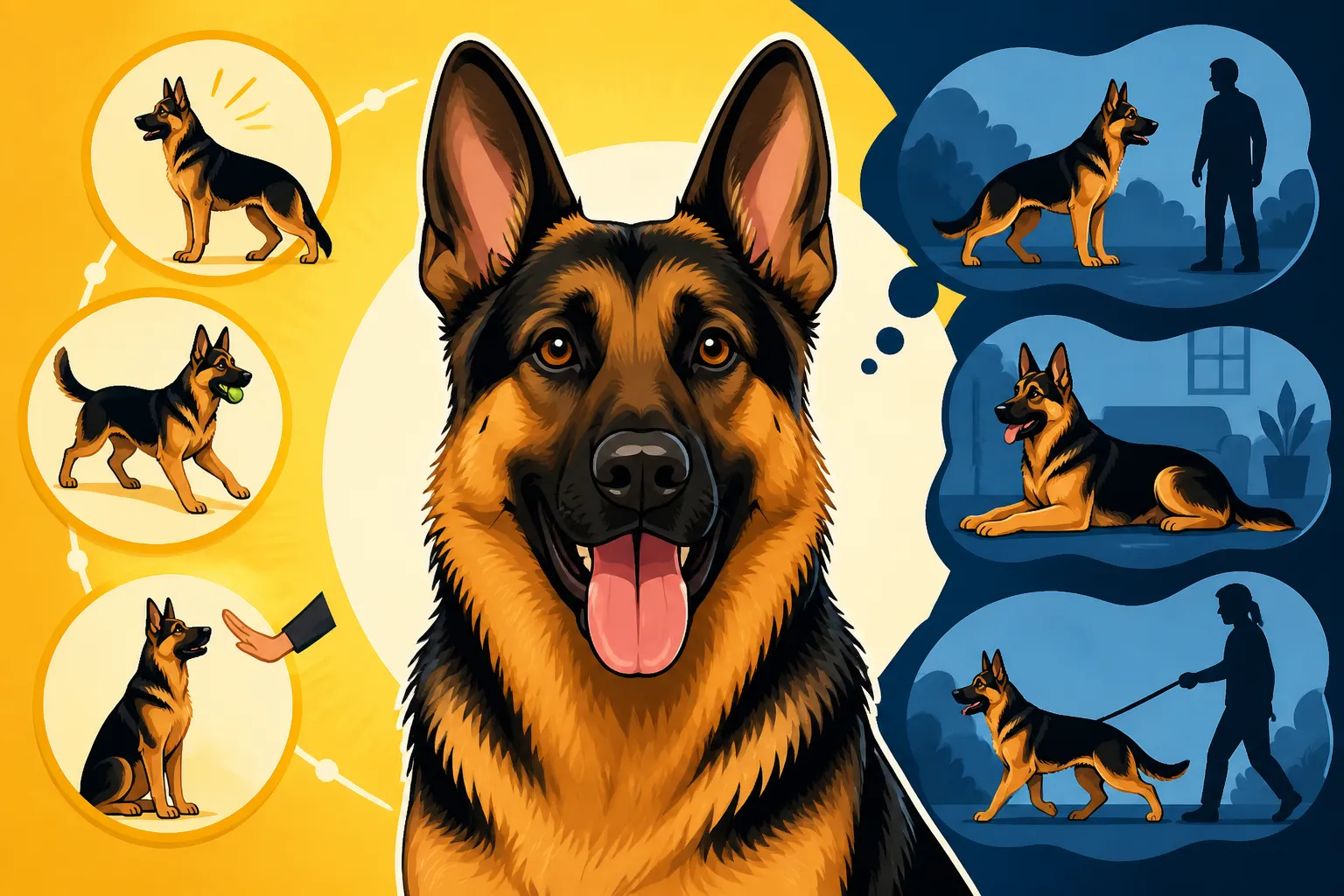
German Shepherds are renowned for a specific set of characteristics that make them unique. When these traits are understood and nurtured, they truly shine, becoming the loyal, intelligent companions we all adore. Misinterpreting them, however, can lead to clashes and confusion within the home.
Loyalty and Protectiveness
One of the most defining characteristics of a German Shepherd is their unwavering loyalty to their family. Once they bond with you, it's usually for life. This isn't just a superficial attachment; it's a deep, intrinsic connection that drives much of their behavior. They often form an especially strong bond with one primary caretaker, though they are typically devoted to the entire household. This fierce devotion means they are always acutely aware of their surroundings and any potential threats to their loved ones.
This loyalty naturally extends to protectiveness. German Shepherds are inherently guard dogs, and they take their job seriously. They are often aloof or wary of strangers, not out of aggression, but out of a natural inclination to assess potential threats and protect their "pack." You might notice them placing themselves between you and a newcomer, or letting out a deep, resonant bark at someone approaching the door. This protective instinct is a double-edged sword: it makes them excellent guardians, but it also means that How to Introduce a German Shepherd to Strangers requires careful management and extensive socialization from a young age to ensure their protective urges don't escalate into unwarranted aggression. They need to learn that not every stranger is a threat.
Intelligence and Trainability
There's a reason German Shepherds consistently rank among the most intelligent dog breeds. They are incredibly smart, capable of learning complex commands and tasks with remarkable speed. Their desire to please their owners, combined with their sharp minds, makes them exceptionally trainable. This isn't a breed that's content to simply lie around all day; their brains need as much exercise as their bodies.
However, this high intelligence can also be a challenge. A bored German Shepherd is a destructive German Shepherd. If their minds aren't engaged, they will find their own ways to entertain themselves, which often involves chewing through furniture, excessive barking, or developing other undesirable habits. Positive reinforcement methods work incredibly well with this breed, as they thrive on praise and interaction. Consistency is key, and they respond best to clear, confident leadership. Enrolling in German Shepherd Obedience Training Basics early on is not just beneficial, it's essential for shaping a well-mannered and happy companion. This breed thrives on having a job to do, even if that "job" is just learning new tricks or solving puzzle toys at home.
High Energy and Exercise Needs
Don't let their calm demeanor indoors fool you – German Shepherds are high-energy dogs. They were bred for endurance and stamina, capable of working long hours on the farm or in the field. This means they require a significant amount of physical exercise every single day to stay physically and mentally healthy. A quick walk around the block simply won't cut it for a healthy, adult German Shepherd.
Without adequate exercise, that pent-up energy has to go somewhere, and it often manifests in destructive behaviors. You might see pacing, incessant barking, chewing, or even hyperactive behavior indoors. Aim for at least 60-90 minutes of vigorous exercise daily, which could include brisk walks, running, hiking, playing fetch, or dog sports. Beyond physical activity, they also benefit immensely from mental stimulation like obedience training, puzzle toys (you can find a great selection on Amazon), or scent work. Neglecting their exercise needs is one of the most common mistakes owners make, leading directly to many behavioral issues. For a deep dive into what your energetic companion needs, check out our guide on German Shepherd Exercise Requirements.
Understanding Common German Shepherd Behavioral Challenges
While German Shepherds possess many admirable traits, their powerful instincts and intelligence can sometimes lead to challenging behaviors if not properly managed. It's important not to panic when these issues arise, but rather to understand their root causes and address them proactively.
Reactivity and Aggression
One of the most concerning behaviors for any dog owner, especially with a large breed like a German Shepherd, is reactivity or aggression. Reactivity often presents as excessive barking, lunging, or growling at triggers like other dogs, strangers, or even moving vehicles. While some German Shepherds can have a genetic predisposition to being sharper or more assertive, true aggression (biting, attacking) is usually rooted in fear, poor socialization, lack of confidence, or resource guarding.
Early and ongoing socialization is absolutely critical to prevent these issues. Exposing your German Shepherd puppy to a wide variety of sights, sounds, people, and friendly dogs in a positive, controlled manner helps them develop confidence and learn appropriate responses to new situations. If you're seeing signs of reactivity or aggression, it's vital to seek professional guidance from a certified dog trainer or behaviorist. They can help identify the specific triggers and develop a counter-conditioning and desensitization plan. Never punish aggression, as this often suppresses the warning signs and can make the behavior worse. Instead, focus on building your dog's confidence and teaching them alternative, more appropriate responses. For more detailed strategies, read our guide on How to Stop German Shepherd Aggression.
Separation Anxiety
German Shepherds are deeply bonded dogs, and while this loyalty is wonderful, it can sometimes manifest as separation anxiety when they are left alone. This isn't just a dog being "naughty"; it's a genuine panic response rooted in distress. Common signs of separation anxiety include excessive barking, howling, or whining when you leave, destructive chewing of doors or windows, house soiling, or frantic greeting upon your return.
The causes can vary, from a sudden change in routine to past traumatic experiences, or simply an over-attachment to their owner. Addressing separation anxiety requires patience and a structured approach. It often involves gradually acclimating your dog to your absence, starting with very short periods and slowly increasing the time. Providing engaging Best Puzzle Toys for German Shepherds (many available on Amazon) before you leave can help distract them and create a positive association with your departure. Crate training, when done correctly, can also provide a safe den for your dog, reducing anxiety. In severe cases, a veterinarian might recommend medication in conjunction with behavior modification. Our comprehensive guide, German Shepherd Separation Anxiety Solutions, offers detailed steps to help your furry friend feel more secure when you're away.
Excessive Barking and Chewing
German Shepherds are vocal dogs, and they use their barks to communicate a variety of things: warning, excitement, attention-seeking, boredom, or fear. However, excessive barking can quickly become a nuisance, both for you and your neighbors. Similarly, chewing is a natural dog behavior, but when it's destructive – targeting furniture, shoes, or walls – it becomes a problem.
Identifying the reason behind the barking or chewing is the first step. Is your dog barking at every passerby (territorial)? Are they barking because they're bored and under-exercised (attention-seeking)? Are they chewing because they're teething (puppies) or anxious, or simply because they don't have appropriate chew toys? Once you understand the "why," you can implement targeted solutions. For barking, this might involve management (blocking their view of triggers), training (teaching a "quiet" command), and ensuring their exercise and mental stimulation needs are met. For chewing, provide a variety of appropriate, durable chew toys – again, platforms like Amazon offer a vast selection. Redirecting them to acceptable items and puppy-proofing your home are essential. Learning How to Stop German Shepherd Excessive Barking and How to Stop German Shepherd Chewing involves consistent training and understanding your dog's motivations.
The Critical Role of Early Socialization and Training
Without proper socialization and consistent training, a German Shepherd's strong natural instincts can become overwhelming, leading to behavioral issues that are far more difficult to correct later in life. Think of early training and socialization as laying a strong foundation for a skyscraper – you wouldn't build a tall building on a weak base, and you shouldn't expect a well-adjusted GSD without solid early work.
Socialization for a Well-Adjusted German Shepherd
Socialization isn't just about letting your puppy play with other dogs; it's about exposing them to a vast array of experiences in a positive and controlled manner. The critical socialization period for puppies is roughly between 3 to 16 weeks of age. During this time, every positive new experience helps build their confidence and shape their worldview. This includes meeting different types of people (men, women, children, people with hats, people with canes), encountering various sounds (traffic, vacuums, sirens), seeing different environments (parks, stores where dogs are allowed, car rides), and interacting with calm, vaccinated, friendly dogs of various sizes.
The goal is to teach your German Shepherd that the world is generally a safe and interesting place, not something to be feared or guarded against excessively. Lack of proper socialization is a primary contributor to fear-based aggression and reactivity in adult German Shepherds. Always ensure these experiences are positive and not overwhelming. If your puppy shows fear, gently remove them from the situation and try again later, or from a greater distance. For comprehensive guidance on introducing your German Shepherd to the world, refer to our How to Socialize a German Shepherd article.
Consistent Obedience Training
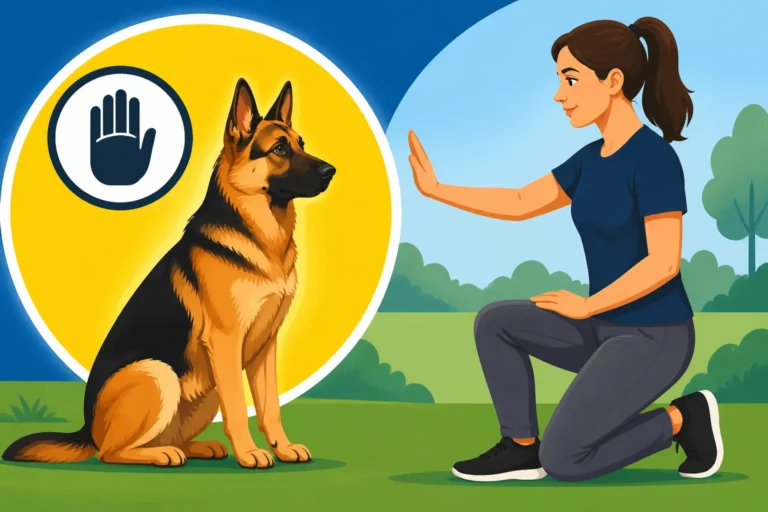
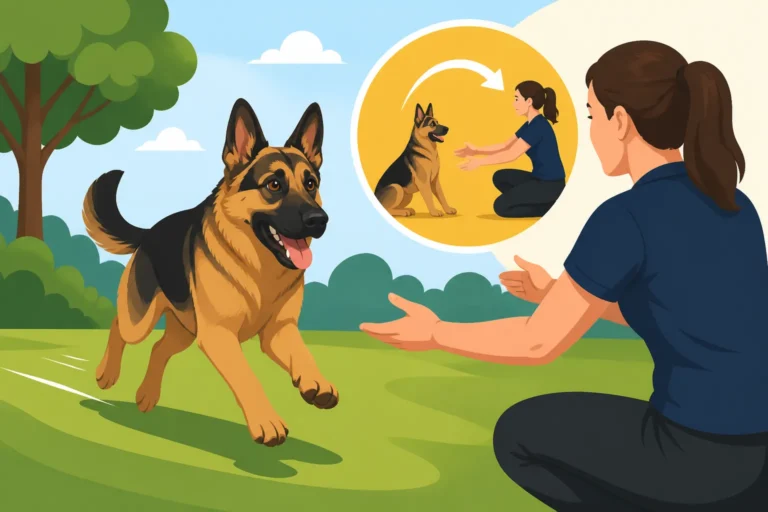
German Shepherds thrive on structure and having a "job" to do, and consistent obedience training provides both. Starting early with basic commands like "sit," "stay," "come," and "down" establishes clear communication and builds a strong bond of trust and respect between you and your dog. They are incredibly intelligent and eager to learn, but they need a confident and consistent leader.
Positive reinforcement methods, using treats, praise, and toys, are highly effective with German Shepherds. They respond poorly to harsh punishment or intimidation, which can damage their trust and lead to fear-based behaviors or aggression. Enroll in puppy classes or work with a certified professional trainer. Online programs, such as those offered by BAXTER & Bella, can also provide structured guidance for at-home training, covering everything from potty training to more advanced behaviors. Regular, short training sessions keep their minds engaged and reinforce good habits. Remember, training isn't just about teaching commands; it's about teaching your dog how to navigate the human world politely and safely.
Mental Stimulation for a Busy Mind
Beyond physical exercise and formal obedience sessions, German Shepherds require significant mental stimulation to prevent boredom and destructive behaviors. Their intelligent minds are always looking for a puzzle to solve or a task to complete. Simply giving them a Kong stuffed with peanut butter isn't enough; they need variety and challenges.
Incorporate puzzle toys into their daily routine. These toys, often found on Amazon, dispense treats as your dog manipulates them, engaging their problem-solving skills. Scent work, where you hide treats and encourage your dog to find them, is another fantastic way to tap into their natural abilities and tire them out mentally. You can also teach them new tricks, practice advanced obedience skills, or engage in interactive games like "hide and seek." Rotating their toys keeps things interesting. Providing adequate mental stimulation is a key component of Best Mental Stimulation for German Shepherds and can dramatically reduce unwanted behaviors that stem from boredom and frustration.
| Behavior Trait | Common Manifestations | Underlying Reasons | How to Address |
|---|---|---|---|
| Loyalty & Protectiveness | Wariness of strangers, alert barking, staying close to family | Innate guarding instinct, deep bond with family | Early socialization, controlled introductions, training "place" command |
| High Energy | Destructive chewing, pacing, hyperactivity, incessant barking | Insufficient physical exercise, boredom | 60-90 min vigorous exercise, varied activities (running, fetch, hiking) |
| High Intelligence | Quick learning, problem-solving, can be stubborn | Bred for complex tasks, needs mental engagement | Consistent training, puzzle toys, learning new tricks, structured play |
| Reactivity | Lunging, barking, growling at triggers (dogs, people) | Fear, poor socialization, lack of confidence, overstimulation | Professional trainer, counter-conditioning, desensitization, secure environment |
| Separation Anxiety | Destructive behavior when alone, excessive vocalization, house soiling | Distress, over-attachment, sudden routine changes | Gradual alone-time practice, crate training, long-lasting chew toys |
| Prey Drive | Chasing squirrels, cars, smaller pets | Strong instinct for hunting/herding | Leash training, strong recall, appropriate outlets (flirt pole, fetch) |
Environmental Factors Influencing German Shepherd Behavior
It's easy to focus solely on the dog when discussing behavior, but the environment they live in plays an equally critical role. Just like humans, a German Shepherd's surroundings, routine, and the quality of their relationship with their owners profoundly impact their overall well-being and behavioral responses.
The Impact of Routine and Environment
German Shepherds are creatures of habit and thrive on predictability. A consistent daily routine provides a sense of security and reduces anxiety. This means regular feeding times, consistent potty breaks, scheduled exercise, and predictable training sessions. Erratic schedules can leave a German Shepherd feeling unsettled, which can manifest as anxiety, hypervigilance, or acting out.
The physical environment also matters immensely. While German Shepherds can adapt to various living situations, they generally do best in homes with a secure yard where they can exercise and patrol. However, a yard alone is not sufficient; they need human interaction and structured activity. An under-stimulated dog in a large yard will be just as problematic as an under-stimulated dog in an apartment. The internal environment of your home—whether it's calm and quiet or chaotic and loud—can also affect your dog's stress levels and propensity for certain behaviors. For instance, a highly reactive dog might struggle more in a home with constant street noise compared to a quieter setting. Providing a designated "safe space," like a crate or a bed in a low-traffic area, can offer them a sanctuary from overwhelming stimuli.
Nutrition and Health
It might not be the first thing you think of when your German Shepherd is misbehaving, but their diet and overall health can significantly impact their behavior. A poor diet, lacking essential nutrients or causing digestive upset, can lead to lethargy, hyperactivity, or irritability. For example, some dogs can react negatively to certain ingredients or preservatives, manifesting as anxiety or aggression. It's similar to how we feel when we've eaten something that doesn't agree with us – grumpy and out of sorts.
Beyond diet, any underlying health issue can cause behavioral changes. A dog in pain, for instance, might become withdrawn, snappish, or suddenly aggressive. Conditions like thyroid imbalances, neurological disorders, or even chronic allergies can manifest as behavioral shifts. If your German Shepherd suddenly exhibits unexplained behavioral changes, a trip to the veterinarian should be your first step to rule out any medical causes. Regular check-ups and a high-quality diet are foundational to their physical and mental health. For a comprehensive overview of potential health concerns, our German Shepherd Health Problems Guide can provide valuable insights.
Relationship with the Owner
The relationship you build with your German Shepherd is the cornerstone of their behavior. They are intelligent and sensitive, forming deep bonds with their human companions. A strong, positive relationship built on trust, respect, and clear communication is essential for a well-adjusted dog. This isn't about being an "alpha" or dominating your dog; it's about being a consistent, reliable, and fair leader who provides guidance and security.
Dogs look to their owners for cues on how to react to the world. If you are anxious or inconsistent, your German Shepherd will pick up on that and may become anxious or confused themselves. Conversely, a calm, confident owner can help even a nervous German Shepherd feel secure. Spending quality time together, engaging in activities they enjoy, and understanding their individual personality will strengthen your bond. Remember, a German Shepherd's eagerness to please is a powerful tool in training, but it relies on them knowing what you expect and trusting that you will guide them fairly.
Specialized Training and Activities for German Shepherds
German Shepherds are not just pets; they are high-performance athletes and astute thinkers. To truly fulfill their potential and manage their innate drives, many owners find great success in channeling their dog's energy and intelligence into specialized training and activities. This can be incredibly enriching for both dog and owner.
Protection Work and Sport
Given their history as working dogs, German Shepherds excel in protection sports like IGP (formerly Schutzhund). These sports are highly structured and involve tracking, obedience, and protection phases, all designed to test a dog's courage, intelligence, and trainability. For many German Shepherds, engaging in such demanding activities provides an unparalleled outlet for their natural drives, mental acuity, and physical prowess.
It's crucial to understand that reputable protection training is not about making a dog aggressive. Instead, it's about building confidence, control, and a strong handler-dog bond, teaching the dog precisely when and how to respond. This type of training requires a significant commitment of time, resources, and often involves working with experienced, certified trainers who prioritize safety and ethical practices. For those interested in exploring this demanding yet rewarding path, learning How to Do IGP Training with a German Shepherd is a great starting point, but always seek out a local club with a proven track record.
Service and Therapy Work
The German Shepherd's intelligence, loyalty, and calm demeanor (when properly trained) make them excellent candidates for service and therapy work. Their ability to learn complex tasks and their devotion to their handler are invaluable in roles such as guiding the blind, assisting those with mobility issues, or providing emotional support.
Training for service work is rigorous and extensive, often taking years to complete, and it requires a dog with a rock-solid temperament, unwavering focus, and a natural affinity for working alongside humans. Therapy dogs, while not performing specific tasks, offer comfort and affection in settings like hospitals, schools, and nursing homes. These roles rely heavily on a German Shepherd's inherent gentleness and ability to connect with people, showcasing the breed's versatility beyond their protective image.
Agility and Scent Work
For German Shepherds who may not be suited for or interested in protection work, or whose owners are looking for alternative ways to engage them, agility and scent work offer fantastic opportunities. Agility involves guiding your dog through an obstacle course, including jumps, tunnels, and weave poles. It's a high-energy sport that combines physical prowess with mental focus, demanding quick decision-making from both dog and handler. It's a brilliant way to channel their athleticism and problem-solving skills.
Scent work, on the other hand, taps into their incredible sense of smell. Dogs are trained to locate specific odors, often hidden in boxes, rooms, or outdoor areas. This activity is incredibly mentally stimulating and can be surprisingly tiring for dogs, as using their brain to process scent information requires immense concentration. Both agility and scent work are excellent ways to strengthen the bond with your German Shepherd, build their confidence, and provide an enriching outlet for their boundless energy and intelligence without requiring protective instincts.
Age-Related Behavioral Changes
Just like humans, German Shepherds experience distinct developmental stages throughout their lives, each bringing its own set of behavioral characteristics and challenges. Understanding these age-specific shifts can help you anticipate and address behaviors effectively, ensuring a smoother journey from puppyhood to senior years.
Puppyhood and Adolescence
German Shepherd puppies, typically from 8 weeks to about 6 months, are bundles of joyful, boundless energy. This is a critical period for German Shepherd Puppy Training Guide and socialization. Behaviors common at this age include nipping and puppy biting (exploring the world with their mouths!), potty training challenges, and bursts of zoomies. They are like sponges, soaking up every experience, which makes it the ideal time for positive exposure to new sights, sounds, and people.
As they transition into adolescence, roughly from 6 months to 2-3 years, German Shepherds enter their "teenage" phase. This is often characterized by a push for independence, selective hearing, increased stubbornness, and testing boundaries. You might find that a command they knew perfectly well suddenly seems forgotten. Fear periods can also occur, where a dog that was previously confident might suddenly become wary of novel stimuli or situations. Consistent training, unwavering patience, and reinforcing your leadership are paramount during this phase. Don't mistake their independence for naughtiness; it's a natural developmental stage that requires careful guidance.
Adult German Shepherd Behavior
By the time a German Shepherd reaches full adulthood, typically around 2-3 years of age, their personality is generally well-established. They tend to be calmer, more settled, and their training should be well-ingrained. However, "adult" doesn't mean "done training." Continuing to reinforce commands, engaging in mental stimulation, and providing regular exercise are crucial to maintaining their good behavior and preventing boredom.
Adult German Shepherds often exhibit their peak levels of loyalty and protectiveness. They are confident in their role within the family and are typically reliable companions. Any behavioral issues that emerge in adulthood often stem from unmet needs (e.g., lack of exercise or mental engagement), changes in their environment, or underlying health problems. For instance, an adult dog might become destructive if their routine drastically changes or if a new pet or family member is introduced without proper management. Regular maintenance of their training and providing consistent interaction are key to a happy and well-behaved adult GSD.
Senior German Shepherd Behavioral Shifts
As German Shepherds enter their senior years, typically around 7-8 years and beyond, their behavior can begin to shift again. Physical changes, such as arthritis, vision or hearing loss, can impact their mobility and confidence, leading to behaviors like increased irritability, withdrawal, or even snapping due to pain. A dog that once loved long walks might become reluctant to move, or one that was outgoing might become more reserved.
Cognitive decline, similar to dementia in humans, can also occur. Signs might include disorientation, changes in sleep-wake cycles (pacing at night), house-soiling in previously potty-trained dogs, increased clinginess, or a reduced ability to respond to commands. Addressing these changes requires empathy, patience, and often adjustments to their daily routine and environment. Providing comfortable bedding, maintaining a consistent schedule, and regular veterinary check-ups are essential. Our German Shepherd Senior Care Guide offers extensive advice on how to support your aging companion through these natural transitions, helping them live their golden years with comfort and dignity.
Disclaimer
The information provided in this article is for general informational purposes only and is not a substitute for professional veterinary or behavioral advice. Always consult with a qualified veterinarian or certified professional dog trainer for any health concerns or behavioral issues your German Shepherd may be experiencing. Individual results may vary based on factors such as genetics, environment, training, and overall care.