How Much Exercise Does a German Shepherd Puppy Need
Bringing a German Shepherd puppy into your home is an incredibly exciting journey, but it also comes with a unique set of challenges. One of the biggest questions new owners grapple with is how much exercise their energetic little fluffball actually needs without causing harm. It’s a fine line between providing enough activity to burn off that boundless puppy energy and overdoing it, which can have serious consequences for their developing bodies. This comprehensive guide will walk you through everything you need to know about safely and effectively exercising your German Shepherd puppy, ensuring they grow into a healthy, well-adjusted companion.
The Critical Balance: Why Puppy Exercise is Different
You might look at your German Shepherd puppy and think they're built like a tank, ready for anything. But beneath that playful exterior, their bones, joints, and ligaments are still incredibly delicate and undergoing rapid development. This crucial period makes puppy exercise fundamentally different from exercising an adult dog. It's not just about energy levels; it's about safeguarding their long-term health.
Understanding Growth Plates and Joint Development
The most critical factor in puppy exercise is the presence of "growth plates" – soft, cartilaginous areas at the ends of long bones. These plates are responsible for bone growth, gradually hardening and closing as the puppy matures, usually between 12 to 18 months, sometimes even later for large breeds like German Shepherds. Until these growth plates are fully closed, they are extremely vulnerable to injury. High-impact activities, repetitive motions, or sudden jolts can damage them, leading to uneven bone growth, deformities, and a significantly increased risk of debilitating conditions like hip and elbow dysplasia later in life. It's a sobering thought, but understanding this fragility is key to responsible puppy ownership. For more on this, check out our detailed article on German Shepherd Growth Plates and Exercise.
The Risks of Over-Exercising
It's easy to get caught up in the fun of playing with a puppy, especially one as enthusiastic as a German Shepherd. However, over-exercising can be incredibly detrimental. Pushing a puppy too hard before their skeletal system is mature can lead to permanent damage. This isn't just about immediate pain; it's about setting them up for a lifetime of chronic issues. Imagine a scenario where a well-meaning owner takes their 4-month-old GSD puppy on daily long jogs or lets them continually jump off high surfaces, like a porch or a bed. Each landing, each repetitive stride on hard pavement, puts immense stress on those soft growth plates and developing joints. This kind of impact can cause micro-traumas that accumulate, leading to inflammation and ultimately contributing to conditions such as German Shepherd Hip Dysplasia Explained or elbow dysplasia, even if the puppy was genetically predisposed to be healthy. They might not show immediate lameness, but the damage is being done silently.
The Dangers of Under-Exercising
While the focus on protecting growth plates is paramount, let's not swing to the other extreme. A German Shepherd puppy that doesn't get enough appropriate exercise faces a different set of challenges. These dogs are intelligent, high-energy, and thrive on having a "job" or purpose, even if that job is just being a well-behaved family member. Lack of physical and mental stimulation can lead to a host of behavioral problems. Picture a 6-month-old German Shepherd who is rarely taken for walks, doesn't have interactive play, and is left alone for long periods. This pent-up energy and boredom will inevitably manifest in destructive behaviors: chewing furniture, excessive barking, digging up the yard, or even developing aggression or anxiety issues. They might become hyperactive, making them difficult to manage, which can strain the bond with their owners. It's a cycle that often leads to frustration for both dog and owner. Proper exercise is a cornerstone of German Shepherd Behavior Problems and Solutions.
Age-Appropriate Exercise Guidelines
Navigating the right amount and type of exercise for your German Shepherd puppy requires a mindful, age-based approach. What's perfectly fine for a 10-month-old can be outright dangerous for a 10-week-old. The general rule of thumb, often cited by vets and experienced breeders, is the "five minutes per month of age" guideline for structured walks, and it’s a good starting point for activities that involve sustained, repetitive motion.
From 8 to 12 Weeks: Gentle Introductions
When you first bring home your German Shepherd puppy, typically around 8 weeks old, their world is already a whirlwind of new sights, sounds, and smells. Their exercise needs are incredibly simple at this stage: mostly free play in a safe, enclosed area. Think short bursts of activity, followed by plenty of naps.
- Focus on: Gentle, supervised play on soft surfaces (grass, carpet). This includes short sessions of chasing soft toys, wrestling with littermates or safe adult dogs, and exploring their immediate environment.
- Structured exercise: Keep formal leash walks extremely short, no more than 5-10 minutes, just enough for potty breaks and a sniff around the yard. The goal isn't distance, but exposure and getting used to a collar and leash. This is also a fantastic time to start working on foundational skills, as detailed in a German Shepherd Puppy Training Guide.
- Avoid: Stairs, jumping off furniture, long walks on hard surfaces (pavement, concrete), forced running, or rough play with much larger dogs. Their tiny joints are like jelly at this age.
From 3 to 6 Months: Controlled Exploration
As your German Shepherd puppy grows into this stage, their energy levels will surge, and they’ll start to look more like a small dog than a clumsy ball of fur. Their curiosity will be boundless, and socialization becomes a huge component of their daily "activity."
- Focus on: Continued free play in secure areas, now perhaps with a bit more vigor. Short, leashed walks can increase in duration. According to the "five minutes per month" rule, a 4-month-old puppy could handle a 20-minute walk (5 minutes x 4 months) once or twice a day. These walks should still be about exploration and sniffing, not forced marching.
- Activities: Introduce mental challenges like puzzle toys found on Amazon, or simple obedience training sessions in a calm environment. Socialization with vaccinated, gentle dogs of appropriate size is excellent for both physical and mental development. Learning how to properly Socialize a German Shepherd Puppy Safely is key.
- Avoid: Any form of jogging or running on a leash, jumping higher than their elbow, or prolonged strenuous activities. Their growth plates are still very much open and vulnerable. Remember, even though they can run for longer, it doesn't mean they should.
From 6 to 12 Months: Building Stamina
This is often referred to as the "teenage" phase for German Shepherds. They have a lot of energy, seem to have boundless stamina, but their bodies are still maturing. It’s crucial not to mistake their enthusiasm for full physical maturity.
- Focus on: Gradual increases in structured exercise. A 9-month-old puppy could manage a 45-minute walk (5 minutes x 9 months) a couple of times a day. You can introduce light hiking on soft trails, controlled off-leash play in safe areas, and more complex training exercises that require movement.
- Activities: Fetch with soft objects on grass is good, but keep it moderate; don't let them repeatedly jump high for a ball. Swimming can be a fantastic low-impact exercise if introduced safely and they enjoy it. Continue with mental stimulation and advanced obedience training. Consider enrolling in an online puppy training program like BAXTER & Bella, which often integrates appropriate activity levels into their curriculum, making sure you’re not overdoing it.
- Avoid: Hard impact sports, agility jumps that are too high, long-distance running, or anything that puts undue stress on their developing joints. Even though they may look grown, remember that their skeletal system is likely still closing. Our guide on When Do German Shepherds Stop Growing provides a detailed timeline.
Here's a handy table to summarize the general guidelines for structured walks:
| Age of German Shepherd Puppy | Suggested Structured Walk Duration (Per Session) | Frequency Per Day | Type of Activity |
|---|---|---|---|
| 8-12 Weeks | 5-10 minutes | 3-4 times | Potty breaks, short sniff walks, gentle free play on soft surfaces |
| 3 Months | 15 minutes | 2-3 times | Leashed walks, light exploration, supervised play |
| 4 Months | 20 minutes | 2-3 times | Leashed walks, varied terrain, intro to puzzle toys |
| 5 Months | 25 minutes | 2-3 times | Leashed walks, gentle fetch on grass, basic training games |
| 6 Months | 30 minutes | 2 times | Longer leashed walks, light hiking, intro to swimming |
| 7-9 Months | 35-45 minutes | 2 times | Brisk walks, moderate fetch, continued training, low-impact exploration |
| 10-12 Months | 45-60 minutes | 1-2 times | Longer walks, varied terrains, more vigorous play, prepare for adult activities |
Note: These are general guidelines. Always observe your individual puppy's energy levels and health.
Recognizing Over-Exercised or Under-Exercised Puppies
Just like humans, every puppy is an individual. While guidelines are helpful, the most important thing is to become a keen observer of your own German Shepherd puppy's behavior. Their body language and daily habits will tell you volumes about whether their exercise routine is hitting the mark. It's a crucial part of knowing How to Keep a German Shepherd Healthy.
Signs Your Puppy is Getting Too Much Exercise
It's natural to worry about this, especially with such active dogs. An over-exercised puppy won't always collapse dramatically; the signs can be subtle. If you notice any of these, it’s a strong indicator you might need to dial back the intensity or duration of their activities.
First and foremost, look for lameness or limping. This is the most obvious sign. A slight limp after a walk, or even favoring a leg, should never be ignored. Even if it seems to resolve quickly, it could indicate stress on their developing joints. Watch how they get up and down after resting; stiffness or difficulty moving are red flags. Secondly, pay attention to excessive panting and lethargy after the activity. While some panting is normal, if they're still panting heavily long after the exercise has stopped, or they crash completely and struggle to perk up later, they’ve likely been pushed too hard. This is particularly concerning if it's hot outside.
Another sign is reluctance to participate in activities they usually love. If your normally enthusiastic puppy suddenly lags behind on a walk, seems disinterested in playing, or whines during a game, it could be a sign of discomfort or fatigue from previous overexertion. Furthermore, changes in gait or unusual movements, like bunny hopping (using both back legs together), can be subtle indicators of joint pain or compensation. If you suspect your German Shepherd is in pain, it's vital to know How to Tell If a German Shepherd Is in Pain and consult your vet.
Signs Your Puppy Needs More Activity
On the flip side, an under-exercised German Shepherd puppy can become a furry tornado of destructive energy. Recognizing these signs early allows you to adjust their routine before problem behaviors become deeply ingrained.
The most common indicator of insufficient exercise is destructive chewing and digging. A bored German Shepherd puppy will find ways to entertain themselves, and often that means turning their attention to your furniture, shoes, or garden. They're not doing it to be naughty; they're simply channeling their energy into something, anything, to alleviate boredom. This is a classic symptom of a German Shepherd who needs more to do. Secondly, observe excessive barking or whining. If your puppy is constantly vocalizing, particularly when left alone or when you're busy, it can be a plea for attention and an outlet for pent-up energy. They might be trying to tell you, "Hey, I'm bored and I need something to do!"
Hyperactivity and an inability to settle down are also tell-tale signs. Does your puppy constantly zoom around the house, nip at your clothes, or seem unable to relax even after a period of activity? This often indicates they haven't had a proper energy release. They might also exhibit attention-seeking behaviors, like pawing at you, bringing you toys relentlessly, or constantly nudging for interaction, even when you've just spent time with them. This is because their deeper physical and mental needs haven't been met. Understanding German Shepherd Exercise Requirements as they grow into adulthood will help you plan for their future needs.
Safe Exercise Practices and Activities
Ensuring your German Shepherd puppy gets the right amount of exercise isn't just about duration; it's about the quality and safety of those activities. It involves a thoughtful combination of physical activity, mental stimulation, and always prioritizing their long-term joint health.
Ideal Activities for German Shepherd Puppies
When it comes to engaging your German Shepherd puppy safely, think "low impact" and "controlled." The best activities are those that allow them to move freely, explore, and use their natural instincts without putting excessive strain on their developing bodies.
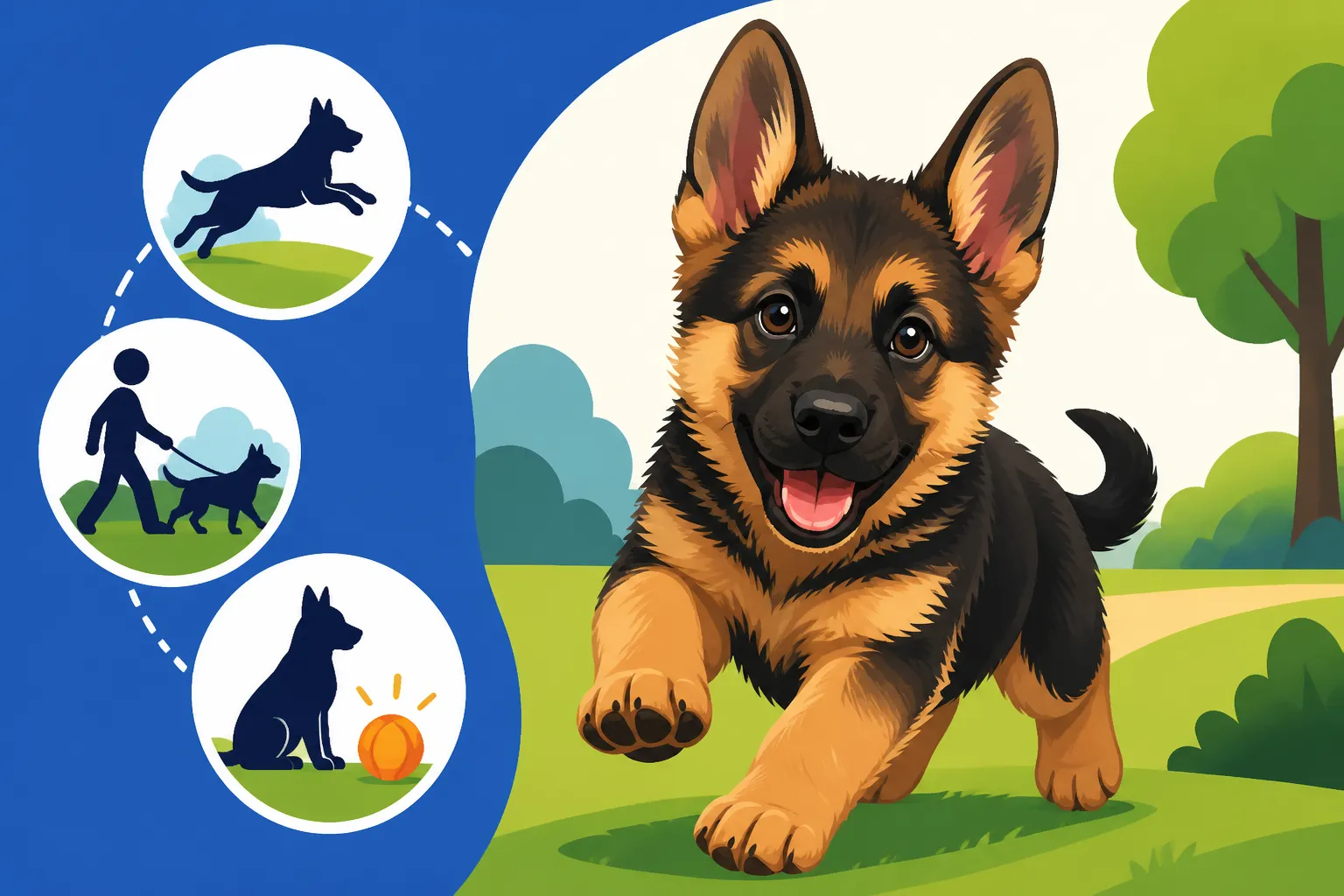
Free play in a secure yard is paramount. Let them explore, sniff, and chase after a soft ball or toy on their own terms. This allows them to self-regulate their activity levels, taking breaks when they need to. Make sure the yard is free of hazards and has soft ground cover like grass. Short, frequent walks are also excellent. These aren't about covering vast distances but about exposure to new sights, sounds, and smells. Let them sniff around, investigate bushes, and encounter the world at their own pace. Think of it as a mental walk as much as a physical one. If you have a trusted, fully vaccinated adult dog, supervised play with a calm, appropriate canine companion can be incredibly beneficial. The older dog can teach proper play etiquette, and it's a great way for your puppy to burn energy through natural interaction.
Swimming can be an outstanding low-impact exercise once your puppy is comfortable and safe in the water. Start with very shallow water and gradually introduce them to deeper areas, always with a life vest and constant supervision. It strengthens muscles without joint impact. Finally, gentle games of fetch on soft surfaces like grass or sand can be a good way to engage their prey drive and provide short bursts of activity. However, avoid constant, high-speed retrieves or throwing objects that encourage excessive jumping or twisting, especially for young puppies. Remember, the goal is controlled fun, not extreme athleticism.
Training and Mental Stimulation as Exercise
For a breed as intelligent as the German Shepherd, physical exercise alone is often not enough. Mental stimulation is just as vital, and it can be incredibly tiring for a puppy, serving as a powerful form of "exercise" for their brains. Ignoring this aspect is a common mistake that can lead to behavior problems.
Obedience training sessions, even short 5-10 minute bursts multiple times a day, are fantastic. Learning new commands like "sit," "stay," "come," or "down" requires focus and mental effort. You can make it fun by using positive reinforcement, incorporating treats (in moderation!) and praise. Enrolling in an online training program like BAXTER & Bella can provide a structured curriculum that integrates mental challenges with appropriate physical activities. These structured sessions teach them good habits and build a strong bond between you and your puppy.
Puzzle toys and treat-dispensing toys are invaluable tools for mental enrichment. Brands like Kong or other interactive feeders available on Amazon force your puppy to "work" for their food or treats, stimulating their problem-solving skills. Hiding treats around the house or yard for them to sniff out is another simple yet effective game. This taps into their natural scenting abilities and provides mental engagement. Even simply teaching them the names of their toys and asking them to retrieve specific ones can be a fun mental workout. Combining these activities with their physical playtime will lead to a more balanced and content German Shepherd puppy. For ideas on stimulating their minds, look into Best Puzzle Toys for German Shepherds.
Tools and Resources for Safe Play
Having the right tools can make all the difference in providing safe and effective exercise for your German Shepherd puppy. These aren't just gadgets; they're aids to protect your puppy and enhance their development.
A well-fitting harness is crucial for walks, especially for puppies. It distributes pressure evenly across their chest, reducing strain on their neck and throat, which can be sensitive. Avoid using only a collar for leash training vigorous puppies, as sudden jerks can cause harm. A sturdy, non-retractable leash is also essential for control and safety during walks.
For indoor play or quiet chewing, durable chew toys are a must. German Shepherds have strong jaws, even as puppies, so choose toys that are appropriately sized and made from safe, resilient materials. This prevents them from ingesting pieces and provides a healthy outlet for their natural chewing instincts. For outdoor activities like fetch, invest in soft, dog-specific balls or frisbees made of rubber or canvas. These are less likely to cause dental damage than hard plastic.
Considering resources beyond physical tools, access to reputable online training platforms or local puppy classes can be incredibly helpful. Online platforms often provide flexible schedules and detailed guides, while in-person classes offer supervised socialization. For instance, BAXTER & Bella's online puppy training program provides extensive resources, guidance on proper exercise, and how to engage your puppy both mentally and physically, ensuring you're fostering healthy habits from day one. Finally, don't underestimate the power of regular veterinary check-ups. Your vet can provide personalized advice on exercise based on your puppy's individual growth rate, genetics, and overall health. They can also recommend appropriate joint supplements if needed, which can be explored further in our article on German Shepherd Joint Health Supplements.
Disclaimer
The information provided in this article is for general informational purposes only and does not constitute veterinary advice. Always consult with a qualified veterinarian for any health concerns or before making any decisions about your German Shepherd puppy's exercise routine, diet, or medical care. Individual needs may vary.