Sieger Line German Shepherd Explained
The world of German Shepherds can feel like a labyrinth of lines and classifications, leaving many prospective owners scratching their heads. You hear terms like "working line," "American show line," and then there's the illustrious "Sieger Line," which often carries an air of prestige and confusion. It's completely understandable to feel overwhelmed when trying to decipher what these labels truly mean for a dog's health, temperament, and overall suitability as a family member. This guide aims to clear up all that mystery, diving deep into what defines a Sieger Line German Shepherd, their unique traits, and whether this magnificent type of German Shepherd is the perfect fit for your life.
What Exactly is a Sieger Line German Shepherd?
When you hear "Sieger Line German Shepherd," you're really delving into the heart of German breeding philosophy, a system deeply rooted in preserving the original standard of the breed. It's not just about pretty looks; it’s a comprehensive approach that prioritizes an ideal blend of physical conformation, robust health, and sound temperament, all validated through rigorous testing.
The German Shepherd Dog Club SV and the Sieger Show
To truly understand the Sieger Line, you must first grasp the significance of the Verein für Deutsche Schäferhunde (SV). This is the original German Shepherd Dog Club, founded by Max von Stephanitz himself, the breed's creator. The SV is the undisputed authority when it comes to the German Shepherd standard, setting stringent rules for breeding, conformation, and working ability. They are dedicated to ensuring that German Shepherds remain true to their heritage as versatile working dogs.
Every year, the SV hosts the German Sieger Show, known officially as the Bundessieger-Zuchtschau. This isn't just any dog show; it's the most prestigious event in the German Shepherd world, often likened to the Super Bowl for the breed. Dogs from across the globe gather to compete, but more importantly, to be evaluated against the strict German breed standard. Judges scrutinize every aspect: gait, structure, coat, and especially temperament. Dogs must demonstrate courage, nerve, and a willingness to work through a protection phase, showcasing their inherent capabilities. It's a grueling, multi-day event designed to identify the absolute best examples of the breed, dogs that truly embody the SV's vision.
Defining "Sieger" and Its Impact on Breeding
The term "Sieger" literally translates to "winner" in German. The top male dog at the annual German Sieger Show is crowned the Bundes-Sieger (Federal Winner), and the top female is the Bundes-Siegerin. These titles are the pinnacle of achievement in the German Shepherd world. They signify that these dogs have met and exceeded the highest standards of the SV in terms of conformation, temperament, and working ability.
Naturally, achieving such a title has an immense impact on breeding programs. Breeders of Sieger Line dogs strive to produce puppies from proven lineage, often selecting parents or ancestors who have earned these prestigious titles. The goal is to replicate the ideal characteristics that led to the Sieger title – not just beauty, but also intelligence, courage, and health. This focus means that dogs in these lines are typically bred to be well-balanced, intelligent companions capable of excelling in various dog sports and roles, from family protectors to service animals. It’s a commitment to excellence that echoes through generations.
Key Characteristics of Sieger Line German Shepherds
Sieger Line German Shepherds are renowned for a specific set of traits, meticulously developed and maintained through generations of careful breeding under the strict German SV guidelines. These characteristics are what often distinguish them from other lines.
Physical Conformation and Aesthetics
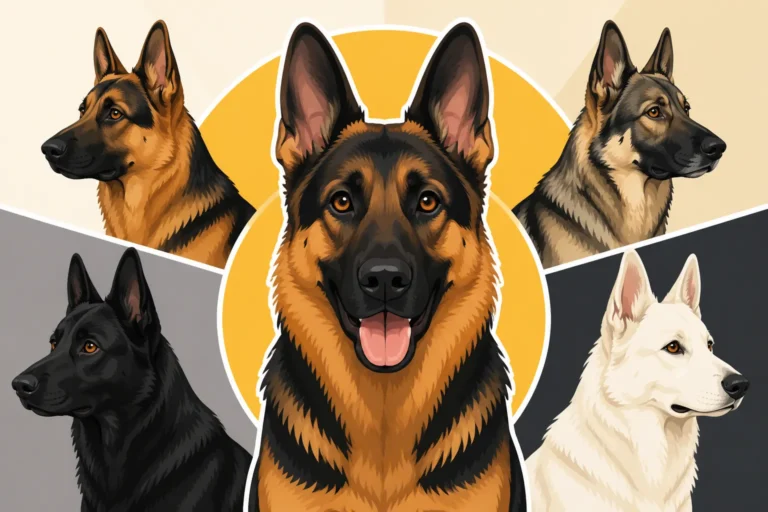
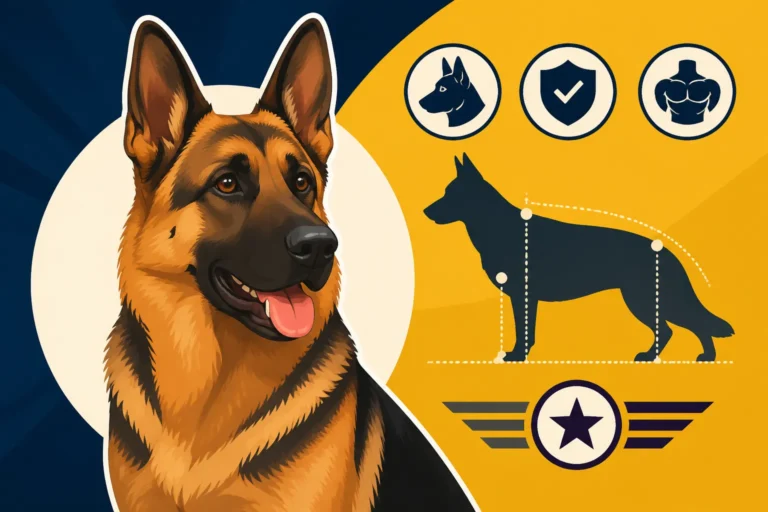
When you look at a Sieger Line German Shepherd, you're observing a dog bred to the German standard of perfection. Their physical conformation is all about balance, power, and efficiency. They possess a strong, athletic build with a deep chest, well-angulated hindquarters, and a powerful, ground-covering gait. Their coats are typically dense and richly pigmented, often displaying the classic black and red, black and tan, or sable colors that are so characteristic of the breed.
It's important to address a common misconception: the "sloped back." While some American show lines have exaggerated rear angulation that gives the appearance of a severely sloped back, the German Sieger Line standard calls for a strong, firm back that flows into a slight incline towards the croup. They are built for endurance and agility, not an extreme, often unsound, appearance. The aim is a harmonious structure that allows for effortless, efficient movement. The dogs seen winning at the German Sieger Show exhibit this balanced, powerful structure.
Temperament and Working Aptitude
Beyond their striking looks, the temperament of a Sieger Line German Shepherd is equally paramount. These dogs are bred to be confident, stable, and incredibly intelligent. They possess a strong nerve and a natural protective instinct, but are never inherently aggressive. They are typically eager to please their handlers and thrive on having a job to do. This balanced temperament makes them adaptable to various roles, whether as a devoted family companion, a working dog in protection sports, or even a therapy dog.
A critical aspect of German breeding, and thus for the Sieger Line, is the requirement for working titles. In Germany, a German Shepherd cannot be bred without first earning a working title, such as an IPO (now IGP) title. This means they must pass rigorous tests demonstrating their obedience, tracking ability, and protection skills. This mandatory working aptitude ensures that the dogs retain the breed's fundamental purpose and intelligence. It prevents the dilution of the working drive that is so integral to the German Shepherd's identity. This commitment to working ability sets the Sieger Line apart, ensuring that these dogs are not just beautiful but also highly capable and trainable. For more on their innate characteristics, check out our guide on German Shepherd Temperament and Personality.
Understanding the Different German Sieger Lines
It can be a bit confusing because "Sieger Line" isn't a separate, distinct breed. Instead, it's a descriptor that almost exclusively refers to a specific type within the broader German Shepherd lineage, primarily the West German Show Line, which prioritizes performance in the annual Sieger Show.
West German Show Line Often Synonymous with Sieger Line
When people talk about a "Sieger Line German Shepherd," they are most often referring to a dog from the West German Show Line. These are the dogs that compete, and often win, at the annual German Sieger Show. The breeding goal for this line is to produce dogs that conform as closely as possible to the German breed standard set by the SV, which means a careful balance of physical beauty (conformation), sound temperament, and proven working ability.
Breeders of West German Show Lines are incredibly meticulous. They emphasize excellent health clearances, ensuring that their breeding stock has clear hips and elbows, which is a significant factor in preventing common issues like German Shepherd Hip Dysplasia Explained and German Shepherd Elbow Dysplasia: Symptoms and Treatment. They also focus heavily on maintaining the breed's characteristic courage and intelligence, often requiring progeny to earn working titles and pass temperament tests before being bred. This integrated approach means that a true Sieger Line dog is typically a well-rounded individual, capable of excelling in both the show ring and in various dog sports.
Distinguishing from Other German Lines Working Lines
While Sieger Line dogs come from Germany and are required to have working titles, it's important to understand the distinction between the West German Show Line (Sieger Line) and the various working lines originating from Germany and surrounding regions. Other German lines include the West German Working Lines, East German (DDR) German Shepherds, and Czech Working Lines.
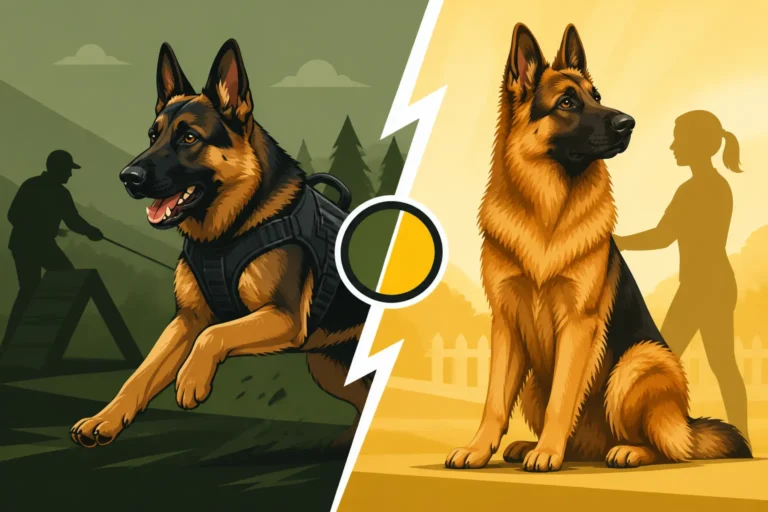
The primary difference lies in the emphasis of their breeding programs. While Sieger Line dogs must demonstrate working ability, their breeding goal equally prioritizes conformation and adherence to the show standard. In contrast, true working lines place an overwhelming emphasis on extreme drive, endurance, and utility for demanding roles such as police work, military, or advanced protection sports like Schutzhund/IGP. For example, a Czech Working Line German Shepherd might have a less "flashy" appearance but possess an incredibly intense drive and resilience for specific working tasks.
Both types of German lines require rigorous health testing and maintain strong, stable temperaments. However, a working line dog's appearance might be less polished than a Sieger Line dog, as structural nuances that might earn points in the show ring are secondary to robust health and unwavering drive. For a deeper dive into these distinctions, our article on Working Line vs Show Line German Shepherd offers a comprehensive comparison.
Health Considerations and Longevity
The robust health of German Shepherds is a cornerstone of the German breeding philosophy, and Sieger Line dogs are no exception. Breeders who adhere to the strict SV standards prioritize health as much as conformation and temperament.
Rigorous Health Testing and Breeding Standards
One of the most significant advantages of dogs from reputable Sieger Lines is the emphasis on extensive health testing. In Germany, for a German Shepherd to receive a Zuchtwert (breeding value) and be eligible for breeding, they must pass stringent health clearances. This includes mandatory hip and elbow certifications, often evaluated through organizations like the SV in Germany, which is equivalent to or even more demanding than OFA or PennHIP in the United States. These evaluations are critical in reducing the incidence of debilitating joint diseases. You can learn more about these evaluations in our guide on German Shepherd Genetic Health Testing.
Beyond hip and elbow dysplasia, responsible Sieger Line breeders also screen for other inherited conditions. For instance, Degenerative Myelopathy (DM), a progressive neurological disease, is a serious concern for the breed. Many breeders will DNA test their dogs for the gene associated with DM, providing transparency to potential puppy buyers. While testing cannot eliminate all risks, it significantly reduces the likelihood of passing on known genetic predispositions. This proactive approach to health is a hallmark of the German Shepherd breeding standard.
Common Health Issues and Lifespan in Sieger Lines
Despite the rigorous testing, it's crucial to understand that no dog breed, or specific line, is entirely immune to health issues. German Shepherds, including Sieger Lines, can still face certain health challenges throughout their lives. Beyond hip and elbow dysplasia, they can be predisposed to conditions like bloat (Gastric Dilatation-Volvulus), certain cancers, and Exocrine Pancreatic Insufficiency (EPI). However, the diligent breeding practices in Sieger Lines aim to minimize these risks by selecting only the healthiest individuals for reproduction. For a comprehensive overview of potential ailments, consider reading our German Shepherd Health Problems Guide.
The typical German Shepherd Lifespan: How Long They Live for a well-bred Sieger Line dog generally falls within the breed average of 9 to 13 years. However, several factors play a role in extending this. A balanced, high-quality diet, appropriate exercise that supports joint health without overtaxing a growing puppy, regular veterinary check-ups, and a loving, low-stress environment are all vital. Ensuring your dog maintains a healthy weight is particularly important for joint health. For tips on maximizing your dog's health and longevity, our article on How to Keep a German Shepherd Healthy provides excellent advice.
Is a Sieger Line German Shepherd Right for You?
Bringing a Sieger Line German Shepherd into your home is a significant decision that requires careful consideration. These are not passive couch potatoes; they are intelligent, active, and deeply devoted dogs that thrive on engagement.
Commitment and Training Requirements
Sieger Line German Shepherds possess high intelligence and a strong desire to work, meaning they require a substantial commitment to training and mental stimulation. They are not dogs that can be left alone in a backyard with minimal interaction. Without proper outlets for their energy and intellect, they can easily become bored, leading to destructive behaviors like excessive barking, digging, or chewing. Consistent, positive reinforcement training is essential from puppyhood, establishing clear boundaries and building a strong bond. Our guide on German Shepherd Obedience Training Basics is a great place to start your journey.
Early and ongoing socialization is equally crucial. Exposing your Sieger Line puppy to a variety of people, places, sounds, and other dogs in a controlled, positive manner helps them develop into well-adjusted, confident adults. They thrive with owners who are committed to their development, understanding that their keen minds and active bodies need daily challenges. They are often excellent candidates for dog sports like agility, obedience, or protection work, which can be fantastic ways to channel their energy and intelligence.
Finding a Reputable Sieger Line Breeder
Given the specific characteristics and rigorous standards associated with Sieger Line German Shepherds, finding a reputable breeder is paramount. This isn't just about finding a dog, but finding a lifelong companion whose health and temperament have been carefully nurtured. A reputable breeder will be transparent about their dogs' pedigrees, health clearances (including hip, elbow, and DM testing), and the temperament of the parent dogs. They should be able to show you where the puppies are raised and allow you to meet the mother, and often the father.
Don't be afraid to ask a lot of questions. A good breeder will also ask you many questions to ensure their puppies are going to suitable homes. They should provide a health guarantee and be a resource for you throughout your dog's life. Avoid breeders who cut corners on health testing, can't provide detailed information about their dogs' lineage, or seem to prioritize profit over animal welfare. While you'll be heading to places like Chewy for your food, toys, and other supplies once your new companion is home, your initial choice of breeder is the single most important factor. Our comprehensive guide on How to Find a Reputable German Shepherd Breeder offers detailed advice on this critical process.
Cost and Long-Term Investment
It's no secret that a well-bred German Shepherd, especially from a prestigious Sieger Line, comes with a higher initial price tag. The German Shepherd Puppy Price Explained for these puppies reflects the extensive health testing of the parents, the breeder's dedication to maintaining the breed standard, the time and resources invested in raising healthy, well-socialized puppies, and often the import costs of top-quality breeding stock. Expect to pay significantly more than you would for a puppy from an unknown background or a pet store. For a full breakdown of initial expenses, see How Much Does a German Shepherd Cost.
However, the initial purchase price is just the beginning. The Cost of Owning a German Shepherd Per Year includes ongoing expenses for premium dog food, veterinary care (including annual check-ups and potential emergency visits), training classes, grooming supplies, and enrichment toys. While the investment in a Sieger Line dog might be higher upfront, the hope is that the rigorous health testing and thoughtful breeding will lead to fewer costly health issues down the road. It's an investment in a dog that is more likely to embody the best traits of the breed and provide years of healthy, happy companionship.
Frequently Asked Questions about Sieger Line German Shepherds
It's common to have more questions when comparing different lines of German Shepherds, especially when navigating the nuances between show and working orientations.
Sieger Line vs. American Show Line
One of the most frequent comparisons is between the German Sieger Line (West German Show Line) and the American Show Line German Shepherd. While both are recognized as German Shepherds, their breeding priorities and the resulting physical characteristics and movement styles are quite different.
Conformation and Movement:
- Sieger Line (German Show): These dogs adhere to the German SV standard, emphasizing a balanced, athletic build with moderate angles. Their movement is powerful, far-reaching, and efficient, designed for endurance. The backline is strong and firm, with a slight, continuous slope from the withers to the croup.
- American Show Line: American lines, as seen in AKC shows, often feature more exaggerated rear angulation, which can give them a dramatically "sloped" appearance. Their movement is often described as "flying trot," with a high, ground-eating stride, but sometimes sacrifices the power and firmness of the German standard.
Breeding Priorities:
- Sieger Line (German Show): Breeding requires extensive health clearances (hips, elbows, temperament tests) and working titles (IGP). The goal is a dog that is beautiful, sound, and capable of working.
- American Show Line: While health testing is done by responsible breeders, working titles are not mandatory for breeding. The primary focus is often on achieving the American show ring aesthetic, which can diverge significantly from the German ideal.
The table below offers a concise comparison:
| Feature | Sieger Line (West German Show) | American Show Line | Working Line (e.g., Czech, DDR) |
|---|---|---|---|
| Primary Focus | Balanced: Conformation, temperament, working ability | Conformation (US show ring aesthetic) | High working drive, utility, health, nerves |
| Appearance | Strong, athletic, well-pigmented, moderate angulation, firm back | Often exaggerated rear angulation, "sloped" appearance, sometimes lighter bone | Robust, less extreme angulation, often more rustic look, less focus on "flash" |
| Temperament | Confident, stable, eager to please, good nerve, intelligent | Generally softer, more focused on companionship, can be more sensitive | Intense drive, high energy, strong prey drive, very resilient |
| Health Testing | Mandatory SV hip/elbow, temperament, working titles, DM tests | By responsible breeders: OFA/PennHIP, some DM testing | Extensive health, often SV hip/elbow, working titles mandatory |
| Movement | Powerful, efficient, ground-covering trot | "Flying trot," often with exaggerated reach | Athletic, agile, built for endurance and speed |
| Ideal Owner | Active families, enthusiasts for dog sports, experienced owners | Companionship-focused owners, show enthusiasts | Highly experienced owners, those seeking sport/protection dogs |
Sieger Line vs. Working Line
This is another area where clarity is essential. As discussed earlier, while Sieger Line dogs are bred in Germany and must earn working titles, they are distinct from what are purely categorized as "working lines."
- Sieger Line's "Work": The working titles (IGP) required for Sieger Line dogs are proof of their inherent temperament, intelligence, and trainability, demonstrating they meet the breed standard for working ability. It shows they can do the work, not necessarily that they are bred for the highest levels of working competition exclusively. Their appearance is still a very high priority.
- True Working Line's "Work": For dogs from dedicated working lines (like Czech Working Line German Shepherd Explained or East German DDR German Shepherd Explained), the emphasis is overwhelmingly on their intrinsic drive, resilience, and aptitude for demanding tasks. These dogs are typically bred for police, military, search and rescue, or high-level Schutzhund/IGP competition. Their physical appearance is secondary to their working capabilities and robust health. They might not win a beauty pageant, but they'll excel in the field.
Both lines produce incredible dogs, but understanding the subtle differences in their breeding goals can help you choose the German Shepherd that best aligns with your lifestyle and expectations.
Disclaimer
Please remember that the information provided in this article is intended for general informational purposes only and does not constitute professional veterinary advice. Always consult with a qualified veterinarian or certified dog trainer for any specific health, training, or behavioral concerns regarding your German Shepherd. Breed characteristics are generalizations, and individual dogs may vary.