How to Prevent EPI in German Shepherds
It’s heartbreaking to watch your vibrant German Shepherd suddenly start to fade, losing weight despite eating, and dealing with chronic, messy diarrhea that just won't seem to go away. This deeply distressing scenario is a reality for many German Shepherd owners confronting Exocrine Pancreatic Insufficiency, or EPI. This guide is here to walk you through understanding EPI, recognizing the factors that contribute to its development, and outlining proactive steps you can take to mitigate its impact and support your beloved companion's long-term health.
Understanding Exocrine Pancreatic Insufficiency in German Shepherds
Exocrine Pancreatic Insufficiency (EPI) is a condition where the pancreas fails to produce enough digestive enzymes. These enzymes are absolutely essential for breaking down fats, carbohydrates, and proteins in food, allowing your dog's body to absorb the vital nutrients. Without them, food essentially passes through undigested, leading to a host of debilitating symptoms. It’s a frustrating and often frightening journey for owners, as their dog is literally starving, even when eating copious amounts of food.
The Pancreas and Its Role in Digestion
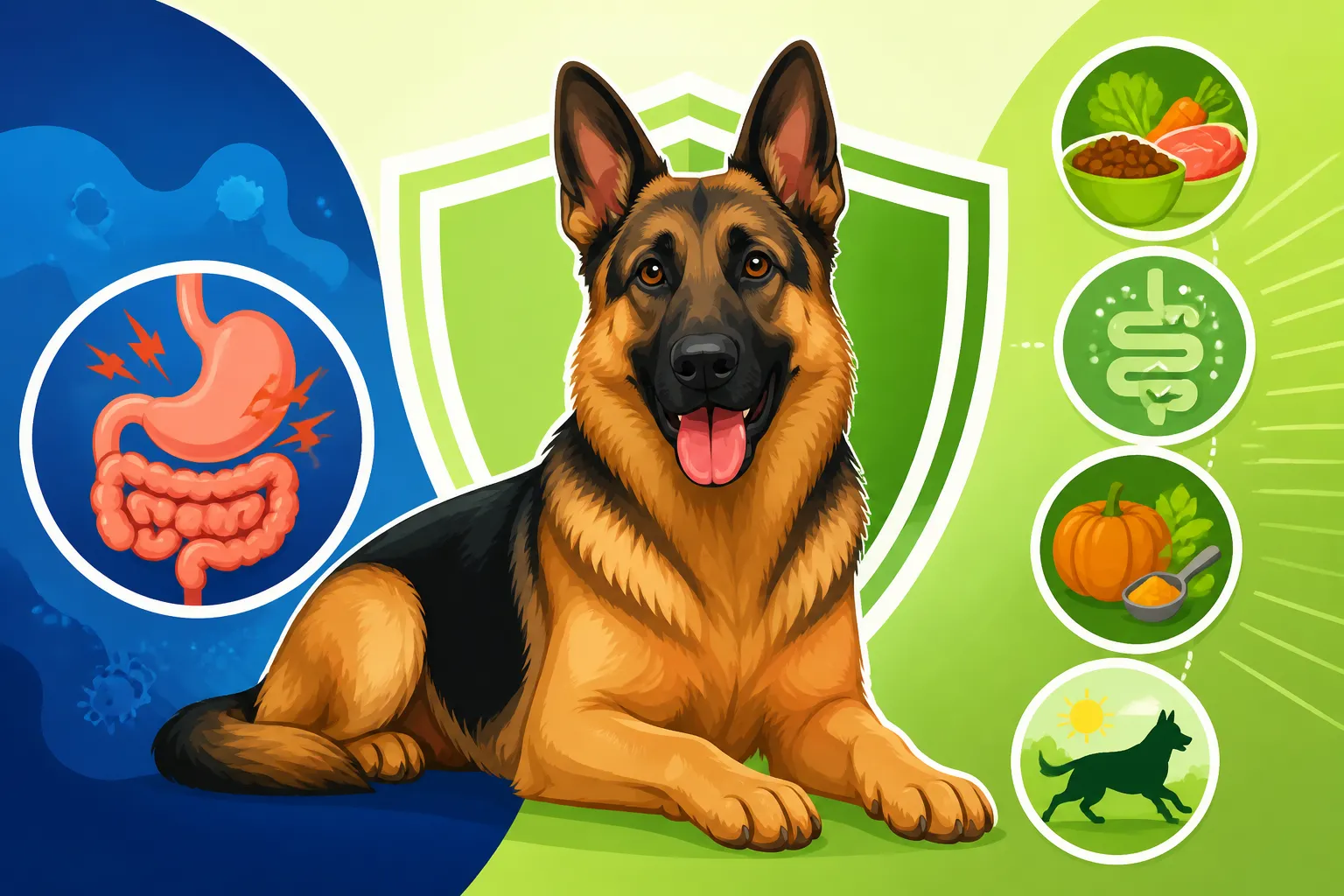
To truly grasp EPI, we first need to appreciate the incredible work of the pancreas. This small, yet mighty, organ sits snugly near the stomach and small intestine. It has two main jobs: an endocrine function, which involves producing hormones like insulin to regulate blood sugar, and an exocrine function, which is our focus here. The exocrine pancreas creates and secretes powerful digestive enzymes—amylase for carbohydrates, lipase for fats, and proteases (like trypsin) for proteins—directly into the small intestine. These enzymes are the unsung heroes of nutrient absorption.
When a German Shepherd has EPI, it's typically due to a condition called Pancreatic Acinar Atrophy (PAA). This is a fancy way of saying the exocrine cells of the pancreas, the ones responsible for making those crucial enzymes, gradually waste away. It's not usually a sudden event but a progressive process, often starting in young to middle-aged dogs. You might not even notice subtle changes until a significant portion of the pancreas's enzyme-producing capacity is gone.
Why German Shepherds Are More Prone to EPI
If you're a German Shepherd owner, you might already know that our magnificent dogs have their fair share of breed-specific health concerns. Unfortunately, EPI is one of them. While any dog can theoretically develop EPI, German Shepherds, along with a few other breeds like Rough Collies and English Setters, have a significant genetic predisposition to Pancreatic Acinar Atrophy. This means it's often passed down through family lines, making responsible breeding practices absolutely critical.
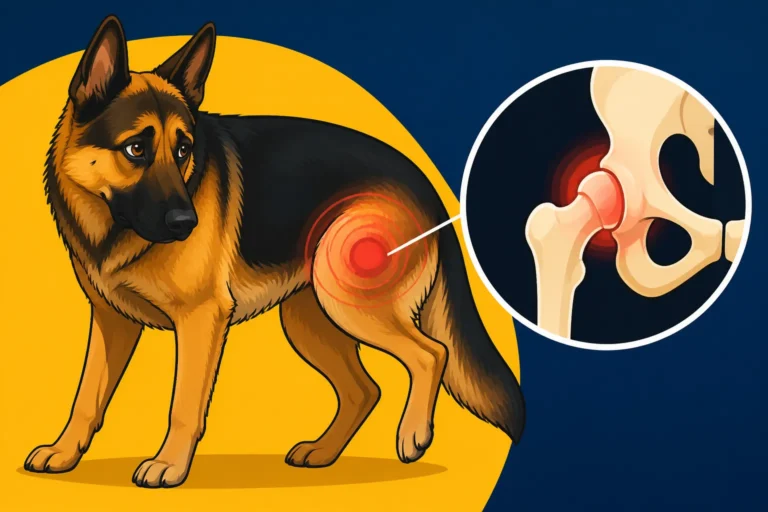
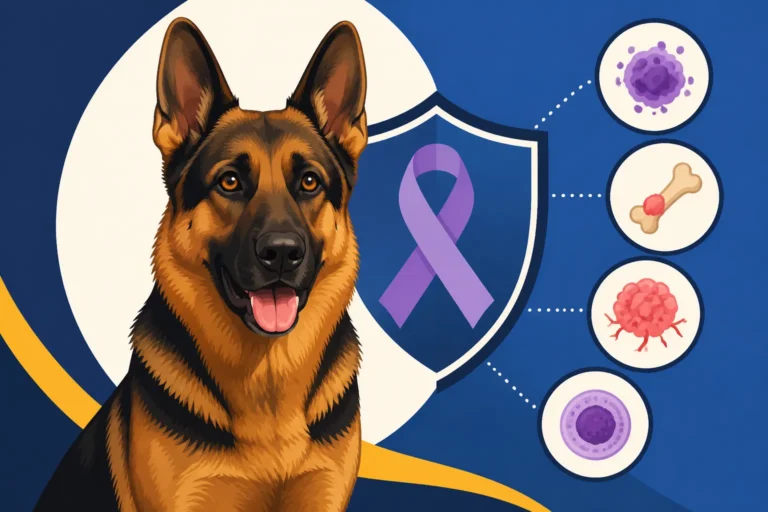
It's not just a higher incidence; German Shepherds tend to present with more severe symptoms and can be harder to stabilize compared to other breeds once diagnosed. This genetic component is a huge reason why awareness and proactive measures, especially when considering a puppy, are so vital for German Shepherd owners. We love their intelligence and loyalty, but we also have to be aware of their vulnerabilities, including conditions like EPI, hip dysplasia, and certain types of cancer.
Common Symptoms of EPI to Watch For
The symptoms of EPI can be quite distressing and are often mistaken for other gastrointestinal issues initially. It’s important to know what to look for, as early intervention can make a significant difference in managing the condition and improving your dog's quality of life.
- Chronic Diarrhea: This is often the hallmark symptom. The stool is typically voluminous, pale yellow or gray, greasy, and has a very strong, foul odor. It’s due to the undigested fat passing through the digestive tract.
- Weight Loss Despite Good Appetite: This is the most frustrating symptom for many owners. Your dog is eating enthusiastically, sometimes even more than usual, but continues to lose weight, becoming thin and sometimes emaciated. They're literally starving, even though their bowl is full.
- Poor Coat Condition: A dull, dry, and brittle coat can be another sign of nutrient malabsorption.
- Coprophagia (Eating Feces) or Pica (Eating Non-Food Items): Dogs with EPI are desperately trying to get nutrients, so they might resort to eating their own stool or other strange items in an attempt to supplement their diet.
- Flatulence and Abdominal Rumbling: The fermentation of undigested food in the gut can lead to excessive gas and loud gurgling noises from the abdomen.
- Vomiting (Less Common): While not as common as diarrhea, some dogs with EPI may experience occasional vomiting.
If you observe a combination of these symptoms in your German Shepherd, especially persistent diarrhea and weight loss, it’s crucial to contact your veterinarian immediately for proper diagnosis. A simple blood test called a cTLI (canine Trypsin-Like Immunoreactivity) test can confirm EPI. Early diagnosis and management are key to preventing further deterioration and improving your dog's well-being.
Proactive Steps to Support Pancreatic Health
While the genetic predisposition to EPI in German Shepherds means we can't always "prevent" it in the strictest sense, we can take significant proactive steps. These steps focus on responsible breeding, diet, and careful monitoring to either reduce the likelihood of it developing, lessen its severity, or ensure early diagnosis and management if it does emerge.
Responsible Breeding Practices and Genetic Testing
This is arguably the most crucial preventative measure against EPI in German Shepherds. Because Pancreatic Acinar Atrophy (PAA), the most common cause of EPI in GSDs, is largely hereditary, choosing a puppy from a reputable breeder is paramount. A responsible breeder will prioritize the health of their breeding stock and understand the genetic vulnerabilities of the breed.
When seeking a German Shepherd puppy, always ask about the health history of the parents and their lineage. Inquire if there’s any history of EPI in their lines. While there isn't a specific DNA test for EPI predisposition like there is for, say, German Shepherd DM DNA Testing Explained, breeders should be vigilant. They should track the health outcomes of previous litters and retire any dog from breeding that has produced offspring with EPI or has developed the condition themselves. This commitment to transparency and health is a hallmark of a good breeder and significantly reduces the risk of you bringing home a puppy predisposed to this debilitating condition. Understanding German Shepherd Genetic Health Testing in general can empower you to ask the right questions.
Dietary Considerations and Nutritional Support
Diet plays a huge role in overall digestive health and can be a significant factor in managing symptoms even if your dog is genetically predisposed to EPI. While diet alone can't cure or completely prevent EPI, a supportive diet can make a huge difference.
- Easily Digestible Food: Opt for high-quality commercial dog foods specifically formulated for sensitive stomachs or large breeds. These foods often contain easily digestible ingredients, moderate fat content, and adequate fiber. Look for foods with whole meat sources as the primary ingredient and avoid excessive fillers, artificial colors, or preservatives. Some owners find success with specialized veterinary diets.
- Low to Moderate Fat Content: Although fat malabsorption is a major issue with EPI, a diet that's extremely low in fat might not be ideal for a German Shepherd's energy needs. The key is moderate, digestible fat. Too much fat can exacerbate diarrhea if enzymes aren't present.
- Probiotics and Prebiotics: Supporting a healthy gut microbiome can assist with digestion and nutrient absorption, even when pancreatic enzymes are insufficient. Many quality dog foods include prebiotics, and you can add a canine-specific probiotic supplement. This can help prevent secondary issues like Small Intestinal Bacterial Overgrowth (SIBO), which often accompanies EPI.
- Fiber Levels: Moderate fiber is generally beneficial for gut health. However, very high fiber diets can sometimes interfere with nutrient absorption, so striking the right balance is important. Discuss this with your vet.
It's also worth considering meal frequency. Instead of one or two large meals, dividing your German Shepherd’s daily food intake into three or four smaller meals can sometimes make it easier on their digestive system, reducing the load on a potentially compromised pancreas. For dogs already diagnosed, supplemental enzymes mixed with their food are non-negotiable, but a good base diet is still essential. For more detailed insights on managing digestive issues, check out our guide on German Shepherd EPI Diet and Management.
Regular Veterinary Check-ups and Monitoring
Consistent veterinary care is your best line of defense. Regular check-ups, especially for a breed prone to specific health issues, allow your vet to establish a baseline of health and catch subtle changes early. Discussing any unusual symptoms, even seemingly minor ones like intermittent loose stool or a slight change in appetite, with your vet is crucial.
During annual exams, your vet might recommend routine blood work, including a cTLI test, if they have any concerns about digestive health, particularly in a German Shepherd. This is especially true if you’ve noticed any of the early, vague symptoms mentioned earlier. Early diagnosis is pivotal for EPI because the longer the condition goes untreated, the more damage can occur due to malabsorption and the harder it can be to reverse the secondary complications. Investing in regular vet care, which can be supported by pet insurance plans like those from Healthy Paws, is an investment in your dog's future. Healthy Paws can help make those essential diagnostic tests and ongoing treatments more accessible.
Mitigating Risk and Early Intervention
Even with the best breeding practices, some German Shepherds may still develop EPI due to the genetic lottery. The next best thing to outright prevention is diligent risk mitigation and rapid, effective intervention at the first sign of trouble. This means understanding how other health issues can complicate EPI and being prepared for the diagnostic process.
Recognizing and Addressing Co-occurring Conditions
EPI rarely travels alone. German Shepherds with EPI are often prone to other digestive or health problems that can either mimic EPI symptoms or exacerbate the condition.
- Small Intestinal Bacterial Overgrowth (SIBO): This is incredibly common in dogs with EPI. Without the proper digestive enzymes, undigested food ferments in the small intestine, creating an ideal environment for harmful bacteria to overgrow. SIBO can cause its own set of issues, including diarrhea, gas, and poor nutrient absorption, making EPI symptoms even worse. Treating SIBO with appropriate antibiotics is often necessary alongside enzyme replacement therapy.
- Food Allergies or Sensitivities: Some German Shepherds may also have underlying food allergies or sensitivities that compound their digestive distress. If your dog is diagnosed with EPI but isn't responding fully to enzyme therapy, your vet might explore a hypoallergenic diet trial to rule out or manage concurrent allergies. Our article on German Shepherd Food Allergy Symptoms can offer more insights.
- Inflammatory Bowel Disease (IBD): In some cases, chronic inflammation in the intestines (IBD) can coexist with EPI, making diagnosis and treatment more complex. Managing IBD requires a specific approach, often involving dietary changes and anti-inflammatory medications.
- Vitamin Deficiencies: Due to malabsorption, dogs with EPI often develop deficiencies in fat-soluble vitamins (A, D, E, K) and Vitamin B12 (cobalamin). Monitoring B12 levels and providing supplementation is a critical part of EPI management.
Addressing these co-occurring conditions is just as important as treating the EPI itself. It often requires a multi-faceted approach and close collaboration with your veterinarian.
Early Diagnostic Steps and Confirmation
If you suspect your German Shepherd might have EPI based on symptoms like weight loss, chronic diarrhea, and ravenous appetite, don't delay in seeking veterinary attention. The diagnostic process is relatively straightforward.
- Veterinary Examination: Your vet will conduct a thorough physical exam, checking your dog's overall condition, listening to their abdomen, and discussing their diet and symptoms in detail.
- Blood Work (cTLI Test): The definitive diagnostic test for EPI is the canine Trypsin-Like Immunoreactivity (cTLI) test. This is a simple blood test that measures the levels of trypsinogen and trypsin, which are enzymes produced by the pancreas. A very low cTLI level is diagnostic of EPI. It's crucial that this test is performed after a 12-hour fast for the most accurate results.
- Fecal Tests: While not diagnostic for EPI, fecal tests might be done to rule out other causes of diarrhea, such as parasites.
- Vitamin B12 Levels: Your vet will likely also recommend checking your dog’s serum Vitamin B12 (cobalamin) levels. As mentioned, B12 deficiency is very common in EPI dogs and requires supplementation, often via injections initially.
Getting an accurate diagnosis quickly is crucial. Once confirmed, your vet can immediately start your German Shepherd on enzyme replacement therapy. The cost of diagnosing and managing EPI can be substantial, and having pet insurance like Healthy Paws can truly alleviate some of that financial burden, allowing you to focus on your dog's recovery without added financial stress. They provide peace of mind when unexpected health challenges arise.
Long-Term Management and Supportive Care
While EPI isn't curable, it is highly manageable with consistent, lifelong treatment. The goal of long-term management is to restore proper digestion, ensure nutrient absorption, resolve clinical signs, and allow your German Shepherd to live a full, comfortable life. This requires commitment from the owner, but the results are incredibly rewarding.
Enzyme Replacement Therapy
This is the cornerstone of EPI treatment. Since your German Shepherd's pancreas isn't producing enough enzymes, you need to provide them externally.
- Pancreatic Enzyme Supplements: These supplements contain a concentrated mix of the digestive enzymes (amylase, lipase, protease) that your dog is lacking. They are typically given as a powder that you mix thoroughly with each meal. It's vital to mix the enzymes with the food for at least 20-30 minutes before feeding. This "pre-digestion" step allows the enzymes to activate and start breaking down the food even before it enters your dog's stomach, improving their effectiveness. Always follow your vet's dosage recommendations; the amount can vary based on the severity of the EPI and the type of food being fed.
- Raw Pancreas (Less Common): Some owners opt to feed raw beef or pig pancreas, which naturally contains digestive enzymes. However, this method can be less consistent in enzyme concentration and carries risks associated with feeding raw meat, such as bacterial contamination. Most vets recommend commercial enzyme supplements due to their consistency and safety.
It can take a little trial and error to find the exact dosage and feeding method that works best for your individual German Shepherd. Patience and close communication with your vet are key during this adjustment period.
Dietary Adjustments and Monitoring Progress
Beyond the initial dietary considerations, continuous monitoring and adjustment are vital for long-term success.
- Consistency is Key: Once you find a food and enzyme dosage that works, try to stick with it consistently. Sudden changes in diet can upset the delicate balance you've achieved.
- Assess Stool Quality: This is your primary indicator of treatment effectiveness. You're looking for well-formed, brown, firm stool, free of excessive grease or foul odor. If the stool becomes loose, greasy, or smelly again, it might indicate a need to adjust enzyme dosage, diet, or investigate for co-occurring conditions.
- Weight Monitoring: Regularly weigh your German Shepherd to ensure they are maintaining a healthy weight. Weight gain or stabilization is a positive sign that nutrients are being absorbed.
- Avoid High-Fiber Diets: While some fiber is good, very high fiber content can sometimes interfere with enzyme activity or nutrient absorption in EPI dogs. Discuss appropriate fiber levels with your vet.
- No Raw Feeding (Generally): While raw pancreas is sometimes used, a full raw diet can be challenging to manage for EPI dogs, as it requires careful balance and can potentially introduce bacteria that exacerbate gut issues. Cooked, digestible diets are generally preferred.
Addressing Secondary Complications
As mentioned, secondary complications like SIBO and Vitamin B12 deficiency are common and must be managed alongside enzyme therapy.
- Antibiotics for SIBO: If SIBO is suspected or confirmed (often through a canine Folate/B12 test, or by clinical response), your vet will prescribe a course of antibiotics, typically Tylan (tylosin) or metronidazole. This helps reduce the overgrowth of harmful bacteria in the small intestine.
- Vitamin B12 Supplementation: Dogs with EPI often cannot absorb Vitamin B12 from their food. This requires regular B12 injections, especially initially, to restore levels. Once levels are stable, oral B12 supplements might be an option for some dogs. Your vet will monitor B12 levels with blood tests.
Managing EPI effectively is a marathon, not a sprint. It requires dedication, but with the right veterinary guidance and consistent care, your German Shepherd can overcome the challenges of EPI and live a happy, healthy life. Remember, resources like our guide on German Shepherd EPI: Symptoms and Treatment offer even more detailed strategies.
Supporting Your German Shepherd's Overall Digestive Wellness
Beyond the specific management of EPI, a holistic approach to your German Shepherd's digestive wellness can play a significant role in preventing secondary issues and supporting their overall health. Many of these general tips are good practice for any German Shepherd owner, but they become even more critical when managing a sensitive digestive system.
Stress Reduction and a Stable Environment
Stress can negatively impact a dog’s digestive system. Just like in humans, a stressed dog can experience changes in gut motility, inflammation, and even appetite. For a German Shepherd, especially one predisposed to or dealing with EPI, minimizing stress is incredibly important.
- Routine and Predictability: German Shepherds thrive on routine. A predictable schedule for feeding, exercise, and potty breaks can reduce anxiety.
- Adequate Exercise and Mental Stimulation: A well-exercised and mentally stimulated German Shepherd is generally a calmer, less stressed dog. Ensure they get enough physical activity appropriate for their age and condition, and plenty of Best Mental Stimulation for German Shepherds to keep their sharp minds engaged.
- Safe and Comfortable Space: Ensure your German Shepherd has a quiet, comfortable place to retreat to when they need to rest or feel overwhelmed.
- Positive Reinforcement Training: Training with positive reinforcement builds confidence and strengthens your bond, which reduces overall stress levels. This is particularly relevant given their intelligence and need for mental engagement, as detailed in our comprehensive German Shepherd Puppy Training Guide.
A happy, calm dog is often a dog with a healthier gut.
Avoiding Sudden Dietary Changes and Unsuitable Foods
We've touched on this for EPI-specific diets, but it bears repeating for general digestive health. Sudden changes in food can trigger gastrointestinal upset in any dog, but especially in those with sensitive systems.
- Gradual Transitions: If you need to change your dog's food, always do so gradually over 7-10 days, mixing increasing amounts of the new food with decreasing amounts of the old.
- Limit Table Scraps: While it's tempting to share, many human foods are too rich, fatty, or contain ingredients that are toxic or difficult for dogs to digest. Stick to canine-specific treats and avoid giving significant amounts of table scraps.
- Safe Chews and Toys: Ensure any chews or toys your dog has access to are safe and won't splinter or be ingested in large, indigestible pieces, which can cause digestive blockage or irritation.
For dogs with EPI, even a small amount of an unsuitable food without enzymes can lead to a significant setback in their digestive stability. It's crucial to be vigilant about what goes into their mouths.
Maintaining Hydration and Gut Motility
Proper hydration is foundational for good digestion and overall health. Water helps move food through the digestive tract and prevents constipation.
- Fresh Water Access: Always ensure your German Shepherd has access to fresh, clean water.
- Water Bowl Hygiene: Clean their water bowls daily to prevent bacterial buildup.
- Consider Wet Food: If your dog struggles with hydration, incorporating some wet food into their diet or adding water to their kibble can increase their fluid intake.
- Exercise for Motility: Regular, moderate exercise helps maintain healthy gut motility. A sedentary lifestyle can sometimes contribute to sluggish digestion. Our guide on German Shepherd Exercise Requirements can provide a solid framework for daily activity.
By focusing on these broader aspects of wellness, you're not just managing EPI symptoms, but you’re also fostering a robust internal environment that can better cope with any digestive challenges. Keeping a German Shepherd Healthy requires a multi-pronged approach, and digestive health is a huge piece of that puzzle.
Conclusion: A Proactive Approach to Your German Shepherd's EPI Risk
The journey of understanding and managing Exocrine Pancreatic Insufficiency in German Shepherds can feel overwhelming, but it's important to remember that you're not alone. While we can't completely prevent a genetically predisposed condition like EPI, taking a proactive and informed approach empowers you to give your beloved companion the best possible chance at a healthy life.
From meticulously researching reputable breeders who prioritize genetic health, to providing a balanced and easily digestible diet, and establishing a routine of regular veterinary check-ups—these steps are all part of being a responsible German Shepherd owner. Early detection through diagnostic tools like the cTLI test is a game-changer, allowing for prompt initiation of enzyme replacement therapy and management of any secondary complications like SIBO or B12 deficiency. With dedication, consistent care, and a strong partnership with your vet, a German Shepherd with EPI can absolutely thrive. Your commitment to their well-being truly makes all the difference.
Disclaimer
The information provided in this article is for informational purposes only and does not constitute veterinary advice. Always consult with a qualified veterinarian for any health concerns or before making any decisions related to your pet's health and treatment plan.