German Shepherd Panosteitis (Growing Pains)
It’s truly unnerving when your energetic German Shepherd puppy, full of boundless joy one moment, suddenly starts limping the next. You watch them gingerly favor a leg, your heart sinks, and a million questions race through your mind. Is it a severe injury? Is something seriously wrong? This on-again, off-again limping, often dismissed as "just growing pains," can be incredibly stressful for dedicated German Shepherd owners. This comprehensive guide will pull back the curtain on what German Shepherd Panosteitis truly is, helping you understand, diagnose, and manage this common but perplexing condition.
Understanding German Shepherd Panosteitis
Panosteitis, often affectionately (or perhaps, frustratingly) called "Pano" or "growing pains," is a self-limiting inflammatory condition that affects the long bones of rapidly growing, large breed puppies. It's not usually life-threatening, but it can certainly cause a lot of discomfort and worry for both the puppy and their human family. The frustration comes from its unpredictable nature – one day your pup is fine, the next they're limping, and then just as suddenly, they're back to normal, only for the limp to reappear in a different leg.
What Exactly Is Panosteitis?
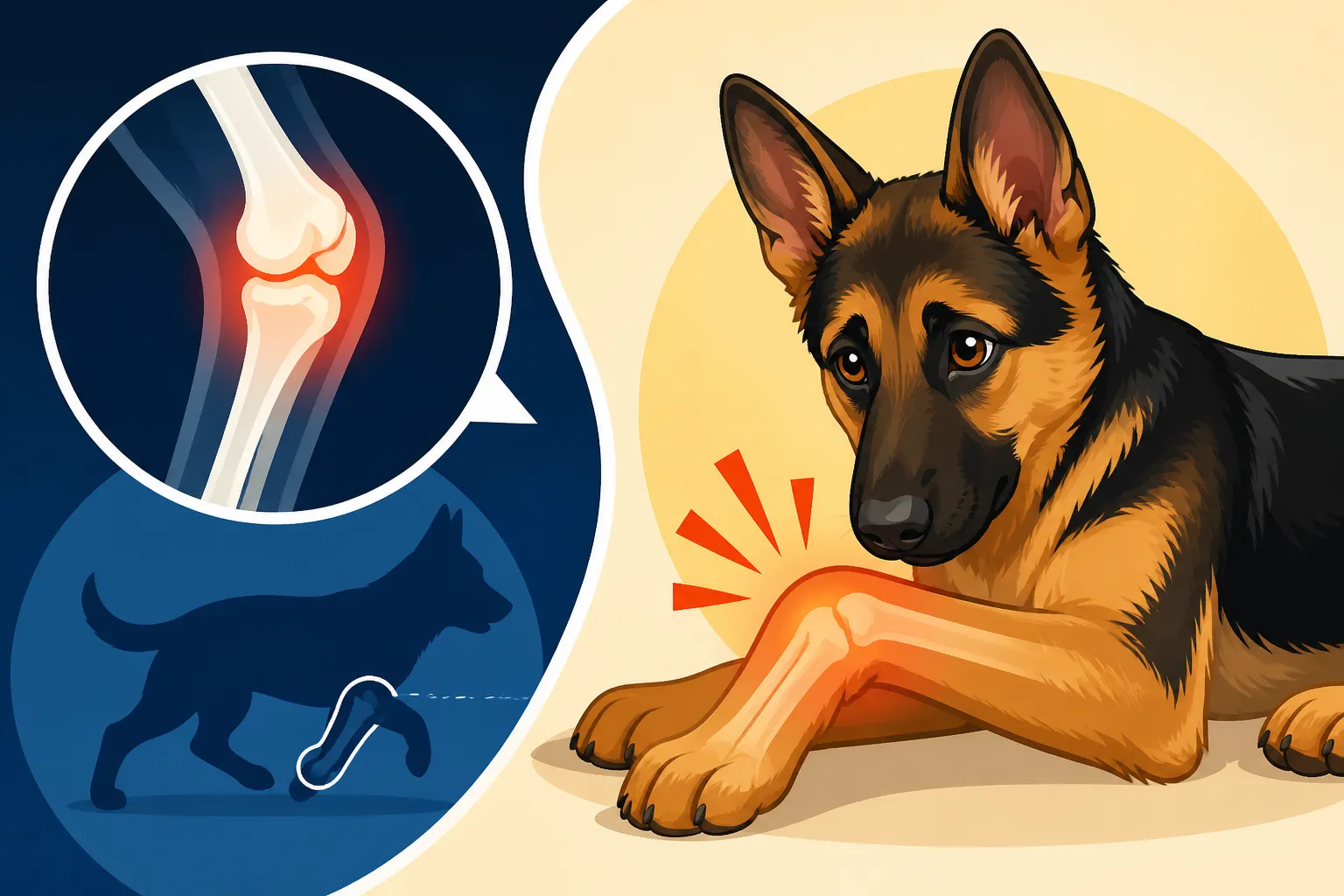
Panosteitis refers to the inflammation of the outer surface (periosteum) and inner marrow cavity of the long bones, primarily in the legs. Imagine the growth spurt your German Shepherd puppy is going through – their bones are literally stretching and developing at an incredible rate. Sometimes, during this rapid growth, the tissues inside and around the bones become inflamed, leading to pain. It’s most commonly seen in German Shepherds, but also affects other large and giant breeds like Doberman Pinschers, Great Danes, and Basset Hounds.
While the exact cause isn't fully understood, veterinary science suggests a combination of factors. Rapid growth plays a huge role, often exacerbated by high-protein or calcium-rich diets designed for average-sized breeds, which can be too much for a rapidly developing large breed puppy. Genetic predisposition is also suspected, given the breed-specific prevalence. Even stress, infection, or autoimmune reactions have been considered contributing factors, though not definitively proven. This uncertainty can be maddening when all you want is a clear answer for your suffering pup.
Recognizable Symptoms of Growing Pains
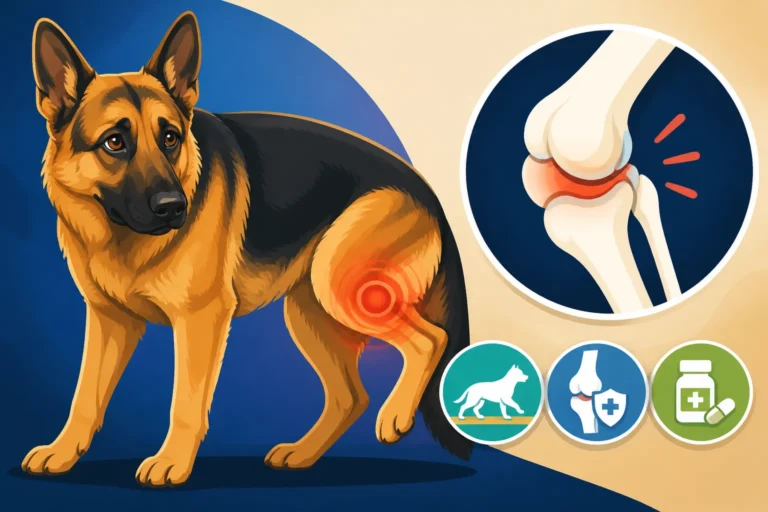
The hallmark symptom of Panosteitis is a sudden, unexplained lameness that often shifts from one leg to another. Your German Shepherd might be limping on their front left leg today, perfectly fine tomorrow, and then limping on their back right leg the day after. This migratory lameness is a huge clue. Owners often report their puppy yelping when picked up or showing reluctance to play or exercise, which is heartbreaking when you know how much they usually love activity.
Other signs can include:
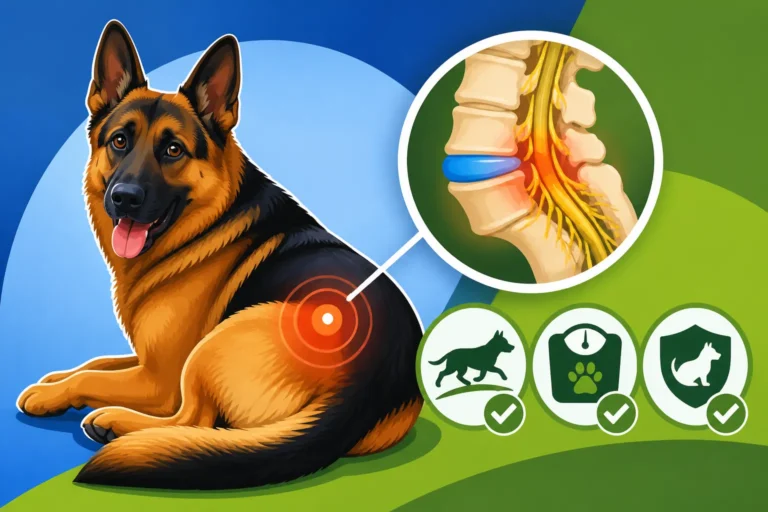
- Pain: Pressing on the affected bone, usually the humerus (upper front leg), radius/ulna (lower front leg), or femur/tibia (back legs), might elicit a pain response.
- Lethargy: A puppy in pain won't have the same energy level. They might sleep more or seem generally subdued.
- Fever: While not always present, a low-grade fever can sometimes accompany the inflammation.
- Loss of Appetite: Pain can sometimes cause a temporary decrease in appetite.
- Muscle Wasting: In severe, prolonged cases where a leg is heavily favored, you might notice some muscle atrophy, though this is less common with the shifting nature of Panosteitis.
It's crucial to remember that these symptoms can also mimic other, more serious conditions, such as German Shepherd Hip Dysplasia: Symptoms and Treatment, German Shepherd Elbow Dysplasia: Symptoms and Treatment, or even bone fractures. This is why a proper veterinary diagnosis is absolutely essential, especially if you're asking, "German Shepherd Limping: When to Worry?".
Diagnosing Panosteitis in German Shepherds
When your German Shepherd puppy starts limping, your first stop should always be the vet. They’ll conduct a thorough physical examination, feeling along your puppy's legs for pain and swelling. If your vet suspects Panosteitis, X-rays will be the primary diagnostic tool. The X-rays will show characteristic changes in the bone marrow, such as increased density (sclerosis) or patchy, cloudy areas within the long bones. These changes might not be visible in the very early stages, or they might be subtle, making diagnosis a bit tricky. Sometimes, repeated X-rays over several weeks are necessary to confirm the diagnosis as the condition progresses.
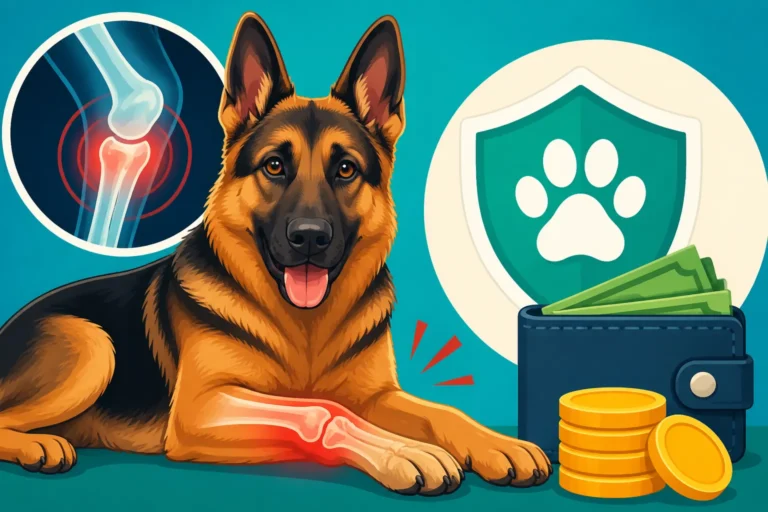
The good news is that blood tests are usually normal in cases of Panosteitis, which helps rule out other inflammatory or infectious conditions. Your vet's expertise in differentiating Panosteitis from other orthopedic issues is invaluable. Don't hesitate to ask questions during this process. Understanding what your vet is looking for and why certain tests are being done can alleviate some of your anxiety. Having pet insurance, like a plan from Healthy Paws, can certainly help ease the financial stress of diagnostic imaging and repeated vet visits during this uncertain time.
Navigating the Diagnosis and Treatment for Panosteitis
Receiving a diagnosis of Panosteitis can bring a mixed bag of emotions. On one hand, it's a relief to know it's not a catastrophic, lifelong condition. On the other, you're still left with a puppy in pain and a condition that needs management. The key is to focus on comfort and supportive care, allowing your German Shepherd puppy to grow through it safely.
What to Expect After a Diagnosis
Once Panosteitis is diagnosed, your vet will likely outline a plan centered on pain management and restricted activity. The most important thing to understand is that Panosteitis is a self-limiting condition, meaning it will eventually resolve on its own as your puppy matures. This usually happens between 5 and 18 months of age, though some cases can linger a bit longer. The episodes of lameness can last from a few days to several weeks, and they can recur until your puppy finishes its rapid growth phase.
This can feel like an eternity when your pup is struggling. It's a test of patience, and it truly emphasizes the importance of understanding German Shepherd Puppy Training Guide and German Shepherd Exercise Requirements to avoid over-exertion during this sensitive time. While it’s rarely a cause for long-term joint problems, repeated inflammation can, in very rare cases, contribute to other orthopedic issues down the line, so careful management is key.
Pain Management Strategies
Alleviating your German Shepherd's pain is paramount. Your veterinarian will typically prescribe non-steroidal anti-inflammatory drugs (NSAIDs) such as carprofen (Rimadyl), meloxicam (Metacam), or firocoxib (Previcox). These medications help reduce inflammation and control pain, making your puppy much more comfortable. It's crucial to administer these exactly as prescribed and never to give human pain medication, as many are toxic to dogs. Your vet might also suggest a course of mild pain relievers or even gabapentin in more severe cases of discomfort.
Beyond medication, several supportive measures can make a big difference:
- Rest: Limiting strenuous exercise is critical. This doesn't mean no activity at all, but structured, short, leashed walks are preferable to rough-and-tumble play or long runs. Think quiet indoor play rather than dog park sprints.
- Warmth: Applying a warm compress to the painful areas for 10-15 minutes a few times a day can help soothe inflamed tissues and increase blood flow, providing some relief.
- Soft Bedding: A comfortable, orthopedic bed can reduce pressure on painful joints and bones, making rest much more enjoyable for your pup.
- Massage: Gentle massage around the affected areas, if your dog tolerates it, can also help improve circulation and ease muscle tension.
Always keep open communication with your vet about your dog's pain levels. If the prescribed medication isn't providing sufficient relief, don't hesitate to reach out. Adjustments may be needed, or there might be another underlying issue at play. For serious incidents, having a good pet insurance plan like Healthy Paws can be a lifesaver, covering unexpected vet bills for diagnostics and medications.
Practical Care and Monitoring at Home
Living with a German Shepherd puppy prone to Panosteitis episodes requires a bit of adaptation at home. You’ll need to become adept at observing your dog for subtle signs of discomfort. Watch their gait, their willingness to jump, and how they react when you gently touch their legs. Keeping a journal of when lameness occurs, which leg is affected, and how long it lasts can be incredibly helpful information to share with your vet.
During flare-ups, you might need to adjust their daily routine significantly. This means:
- Controlled Exercise: Strictly avoid high-impact activities. Leash walks are fine, but keep them short and controlled. Avoid jumping, running on hard surfaces, or prolonged play sessions. Think about mental stimulation instead of purely physical — puzzle toys and training sessions can keep their brilliant minds engaged without straining their bones.
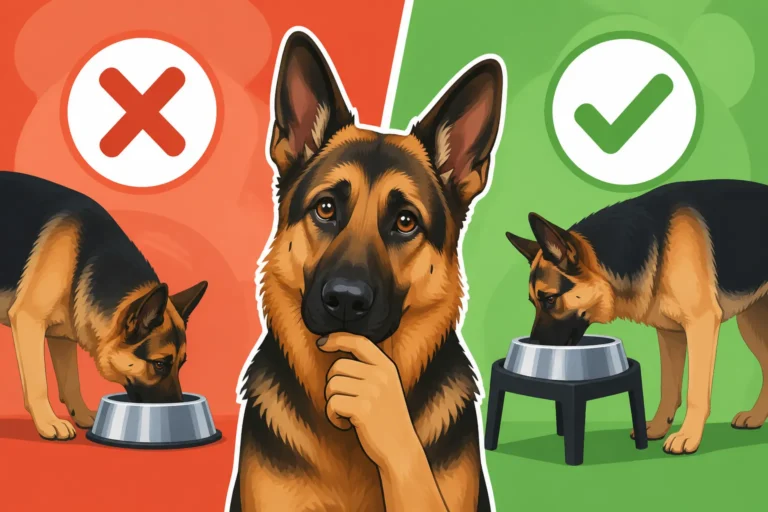
- Monitoring Food Intake: Ensure your German Shepherd is eating a high-quality, large-breed puppy food appropriate for their developmental stage. Over-nutrition or diets too high in protein/calcium can exacerbate rapid growth and potentially worsen Panosteitis. This is a common concern addressed in our guide, German Shepherd Puppy Feeding Schedule.
- Comfort is Key: Provide easy access to water, a comfortable bed, and a quiet space where they can rest without being disturbed by other pets or children.
- Regular Vet Check-ups: Even if the pain subsides, regular check-ups with your vet are important to monitor bone development and ensure no other issues are emerging. They can help track their progress and suggest adjustments to their care plan.
Supporting Your German Shepherd Through Growing Pains
While Panosteitis will eventually run its course, your role as a German Shepherd owner is to provide the best possible supportive care to make this period as comfortable and low-stress as possible. This involves thoughtful nutrition, appropriate exercise, and a general understanding of their developmental stage.
Nutritional Considerations and Supplements
Proper nutrition is foundational for any growing German Shepherd, but it's especially critical when dealing with Panosteitis. The goal is to support healthy, steady growth, not rapid acceleration. This means selecting a high-quality, large-breed puppy food that is formulated to prevent overly fast bone development. Look for foods that have controlled calcium and phosphorus levels and a balanced protein content. Brands like Royal Canin German Shepherd Puppy or Purina Pro Plan Large Breed Puppy are often recommended for their carefully balanced formulas, ensuring your pup gets what they need without excess. You might find our article on Best Puppy Food for German Shepherds helpful here.
Regarding supplements, always consult your veterinarian before adding anything to your dog's diet. While some joint supplements containing glucosamine, chondroitin, or omega-3 fatty acids might be beneficial for overall joint health in the long run, their direct impact on acute Panosteitis pain is less clear. They primarily support cartilage health, not bone inflammation. Your vet might suggest them as part of a holistic approach to German Shepherd Joint Health Supplements once the acute phase passes, but they are not a substitute for prescribed pain medication during a flare-up.
Appropriate Exercise and Activity Levels
This is perhaps one of the most challenging aspects for German Shepherd owners. These dogs are built for activity and thrive on having a job to do. However, during episodes of Panosteitis, rigorous exercise can worsen the inflammation and prolong recovery. The key is moderation and avoiding high-impact activities.
- Puppy Play: While tempting to let them romp freely, avoid extended periods of uncontrolled running, jumping, and rough play, especially with other dogs. Short, supervised play sessions on soft surfaces are better.
- Leashed Walks: Stick to consistent, moderate-length walks on a leash on softer surfaces like grass or dirt trails, rather than pavement. This allows for controlled movement without excessive strain.
- Mental Stimulation: Since physical activity needs to be curtailed, double down on mental stimulation. Puzzle toys, scent work, short training sessions (learning new tricks), and interactive games can help burn off mental energy and keep your smart German Shepherd engaged without putting stress on their developing bones.
- Swimming (with caution): If available and your puppy enjoys it, swimming can be an excellent low-impact exercise during recovery, as long as it's not overdone and done safely.
It's a fine balance. You don't want to turn your active pup into a couch potato, but you also need to protect their healing bones. Remember that How Much Exercise Is Too Much for a Puppy is a critical consideration during growth spurts, even without Panosteitis.
Long-Term Outlook for German Shepherds with Panosteitis
The good news is that the long-term prognosis for German Shepherds diagnosed with Panosteitis is excellent. Most puppies make a full recovery with no lasting effects. Once they reach skeletal maturity, which is typically around 18-24 months for German Shepherds, the condition usually resolves completely and does not return. This means your beloved companion should go on to live a full, active life without chronic pain from Panosteitis.
However, it’s important to stay vigilant for other potential orthopedic issues that German Shepherds can be prone to, such as hip or elbow dysplasia. While Panosteitis itself doesn't cause these, a puppy showing signs of growth-related pain should always be carefully monitored. Regular check-ups and discussions with your vet about your dog's overall German Shepherd Health Problems Guide are vital. Understanding your German Shepherd Lifespan: How Long They Live means ensuring they have the healthiest start possible.
Preventative Measures and What Not To Do
While Panosteitis is largely a condition that puppies "grow out of," there are definitely steps you can take to support healthy development and potentially reduce the severity or frequency of episodes. It's about proactive care and avoiding common pitfalls.
Common Misconceptions and Myths
There are a lot of old wives' tales and misconceptions floating around about growing pains. Let's clear some up:
- "It's just growing pains, nothing to worry about." While Panosteitis is self-limiting, it is painful. Ignoring the pain and not seeking veterinary care can prolong suffering and potentially mask more serious underlying conditions. Always consult a vet for unexplained lameness.
- "High protein food causes Panosteitis." This is an oversimplification. It's not just high protein, but an imbalance of nutrients, particularly calcium and phosphorus, combined with a diet that promotes too rapid growth, that can be problematic for large breeds. A properly formulated large-breed puppy food is essential.
- "My dog will be crippled later." As discussed, the long-term outlook is excellent. Panosteitis typically resolves completely without lasting effects. It's not directly linked to conditions like German Shepherd Hip Dysplasia Explained, though any lameness warrants thorough investigation.
Understanding these myths helps you focus on evidence-based care and avoid unnecessary worry or harmful practices.
The Dangers of Over-Exercise in Growing Puppies
One of the biggest factors contributing to growth-related orthopedic issues in large breeds like German Shepherds is over-exercise, especially during their critical growth phases. Those puppy zoomies are adorable, but uncontrolled, high-impact activity can put immense stress on developing joints and bones. This is a common trigger or exacerbator of Panosteitis.
- Avoid Forced Exercise: Don't force your puppy to keep up with you on long runs or bike rides. Let them set the pace and decide when they've had enough.
- Limit High-Impact Play: Excessive jumping, roughhousing, or prolonged fetching on hard surfaces should be limited, especially if your puppy is showing signs of lameness or is prone to Panosteitis.
- Controlled Environment: Supervise play, especially with other dogs. A rowdy playmate might inadvertently cause injury or put undue stress on your pup's legs.
- Understand Growth Plates: Your German Shepherd puppy's growth plates (epiphyseal plates) are cartilaginous areas at the ends of their long bones where growth occurs. These plates don't fully close and harden until they're typically 12-18 months old. Until then, they are vulnerable to injury. Over-exercising can damage these plates, leading to more serious orthopedic problems down the line. We dive deeper into this in German Shepherd Growth Plates and Exercise.
German Shepherd Puppy Exercise Guidelines During Panosteitis
| Age Range (Months) | Activity Type | Duration/Frequency | Notes |
|---|---|---|---|
| 2-4 | Short, leashed walks | 5 minutes per month of age | Focus on socialization; avoid jumping/stairs. |
| 4-6 | Moderate leashed walks | 15-20 minutes, 2x daily | Introduce gentle mental games; avoid forced running. |
| 6-12 | Longer leashed walks | 30-40 minutes, 2x daily | Monitor for limping; prioritize soft surfaces. |
| 12-18 (or until symptoms cease) | Controlled activity, swimming | Gradual increase if pain-free | Continue avoiding intense, repetitive impact. |
Remember, every puppy is an individual. Always adjust these guidelines based on your specific puppy's energy levels, comfort, and your vet's recommendations.
The Importance of a Reputable Breeder and Early Health Checks
One of the best preventative measures you can take, not just for Panosteitis but for many German Shepherd health issues, is to choose a reputable breeder. A good breeder will:
- Perform Health Testing: They will screen their breeding dogs for genetic conditions like hip and elbow dysplasia. While Panosteitis isn't genetically screened for in the same way, a breeder dedicated to overall health contributes to puppies with better foundational health. You can learn more about this in German Shepherd Genetic Health Testing.
- Provide Proper Nutrition Advice: Reputable breeders will advise you on the best large-breed puppy food to promote slow, steady growth.
- Offer Support: They should be a resource for you if your puppy develops issues like Panosteitis, offering guidance and support.
Early veterinary check-ups are also crucial. Your vet can monitor your puppy's growth, identify any early signs of issues, and provide tailored advice on diet and exercise. These proactive steps are part of how you How to Keep a German Shepherd Healthy throughout their life. And of course, having pet insurance like Healthy Paws in place from an early age can help cover the unexpected costs that often arise with a growing puppy, whether it's for Panosteitis, an accidental injury, or other health concerns.
Ultimately, Panosteitis is a challenging but temporary hurdle in your German Shepherd puppy's journey to adulthood. With careful management, vigilant observation, and the unwavering support of your veterinarian, your pup will navigate these "growing pains" and emerge as a strong, healthy companion.
Disclaimer
Please remember that this article is intended for informational purposes only and should not be taken as professional veterinary advice. Always consult with a qualified veterinarian regarding any health concerns or before making any decisions about your German Shepherd's medical care or diet.