German Shepherd Puppy Biting: What to Do
Bringing home a German Shepherd puppy is an absolute joy, but for many new owners, that joy often comes with a rather painful problem: relentless puppy nipping and biting. It feels like your adorable furball has transformed into a land shark, and those sharp little needle teeth can make daily interactions, let alone training, feel like a battle. This comprehensive guide will walk you through understanding why your German Shepherd puppy is biting, how to effectively teach them bite inhibition, and proven strategies to curb those painful nips, helping you build a happy, well-behaved companion.
Understanding Normal German Shepherd Puppy Biting Behavior
It’s easy to feel frustrated and even a little scared when your German Shepherd puppy seems to be constantly gnawing on your hands, clothes, or anything else within reach. But before you panic, it’s crucial to understand that this behavior is, for the most part, entirely normal and a vital part of their development. They're not trying to be mean; they're simply being puppies.
The "Sharky" Puppy Phase Explained
Every German Shepherd puppy goes through what many owners lovingly, or not so lovingly, refer to as the "sharky" phase. This period typically kicks off as soon as they settle into their new home, usually around 8 to 12 weeks of age, and can last until they're about 4 to 6 months old. During this time, their primary way of interacting with the world, aside from sniffing, is mouthing and biting. They use their mouths to explore objects, test boundaries, and communicate with their littermates and, now, with you.
Think of it like a human baby putting everything in their mouth. For puppies, it’s even more intense because they don't have hands and fingers in the same way we do. Their mouths are their primary tool for sensory exploration. The challenge is, those tiny teeth are incredibly sharp, designed for tearing at food, and when they connect with human skin, it can be quite painful. Many new German Shepherd owners find this phase particularly challenging because of the breed's size and strength, even as puppies. This is a critical time for teaching them appropriate behavior, as discussed in our German Shepherd Puppy Training Guide.
Why Puppies Bite: Instincts and Exploration
There are several fundamental reasons why German Shepherd puppies bite and nip, all rooted in their natural instincts and developmental needs. Understanding these reasons is the first step toward effectively addressing the behavior. It's not personal; it's just puppy business.
Firstly, puppies learn bite inhibition from their littermates and mother. When a puppy bites too hard during play, a littermate will yelp and stop playing, teaching the aggressor that hard bites end the fun. Their mother will also correct them if they are too rough. When your puppy comes home, you become their new "littermate" and teacher. Secondly, teething plays a massive role. German Shepherd puppies start losing their milk teeth and growing adult teeth around 3 to 4 months of age, and this process can be uncomfortable, prompting them to chew on anything that provides relief, much like a human baby with sore gums. Lastly, boredom and excess energy are huge motivators. German Shepherds are intelligent, high-energy dogs, and a bored or under-stimulated puppy will often resort to nipping and destructive chewing to release pent-up energy and seek attention. Ensuring your puppy gets enough appropriate mental and physical exercise, without overdoing it for their growing joints, is key. Our guide on German Shepherd Growth Plates and Exercise has more details on this.
The Critical Role of Bite Inhibition
Teaching bite inhibition is perhaps the single most important lesson you can impart to your German Shepherd puppy regarding their mouth. It’s not about stopping them from ever using their mouth – that’s impossible and undesirable for a dog – but rather teaching them how to use it gently. A dog that understands bite inhibition is far safer to be around, especially as they grow into powerful adults.
Teaching Soft Mouths from the Start
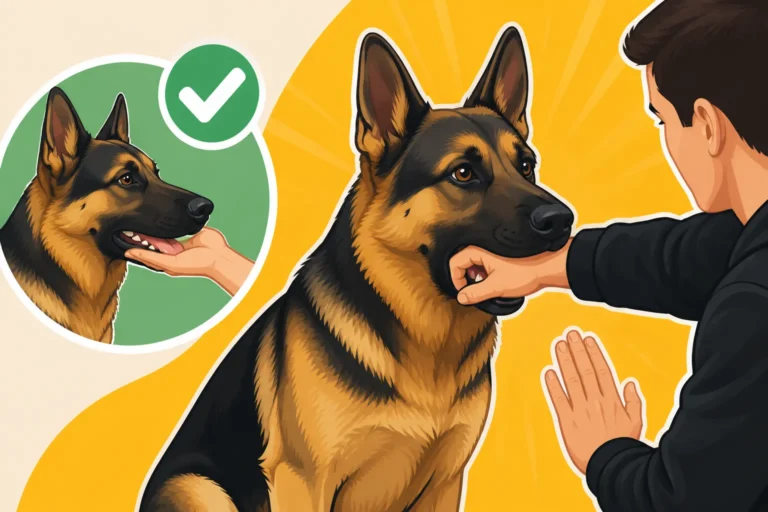
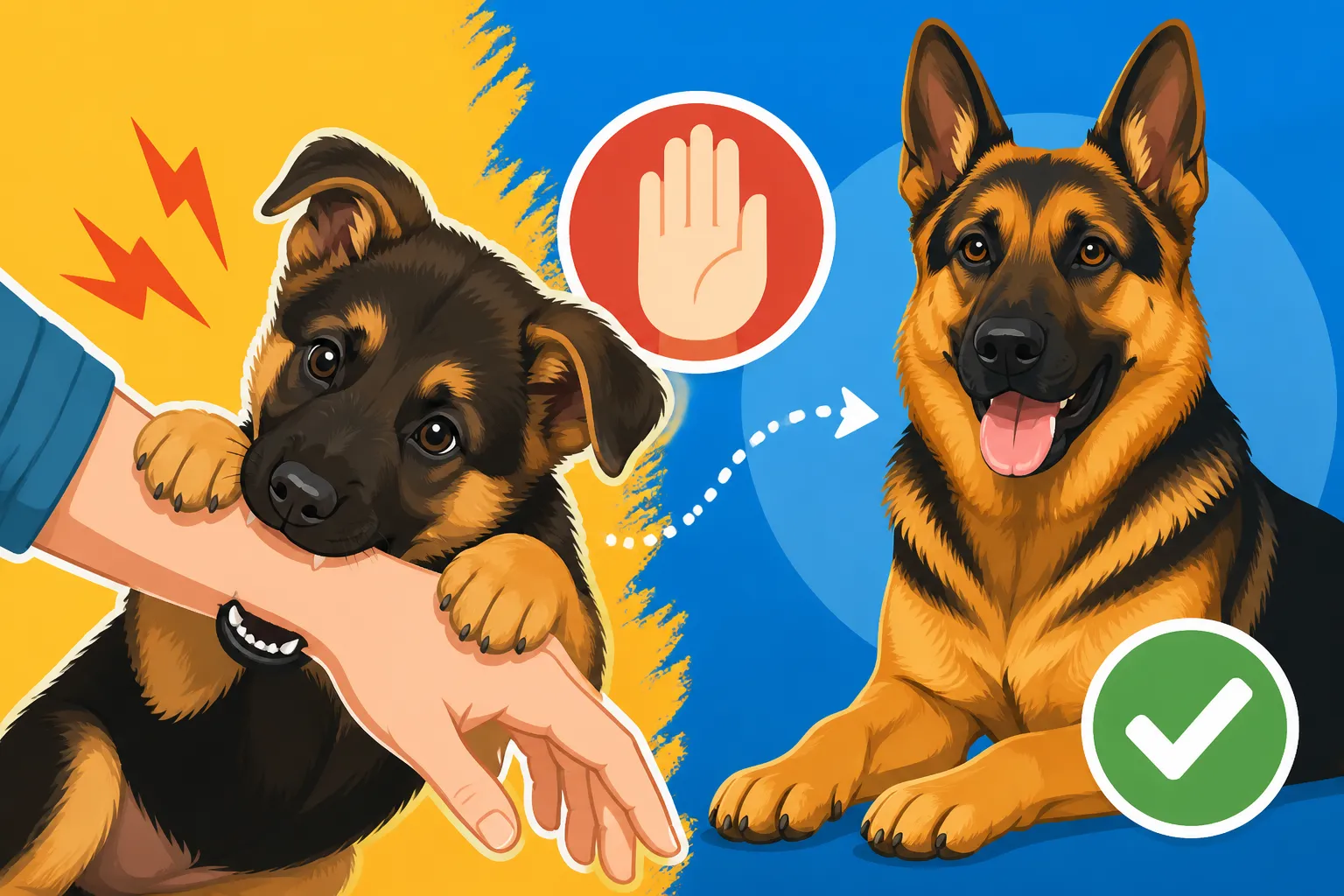
The goal is to teach your German Shepherd puppy that human skin is fragile and requires a soft mouth. This process mimics what they would learn from their littermates. When your puppy nips too hard during play, let out a sharp, high-pitched "ouch!" or "yipe!" immediately. Make it sound genuine, not angry. This startling sound should interrupt their behavior.
The instant they pause or release their bite, praise them calmly and redirect their mouth to an appropriate chew toy. If they continue to bite hard after the yelp, immediately end the interaction. This means getting up, turning your back, or even leaving the room for 10-20 seconds. This is a crucial step for How to Do Bite Inhibition with a German Shepherd. The puppy quickly learns that hard bites make the fun stop. Consistency is absolutely vital here. Every family member must follow the same protocol, every single time. It might feel like you're yelping constantly at first, but patience and repetition will pay off.
The Danger of Not Teaching Bite Inhibition
Failing to teach your German Shepherd puppy proper bite inhibition can lead to serious behavioral problems down the line. A full-grown German Shepherd, which can weigh upwards of 90 pounds with immense jaw strength, could inadvertently cause significant injury if they haven't learned to control the force of their bite. It's not about aggression in most cases, but simply a lack of understanding regarding their own power.
Without bite inhibition, even playful nips can become dangerous. Imagine your adult German Shepherd getting overly excited during play with a child or a stranger and instinctively using their mouth with too much pressure. This is a terrifying thought for any responsible dog owner. Furthermore, a dog that hasn't learned bite inhibition may also be more prone to resource guarding or showing fear-based aggression, as they haven't learned to moderate their reactions. Investing the time in this training now is an investment in your dog's future safety, your family's well-being, and the peace of mind of anyone interacting with your magnificent canine companion. It truly is one of the most important lessons you can teach your young German Shepherd.
Effective Strategies for Managing Nipping and Biting
Once you understand the 'why' behind the biting, it's time to implement practical, consistent strategies to guide your German Shepherd puppy towards more acceptable behaviors. This isn't about punishment, but about clear communication and teaching them what to do instead of just what not to do.
Redirection with Appropriate Chew Toys
One of the most effective and often overlooked strategies for managing puppy biting is simple redirection. German Shepherd puppies need to chew, especially when teething. It's a natural urge that you cannot and should not try to suppress entirely. Instead, channel that urge onto appropriate items. Always have a variety of sturdy, engaging chew toys readily available.
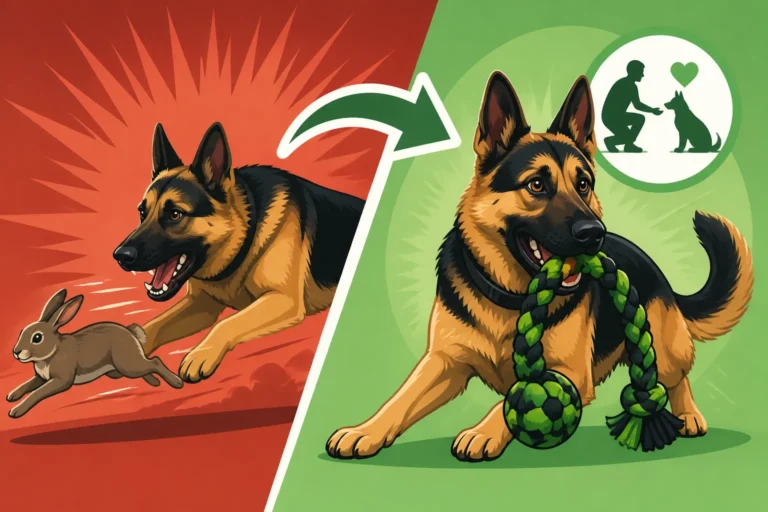
When your puppy starts to mouth or nip at your hands, clothing, or furniture, immediately and calmly redirect their attention to an acceptable chew toy. Physically place the toy in their mouth if necessary, and then praise them enthusiastically when they start to chew on it. Keep a selection of different textures and hardnesses – rubber, rope, dental chews, puzzle toys – to keep them interested. Brands like KONG offer a fantastic range of durable options that can be stuffed with treats, extending their interest and providing mental stimulation. Many excellent options can be found on Amazon, making it easy to stock up. Providing these alternatives satisfies their natural chewing instinct and teaches them what items are okay to chew on, reinforcing good habits. For more ideas on stimulating your puppy, see our article on Best Toys for a German Shepherd's Energy.
Using "Ouch!" and Time-Outs
As mentioned earlier, the "ouch" method is your first line of defense in teaching bite inhibition. When those sharp puppy teeth make contact, a dramatic, high-pitched "OUCH!" should be your immediate response. The key is to make it sound genuinely pained, not angry or aggressive. This is meant to mimic the yelp of a littermate.
If the "ouch!" doesn't result in an immediate pause or if the biting continues, then it's time for a time-out. This isn't a punishment in the traditional sense, but rather a consequence of the unwanted behavior: the fun stops. Calmly and immediately remove yourself from the puppy's reach. You can stand up and turn your back, cross your arms, or even leave the room for a very short period (10-20 seconds). The goal is to deprive them of your attention, which is often what they are seeking, even with the biting. Once the short time-out is over, you can re-engage with your puppy. If they immediately start biting hard again, repeat the time-out. Consistency is paramount here. Every time those teeth come down too hard, the interaction must end. This sends a clear message that biting means the loss of interaction and play.
Positive Reinforcement for Calm Behavior
While it’s essential to address unwanted biting, it’s equally important to reward and reinforce the behaviors you do want to see from your German Shepherd puppy. Positive reinforcement is a powerful tool in shaping a well-behaved dog. Look for moments when your puppy is interacting gently, mouthing softly, or choosing to chew on an appropriate toy instead of you.
When your puppy is playing nicely, engaging with a chew toy, or simply lying calmly, offer praise ("Good boy!" or "Good girl!"), gentle petting, or a small, high-value treat. This teaches them that calm, gentle behavior earns them positive attention and rewards. Consider using a structured online training program like BAXTER & Bella, which emphasizes positive reinforcement techniques for a wide range of puppy behaviors, including bite inhibition. They offer guidance that can be incredibly helpful for new German Shepherd owners navigating the challenges of puppyhood. Rewarding gentle interaction is key to developing a "soft mouth" in your growing German Shepherd. This is also important for their overall German Shepherd Puppy Training Schedule by Week.
Common Mistakes Owners Make and How to Avoid Them
Even with the best intentions, it's easy to fall into common traps that can inadvertently exacerbate your German Shepherd puppy's biting behavior. Recognizing these pitfalls is crucial for effective training and building a positive relationship with your growing companion.
Playing Rough or Encouraging Biting
One of the most frequent mistakes new German Shepherd owners make is engaging in rough play that encourages or even inadvertently rewards biting. This often starts innocently enough – wrestling with your puppy, letting them mouth your hands during play, or even wiggling your fingers in front of their face. While it might seem cute and harmless when they’re tiny, it sends a confusing message: "It's okay to bite hands during play!"
As your German Shepherd grows, their play bites will become incredibly powerful and potentially dangerous. Avoid games like tug-of-war where your hands are close to their mouth and they might accidentally bite you. If you do play tug, ensure they are only gripping the toy. Never use your hands or feet as chew toys. When playing, always direct their attention to an actual toy. If they latch onto your hand, even gently, immediately stop playing, give a firm "no," and withdraw attention. It’s vital that you set clear boundaries from day one that human skin is off-limits for biting, no matter how playful the intention. Our guide on How to Stop a German Shepherd from Biting delves deeper into this.
Ignoring the Nipping or Punishing Too Harshly
On the other end of the spectrum, some owners either ignore persistent nipping, hoping the puppy will "grow out of it," or they react with harsh physical punishment. Both approaches are detrimental and can lead to significant behavioral problems. Ignoring biting sends the message that the behavior is acceptable or, at best, neutral, offering no guidance to the puppy. They will continue the behavior because they haven't learned otherwise.
Harsh physical punishment, such as hitting, yelling aggressively, or alpha rolls, is not only ineffective but deeply damaging, especially for a sensitive and intelligent breed like the German Shepherd. These methods can break trust, create fear, and potentially lead to defensive aggression. A puppy who is consistently punished for biting may learn to suppress the behavior in your presence but might resort to biting out of fear or escalate their aggression when they feel threatened. Instead of fostering a calm, confident dog, you could inadvertently create a fearful or aggressive one. The goal is to communicate clearly and consistently, not to instill fear. Focus on redirection, time-outs, and positive reinforcement to teach, rather than punish. For more on positive training, check out German Shepherd Obedience Training Basics.
Addressing Specific Puppy Biting Scenarios
German Shepherd puppies can be incredibly creative with their biting, and you might encounter specific situations that leave you scratching your head. Tailoring your response to these scenarios can make a big difference.
Nipping During Play and Excitement
This is perhaps the most common biting scenario. Your German Shepherd puppy gets overstimulated during a play session, zoomies kick in, and suddenly your fingers or ankles become their target. This isn't usually aggressive; it's often a manifestation of their prey drive combined with high energy.
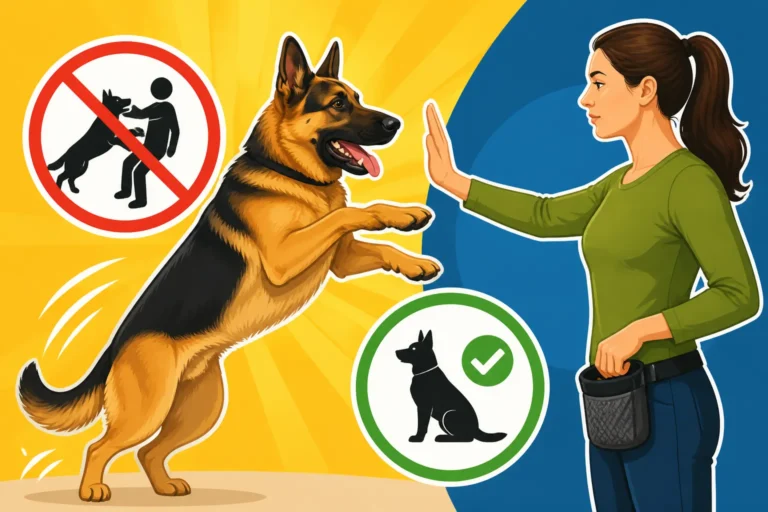
The key here is consistent application of the "ouch!" and time-out method. If your puppy is constantly nipping during play, take frequent, short breaks. Every few minutes, pause the game, ask for a "sit" or "down," and reward them for a moment of calm. This teaches them that play happens with controlled behavior, not frantic nipping. If they get too mouthy, the play stops immediately. Consider using a long rope toy or a flirt pole (available on Amazon) to keep a safe distance between their teeth and your skin during high-energy play. This allows them to chase and bite a moving object without contacting you directly. Remember, high energy is normal for a German Shepherd, and finding appropriate outlets like structured play with toys is crucial.
Dealing with Ankle Biting
German Shepherd puppies, especially those with strong herding instincts, often go through a phase of "ankle biting." This is when they chase and nip at your feet and ankles as you walk by, much like they would try to herd a flock. It can be incredibly annoying and painful, but it's important to understand the underlying motivation.
When your puppy ankle bites, avoid the natural instinct to pull away quickly or yelp loudly and run. This can actually make the game more exciting for them, as it simulates prey fleeing. Instead, try to stop moving immediately. If they continue to bite, use your verbal "ouch!" and then either remove yourself from the situation (step over a baby gate, go behind a chair) or initiate a time-out. You can also try redirecting them with a toy or a chew, tossing it away from your feet to encourage them to chase it instead. Consistent "leave it" command practice, even with feet, can be very helpful. This phase usually subsides as they mature and learn self-control, but managing it correctly prevents it from becoming a deeply ingrained habit. This behavior is distinct from the general nipping covered in How to Stop German Shepherd Nipping.
Biting for Attention or During Grooming
Sometimes German Shepherd puppies bite or mouth when they want your attention, or they resist grooming by nipping. This behavior needs to be addressed differently than play biting. If your puppy nips you for attention, the worst thing you can do is give them the attention they're seeking, even if it's negative attention like scolding.
For attention-seeking biting, completely ignore the behavior. Turn away, fold your arms, and make no eye contact. Only when they stop the nipping and offer a calm behavior (like sitting or lying down) do you reward them with attention. This teaches them that calm behavior gets them what they want, not biting. For grooming resistance, it’s about desensitization and positive association. Start with very short, positive grooming sessions. Touch their paws, ears, or brush them gently for a few seconds, then immediately reward with a treat and praise. Gradually extend the duration. If they nip, stop the grooming immediately, wait for them to calm, then try again. Never force it. Many helpful tips are available on German Shepherd Dental Care Explained and How to Groom a German Shepherd.
When to Seek Professional Help
While most German Shepherd puppy biting is normal and manageable with consistent training, there are instances where professional intervention is necessary. It’s important to know when to seek help to ensure your puppy develops into a well-adjusted adult.
Identifying Problematic Aggression
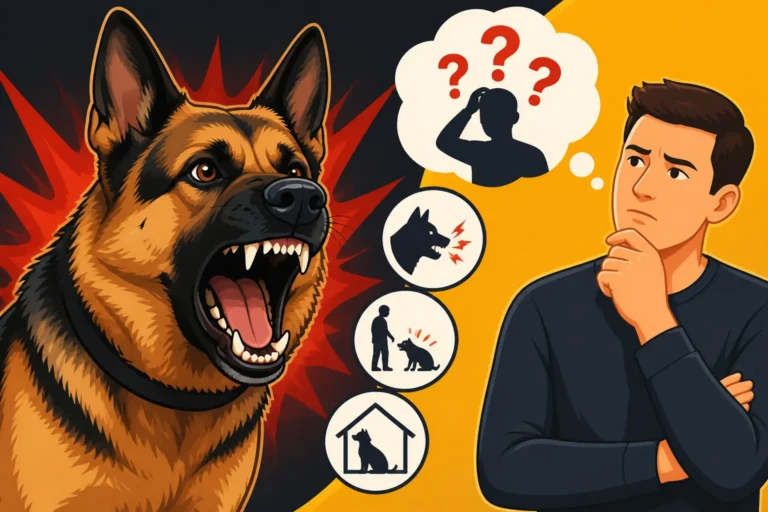
Distinguishing normal puppy nipping from actual aggression can sometimes be tricky, but there are key indicators. Normal puppy biting is usually play-related, stops when the puppy is startled or ignored, and typically doesn't involve snarling, growling, or stiff body language. Problematic aggression, on the other hand, might include:
- Intense, unprovoked biting: Biting that seems to come out of nowhere, not associated with play.
- Growling, snarling, or baring teeth: Especially if these behaviors accompany a bite or precede it, directed at a human.
- Stiff body language: A rigid stance, raised hackles, fixed stare, and tail tucked or held stiffly, rather than loose, wiggly play behavior.
- Resource guarding: Aggressive reactions when guarding food, toys, or even a particular spot.
- Failure to inhibit bite: Even after a sharp "ouch!" or time-out, the puppy continues to bite with the same force, without any indication of learning.
- Fear-based aggression: Biting when scared, cornered, or when approached by unfamiliar people or animals, often accompanied by cowering or attempts to escape.
If you observe these more severe behaviors, especially if they are escalating or occurring frequently, it's a red flag. Do not try to handle these situations alone.
Consulting a Trainer or Behaviorist
If you suspect your German Shepherd puppy's biting is more than just normal puppy behavior, or if you're simply struggling to make progress despite consistent efforts, it's time to consult a professional. A certified professional dog trainer or a veterinary behaviorist can assess your puppy's specific situation, identify underlying causes, and develop a tailored training plan.
Look for trainers who use positive reinforcement methods and have experience with large breeds and puppy behavior. Avoid any trainer who suggests harsh punishment or "dominance" methods, as these can be counterproductive and harmful. A good trainer will observe your interactions with your puppy, explain canine body language, and teach you effective communication techniques. They might recommend specific exercises, tools, or environmental management strategies to help. Early intervention is key with German Shepherds. Addressing potential behavioral issues now will set your puppy up for success and prevent them from becoming more entrenched problems as they mature. Programs like BAXTER & Bella can offer initial guidance, but for serious concerns, an in-person, certified professional is invaluable. Don't hesitate to reach out for expert help; it’s an investment in your dog’s future and your peace of mind. For more insights, refer to When to Hire a Trainer for a German Shepherd.
| Biting Behavior Type | Characteristics | Suggested Owner Response |
|---|---|---|
| Normal Play Biting | Nipping during play, often accompanied by wiggly body, open mouth, no growling. Puppy stops when startled or ignored. | "Ouch!" followed by time-out or redirection to a toy. |
| Teething/Exploration | Chewing on objects, mouthing hands, sometimes hard but not aggressive. Puppy seeks relief for sore gums. | Provide appropriate chew toys (KONG, Nylabone). Redirect from hands/furniture to toys. |
| Attention-Seeking | Nipping to get interaction, even negative attention. Stops when ignored, starts when attention is given. | Completely ignore the behavior. Reward calm behavior when nipping stops. |
| Ankle Biting/Herding | Chasing and nipping at feet/ankles, especially when owner moves. | Stop movement immediately. Redirect to a toy thrown away from feet. Time-out if persists. |
| Problematic Aggression | Growling, snarling, stiff body, unprovoked biting, biting that escalates in force, resource guarding. | Immediately stop interaction. Seek professional help from a certified behaviorist or trainer. Avoid punishment. |
Keeping Your German Shepherd Puppy Mentally and Physically Stimulated
A well-exercised and mentally stimulated German Shepherd puppy is generally a happier and less prone to destructive or nippy behaviors. German Shepherds are highly intelligent and energetic dogs; if their needs aren't met, they'll find their own (often undesirable) ways to entertain themselves.
The Importance of Appropriate Exercise
While it's important not to over-exercise a growing German Shepherd puppy due to their developing joints, they still require consistent, appropriate physical activity. This isn't just about burning off energy; it's about channeling it constructively. Daily walks, controlled playtime in a secure yard, and puppy playdates (once fully vaccinated and socialized) are all great options.
Avoid forced, repetitive exercises like long-distance running or intense agility training until their growth plates have closed, usually around 12-18 months. However, sniffing walks where they can explore their environment, short games of fetch, and structured play sessions are fantastic. A tired German Shepherd puppy is less likely to be a nippy German Shepherd puppy. Balance physical exercise with rest periods, as puppies need a lot of sleep for proper development. Consistent physical activity helps them release pent-up energy, making them calmer and more receptive to training when indoors. Learn more in How Much Exercise Is Too Much for a Puppy.
Engaging Their Intelligent Minds
German Shepherds thrive on mental stimulation. Without it, they can become bored, which often manifests as destructive chewing, excessive barking, or, yes, even more nipping. Engaging their minds is just as important as exercising their bodies.
Puzzle toys, like those from KONG or snuffle mats, are excellent for making meal times more challenging and rewarding. Hiding treats around the house for them to find (a "find it" game) taps into their natural scent-tracking abilities. Short, positive training sessions throughout the day, focusing on basic obedience commands or even learning fun tricks, can be incredibly engaging. Rotating their toys keeps novelty high. A structured puppy training program, such as the one offered by BAXTER & Bella, incorporates a lot of mental challenges that keep puppies engaged and learning. Even just 10-15 minutes of dedicated mental work can tire a German Shepherd puppy more effectively than a long walk, and it helps build a stronger bond between you. For more ideas, explore Best Puzzle Toys for German Shepherds and How to Mentally Stimulate a German Shepherd Indoors.
Disclaimer
The information provided in this article is for general informational purposes only and is not a substitute for professional veterinary advice, diagnosis, or treatment. Always seek the advice of your veterinarian or other qualified animal health provider with any questions you may have regarding a medical condition or behavior issue.