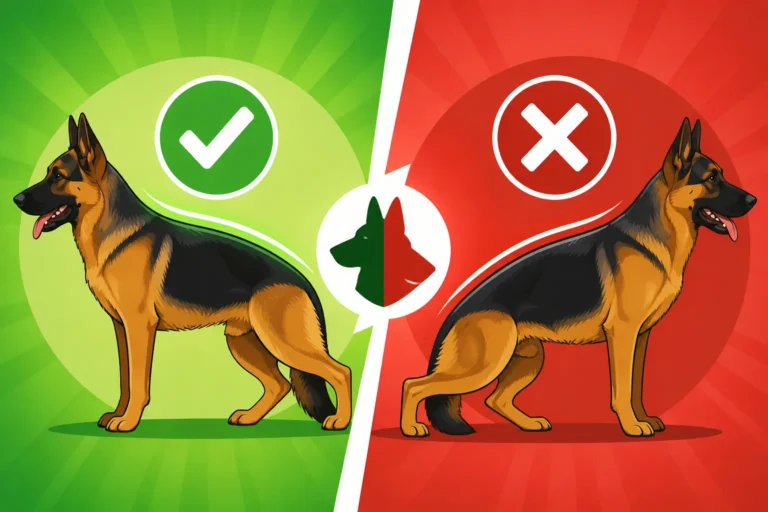
German Shepherd Energy Level Explained
You've just brought home a magnificent German Shepherd, or perhaps you're considering it, and you're wondering, "Just how much energy do these dogs really have?" Many new owners quickly realize that the serene, dignified German Shepherd they envision might spend its first few months, or even years, bouncing off the walls, digging craters in the yard, or herding every family member in sight. This guide is here to shed light on the truth about German Shepherd energy levels, debunk common myths, and equip you with practical strategies to manage your highly active companion, ensuring a happy and well-adjusted life for both of you.
Understanding the German Shepherd's Innate Energy Drive
German Shepherds weren't bred to be couch potatoes, and understanding their historical purpose is key to appreciating their boundless energy. These dogs possess an incredible drive, intelligence, and physical prowess, which are deeply ingrained in their DNA. It's not just a personality quirk; it's a fundamental aspect of their breed.
Historical Roots of High Energy
Originally developed in Germany in the late 19th century by Captain Max von Stephanitz, the German Shepherd Dog was meticulously bred for herding sheep and as a working companion. They needed to be agile, intelligent, resilient, and possess incredible stamina to spend long days out in the fields, often covering vast distances. This meant they had to be constantly alert, quick-thinking, and physically capable of controlling flocks and protecting them from predators.
Over time, their roles expanded into police work, military service, search and rescue, and assistance work. These demanding jobs further refined their need for high energy, intense focus, and robust physical conditioning. When you bring a German Shepherd into your home, you're not just getting a pet; you're adopting a descendant of these highly specialized working dogs, complete with that deeply embedded drive for activity. Expecting them to be low-key without sufficient outlets is like buying a high-performance sports car and only driving it to the grocery store once a week.
The Difference Between "Active" and "Hyperactive"
It's easy to mistake a normally active German Shepherd for one that's genuinely hyperactive, but there's an important distinction. An "active" German Shepherd is one that thrives on regular, challenging physical and mental engagement. They're eager to go for a run, learn new commands, play fetch for an extended period, or engage in a vigorous training session. After these activities, they should be able to settle down, relax, and enjoy quiet time with their family. This is a sign of a well-exercised and balanced dog.
On the other hand, a "hyperactive" German Shepherd often displays frantic, uncontrollable energy even after considerable exercise. They might pace constantly, destructive chew, bark excessively, or struggle to settle down indoors, even when you're trying to relax. This kind of hyperactivity is often a symptom of under-stimulation – either physically, mentally, or both. It's their way of telling you they have an unmet need for purposeful activity. Understanding this difference is crucial for addressing their behavior effectively, as a truly hyperactive dog might need more than just a longer walk; they might need more structured work or even a vet check to rule out underlying issues.
Genetic Predispositions to Activity
The genetics of a German Shepherd play a massive role in their energy levels. While all German Shepherds are generally high-energy, there can be notable differences between different lines. For instance, Working Line German Shepherd Explained dogs, bred for tasks like Schutzhund, IGP, or police work, often possess an even more intense drive and higher energy than Show Line German Shepherd Explained dogs, which might be bred for conformation and a slightly calmer disposition.
These genetic predispositions mean that some German Shepherds might naturally require more intensive exercise routines, more challenging mental puzzles, or more consistent training to feel fulfilled. It’s not something you can train out of them; it's part of who they are. Prospective owners should always inquire about the parents' temperaments and energy levels when choosing a puppy, as this can provide a good indicator of what to expect. A responsible breeder will be transparent about these traits and help you find a puppy whose energy level matches your lifestyle.
Puppyhood Energy: A Force to Be Reckoned With
Ah, German Shepherd puppies! They are bundles of joy, fluff, and seemingly endless energy. Those first few months can be a whirlwind, filled with adorable antics and moments that will test your patience. Understanding this phase and how to manage it is vital for raising a well-behaved adult dog.
The Zoomies and Early Developmental Needs
If you've ever owned a German Shepherd puppy, you're undoubtedly familiar with "the zoomies" – those sudden, frantic bursts of energy where your pup runs laps around the house or yard at top speed, often with a silly grin on their face. This is perfectly normal puppy behavior, a way for them to release pent-up energy. While endearing, it’s also a sign that they need appropriate outlets for this energy. Beyond just running, young German Shepherds are also developing their cognitive abilities and social skills. They are sponges, soaking up every experience, and early socialization is incredibly important during this time.
However, a common mistake is thinking that more physical exercise is always the answer. While puppies need regular, moderate activity, their growing bodies are delicate. Too much high-impact exercise, like long runs on hard surfaces or excessive jumping, can put undue stress on developing joints and growth plates. This is particularly crucial for a breed predisposed to conditions like German Shepherd Hip Dysplasia Explained and German Shepherd Elbow Dysplasia: Symptoms and Treatment. Structured play sessions, short walks, and plenty of mental stimulation are often more beneficial for their developmental needs than hours of intense running.
Preventing Over-Exercise in Growing Pups
The temptation to wear out an energetic German Shepherd puppy with endless games of fetch or long hikes is strong, but it can be detrimental to their long-term health. Puppy bones, joints, and ligaments are not fully mature until they reach about 18-24 months of age. Over-exercising a puppy can lead to irreversible damage, exacerbating potential genetic issues or even creating new ones. Learning How Much Exercise Is Too Much for a Puppy is essential for every German Shepherd owner.
A good rule of thumb often recommended by vets is the "5 minutes per month of age" rule for structured walks. So, an 8-week-old (2-month-old) puppy would get about 10 minutes of walking, twice a day, plus free play in a secure yard. This allows them to explore and move without excessive strain. It's better to have multiple short bursts of activity throughout the day than one long, intense session. Remember, the goal is controlled activity that supports healthy growth, not exhaustion.
Channeling Puppy Energy Positively
Since excessive physical exercise isn't the best solution for growing German Shepherd puppies, the focus shifts to channeling their energy into positive, constructive activities. Mental stimulation is incredibly powerful for young GSDs. Puzzle toys, short training sessions, and interactive games can tire them out mentally far more effectively than physical exertion alone. Think about introducing them to German Shepherd Puppy Training Guide early on.
For example, hiding treats around the house for them to sniff out, teaching them basic obedience commands like "sit," "stay," and "down," or using a snuffle mat for meal times can provide significant mental engagement. Enrolling in a puppy class is also a fantastic way to combine mental stimulation with safe, supervised socialization. These activities not only burn energy but also build confidence, strengthen your bond, and lay the foundation for a well-behaved adult German Shepherd. Durable chew toys, perhaps from a selection found on Chewy, are also invaluable for redirecting that strong chewing drive away from your furniture.
Adolescent and Adult German Shepherd Energy Requirements
Once your German Shepherd moves past the puppy stage and into adolescence and adulthood, their energy levels don't magically disappear. In fact, their stamina and capacity for activity often increase, requiring a consistent and thoughtful approach to exercise and enrichment.
Daily Exercise Needs: Beyond a Simple Walk
For an adult German Shepherd, a quick stroll around the block simply isn't going to cut it. These dogs need substantial daily exercise to remain happy and healthy. We're talking about a minimum of 60-90 minutes of vigorous physical activity per day, often split into two or three sessions. This isn't just about letting them out in the yard; it means purposeful, engaging activity. Think brisk walks, jogging, hiking, or extended games of fetch. They thrive on having a "job" to do, and exercise helps fulfill that need.
Beyond just burning calories, consistent physical exercise helps maintain muscle tone, supports joint health, and aids in digestive function. A well-exercised German Shepherd is less likely to develop behavioral issues stemming from pent-up energy, such as destructive chewing, excessive barking, or anxiety. It's an investment in both their physical and mental well-being. Regular walks are a staple, but consider adding variety to keep them engaged.
Mental Stimulation: The Forgotten Energy Outlet
While physical exercise is non-negotiable, many owners underestimate the power of mental stimulation for a German Shepherd. These dogs are incredibly intelligent, and their minds need just as much, if not more, exercise than their bodies. A physically tired German Shepherd with an under-stimulated mind can still be a handful. Think of it this way: a human can run a marathon, but if they then have to sit in a room with no sensory input, they'd still feel restless and bored.
Incorporating Best Mental Stimulation for German Shepherds into their daily routine is paramount. This can include obedience training, learning new tricks, puzzle toys, scent work (like teaching them to find hidden treats), or even enrolling in dog sports like agility, flyball, or advanced obedience. Even 15-20 minutes of intense mental work can be as tiring as a long walk for a German Shepherd. For instance, practicing German Shepherd Recall Training: Step-by-Step in a distracting environment requires immense focus and mental energy. Don't forget to rotate their toys to keep them novel and exciting; Chewy offers a wide variety of puzzle toys that can keep their intelligent minds engaged.
The Dangers of Insufficient Activity
Neglecting a German Shepherd's exercise needs can have far-reaching consequences, extending beyond just a few chewed shoes. A German Shepherd with insufficient physical and mental activity is a recipe for disaster, often leading to a host of behavioral problems that can strain the owner-dog relationship. They might become destructive, channeling their pent-up energy into chewing furniture, digging up the yard, or tearing apart household items. This isn't out of spite; it's a desperate attempt to self-entertain and release frustration.
Beyond destructiveness, you might see excessive barking, anxiety, or even aggression. Dogs that are chronically under-stimulated can develop German Shepherd Separation Anxiety Solutions if left alone with too much energy and nothing to do. They might also become withdrawn, depressed, or lethargic, despite having high energy reserves. Obesity is another significant risk, leading to further health problems like joint issues and reduced lifespan. Essentially, an unfulfilled German Shepherd is an unhappy German Shepherd, and that unhappiness often manifests in ways that are challenging for owners to manage. Understanding German Shepherd Behavior Problems and Solutions often starts with assessing their activity levels.
Tailoring Exercise to Your German Shepherd's Needs
Every German Shepherd is an individual, and while the breed generally has high energy, the specific requirements can vary. Tailoring your exercise routine to your dog's unique personality, age, and health status is crucial for their well-being.
Balancing Physical and Mental Engagement
The golden rule for German Shepherd energy management is to find the right balance between physical exertion and mental engagement. It's not enough to just run them ragged; their intelligent minds also need a workout. A typical day might involve a vigorous morning walk or jog, followed by a short training session where they learn new commands or practice old ones. In the afternoon, perhaps a game of fetch in the park, culminating in a puzzle toy or a sniff-around session for treats in the evening.
Think about rotating activities to keep things interesting. If you always walk the same route, try a new trail. If you always play fetch, introduce a flirt pole or a tug-of-war session. This variety prevents boredom and keeps your German Shepherd engaged and excited about their daily activities. Remember, a tired body and a tired mind equal a happy, well-behaved German Shepherd. Incorporating elements from a comprehensive German Shepherd Training Timeline by Age can help structure this balance effectively.
Activities for Different Energy Levels and Ages
Not all German Shepherds have the exact same energy output, and their needs change with age. A young, healthy adult might excel at high-intensity activities, while a senior dog will require a gentler approach.
| Age Group | Recommended Activities | Considerations |
|---|---|---|
| Puppy (8 wks – 6 mos) | Multiple short play sessions (10-15 mins), short walks (5 mins per month of age), puzzle toys, basic obedience training. | Focus on socialization and mental stimulation. Avoid high-impact activities to protect growing joints. |
| Adolescent (6 mos – 18 mos) | Longer walks/jogs (gradually increasing duration), structured play, intro to dog sports (agility, obedience), scent work. | Joints are still developing, so be mindful of intensity. Focus on impulse control and more complex training. Consult your vet on appropriate intensity. |
| Adult (1.5 – 7 yrs) | Vigorous exercise (60-90+ mins daily), running, hiking, dog sports (agility, Schutzhund, obedience), advanced training. | This is their prime. They need consistent, challenging physical and mental outlets. Vary activities to prevent boredom. |
| Senior (7+ yrs) | Shorter, frequent walks, gentle swimming, low-impact games, senior puzzle toys, therapeutic exercises. | Prioritize comfort and joint health. Monitor for signs of pain or fatigue. Supplements like those for German Shepherd Joint Health Supplements can be beneficial. Adjust activities based on individual health and mobility. |
Always consult with your veterinarian to determine the most appropriate exercise regimen for your German Shepherd, especially if they have any underlying health conditions like German Shepherd Arthritis in Senior Dogs.
Recognizing Signs of Over- or Under-Stimulation
Being attuned to your German Shepherd's behavior is key to knowing if you're hitting the right mark with their exercise.
Signs of Under-Stimulation (Too Little Energy Release):
- Destructive Chewing/Digging: Targeting furniture, shoes, walls, or excessive digging in the yard.
- Excessive Barking/Whining: Often for attention or out of boredom.
- Hyperactivity Indoors: Pacing, inability to settle, constant nudging for attention.
- Nipping/Biting: Especially targeting hands or ankles, a form of seeking engagement.
- Anxiety/Restlessness: Pacing, panting, inability to relax, even when tired.
- Weight Gain: If they're eating appropriately but not burning enough calories.
- Reactivity: Becoming overly reactive to stimuli (other dogs, people, sounds) on walks.
Signs of Over-Stimulation (Too Much or Wrong Kind of Energy Release):
- Lethargy/Extreme Fatigue: Beyond normal post-exercise tiredness, they seem truly exhausted for prolonged periods.
- Lameness/Soreness: Limping, stiffness, or reluctance to move. This is a critical sign to watch for, especially in puppies.
- Loss of Appetite: Reduced interest in food after exercise.
- Behavioral Regression: Forgetting commands, becoming unusually clingy or withdrawn.
- Increased Irritability: Snappiness or impatience, indicating they're overtired and overwhelmed.
- Overheating: Excessive panting, drooling, or seeking cool spots during or after exercise, especially in warmer weather.
Finding the sweet spot might take some trial and error, but by observing your dog closely, you can adjust their routine to ensure they are getting exactly what they need.
Common Misconceptions About German Shepherd Energy
There are quite a few myths floating around about German Shepherd energy levels that can lead to frustration for new owners. Let's tackle some of the most pervasive ones head-on.
"They'll Calm Down with Age"
This is perhaps the biggest misconception out there, and one that often leads to German Shepherds being rehomed when their owners realize it's not true. While a German Shepherd will mature and their puppy-like antics will diminish, their inherent high energy levels and need for mental and physical stimulation largely remain throughout their adult lives. They might not have the frantic zoomies of a 4-month-old, but an adult German Shepherd still requires substantial daily activity well into their senior years.
A common pitfall is to expect them to magically transform into a calm, stately companion once they hit a certain age. Instead, what happens is that their energy needs morph from chaotic puppy bursts to more sustained, purposeful activity. Without adequate outlets, this can manifest as more severe behavioral issues than puppy nipping, such as destructive behavior born of sheer boredom. While a German Shepherd Senior Care Guide will focus on adapting activities to their aging bodies, it doesn't mean they stop needing engagement entirely.
The Myth of the "Lazy" German Shepherd
You might occasionally hear someone say they have a "lazy" German Shepherd, implying the breed isn't as high-energy as widely believed. While individual dogs do have unique personalities, a truly "lazy" German Shepherd is usually a sign of one of two things: either they are incredibly well-exercised and mentally stimulated, allowing them to truly relax indoors, or there's an underlying health issue.
A healthy German Shepherd who is not getting enough exercise will rarely be truly lazy. Instead, they'll likely be restless, destructive, or anxious. If your German Shepherd suddenly becomes unusually lethargic or uninterested in activities they once loved, it's a red flag. This could indicate pain, discomfort from German Shepherd Arthritis, an infection, or another medical condition that warrants a vet visit. Never assume a sudden drop in energy is just them becoming "lazy"; always investigate the cause.
The Impact of Environment on Energy Expression
The environment your German Shepherd lives in significantly influences how their energy is expressed. A dog living in a small apartment with minimal outdoor access and irregular exercise might appear frantic and high-strung, even if another German Shepherd with the same genetic energy level, but living on a farm with ample space and regular jobs, seems calm and composed. The space itself isn't the sole factor, but it contributes to the opportunities for energy release.
For instance, a German Shepherd living in a suburban home with a yard might still become destructive if the yard is simply a place to "be" rather than a space for active play and training. Conversely, an apartment-dwelling German Shepherd can thrive if their owners are committed to providing multiple walks, dog park visits, and mental games throughout the day. It's about providing appropriate outlets, regardless of the physical size of your home. A German Shepherd needs a stimulating life, not just a big backyard.
Practical Strategies for Energy Management
So, you understand the German Shepherd's energy, you know the risks of not meeting their needs, but what do you do about it? Here are some actionable strategies to help you manage your German Shepherd's considerable drive effectively.
Structured Exercise Routines
The key to managing a high-energy dog like a German Shepherd is consistency and structure. Random bursts of activity aren't as effective as a well-planned routine. Establish a daily schedule that includes dedicated times for exercise. This might mean a brisk walk or jog first thing in the morning, a mid-day play session, and an evening training walk. Having a predictable routine also helps your dog understand what to expect, reducing anxiety and making them more adaptable.
Consider activities that challenge them both physically and mentally. Going for a hike where they navigate varied terrain and encounter new smells can be far more enriching than a simple walk around the block. If you have access, swimming is excellent low-impact exercise that burns a lot of energy. For those interested in advanced activities, exploring How to Do IGP Training with a German Shepherd or Schutzhund can provide an incredible outlet for their working drive. Remember, German Shepherd Exercise Requirements are substantial, and consistency is vital.
Engaging Toys and Enrichment
Don't underestimate the power of good toys and enrichment items. These aren't just for puppies; adult German Shepherds benefit immensely from them too. Look for durable chew toys that can withstand their powerful jaws – brands like Kong, Nylabone, and Goughnuts are often highly recommended for heavy chewers and are readily available on sites like Chewy. Stuffable toys, filled with peanut butter or treats, can keep them occupied for extended periods.
Beyond chew toys, interactive puzzle toys are fantastic for mental stimulation. They require your dog to problem-solve to get a treat, tapping into their natural intelligence and hunting instincts. Snuffle mats and slow feeder bowls also make mealtime a brain game, slowing down eating and adding a layer of mental work. Rotating toys regularly keeps them fresh and exciting, preventing boredom. This variety is crucial for a breed as smart as the German Shepherd.
Professional Help and Training
Sometimes, despite your best efforts, managing a German Shepherd's energy can feel overwhelming, especially if behavioral issues have already started to develop. Don't be afraid to seek professional help. A certified professional dog trainer or a veterinary behaviorist can provide invaluable guidance. They can assess your dog's specific needs, identify any underlying behavioral patterns, and help you develop a tailored exercise and training plan.
Group obedience classes are excellent for structured training and continued socialization. For more complex issues or higher drive dogs, private training or specialized dog sports instruction might be beneficial. Remember, German Shepherds thrive on learning and having a job to do. Investing in their training is one of the best ways to channel their energy into positive behaviors and build a strong, cooperative relationship. Learning How to Train a German Shepherd effectively can make all the difference in managing their energy and behavior.
Disclaimer
This article is for general informational purposes only and does not constitute professional advice. Laws, prices and regulations vary by location and change over time. Consult a qualified professional for guidance on your specific situation.